








What Does Hand Brew Coffee Meaning Cover in Daily Practice?
Hand brew coffee meaning in practice comes down to controlling how water moves through a bed of ground coffee. Even with good beans and gear, home brewers meet a stalled drawdown, a sudden change in flow, off-flavors, or a smoky, charred finish. Most of these trace back to fines clogging the filter, uneven pouring, water quality, or parameters set for dark roasts.
A drawdown that runs past roughly two and a half minutes usually points to too many coffee particles fine enough to block the paper, leaving a wet or muddy bed and a bitter, woody cup. The grind setting and the grinder itself are the two main sources of those fines. Adjusting grind, pour pattern, and water before changing beans resolves many of these faults.
Brewing coffee at home—when neither the equipment nor the beans are lacking, yet various mishaps still occur: the final drawdown stalls and the last drops won't finish, the same grind setting suddenly flows faster, sometimes it tastes great and other times it's full of off-flavors, and the finish carries smoky, charred bitterness... Where exactly do these problems arise? Drawing on Front Street's hands-on experience, this article breaks down the five most common extraction pitfalls in home brewing one by one—from fine-particle clogging, anaerobic bean characteristics, and water quality effects to pouring technique and dark-roast parameter settings—to help you pinpoint the root cause and bring every pour-over closer to the ideal flavor.

Everyone who loves coffee, no matter which flavor profile they prefer, is actually pursuing the same result when practicing pour-over: a delicious cup. From choosing equipment and coffee beans to adjusting parameters and refining technique, isn't every step about making the coffee in your cup more satisfying?
But compared with professional baristas, ordinary people inevitably have limited brewing experience at home, and their equipment may not be as complete and precise as in a cafe. So it's only natural to run into strange extraction problems and, for a while, be unable to tell which detail is causing them—let alone how to treat the root cause.
Below, Front Street will use several real cases to help everyone sort through the common types of extraction troubles in home pour-over.
1. Severe water retention at the final stage—the coffee liquid takes forever to finish dripping
Many people new to pour-over have encountered this. So-called "water retention" ultimately comes down to too many fines clogging the pores of the filter paper, which slows drainage; the total drip time often exceeds two and a half minutes. When the proportion of fines is high, the bottom of the coffee bed is usually sopping wet and in serious cases even muddy, and the coffee tastes bitter with an unpleasant woody note. There are two main reasons for excessive fines: the grinder itself, and the grind setting.
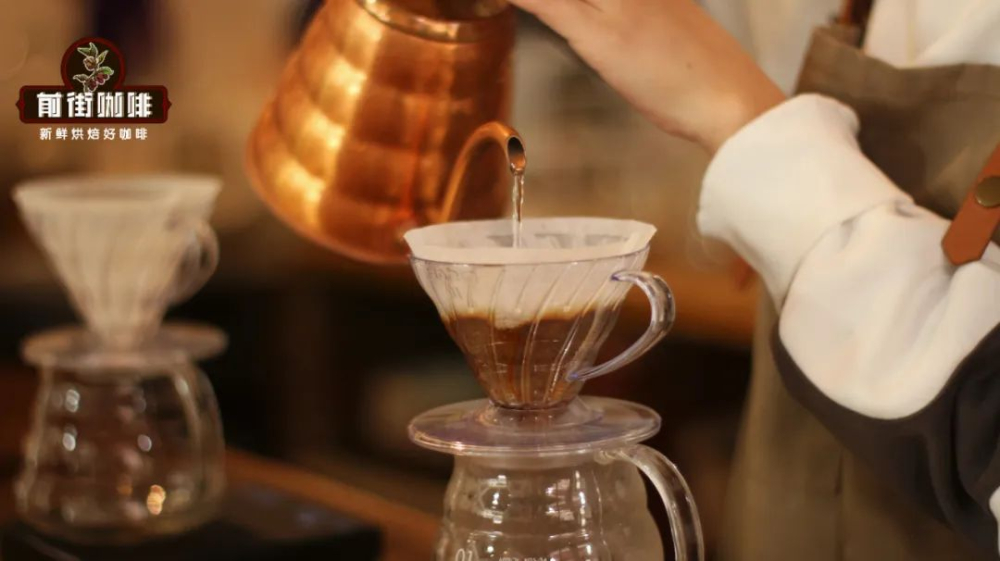
No matter which grinder you use, coffee beans crack during grinding and inevitably produce a certain amount of extremely fine particles, whose size is often far below the target grind coarseness. Compared with home hand grinders, electric grinders have larger, more precise burrs, run at higher speeds, and generate less heat, so grind uniformity is better and the proportion of fines is relatively lower.
If you always run into clogging and poor drainage, Front Street's advice is: after confirming the grinder's grind uniformity, first try adjusting the setting coarser and observe whether the flow rate and taste improve. If the flow speeds up but the taste is weak, try raising the water temperature by 1–2 degrees, or slightly narrowing the brew ratio to balance it. But if it still clogs after coarsening, and obvious large particles are visible on the surface of the coffee bed, then it's worth getting a dedicated fines sifter to screen out some of the extremely fine particles smaller than 0.2 mm, reducing the bitterness caused by over-extraction.
2. At the same grind setting, the flow rate suddenly becomes faster
Many friends have reported this situation to Front Street: one day they switched to a new bag of beans, the packaging also said floral-fruity flavor, so they didn't readjust the grind setting—only to find when pouring that the flow rate was absurdly fast. An extraction that usually takes over two minutes finished flowing in less than a minute and a half this time. According to Front Street's experience, when this happens, it's most likely because you bought anaerobic-process beans.
After sealed fermentation, anaerobic-process coffee beans become very soft in internal structure; even at a light roast, their density is lower than conventional natural or washed beans. After roasting, anaerobic beans have larger pores, so at the same grind setting the flow rate is considerably faster than ordinary fruity-acidity beans, and the possibility of under-extraction naturally rises as well.
So, to bring out a fuller body in this type of anaerobic bean, you should adjust the grind somewhat finer, and pair it with pulse pouring to extend the time the water washes through the coffee bed, thereby improving the release efficiency of soluble compounds.
3. Sometimes the coffee tastes great, and other times it's full of off-flavors
Front Street believes a delicious cup of coffee depends on three key elements: coffee beans, grinder, and water. If the bean quality is fine (for example, the aroma is good during grinding), the grinder and grind setting are within a reasonable range, the brewing technique has no obvious missteps, and the resulting coffee bed is even and fluffy, yet it still tastes off—then it's very likely the water quality is the problem.
In the water we encounter daily, various minerals exist in trace amounts. Though not easy to notice, they can directly affect the water's hardness. Research indicates that an appropriate amount of calcium ions in water helps dissolve coffee's acidity, while an appropriate amount of magnesium ions can effectively enhance the release of coffee's sweetness and aroma. But if there is too much magnesium, the coffee tends toward bitterness; if calcium is excessive, it easily becomes muddled and astringent.
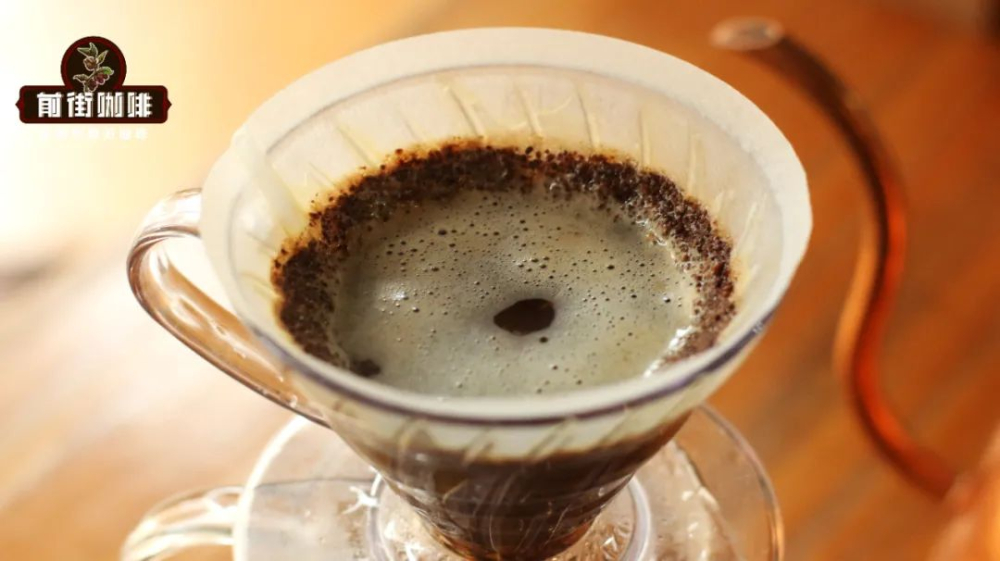
Therefore, if you want delicious coffee, brewing water shouldn't be chosen carelessly. As for whether to choose purified water, mountain spring water, mineral water, or filtered tap water at home, you can refer to Front Street's earlier article dedicated to water.
When pouring in circles, some people habitually keep a small stream circling in a small radius the whole time, keeping the liquid level at half the height of the dripper; others prefer to drench all the coffee grounds in every pour, sometimes splashing onto the dripper wall, believing this is the only way to extract evenly.
The former lets the water wash only the coffee particles in the central area, while the latter knocks down the entire coffee wall that had built up. Both habits cause coffee grounds to accumulate at the bottom, and the resulting coffee is either flat and tasteless or dull, heavy, and lacking layering.
Besides that, there's another scenario: pouring too forcefully near the end. A stream that's too strong breaks through the coffee wall that had been built up, and the washed-down coffee grounds form a broken-in-two shape. If you keep pouring at the breach, hot water will flow straight through the filter paper and out along the ribs of the dripper, causing a "channeling effect," meaning uneven extraction; meanwhile the particles clinging to the upper surface of the filter paper don't participate in extraction, and the final coffee comes out sharply sour, thin, and watery.
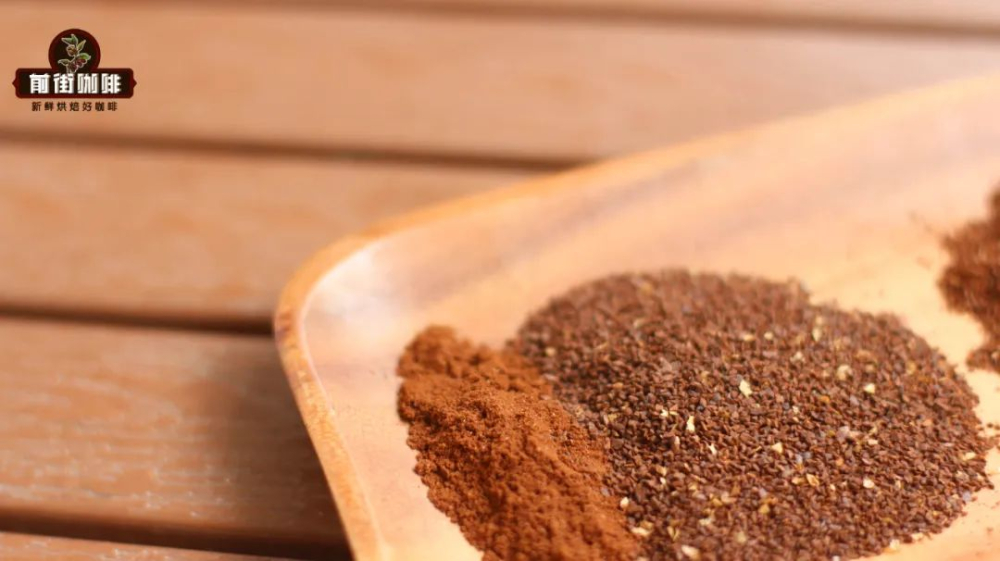
To brew coffee with an ideal flavor layering isn't actually complicated. Taking Front Street's commonly used three-pour method as an example, after blooming ends, first use a steady, vertical, large stream, keeping a distance of 3–4 cm from the liquid surface while circling evenly to wash the coffee bed, expanding clockwise from the center outward, until the scale reads 125 grams.
As the liquid level rises, fewer and fewer coffee grounds cling to the filter paper. When the water level drops to the halfway point, switch to circling in concentric circles at 1/2 the radius of the liquid surface, pouring gently with a small stream from a height of 2 cm.
5. The coffee's finish always carries a smoky or charred note
In cupping, smoky and charred flavors are usually considered negative, score-deducting flavors. They often appear in over-roasted coffee beans, and on the palate feel like burnt wood giving off a smoky-gun sensation. In home brewing scenarios, however, these flavors mostly come from failing to find the right parameters when brewing dark-roast beans, leading to over-extraction.
As you probably know, dark-roast beans are heated longer, and their cellular structure has become very loose; when grinding with a hand grinder, you can feel them easily crushed into powder. You can imagine that under the wash of high-temperature water, roast-related flavor compounds are released more readily, and with the slightest carelessness it turns into a cup of "Cantonese herbal tea." Therefore, to avoid over-extraction, when setting brewing parameters you should avoid excessively high water temperatures and overly fine grinding.
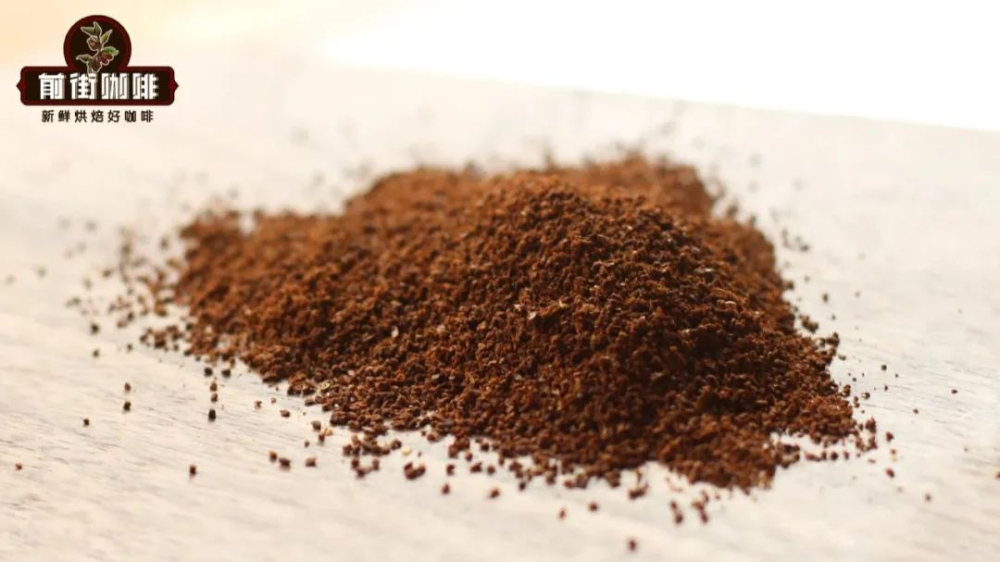
Front Street recommends that when brewing dark-roast beans, it's best to lower the water temperature to the 86–88°C range, use a grind as coarse as granulated sugar (70% passing rate on a No. 20 standard sieve), slow down the circling speed when pouring, and keep the motions as gentle as possible. This way you can avoid a smoky taste in the coffee while still retaining a good body.
- END - Front Street Coffee
No. 10 Baoqian Street, Yandun Road, Dongshankou, Yuexiu District, Guangzhou, Guangdong Province
The above content is compiled by CoffeeHunters, a coffee news website.


