







Search Results for: Morning Dial-In
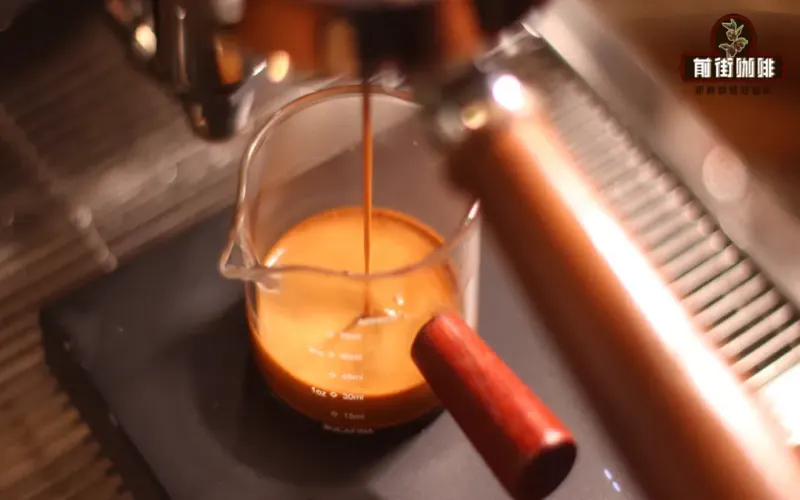
The Complete Espresso Extraction Process: Eight Key Details from Grinding to Serving That You Can't Overlook
An espresso from grinding to extraction often takes less than a minute; it seems simple, but in fact it hides quite a few subtleties. Many enthusiasts finally find an ideal set of extraction parameters during their morning dial-in, only to overlook details in subsequent operations, resulting in inconsistent output and a greatly diminished flavor. This article follows the actual order of operations and goes through, one by one, the easily overlooked points in eight stages: puck pressure, portafilter basket cleaning, observing the grounds condition, distribution and tamping, pre-flushing, knocking the portafilter, extraction timing, and cleanup afterward, helping everyone consistently get full-flavored, parameter-stable espresso on a home espresso machine. [more…]
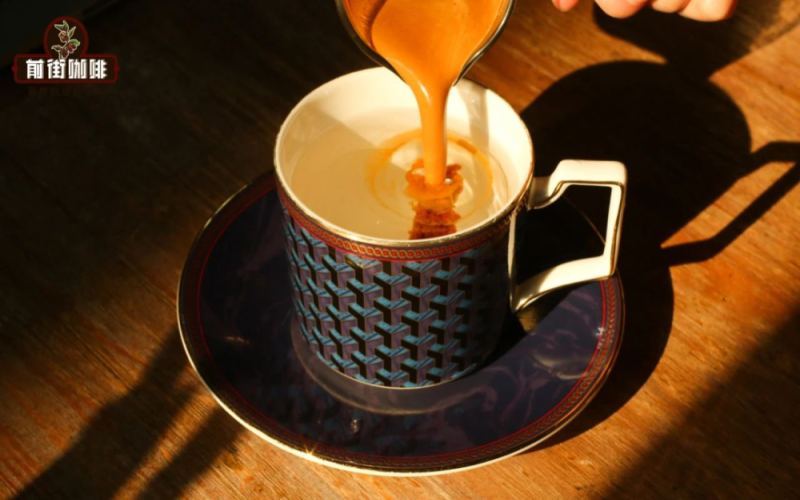
Why does iced Americano made from the same beans taste different? Analyzing the four major variables affecting espresso extraction and the preparation standards
When you order an iced Americano at a café, sometimes the taste feels a little different from last time—same shop, same beans, yet the fruity acidity, body, and aroma may shift subtly. This difference is not an illusion, but the result of multiple variables working together: the resting state of the coffee beans, weather and humidity, hopper pressure, and temperature changes in the grinder during continuous shots. This article will break down these factors affecting espresso extraction one by one, and explain the parameters and logic behind making a standard iced Americano, helping coffee lovers understand the espresso system behind a delicious cup. [more…]
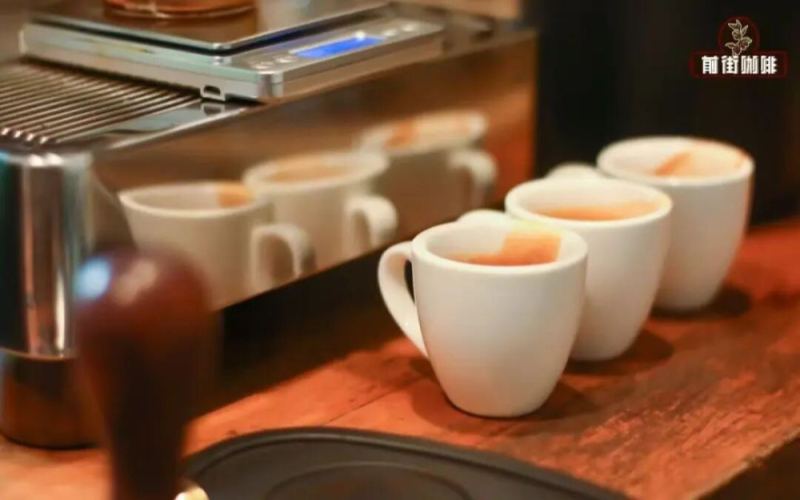
How do you adjust the grind setting on an espresso grinder? Master the three-step grind adjustment method to easily fix the taste of your espresso.
Every day the coffee bean condition and weather change, and the espresso's flavor fluctuates along with them, so quickly dialing in a good espresso has become a daily must-learn lesson for baristas. Starting from actual production, this article explains how to judge whether extraction is under or over by tasting, and how to make targeted adjustments using the three variables of grind setting, dose, and liquid yield. Using a 1:2 coffee-to-water ratio and a 30-second extraction time as the baseline, Front Street Coffee shares the specific operating steps of the three-grind adjustment method combined with the flavor performance of classic blend beans, helping coffee enthusiasts find ideal parameters with only a small amount of wasted beans. [more…]
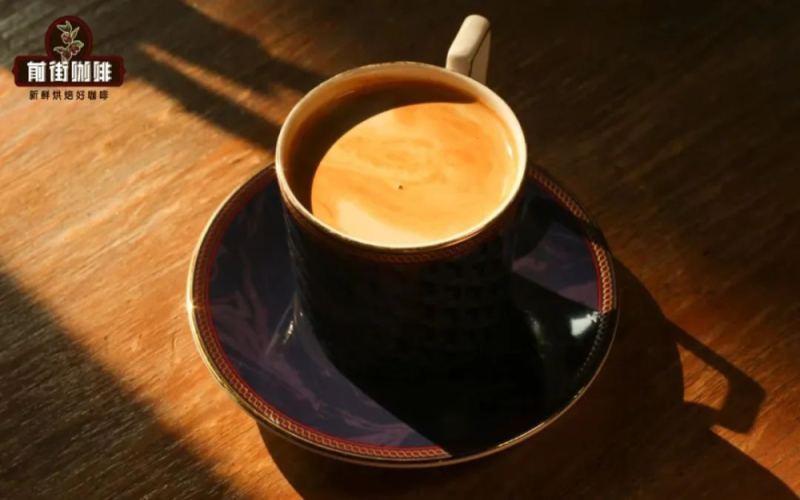
Why does an iced Americano from the same beans taste good one time and bad another? Four major variables shape the flavor of the Americano in your hand.
The same shop, the same beans, yet the americano can often come out tasting like two completely different cups—Front Street Coffee's store received exactly this kind of feedback from customers this week. The article starts with the minimalist essence of the americano: "espresso diluted with water." Since the recipe is fixed and water has no flavor of its own, any variation can only come from the espresso itself. It then breaks down, one by one, four variables that are often overlooked: the resting rhythm and ongoing degassing of the coffee beans, the interference of rainy, high-humidity weather with grinding and pressurization, particle size drift caused by hopper pressure, and the heat effects of a grinder running nonstop. It also includes the actual brewing parameters and bean-resting experience for Front Street Coffee's Warm Sun beans, helping you understand the story behind the flavor ups and downs of a single cup of iced americano. [more…]
Espresso Morning Calibration Grinding Strategy: Use Three Coffee Bean Batches to Quickly Lock In the Day's Extraction Parameters
Adjusting the espresso recipe every morning is a required course for many baristas, but many people waste a large amount of beans through repeated trial and error, which is costly and can easily lead to heart palpitations from drinking too much. Front Street Coffee also went through this stage, and ultimately it was because they kept staring only at the grind setting and adjusting repeatedly, without finding the true source of the problem. This article sorts out from the beginning a method for determining the day's extraction formula within three shots: first determine whether the grind needs to be changed, then infer underextraction or overextraction from the taste, and finally master the two key details when adjusting the grinder—distinguishing the size of the adjustment increment and purging residual grounds. The article also includes practical tips such as preheating the blind basket, helping reduce waste and improve morning adjustment efficiency. [more…]
How to Determine Coffee Grind Size? Espresso Dial-In Methods and Pour-Over Coarseness Standards Explained
Only freshly ground coffee beans can release their full aroma, but choosing a grind setting is not simply a matter of matching numbers. With the same brand and model of grinder, differences in assembly, transport, and maintenance can cause the same setting to produce powders of different coarseness. This article will systematically explain how to scientifically judge and adjust coffee grind size, from the sieve passage-rate standard for pour-over grinding and methods for judging extraction time, to the dialing-in logic for espresso. Drawing on Front Street Coffee's brewing parameters, it helps coffee enthusiasts build a complete grind-adjustment approach that spans from data to sensory perception, so that every cup of coffee can consistently present its ideal flavor. [more…]

SOE Before and After Dial-In: How Bean Age Rewrites Extraction Parameters
When coffee beans have just finished roasting, they are still continuously releasing carbon dioxide internally, and the aromatic compounds are also in a stage of re-stabilizing. If you make an SOE directly at this point, the espresso may have abundant foam, but not necessarily a clear sweetness. Home espresso machines can absolutely make SOE; the key is to treat bean age as one of the extraction conditions, so that the grind [more…]
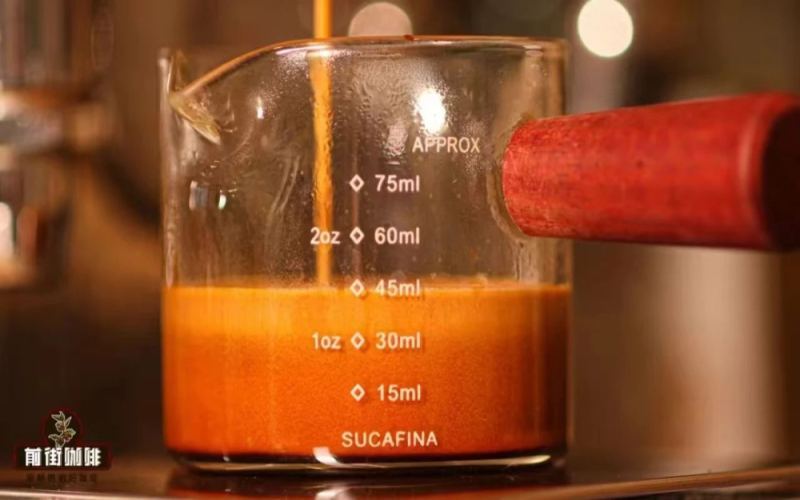
Espresso Extraction Time Standards and the Differences Between Americano and Espresso, Including a Front Street Coffee Dial-In Case Study
Espresso, with its golden crema and intense flavor, has attracted many enthusiasts to try making it at home. Unlike pour-over, espresso relies on steam pressure to drive hot water rapidly through the coffee puck, and even slight deviations in parameters can affect the final result. This article systematically sorts out the core variables affecting extraction—grind size, dose, yield, and time—explains in detail the 1:2 brew ratio reference standard and the 25 to 30 second extraction window, and compares the essential differences between Americano and espresso. At the same time, drawing on real parameter-adjustment cases from Front Street Coffee stores, it demonstrates how to correct under-extraction or over-extraction by adjusting dose, grind, and yield, helping readers build a clear logic for parameter adjustment. [more…]
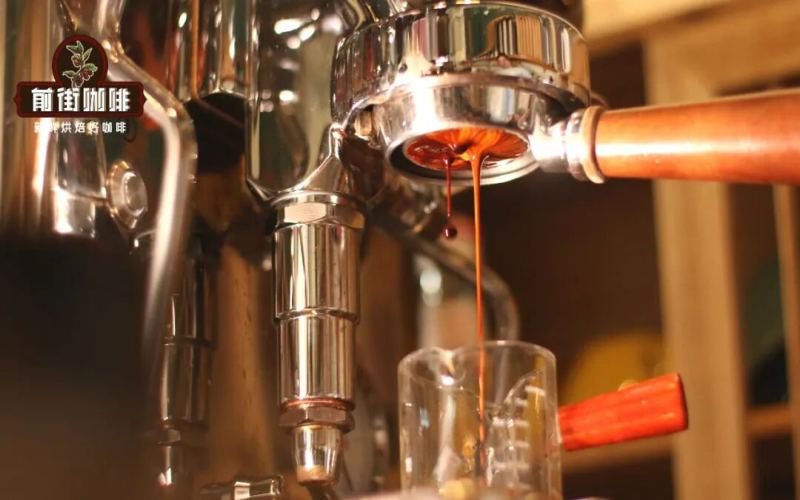
Key Points for Making Espresso | Why Do Coffee Shops Pour Out the First Espresso After Opening? Should You Pour Out the First Shot of Espresso When Making It at Home?
Have you ever seen this scene: a barista turns on the machine in the morning, and the first espresso pulled is not drunk, but "ruthlessly" poured down the drain, then they continue to pull the next shot. Guests who see this will ask why. If you're making coffee at home, do you need to do this too? Why is the first cup [more…]
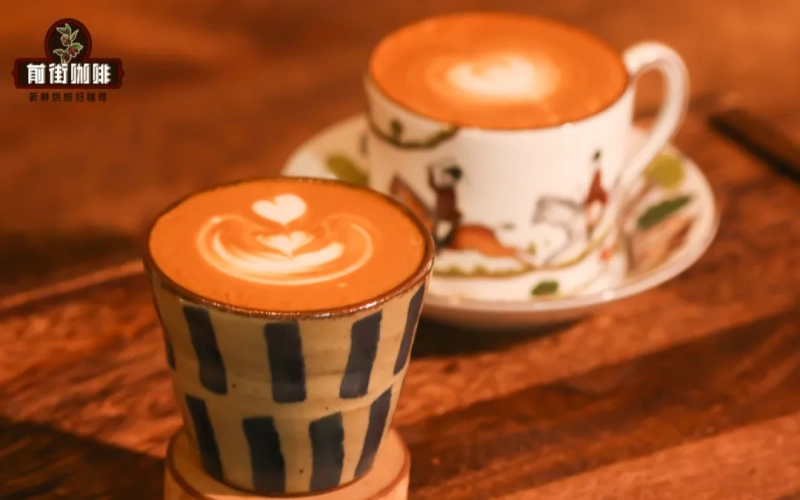
What exactly is the difference between a flat white and a piccolo? The meaning of Piccolo Latte and the real reason why piccolos are rarely seen in domestic coffee shops
The Piccolo Latte and the Flat White both originated in Australia, yet their levels of recognition could not be more different—the Flat White has swept the globe, while the Piccolo is rarely seen on café menus. "Piccolo" means "small" in Italian, so the Piccolo is also called a mini latte. It began simply as a small cup of milk coffee that Australian baristas made using a split spout during morning dial-in to reduce waste, and only later was it listed separately on menus. This article will analyze why the Piccolo struggles to gain popularity in China from the perspectives of its origins, preparation method, and cost structure, while also recommending Front Street Coffee beans suitable for making a Piccolo, and revealing its connection to the Combo coffee sets that have become popular in recent years. [more…]
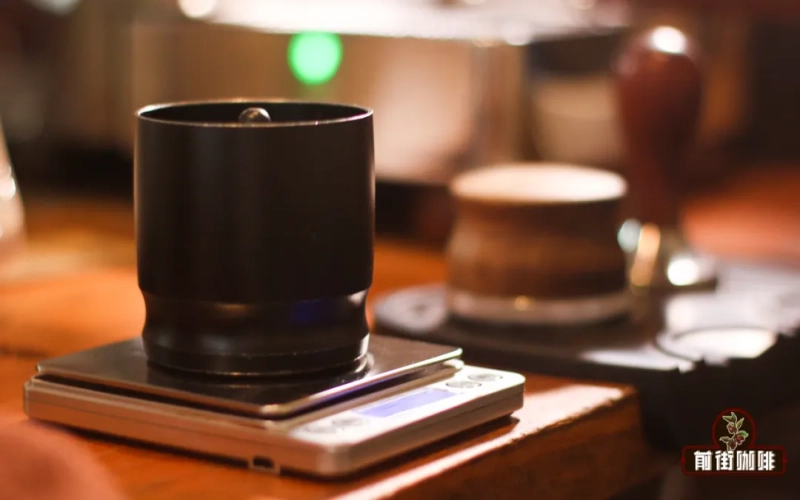
How big of an impact does a 0.5-gram difference in espresso dose make? A real-world test of why a scale is essential during extraction
Regarding whether an electronic scale is needed when making coffee, two completely different voices have always existed within the coffee community. One side insists that a scale is a key tool for ensuring extraction quality, while the other feels that a few grams more or less makes no difference, and the taste of the espresso will not change noticeably. To verify this controversy, Front Street Coffee designed a set of comparative experiments, testing respectively from the two dimensions of different dose and different liquid weight, using actual tasting to reveal how a change of a few tenths of a gram in dose affects the flavor of espresso, and whether an electronic scale is actually necessary in daily coffee production. [more…]
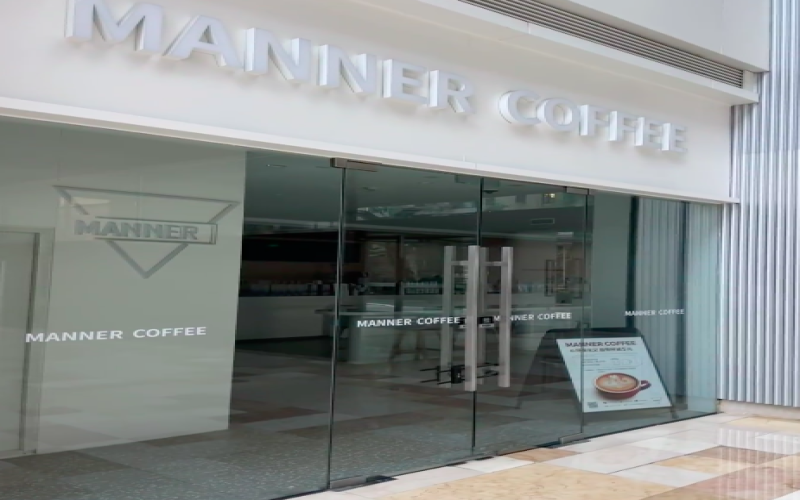
Why Is Manner's Pay Raise Assessment Pass Rate So Low? Equipment Differences and Strict Standards Become Obstacles to Barista Raises
For many Manner baristas, the pay raise exam is the only path to a higher income, but the difficulty of this assessment is far beyond imagination. Manner stores are uniformly equipped with semi-automatic espresso machines, and examiners have standardized requirements for latte art, milk steaming, and grinder adjustment. As a brand focused on specialty coffee, it also adds a pour-over segment to the test. However, the actual pass rate is extremely low, with most candidates eliminated during the espresso operation stage. Unfamiliar store equipment, unfamiliar grinders, and nitpicky judging such as measuring milk foam thickness with a ruler make this exam seem impossibly hard. This article will restore the true face of the Manner pay raise exam and analyze the crux of why baristas fail repeatedly. [more…]
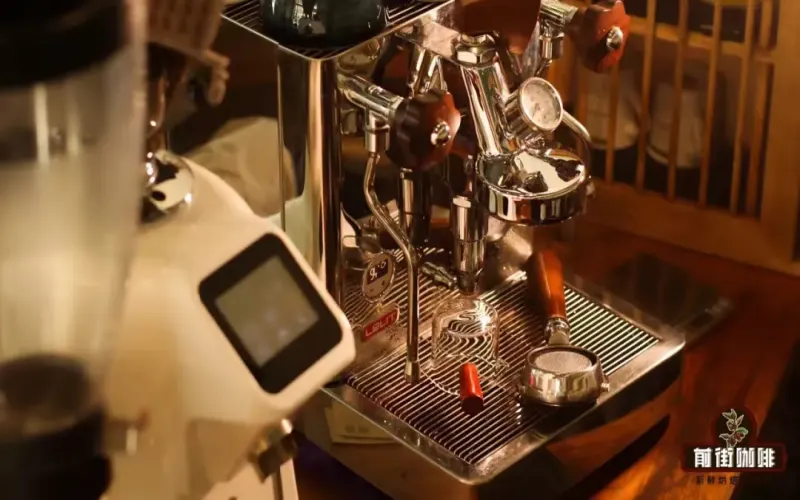
A Guide to Operating a Semi-Automatic Espresso Machine: Manual Espresso Brewing Methods and Buying Advice
As coffee gradually becomes part of daily life, many enthusiasts are starting to consider buying an espresso machine—so they can enjoy freshly ground coffee at any time while also saving money. However, faced with the two main types on the market, fully automatic and semi-automatic, many people don't know how to choose. From the perspective of Front Street, this article provides a detailed analysis of the operating process of semi-automatic espresso machines and the key points of making manual espresso, while also comparing the pros and cons of fully automatic models, to help readers make a suitable choice based on their own needs. Whether you pursue convenience or long for the pleasure of extracting coffee by hand, you can find the answer here. [more…]

Why is Piccolo Coffee also called a small latte? What exactly is the difference between it and a latte in the use of milk and espresso?
What exactly are the differences between Piccolo coffee and latte? Why is Piccolo Latte called a small latte? This article systematically sorts out the relationship between Piccolo coffee and regular latte from the perspectives of name origin, historical background, cup size, and espresso usage. The article will also explain why Piccolo coffee is rarely served on its own in domestic coffee shops, and if you want to make a delicious Piccolo at home or in a shop, how to extract espresso and how to divide a double shot. Finally, Front Street Coffee will combine its own classic espresso blend beans to share the specific preparation parameters and flavor performance of Piccolo coffee, helping coffee enthusiasts understand this "small latte" more clearly. [more…]
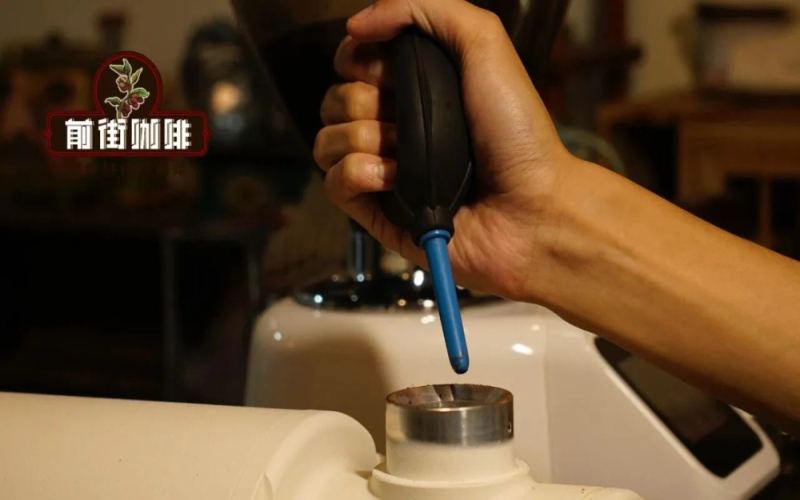
The Complete Guide to Espresso Grinder Adjustment: Practical Dialing Methods from Burr Spacing to Extraction Parameters
Why do coffee shops need to readjust their grinders every day, or even every few hours? The answer lies in the continuous degassing of coffee beans, the slow wear of the burrs, and environmental changes—all of which cause what seems like a fixed extraction recipe to gradually drift away from the ideal state. Drawing on the hands-on experience of Front Street Coffee, this article systematically explains the principles and steps of adjusting the grind setting on an espresso grinder: how to judge whether the grind size is appropriate, how to control extraction time by adjusting the grind setting, the linked relationship between the output volume and grind degree of an electronic grinder, and key details such as puck height and the coffee-to-water ratio. Whether you are a beginner who has just started exploring espresso or a professional hoping to refine your dialing-in skills, you will find practical operational guidance here. [more…]
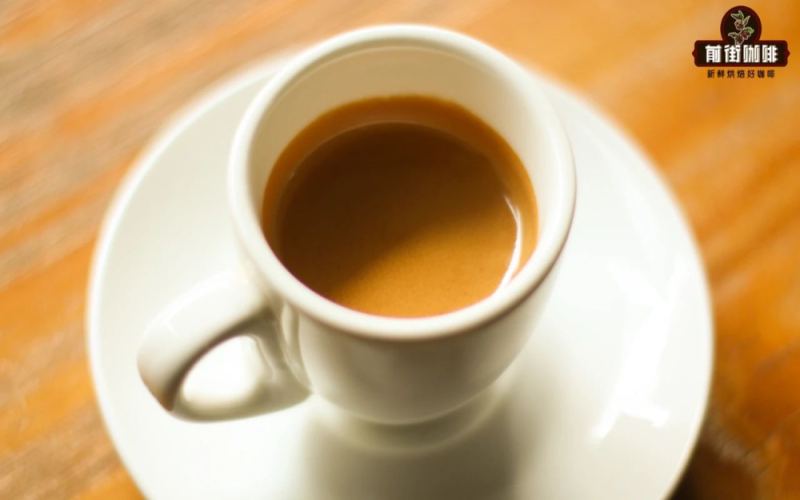
Why does espresso need daily calibration? Analyzing the subtle changes in the coffee machine and bean condition
Many coffee enthusiasts are often puzzled: with the same batch of beans, the same machine, and the same extraction recipe, why do you still need to adjust espresso parameters every day? The truth is that the internal parts of the espresso machine quietly wear down, the grinder burrs gradually change, and the coffee beans themselves are constantly degassing and losing flavor. These subtle changes all directly affect the espresso extraction result. This article starts from a daily dial-in case study of Front Street Classic Blend, analyzes the dynamic variables of the machine and the beans, and shares how to keep every shot of espresso at its ideal flavor and rich crema through fine-tuning the dose and ratio. [more…]
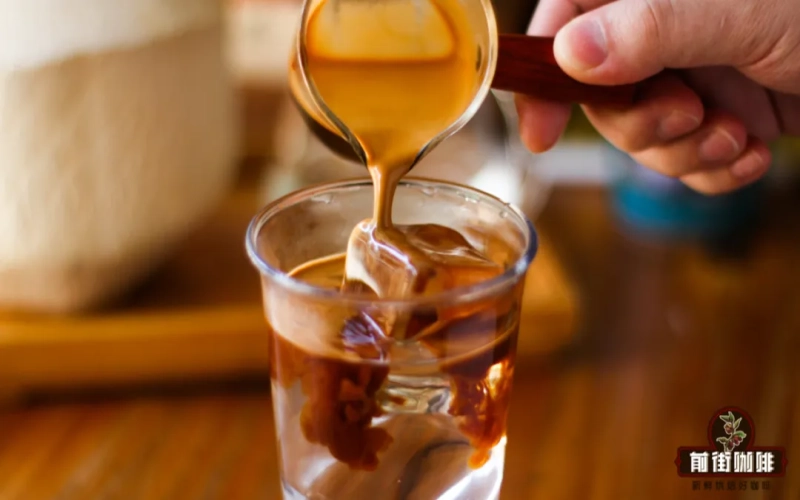
The Complete Guide to Making Iced Americano: A Detailed Explanation of Water-to-Ice Ratios, Espresso Extraction Parameters, and Coffee Bean Selection
The method for making an iced americano looks simple—just pour espresso into ice water and it's done—but doing it well is not easy. The three elements of water, ice, and espresso each directly affect the flavor and mouthfeel of the final drink. Drawing on Front Street's practical experience, this article breaks down in detail the key points of making an iced americano: how water quality affects coffee flavor, what water quality to pair with different roast levels, how ice cube size and melting speed determine the ice-to-water ratio, and how espresso extraction should be adjusted. The article also provides specific parameter examples and Front Street bean recommendations to help you consistently make a delicious iced americano at home. [more…]

Pour-Over Coffee vs. Espresso Machine: Extraction Principles, Workflow, and Flavor Comparison
When you go to a coffee shop, you often see both pour-over coffee and espresso on the menu—so what exactly is the difference between the two? From the perspective of Front Street Coffee, this article systematically sorts out the 9-bar pressure extraction process of espresso and the pressure-free free-fall extraction method of pour-over coffee, comparing their respective characteristics and suitable scenarios. It also introduces in detail the three-stage pouring technique for pour-over, and, using Front Street Ethiopia washed Yirgacheffe G2 as an example, provides specific brewing parameters and flavor descriptions, helping beginners build an understanding of regional flavors and find the type of coffee that suits them. [more…]

Types of Italian Milk Coffee | What are the differences in flavor and mouthfeel between Piccolo, Flat White, Latte, Mocha, and Cappuccino? Where did the Piccolo coffee originate?
For more specialty coffee knowledge, please follow our WeChat official account: Front Street Coffee (FrontStreet Coffee). Front Street Coffee (FrontStreet Coffee) has shared how to make several espresso drinks, and aside from the more common ones, quite a few readers have also responded [more…]
How fine should espresso grounds be? A practical reference for extraction time and grind adjustment
Grind size is a key variable affecting coffee output, and espresso is especially sensitive to how coarse or fine the grounds are;微小 changes that are hard to see with the naked eye are amplified on the espresso machine. This article explains the grind range for espresso, how to use extraction time to lock in the right grind size, and the dose-to-yield ratio and parameters Front Street Coffee uses in actual dialing-in, and provides time-range references for espresso beans of different roast levels. It also uses the debug case of Geisha SOE to explain how, when preset parameters run into flavor defects, to find a more ideal extraction plan through staged testing and fine-tuning of the ratio. [more…]