







How Much Water Does an Iced Americano Need?
An iced Americano comes down to three parts: water, ice and espresso. Water quality still shapes the taste even though most of it never touches the extraction, because hardness changes how solubles release. Ice cube size and melting speed set the ice-to-water balance, and the espresso parameters need adjusting to match the dilution you choose.
The practical approach is to fix the ratio first, then tune the materials. Ice melting slowly keeps the drink from turning watery too fast, while a coarser or finer grind shifts how bitter or sweet the shot reads. Working from set parameters lets home brewers repeat a consistent iced Americano instead of guessing each time.
The method for making an iced Americano seems simple—just pour espresso into ice water and it's done—but doing it well is not easy. The three elements of water, ice cubes, and espresso each directly affect the final taste and mouthfeel. Drawing on Front Street Coffee's hands-on experience, this article breaks down in detail the key points of making an iced Americano: how water quality affects coffee flavor, what water quality to pair with different roast levels, how ice cube size and melting speed determine the ice-to-water ratio, and how espresso extraction should be adjusted. The article also provides specific parameter examples and Front Street Coffee bean recommendations to help you consistently make a delicious iced Americano at home.
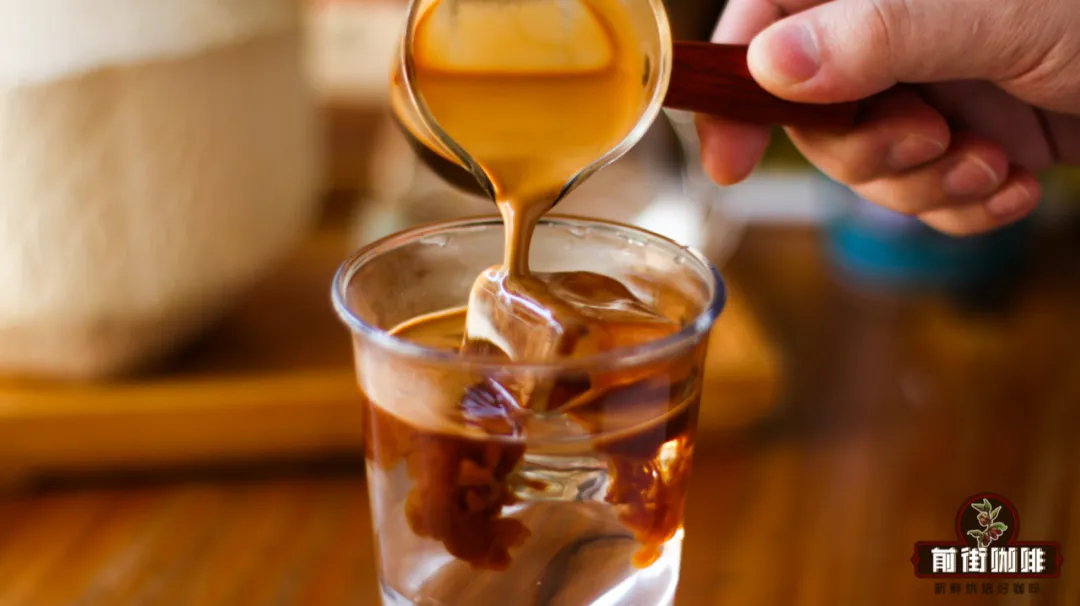
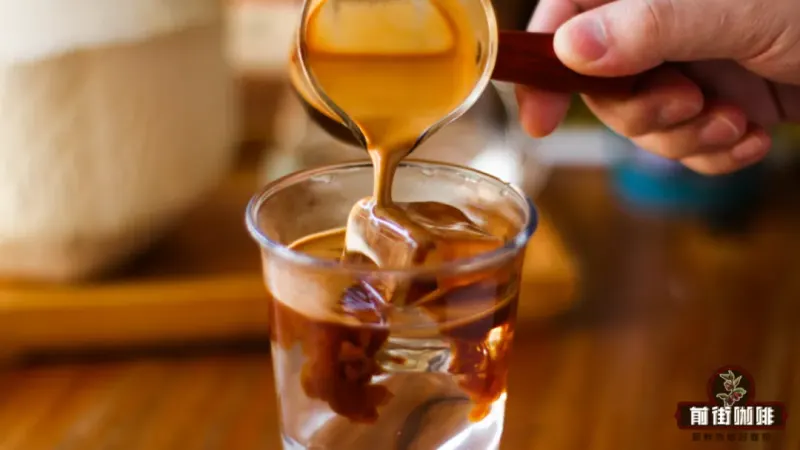
Making an iced Americano is not complicated at the operational level: pour the extracted espresso directly into pre-prepared ice water, and an iced Americano is done.
However, as Front Street Coffee has always emphasized, making it is easy, but making it taste good is another matter of expertise. Although an iced Americano involves only ice water and espresso, what materials you choose and what ratio you use will directly affect the final flavor.
The ratio determines how strong or weak the coffee is, while the materials influence the direction of the coffee's taste and its mouthfeel. Therefore, to make a good iced Americano, you must put effort into both the ratio and the materials. Today Front Street Coffee will talk with you about what details are worth paying attention to in order to make a satisfying iced Americano.
I. Water
Everyone knows that during coffee extraction, water hardness changes how soluble substances are released, which in turn affects the coffee's final flavor. So many people are especially particular about water quality when brewing coffee.
The same principle actually applies to Americanos. Although most of the water in an Americano does not participate in the extraction process, it still affects the coffee's taste and mouthfeel.
This is not hard to understand. Just as we can usually taste the difference between different bottled waters, when the water source and water quality differ, the sensation of each water on the palate is noticeably different: some water is smooth, while some has a puckering feel...
Setting extraction aside, an Americano needs a large amount of water to dilute the concentration of the espresso, so the texture of the water is directly reflected in the coffee and affects both mouthfeel and taste. Front Street Coffee once compared Americanos made with different brands of water, and the differences were indeed obvious. Taking C'estbon and Nongfu Spring as examples, the Americano made with C'estbon had more prominent sweetness, while the Americano made with Nongfu Spring was softer and had higher body.
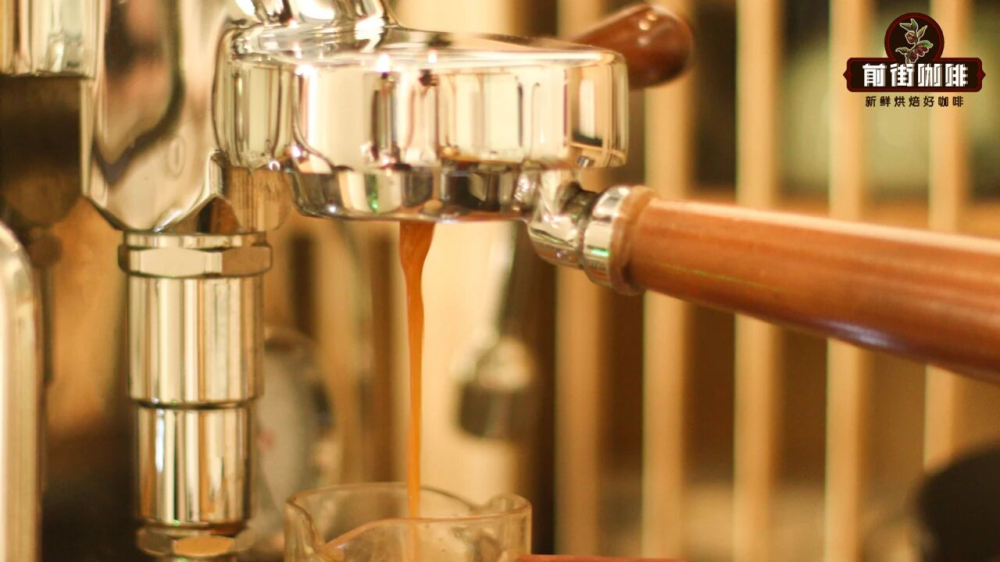
So when making an iced Americano, if you want to take the overall quality of the coffee up another level, you can make a choice about the water source. As for how to choose, you can decide based on your own taste preferences and the coffee beans you use—after all, everyone's preferences are different.
Of course, there are also ready-made formulas you can apply. A relatively popular approach online right now is to choose water based on the roast level of the coffee beans: for medium-dark roast or dark roast beans, pair with water below 100 ppm to make an Americano; for medium-light roast or light roast beans, use water in the 100–200 ppm range.
II. Ice Cubes
Recently Front Street Coffee has often talked with you about the impact of ice cube quality on coffee. The size and hardness of ice cubes determine how quickly they melt, and this is exactly what must be considered when making an iced Americano. That is because as the ice melts, it both lowers the coffee's temperature and dilutes its concentration at the same time.
Simply put, we need to determine the ratio for making an iced Americano based on how fast the ice cubes melt. An example makes this easy to understand: smaller ice cubes or those with lower hardness usually melt faster. If you use this kind of ice to make an Americano, you can appropriately add more ice and reduce the proportion of water. This way, the freshly made iced Americano will be strong enough, and as the ice gradually melts, the concentration will quickly fall back to a normal level.
Suppose Front Street Coffee uses 20 g of grounds when making an iced Americano and extracts 40 ml of coffee liquid in 30 seconds, paired with smaller ice cubes that are not hard enough. Then the amount of ice should be about 120 g (or even more), while the water should be controlled at 130 ml (or even less). This ratio will make the freshly made iced Americano relatively strong, but because the ice melts quickly, the concentration will level out after a while.
Conversely, when the ice cubes are larger and harder, they usually melt more slowly. If you use this kind of ice, you do not need to worry about it quickly melting and diluting the coffee in a short time, so the initial concentration of the Americano naturally does not need to be set so high. Specifically: compared with the parameters above, reduce the amount of ice and increase the proportion of water.
Take Front Street Coffee again as an example: the ice cubes Front Street Coffee uses are of the slower-melting type. So when making an iced Americano, Front Street Coffee puts in 3 ice cubes weighing about 90 g, along with about 160 ml of water. The Americano made with this ratio is strong but not overpowering, and very pleasant to drink. Because the ice melts slowly, from the first sip to the last, the coffee's concentration and taste do not fluctuate much. You may even see leftover ice cubes in the cup after you finish drinking it.
The examples above are for your reference only, because everyone uses different coffee beans, extraction environments, and taste preferences, so the ratio needs to be adjusted according to your own coffee. You can also try the formulas Front Street Coffee gave above to see whether they suit your taste.
It is worth mentioning that melted ice is essentially water. So the water quality used to make the ice cubes can also be given some attention~ As for whether it is necessary, that varies from person to person.
III. Coffee
The choice of coffee beans determines the flavor direction of the Americano. Americanos made with medium-roast beans tend to be sour, fresh, and lower in oils; you can choose Front Street Blackberry SOE or Front Street Strawberry Candy, which have prominent sweetness and let you experience both floral and fruity flavors at the same time. Americanos made with darker-roasted beans are richer, with bitterness and more oils; the top choices are Front Street Classic Blend and Front Street Dark Cocoa Blend, whose nutty aroma pairs with a full-bodied mouthfeel to wake you up immediately after drinking.
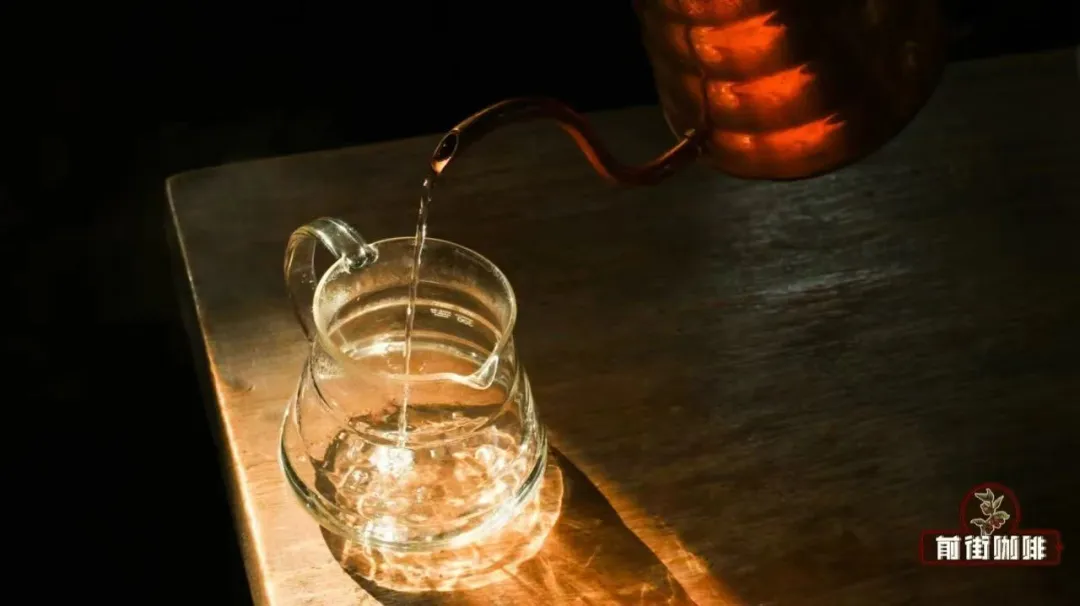
Compared with lattes, Americanos can be more "free" in how they are made. By free, Front Street Coffee mainly means the espresso extraction stage. That is because with an Americano you do not need to worry about whether the concentration of the espresso base will affect the taste—after all, you can adjust it by changing the amount of water added. So the espresso used for an Americano can have fewer extraction restrictions.
When extracting the espresso used for an Americano, you only need to grasp one core point: dissolve as much coffee material as possible. Provided there is no over-extraction, the more coffee material is dissolved, the more fragrant and rich the coffee we drink will be.
Take Front Street Classic Italian Blend coffee beans from Front Street Coffee's bean list, which are known for rich oils, as an example. To also accommodate latte preparation, Front Street Coffee always adjusts during morning dial-in according to the golden ratio of 1:2. The espresso extracted at this ratio has aromas of hazelnut, dark chocolate, and cream, and both the Americano and latte made with it taste very good.
But for an iced Americano, the extraction can be pushed a bit higher. That is because low temperature reduces the palate's perception of bitterness, so even if the extracted coffee is a little more bitter, it will not show too obviously; instead, it can give the coffee a richer aroma and taste.
With parameters such as grind size and dose unchanged, Front Street Coffee will adjust the brew ratio to 1:2.2 to increase the espresso extraction yield, that is, extract 44 g of liquid from 20 g of coffee grounds, 4 ml more coffee liquid than before, with the time correspondingly extended by 2 seconds.
After making an Americano by adding water to espresso produced this way, although the overall flavor performance does not change much, the coffee's aroma and taste are both more prominent, especially the aftertaste, which can clearly be felt to last longer.
That is all for this article. Combine the three points above, and you can easily make a delicious iced Americano~
The above content is compiled by CoffeeHunters, a coffee news website.


