







For more coffee origin information and coffee knowledge, please followCoffeeHuntersToutiao account
Front Street Coffee (FrontStreet Coffee) has shared how to make several espresso drinks. Besides the more common ones, quite a few friends have asked about less common coffees like Piccolo and piccolo latte. So today, let's share how to make a "trendy" piccolo latte.
What is a piccolo latte?
Piccolo latte — in Italian, "piccolo" means small, and "latte" means milk (i.e., latte). Since "piccolo" also means "short flute" in English, the name piccolo latte came about. Traditional piccolo coffee is made with 15-20 ml of espresso added to steamed milk. Nowadays, people generally pour the coffee into a 100 ml specialty glass to drink.

The "origin" of piccolo coffee was not for cafe service
If the origin of flat white is highly disputed, then piccolo was unequivocally born in Australia. It is said that it was invented by baristas to reduce ingredient waste.

When dialing in coffee beans, it is generally divided into two stages: espresso and milk coffee. The former is to experience the bean's own aroma, and the latter is to test whether the flavor is masked after pairing with milk. If every dial-in were made at the formal serving specification, it would be easy to consume too much caffeine, and it would also seem wasteful to pour out what cannot be finished. So they used a split portafilter to divide one espresso into 2 shots: one shot tasted directly, and the other shot added with a small amount of steamed milk to make a small latte to drink. In addition, sometimes when new beans are launched, baristas would also extract espresso and make this mini milk coffee to let regular customers have a taste. Over time, this small latte also began to enter the serving lineup and was named "Piccolo Latte" by Australian baristas.
How to make a piccolo latte?
A piccolo latte is more like a scaled-down version of a latte. The cup is small, the capacity is small, and there is less coffee and milk than common espresso drinks. You need to extract 15 to 20 grams of ristretto espresso, paired with 4 times the milk.
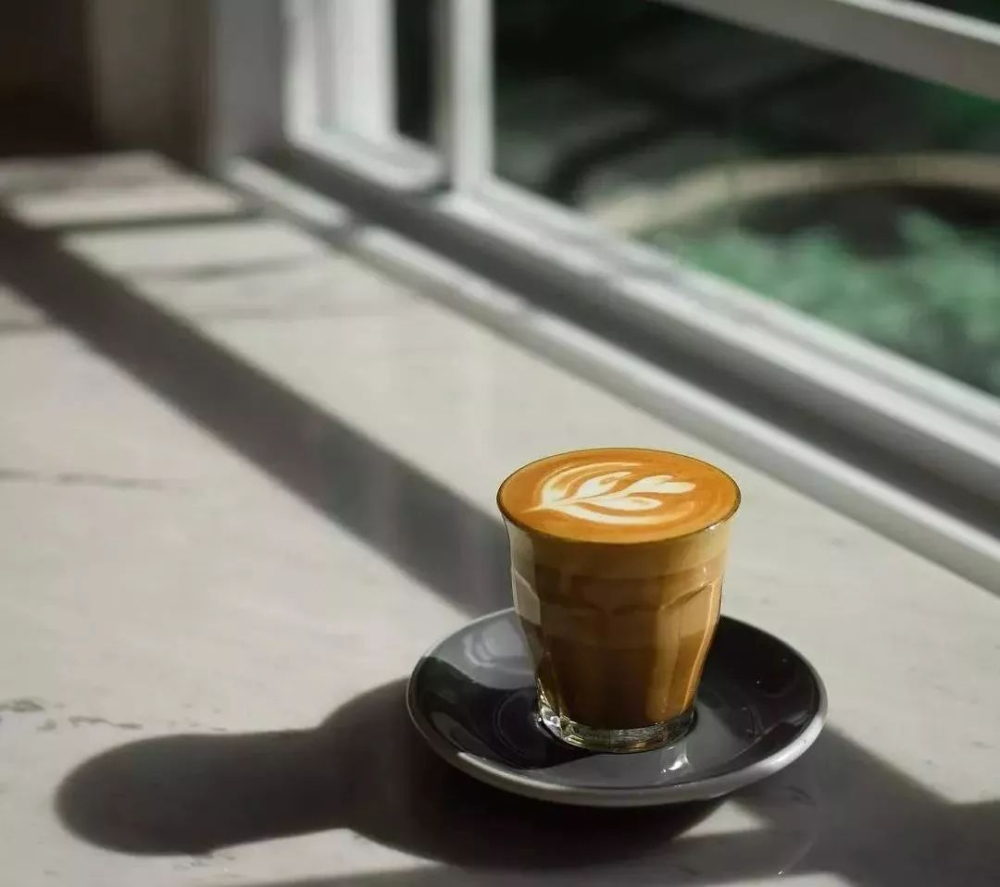
Because Front Street Coffee (FrontStreet Coffee) does not serve piccolo latte, there is no dedicated 100 ml glass. Today's demonstration will use a 150 ml cup, extracting 30 grams of ristretto espresso and pairing it with 120 grams of milk, with a coffee-to-milk ratio of 1:4.
Today's piccolo latte is demonstrated using Front Street Classic Espresso Blend coffee beans. The coffee bean information is as follows:

Coffee bean name | Front Street Classic Espresso Blend |
Blend bean sources | Brazil Half Cerrado, Indonesia Mandheling, Vietnam washed |
Blend ratio | 6:3:1 |
Flavor description | Dark chocolate, baked bread, nuts, caramel |
The espresso extraction plan is as follows:
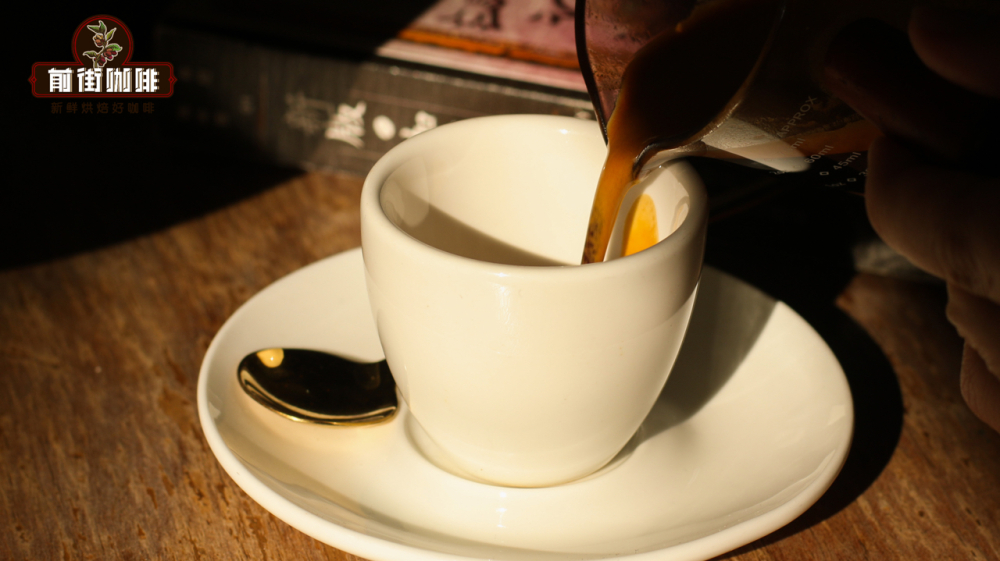
Coffee powder amount | : 18 grams |
Coffee liquid amount | : 30 grams |
Extraction time |
|
How does piccolo latte taste?
Because the coffee-to-milk ratio of piccolo latte is 1:4, the taste of espresso is very obvious when drinking it, and it better highlights the classic caramelized aroma. It tastes much more intense than latte, yet it is not as hard to accept as espresso.In terms of milk foam, it is as smooth as latte. It is neither as thin as flat white, nor as thick and dense as cappuccino. The whole cup of coffee tastes like a milkshake, with obvious dark chocolate and rich nutty aromas, medium sweetness, and a moderate finish.
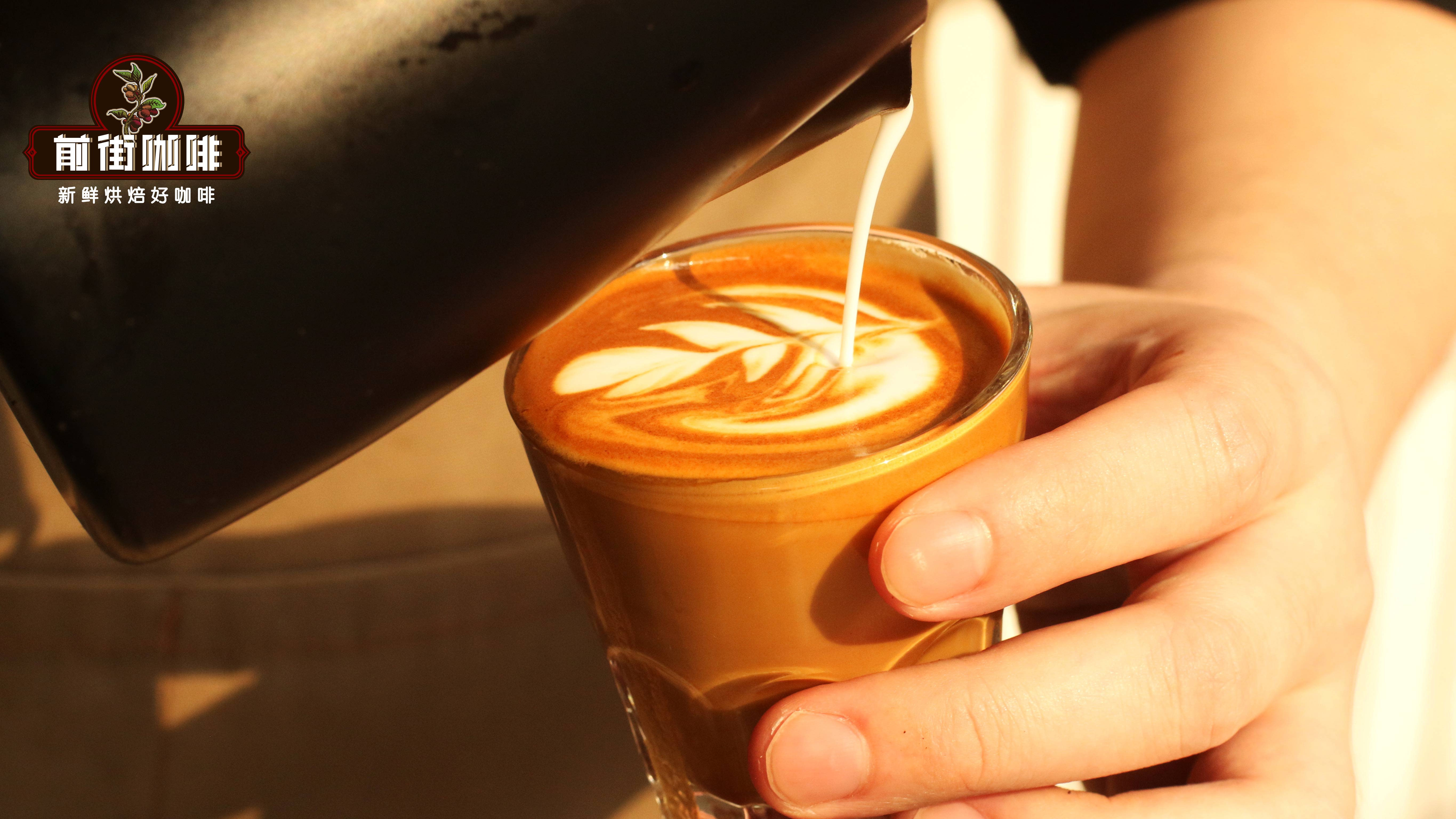
Piccolo latte, piccolo,flat white, and coffee latte differences.
First, their cup volumes are different. Generally, piccolo coffee is 90 ml,flat white150 ml, and latte 250 ml.

Among them, the espresso in piccolo is only the front and middle section of a single shot (single ristretto), flat white is a double ristretto, and latte is a double espresso. Second, their milk foam is different. The milk foam of piccolo (small latte) and latte is relatively thicker than that of flat white (but thinner than cappuccino), while flat white is thinner.

Both belong to the milk coffee family from Oceania, so why is piccolo not as popular as flat white?
In the 1980s, Australians began to putflat white(Flat White) on fixed menus, and soon it spread to cafes in Europe and America. In China, the key reason flat white became a popular hot product is that Starbucks introduced it in 2015 and launched it as a main beverage named "Fu Rui Bai". This also meant that flat white had already become a mainstream drink in the world at that time.
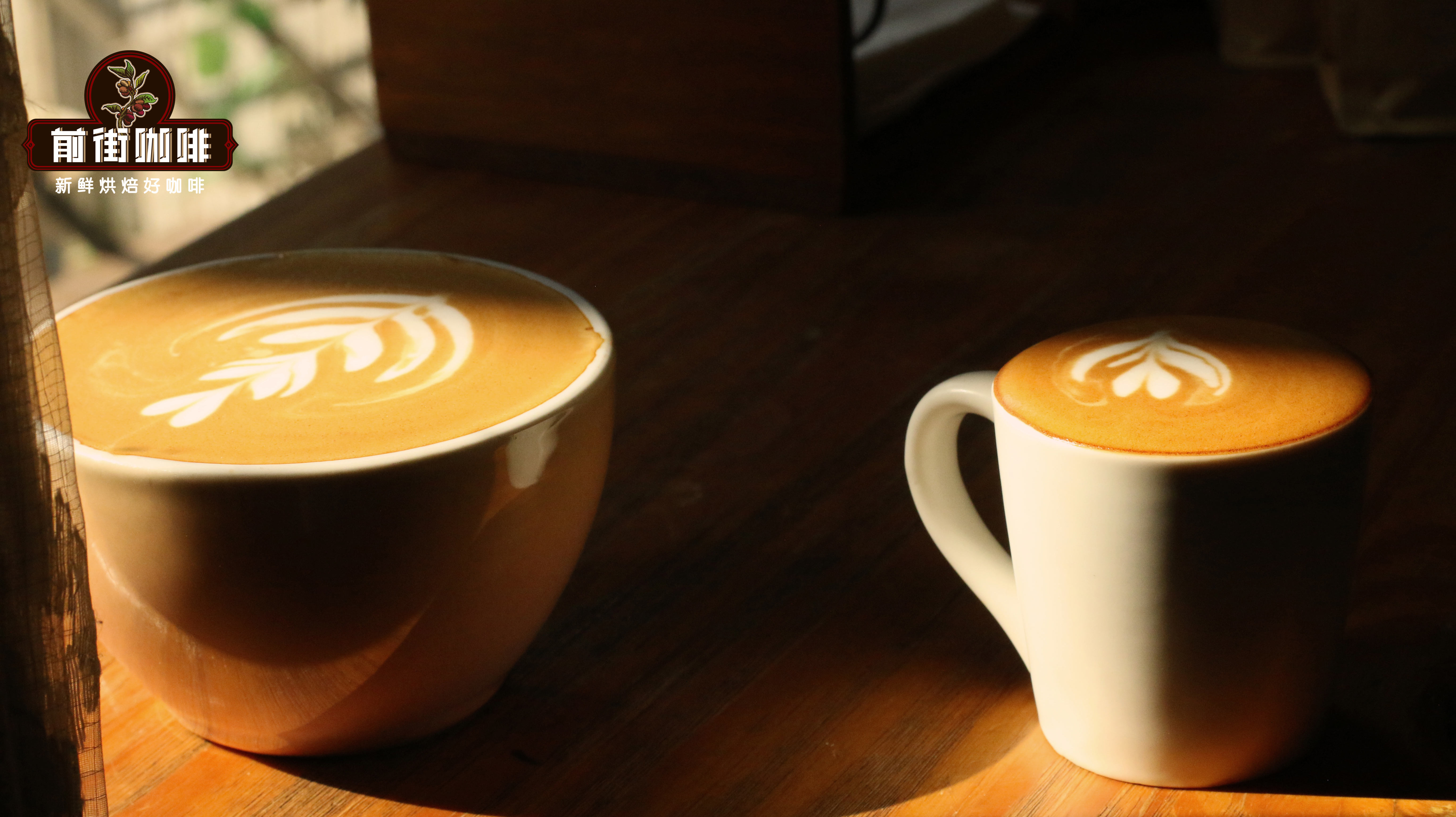
In contrast, the biggest advantage of piccolo coffee is that locals can spend less money to enjoy a silky, rich milk coffee without worrying about the fullness caused by too large a portion. It fits the "quick battle, quick decision" coffee-drinking culture (in Australia, piccolo is cheaper than other milk coffees), which is obviously different from our coffee-drinking habits.
Besides the issue of coffee-drinking habits, the difficulty of serving is also a key reason why piccolo is rare in China. Every time a piccolo is served, steaming only 60 ml of milk in the milk pitcher into silky, dense milk foam is a great test of a barista's skill. Some baristas whose skills are not yet developed reduce the difficulty by adding more milk, but this goes against the original intention of this drink's creation.
For more specialty coffee beans, please add private WeChat Front Street Coffee (FrontStreet Coffee), WeChat ID: kaixinguoguo0925
The above content is compiled by CoffeeHunters, a coffee news website.


