







How Do You Judge the Right Coffee Grind Size?
Grind size should be judged by particle diameter and flow rate, not by the number on the dial. For one to two servings of pour-over, extraction runs about two minutes. By SCA cupping calibration, cupping grind passes a No. 20 sieve at 70 to 75 percent, while pour-over grind is finer, at 75 to 80 percent.
Knowing when to grind coffee beans matters as much as the setting: only freshly ground beans release full aroma, and identical grinder models can behave differently after assembly, transport, or maintenance. Brew time offers a practical check, with a normal one-to-two-serving pour-over finishing between 1 minute 50 seconds and 2 minutes 10 seconds. The guide also covers how long to grind coffee beans for espresso dialing-in.
Only freshly ground coffee beans can release their full aroma, but choosing the grind setting is not simply a matter of matching numbers. With the same brand and model of grinder, due to differences in assembly, transport, and maintenance, the same setting may produce powder of different coarseness. This article will systematically explain how to scientifically judge and adjust coffee grind size, from the sieve pass-through rate standard for pour-over grinding and the method of judging by extraction time, to the dialing-in logic for espresso. Incorporating Front Street Coffee's brewing parameters, it helps coffee enthusiasts build a complete grind adjustment approach from data to sensory perception, so that every cup of coffee can consistently present the ideal flavor.
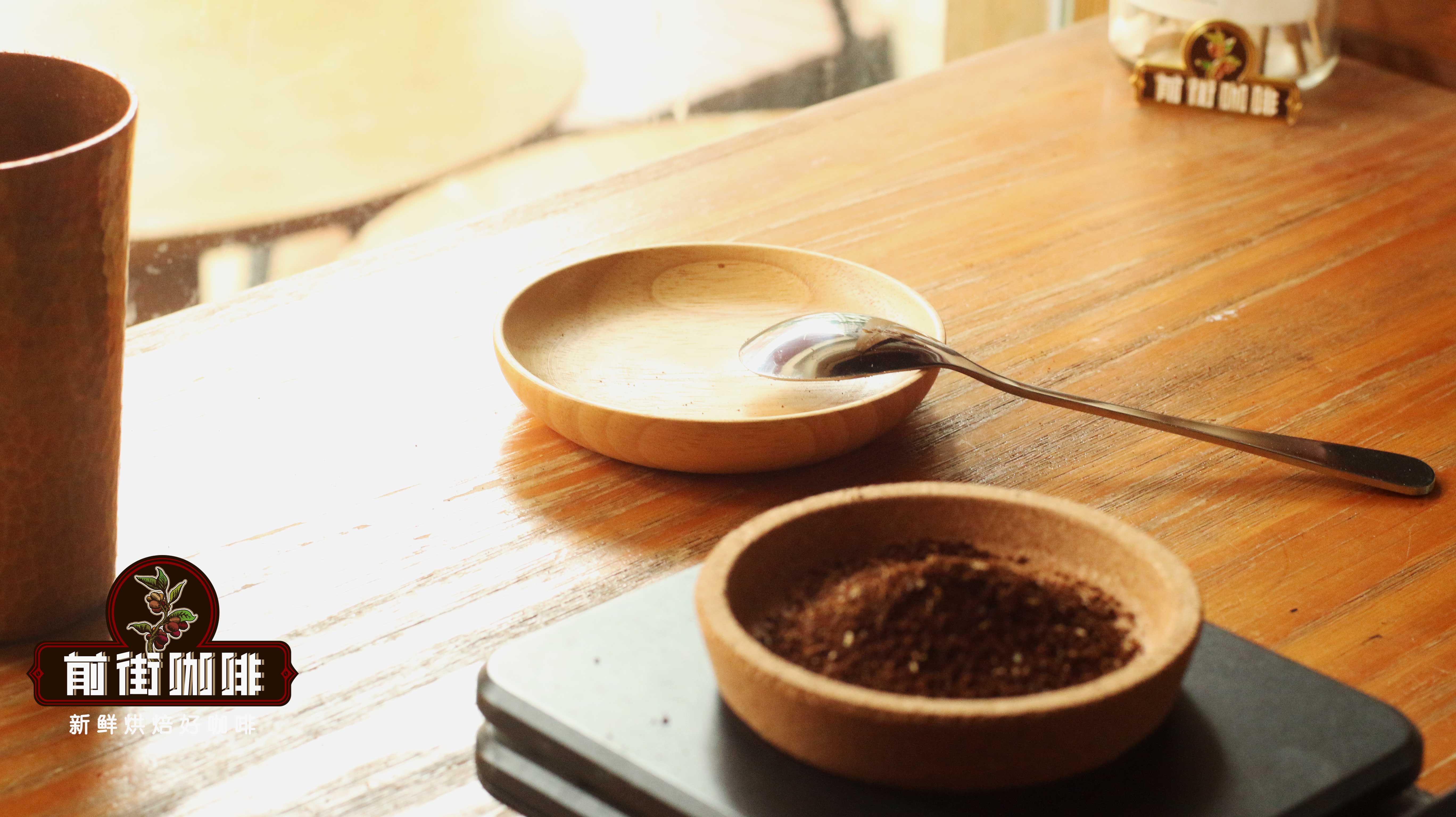
Coffee beans must be freshly ground to fully release their aroma, which is enough to show how great an impact the grinding step has on coffee quality. Many people easily fall into a misunderstanding when adjusting their grinder: obsessing over which number on the dial to choose. Generally speaking, a larger number means coarser grounds, while a smaller number means finer grounds. However, every grinder differs in assembly, transport, and daily use and maintenance. Even for equipment of the same brand and model, the powder ground at the same setting may be completely different in coarseness.
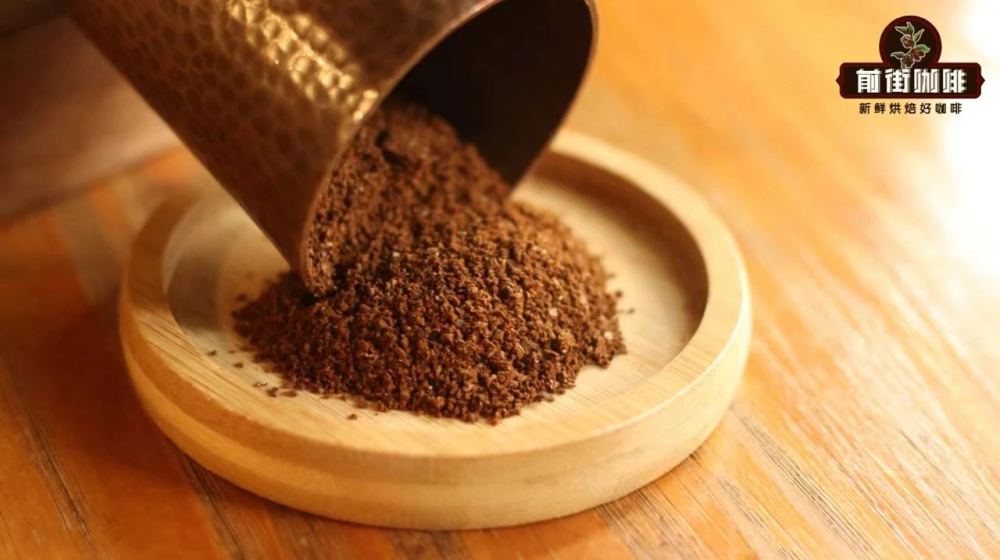
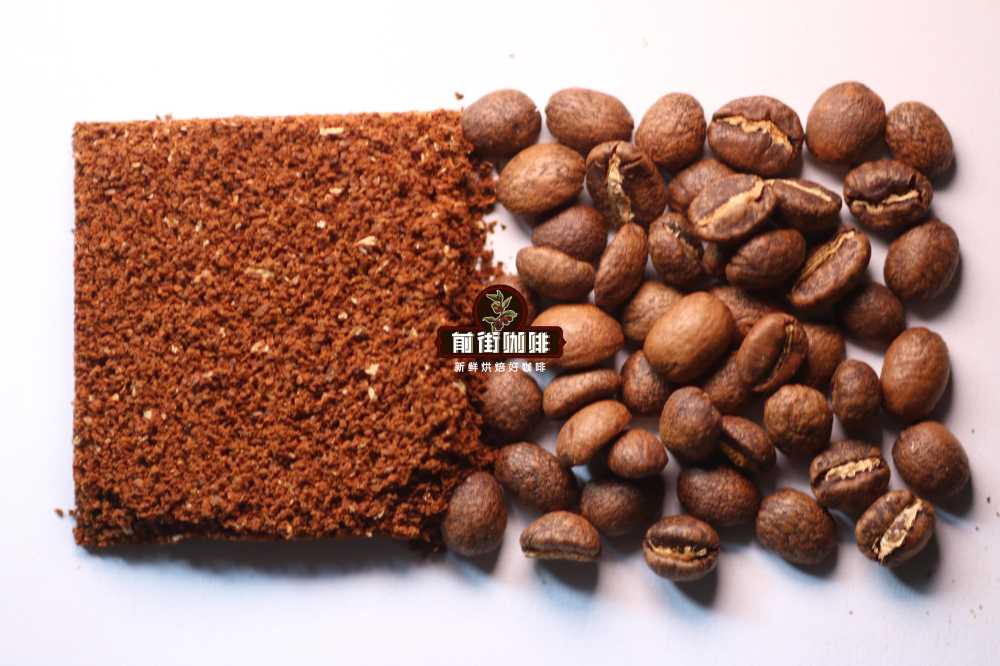
Therefore, a grind size suitable for pour-over needs to take into account both particle diameter and flow rate. Typically, for 1 to 2 servings of pour-over coffee, the extraction time is controlled at around 2 minutes. According to the SCA cupping grind calibration standard, cupping grind requires a No. 20 sieve pass-through rate of 70% to 75%, while pour-over grinding requires a finer grind than cupping, so the pour-over grind corresponds to a No. 20 sieve pass-through rate of 75% to 80%. This grind setting can be roughly understood as what shops commonly call fine pour-over grind.
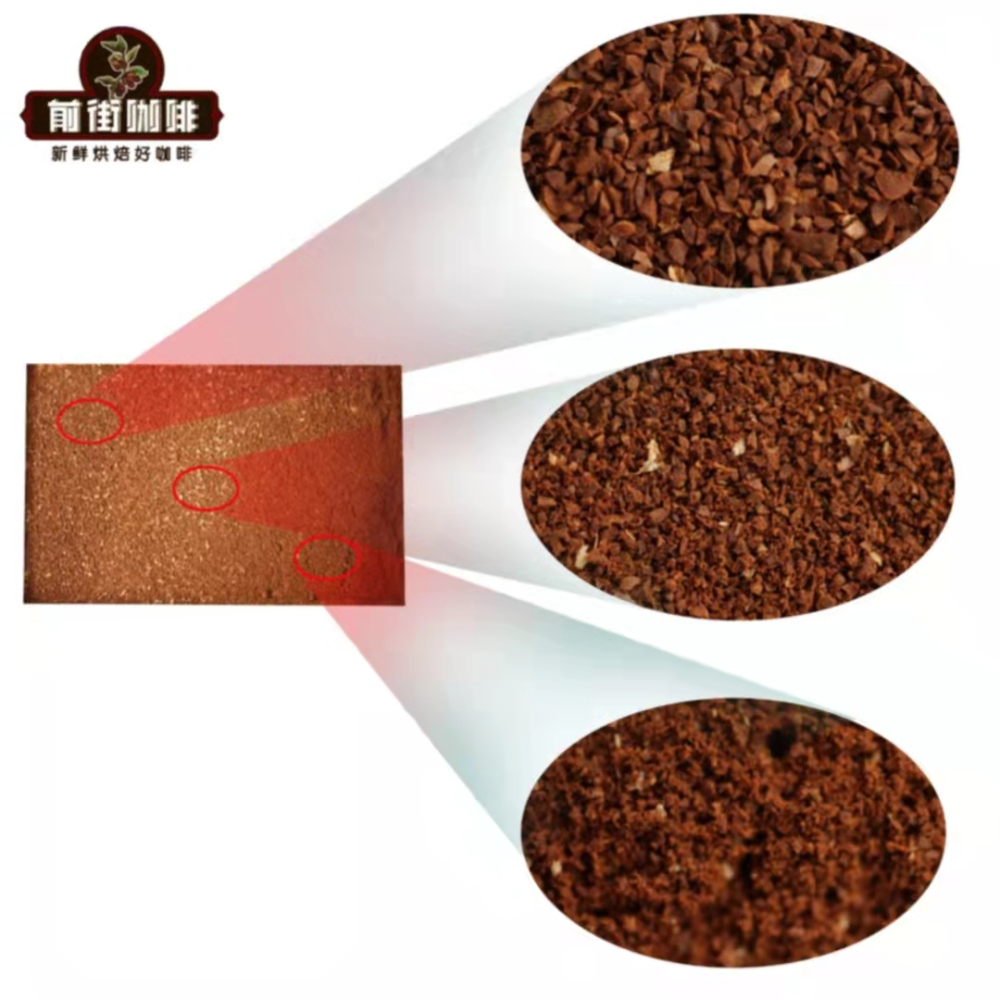
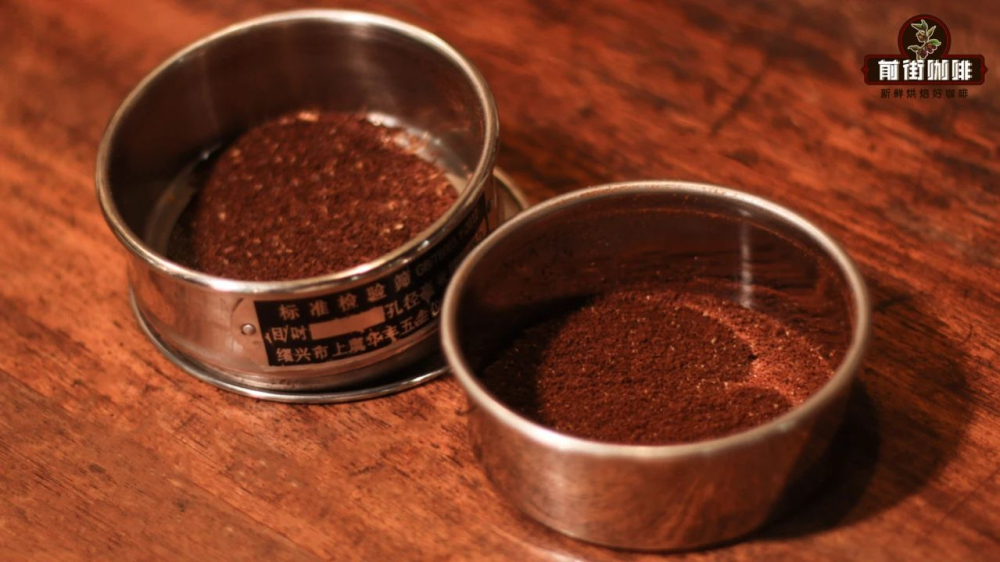
Of course, in addition to using data to judge whether the coffee grind size is appropriate, we can also evaluate it through performance during brewing. First, brewing time can provide a reference for grind size. Taking Front Street's brewing parameter standard as an example, the extraction time for a normal 1 to 2 servings of coffee is between 1 minute 50 seconds and 2 minutes 10 seconds. If the grind is too fine, the extraction time will be prolonged; if the grind is too coarse, the extraction time will be shortened. With the help of extraction duration, you can make a preliminary judgment as to whether the coffee grind size is appropriate.
The above content is compiled by CoffeeHunters, a coffee news website.


