







Grinding for Coffee Italian Style: How Fine Should Espresso Grounds Be
Espresso grounds should feel close to flour and measure roughly 150-300 microns in particle diameter. Small shifts invisible to the eye change the shot, which is why cafés keep a separate grinder for espresso. To dial in, the Italian Coffee Association and WBC definition gives a baseline: a 1-ounce (about 30ml) shot with golden crema in 20-30 seconds at 9 atmospheres and 90.5-96°C water.
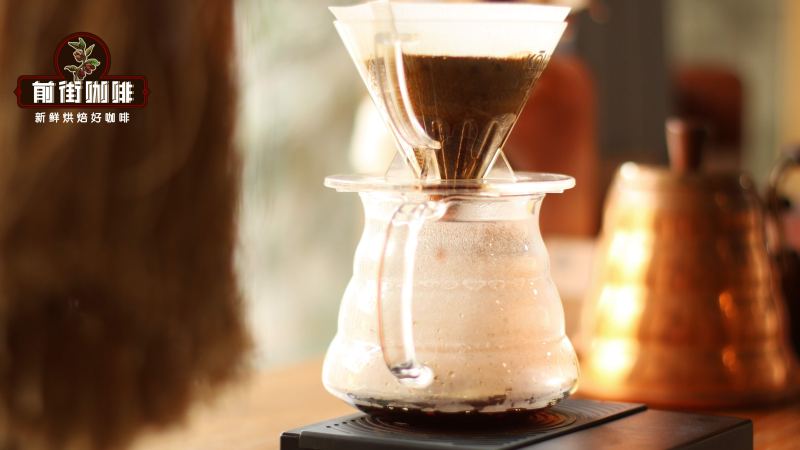
Pour-over follows a different standard. Front Street Coffee verifies pour-over grind with a No. 20 (0.85mm) sieve: sift 10g of grounds and check whether 8 grams pass through, an 80% pass-through rate. Espresso is far finer and sieving it is impractical, so extraction time becomes the guide. When preset parameters produce defective flavors, as in a Pink Bourbon SOE dial-in case, segmented testing and ratio fine-tuning lead to a better plan.
Grind size is a key variable affecting coffee output, and espresso is especially sensitive to particle size—tiny changes imperceptible to the naked eye get magnified on the espresso machine. This article covers the grind size range for espresso, how to use extraction time to lock in the right grind setting, and the brew ratio and parameters Front Street Coffee uses in actual dialing-in, along with time-range references for espresso beans of different roast levels. It also draws on a dialing-in case for the Pink Bourbon SOE to show how, when preset parameters run into defective flavors, segmented testing and ratio fine-tuning can lead to a more ideal extraction plan.
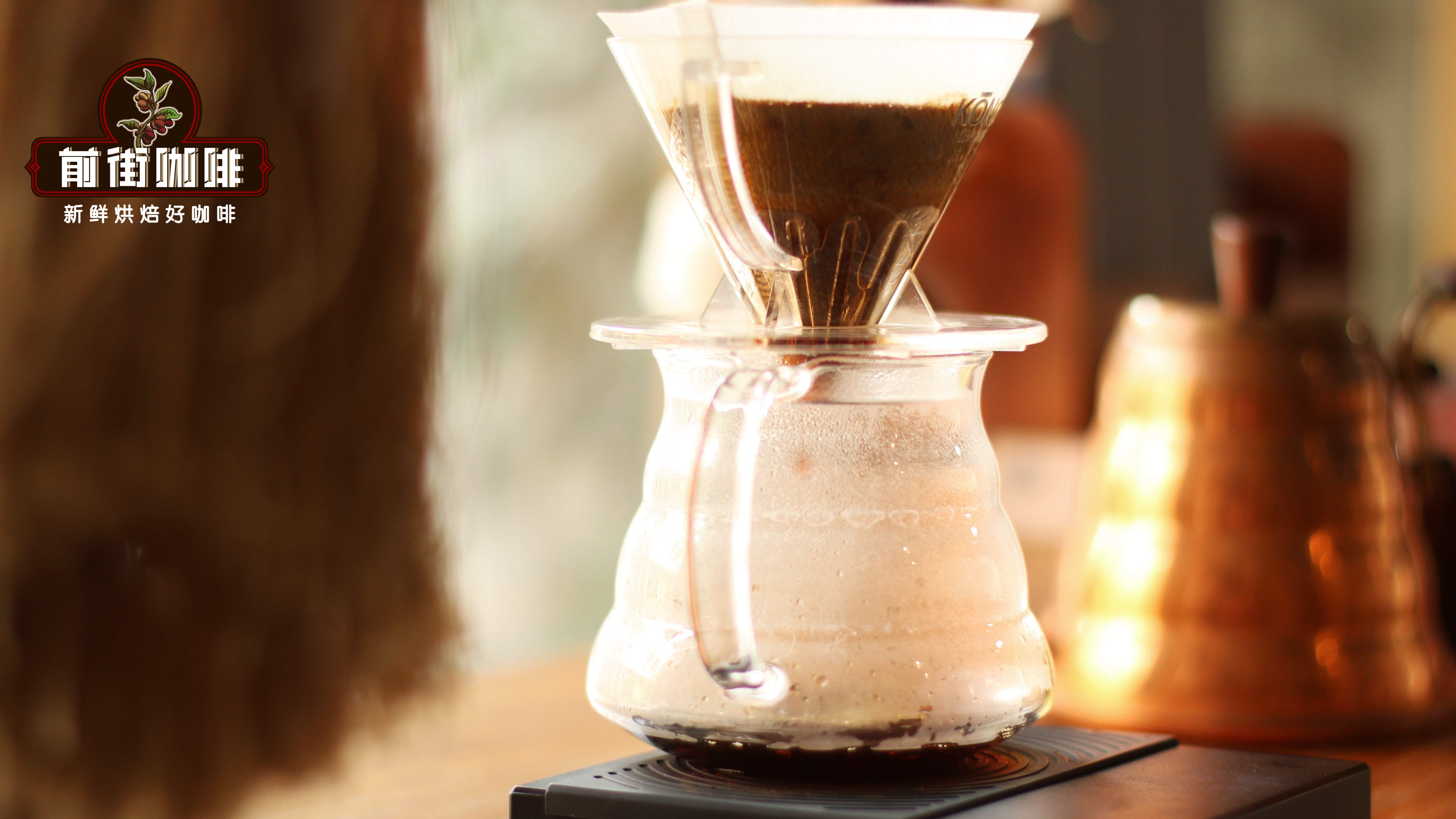
Grind size is often one of the most headache-inducing variables in coffee brewing. Many of the problems people run into during operation trace back to not having particle size under control. For pour-over coffee, Front Street Coffee's approach is to verify with a No. 20 (0.85mm) standard sieve: as long as the pass-through rate reaches 80% (for example, sift 10g of coffee grounds and 8 grams fall into the receiving tray), it can be considered the right grind for pour-over.
But espresso requires a much finer particle size than pour-over, and sieving it is neither practical nor meaningful—so how exactly should you judge the grind size for espresso?
Espresso Grind Size
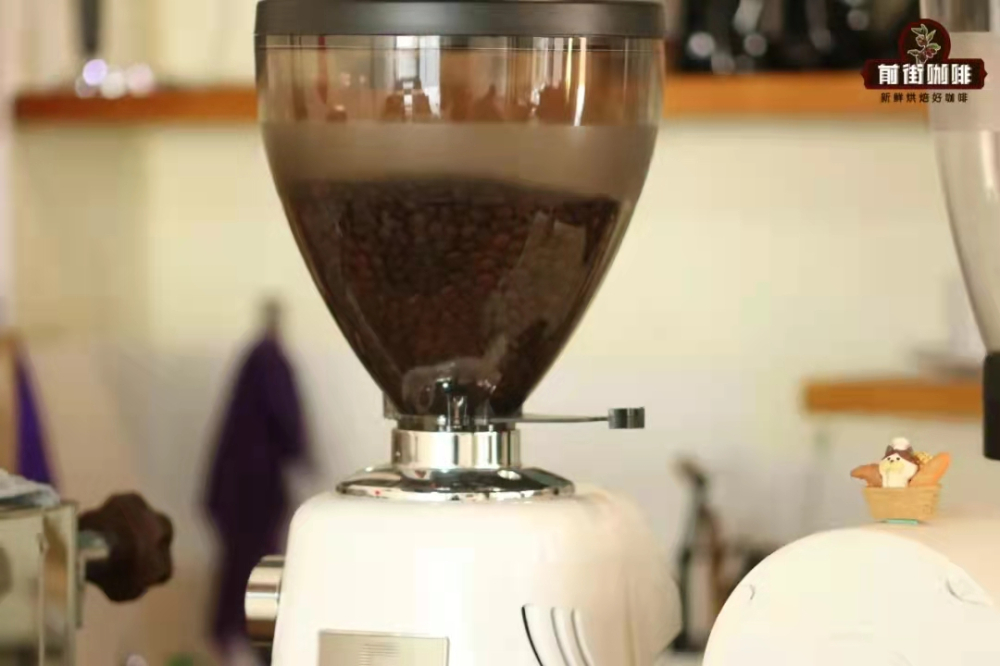
If you walk into a café, take a look: there are usually at least two grinders lined up on the bar—one with a hopper packed full, dedicated to espresso; the other serving pour-over. Why split them into two machines? The reason is that making espresso is extremely sensitive to changes in coffee particle size—differences too fine for the naked eye to distinguish produce wildly different results the moment they hit the espresso machine.
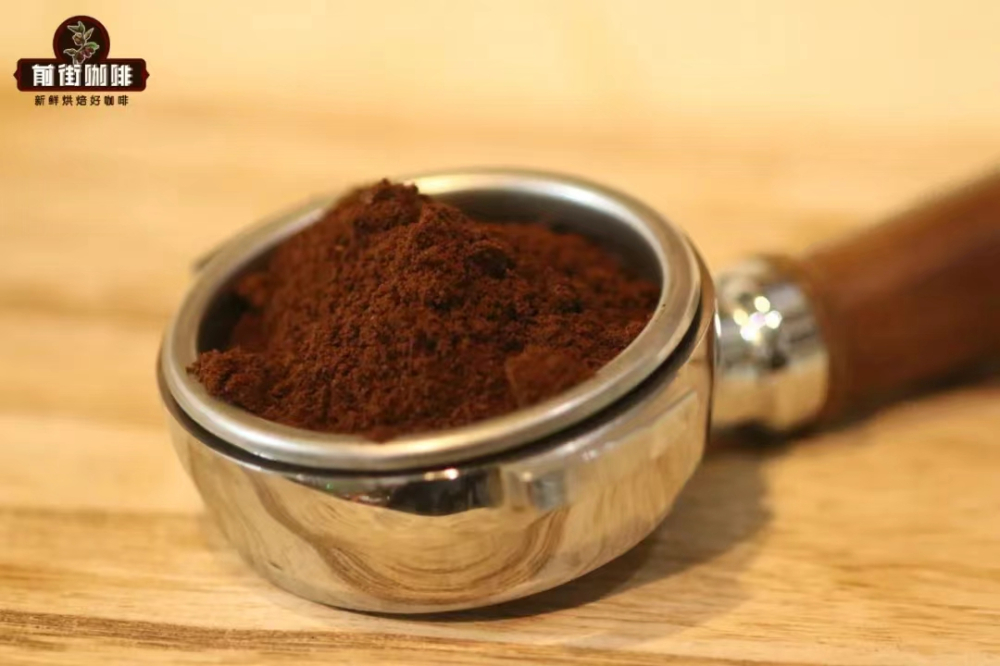
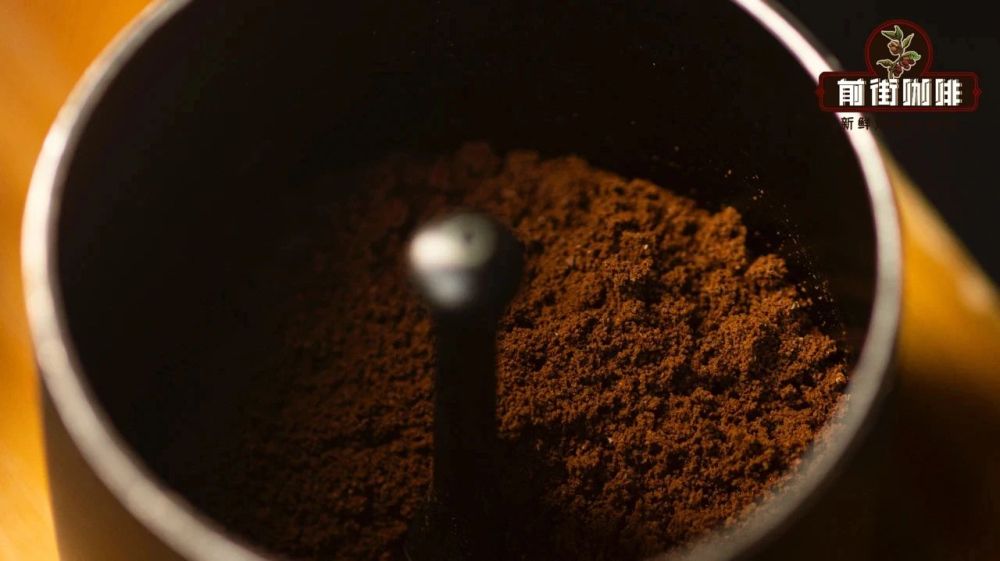
For this reason, to ensure consistent, stable espresso output, shops generally dedicate a separate grinder solely to grinding espresso beans. Espresso grounds feel and look close to flour in texture; converted into data, their particle diameter generally falls between 150–300 microns.
How to Determine the Grind Size for Espresso
The Italian Coffee Association and the WBC define Espresso as: extracting a 1-ounce (about 30ml) shot of espresso topped with golden crema within 20–30 seconds, using 9 atmospheres of pressure and water at 90.5–96°C.
Although this description doesn't directly state how fine the grind should be, once the relationship between time and grind size is clear, determining grind size becomes simple.
Provided there are no mistakes in manual steps like distribution and tamping, the finer the coffee particles are ground, the longer the extraction takes, and the flavor leans toward bitter and burnt, easily drifting into over-extraction; conversely, the coarser the particles, the shorter the extraction time, and the flavor leans sour, easily leading to under-extraction.
Therefore, when Front Street Coffee faces an unfamiliar espresso bean, or has just switched to a new grinder, the approach to determining grind size is this: first lock in the extraction plan. Front Street Coffee's espresso preset is 20g of coffee grounds (depending on the basket capacity), extracted at a 1:2 brew ratio, with time roughly controlled between 20–35 seconds.
Next, the barista adjusts grind size based on the bean's roast level. If you favor espresso with nutty, chocolate, and caramel notes, you can choose Front Street Coffee Dark Cocoa Base Blend, Front Street Coffee Specialty Blend, and Front Street Coffee PWN Golden Mandheling; for extraction, Front Street Coffee will aim for 20–30 seconds, ensuring full flavor while avoiding the risk of over-extraction.
If what you have is a medium-roast espresso bean, such as Front Street Coffee Strawberry Candy Espresso, Front Street Coffee Grana Geisha SOE, Front Street Coffee Huakui SOE, etc., Front Street Coffee will choose to extend the extraction time, controlling it at 25–30 seconds, allowing flavor compounds to release more fully.
The Sunflower Warm Sun Blend used by Front Street Coffee is roasted slightly lighter than conventional espresso beans, so a 1:2 ratio is used to highlight the flavor characteristics of Sherry coffee and Red Cherry coffee—that is, yielding 40g of coffee liquid (measuring by weight rather than volume because the crema weighs less than its volume; weight units are more precise).
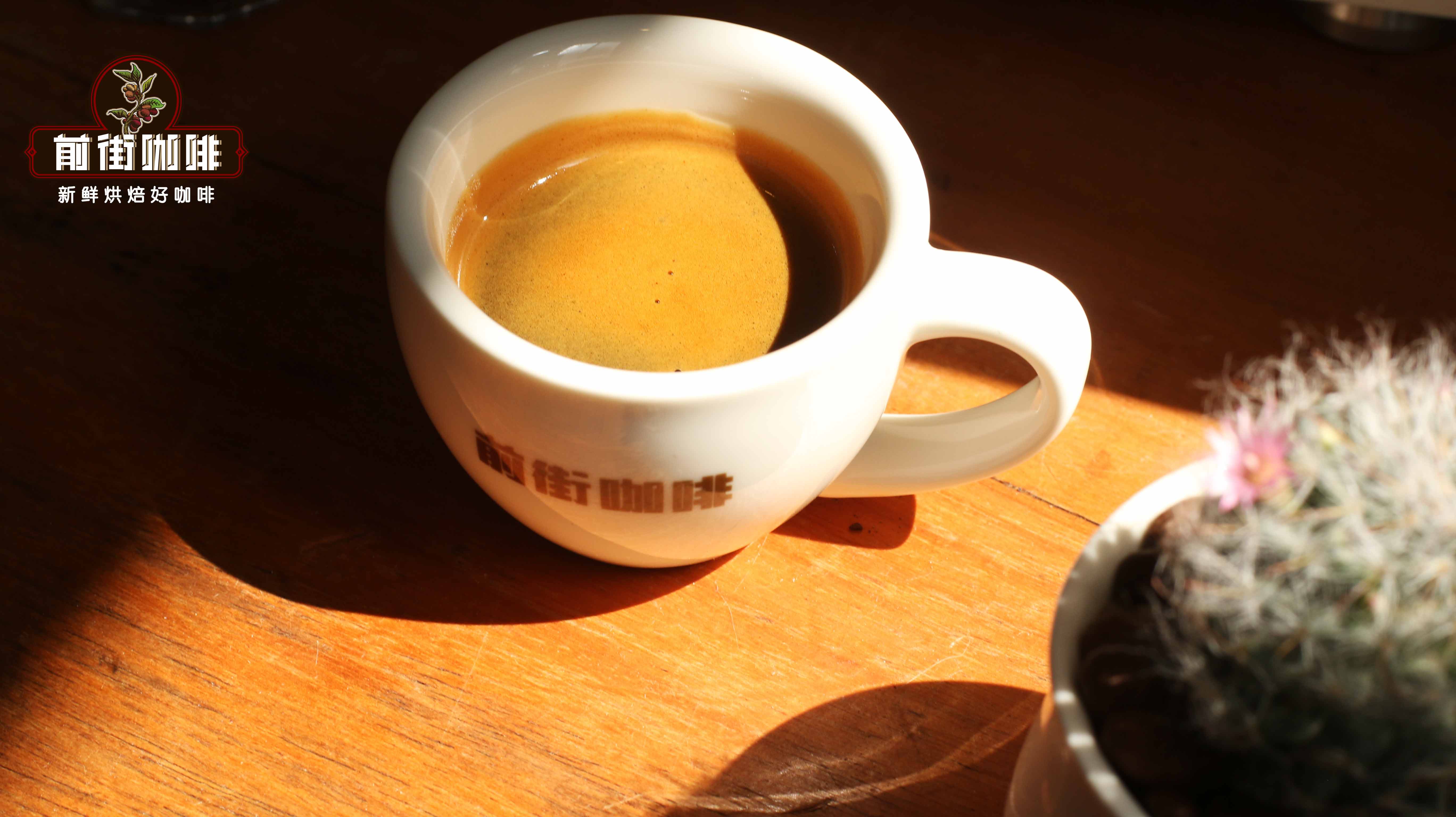
Pressure and temperature are used as fixed parameters: Front Street Coffee's espresso machine is set to 9 bar of pressure and 93°C water temperature. That way, the only thing left to adjust is grind size, using it to hit the preset time point. Some grinders have a grounds chamber; after each dialing-in session, the residual grounds must be cleaned out, otherwise it will affect the accuracy of the next dial-in.
When the grind size falls within the preset time range, don't celebrate too soon. Because the ultimate goal is a delicious espresso—at this point you need to taste it and judge whether there are defects like bitterness, sharp sourness, or a watery mouthfeel, then judge whether it shows the flavors this bean should have. If the answer is no, you need to keep adjusting—and at this point, grind size isn't the only thing you can change. Because the preset brewing parameters are built on existing experience; when facing a completely unfamiliar bean, you also have to reconsider whether the preset extraction parameters themselves are reasonable.
For example, when Front Street Coffee was testing Front Street Coffee Colombia Pink Bourbon SOE, the extraction parameters after dialing in the grind were 20g of coffee grounds yielding 40g of coffee liquid, taking 26 seconds. But on tasting, a hint of burnt bitterness was detected. Through segmented testing, the bitterness was confirmed to come from the tail end, so the extraction ratio was changed to 20g of coffee grounds yielding 35g of coffee liquid, with time shortened to 24 seconds.
The above content is compiled by CoffeeHunters, a coffee news website.


