







Which coffee machines suit manual espresso brewing at home?
Semi-automatic coffee machines leave the extraction to the user: the machine supplies pressure and heated water, but grinding, dosing, tamping and stopping the shot are done by hand. Fully automatic models handle those steps in one press. This guide walks through the semi-automatic workflow and the main points of pulling manual espresso, then compares the trade-offs so buyers can match a machine to how much control they want.
The choice matters most for people who drink several cups a day and want to cut long-term spending. As coffee culture grows, more households consider buying a machine, yet many buyers online see only price and brand and have never used one, so the difference between the two types stays unclear. Knowing what each type asks of the operator makes the decision simpler.
As coffee gradually becomes part of daily life, many enthusiasts begin to consider getting a coffee machine—enjoying freshly ground coffee at any time while saving money. However, faced with the two types on the market, fully automatic and semi-automatic, many people don't know how to choose. From Front Street's perspective, this article provides a detailed analysis of the operation process of semi-automatic coffee machines and the key points of making manual espresso, while comparing the pros and cons of fully automatic models, helping readers make a suitable choice based on their own needs. Whether you pursue convenience or long for the pleasure of extracting it yourself, you can find the answer here.
As coffee culture flourishes, more and more people are drawn to this unique beverage. Whenever they feel distracted or drowsy, people habitually prepare a cup of coffee for themselves. It refreshes the mind and delights the palate at the same time—killing two birds with one stone.
However, many friends gradually find that their demand for coffee keeps rising, and one cup a day is no longer enough. Coffee has long become a part of life, and only by increasing consumption can the taste buds be fully satisfied. To cut down on coffee expenses, and with shopping festivals approaching, many people plan to buy a coffee machine—so they can drink freshly ground coffee at any time and save considerable long-term costs.
But when shopping online, besides price and brand, most people encounter an unexpected dilemma: should they buy fully automatic or semi-automatic?
Since most people have never actually used a coffee machine, their understanding of it remains at "a device that extracts espresso," and they are unaware of the distinction between fully automatic and semi-automatic. No worries—today Front Street will talk about the differences between semi-automatic and fully automatic coffee machines, and how to make a choice.
What is a semi-automatic coffee machine?
Generally speaking, the equipment used by the vast majority of independent coffee shops on the market, as well as the coffee machines mentioned in our daily discussions, refer to semi-automatic coffee machines.
A so-called semi-automatic coffee machine means that the "process" of extracting coffee cannot be completed by the machine independently and requires full manual participation. From grinding coffee powder and filling it into the portafilter basket, to locking the handle onto the group head for extraction, every step requires manual operation—the machine itself only provides the extraction function.
In addition, to make milk coffee, you need to steam the milk yourself. Likewise, the thickness of the milk foam and the milk temperature need to be controlled manually. In short, every step requires personal effort.
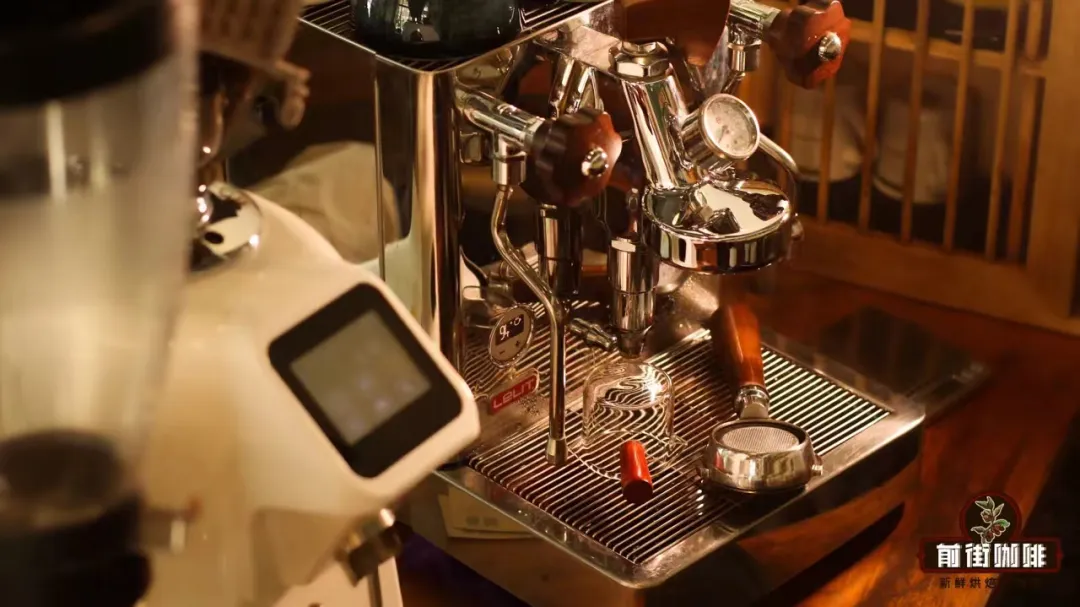
One more thing! After each extraction, we also need to clean the extraction area of the coffee machine; otherwise, over time, it will adversely affect the coffee flavor and the machine's condition.
What is a fully automatic coffee machine?
This is much simpler. A so-called fully automatic coffee machine means that after pressing the corresponding function button, the machine automatically completes the task. For example, when you press the espresso extraction button, the coffee machine automatically grinds and extracts according to preset parameters, and you just need to wait quietly for the coffee to be ready.
Even for milk coffee, fully automatic models can handle it with one touch—automatically heating the milk and steaming the milk foam without manual intervention. So, fully automatic means a coffee machine that relies on itself to complete extraction. We only need to regularly clean the puck bin and extraction chamber, and don't have to clean after every extraction like with semi-automatic machines.
How should you choose?
Since the two types have different positioning, there is no distinction of superior or inferior. When purchasing, you just need to choose a suitable model based on your own needs! (Although Front Street still recommends semi-automatic coffee machines more.)
The advantage of a fully automatic coffee machine lies in being simple, convenient, and having a low barrier to operation. If you don't want to perform overly tedious operations, don't have high requirements for flavor, or are unwilling to study coffee extraction knowledge in depth (just wanting to satisfy a coffee craving), then a fully automatic coffee machine is a choice worth considering. Because the machine can do all the steps for you, it is very worry-free.
But the disadvantages are equally prominent: lack of flexibility, and adjustment is not easy. Even when the price is not high enough, many functions cannot be adjusted, such as grind size. Therefore, under limited functionality, the taste of a cup of coffee depends entirely on how well the beans match the machine.
The reason coffee shops perform morning dial-in every day is precisely because the beans are constantly changing every day, and these changes affect that day's coffee flavor, so corrections need to be made by dialing in the espresso.
Many fully automatic coffee machines cannot make such corrections because they lack the corresponding functions. That's why Front Street says that only people who don't have high requirements for coffee taste can consider buying a fully automatic coffee machine. Or places like offices that need to provide coffee for multiple people would be equipped with fully automatic models. If you pursue flavor, then choosing a semi-automatic coffee machine is the safest bet.
The flexibility and ceiling of semi-automatic coffee machines are both very high, since the entire process requires manual completion. Tedious operation is certainly a shortcoming, but precisely because of this, we can adjust parameters at any time and make perfect coffee in the ideal state.
Correspondingly, when purchasing, we need to start learning knowledge related to coffee extraction. Because although semi-automatic coffee machines have a high ceiling, their floor can also be very low. Once you master the principles of extraction, making a delicious cup of coffee at any time becomes as simple as can be!
The above content is compiled by CoffeeHunters, a coffee news website.


