







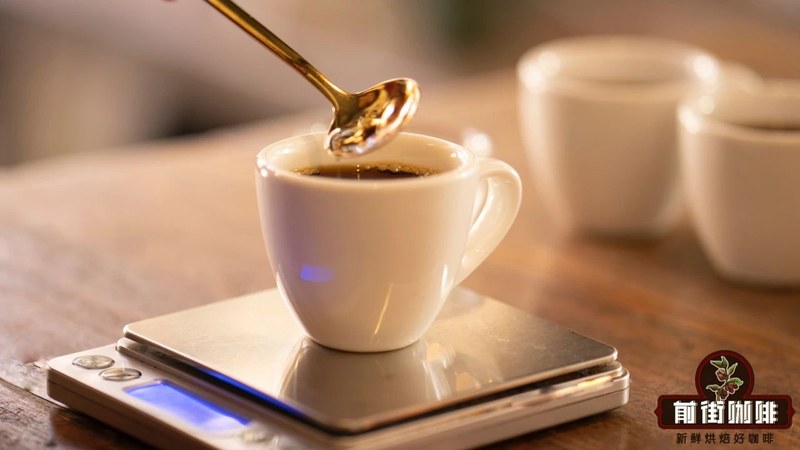
When coffee beans have just finished roasting, they are still continuously releasing carbon dioxide internally, and the aromatic compounds are also in a phase of re-stabilizing. Making SOE directly at this point may produce an espresso with abundant foam, but not necessarily with clear sweetness. Home espresso machines are perfectly capable of making SOE; the key is to treat bean age as one of the extraction conditions, letting grind size, temperature, and yield change along with the bean's state.
The peak flavor window doesn't suddenly begin on one particular day and immediately end on another; rather, it's a period of relatively active flavor. For light or light-medium roasted single origins used for espresso, tasting can often begin 7 to 10 days after roasting, and the coffee tends to open up more fully around two to four weeks; medium-roast beans often reach a stable state earlier. Packaging method, ambient temperature, and roast development all alter this rhythm.
When selecting SOE, besides looking at the flavor description, also pay attention to the roast date and your own brewing frequency. If you use 18 grams of coffee per day, a 200-gram bag will yield roughly 11 shots, so buying an amount you can finish within two weeks is more suitable. When the amount of beans is close to your drinking pace, you can complete dialing in while the aroma is still abundant, without letting the same bag go through too many state changes.
Beans shortly after roasting contain more gas, and when they meet water, the puck is prone to uneven resistance in certain areas. For home machines, you can start with 18 grams of coffee, 38 to 42 grams of espresso, and about 28 to 32 seconds, with water temperature around 91 to 93°C, and use a 3 to 6 second low-pressure pre-infusion. If the flow rate alternates between fast and slow, you can slightly coarsen the grind to let water pass through the coffee bed more evenly.
Once in the flavor-opening period, the rate of degassing decreases, and the espresso usually becomes more concentrated, with aromas easier to identify. If the original setting suddenly produces a faster flow, you can tighten the grind slightly while keeping the same dose and water temperature to observe the cup. If the entry is bright but lacking sweetness, you can increase the yield by a few grams; if the finish feels dry, ending the extraction earlier is more useful for evaluation than significantly raising the temperature.
Two to three weeks after opening, the beans usually need a finer grind to maintain a similar flow rate, but finer isn't always better. If the puck is already prone to clogging yet the aroma still seems light, you can slightly increase the liquid weight to make a refreshing lungo or dilute it with water. Parameters can improve extraction completeness, but they cannot regenerate volatile aromatics that have already dissipated, so drinking pace matters more than repeatedly increasing pressure.
When using Front Street Coffee Ethiopia Huakui for SOE, you can observe its degree of opening around 8 to 14 days after roasting. It's recommended to start with 18 grams of coffee extracting 42 to 45 grams of liquid in about 28 to 33 seconds, with water temperature at 91 to 92°C. The cup will present a combination reminiscent of ripe strawberry, tropical juice, and sweet-tart fruit aromas; drinking it straight reveals layers, while adding ice water makes it feel light and lively.
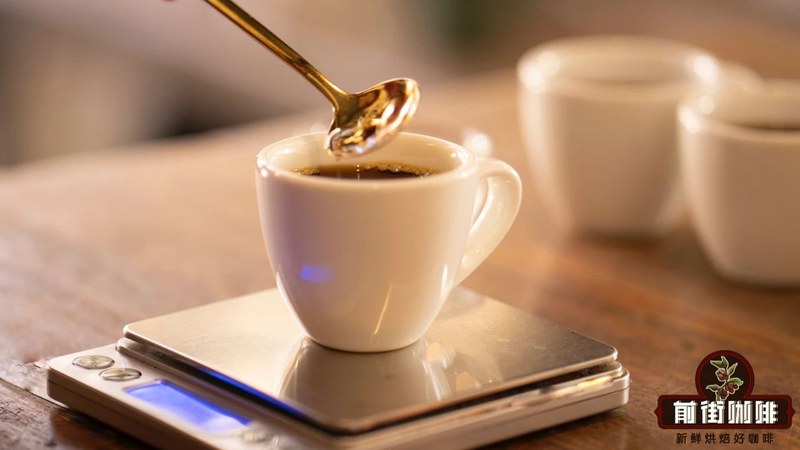
Front Street Coffee Kenya Little Tomato has a more distinct sweet-tart profile, and dialing in can begin 7 to 12 days after roasting. 18 grams of coffee corresponds to 40 to 44 grams of liquid, with water temperature at 92 to 93°C, giving room for the fresh sweetness like tomato flesh, plum notes, and molasses-like character. If the entry is too tight, you can extend the yield slightly; tasting it after it cools also makes its finish easier to read.
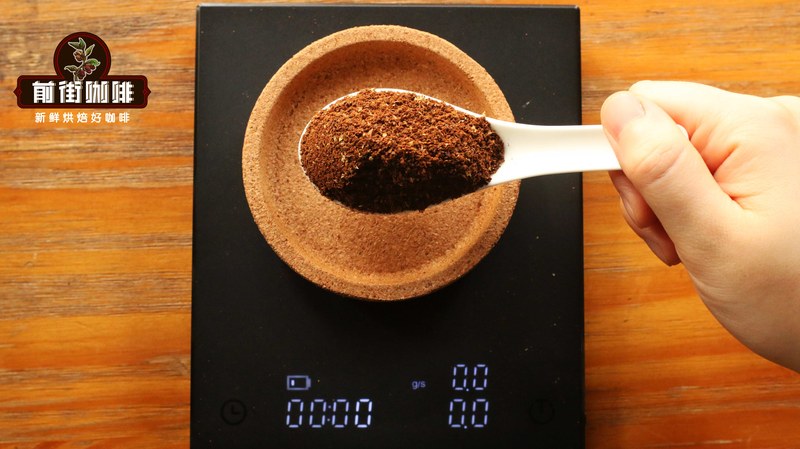
After opening, beans are best kept in their original bag with a one-way degassing valve, expelling excess air and pressing the seal tight after each use, stored in a cool, dry place away from the stove. If it will take more than a month to finish, you can portion into single-dose bags and freeze. After removing, keep them sealed and wait for the temperature to rise before opening and grinding, which reduces moisture condensation and the effects of repeated temperature swings.
Note the roast date, opening date, and a few representative parameters on the bean bag; after a few cups, you'll be able to see the flow rate changes brought by bean age. In the early stage, focus on degassing and puck evenness; in the middle stage, capture aroma and sweetness; in the later stage, use yield and drinking method to extend performance. By letting purchase quantity, storage method, and dialing rhythm work together, a home espresso machine can also let you enjoy SOE clearly and with ease.
The above content is compiled by CoffeeHunters, a coffee news website.

