







How to Make Coffee From a Coffee Machine Without Losing Flavor
Pulling a consistent espresso at home comes down to eight details across the workflow: hopper pressure, cleaning the portafilter basket, watching the grind output, distribution and tamping, pre-flushing, knocking out the portafilter, extraction timing, and post-cleaning. Overlooking any of them can make the same recipe taste different from one shot to the next.
The full sequence from grinding to finished shot usually takes under a minute, so small habits matter more than the recipe alone. Home machines work well with freshly roasted blends, including a classic blend, a nutty specialty blend, a dark cocoa basic blend, and a commercial blend for cafe service; 7 steps to make coffee cover the core actions, but these extra checks keep results stable.
An espresso from grinding to extraction often takes less than a minute, seemingly simple but actually hiding many tricks. Many enthusiasts finally find an ideal set of extraction parameters during morning dial-in, only to overlook details in subsequent operations, leading to unstable output and greatly diminished flavor. This article follows the actual sequence of operations to sort out one by one the easily overlooked points in eight steps: hopper pressure, portafilter basket cleaning, observing the grind output, distribution and tamping, pre-flushing, portafilter knocking, extraction timing, and post-cleaning, helping everyone consistently achieve full-flavored, parameter-stable espresso on a home espresso machine.
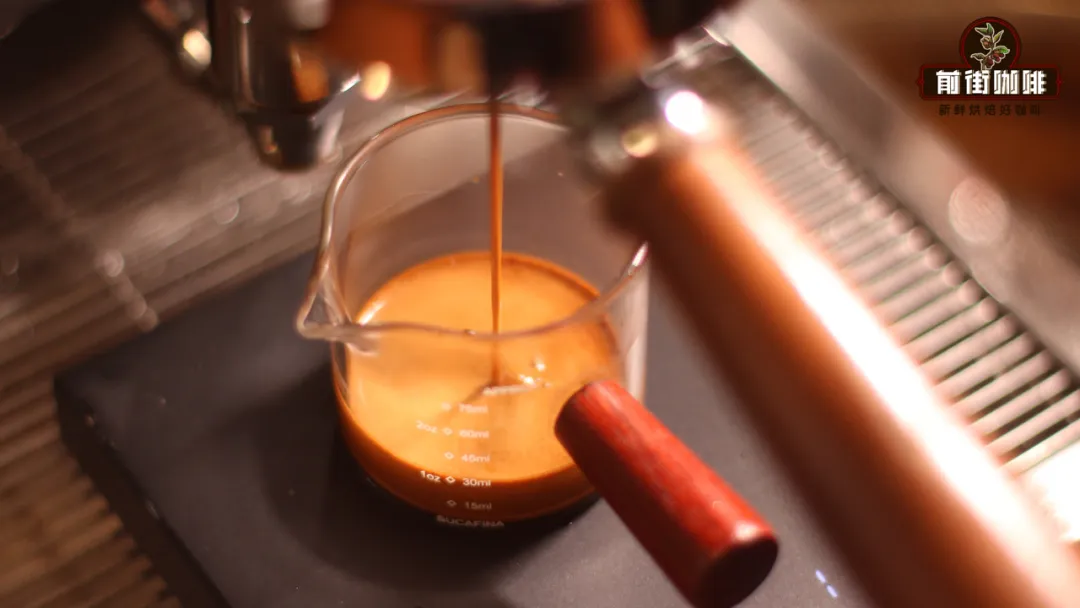
From starting to grind coffee beans to finishing extraction, the time needed to make an espresso is usually less than a minute. At first glance, making a good cup of coffee doesn't seem like a complicated matter. But as Front Street often mentions, surface simplicity doesn't mean the operation is easy, and there are actually quite a few steps that truly need attention.
As the saying goes: success or failure lies in the details. This couldn't be more fitting when applied to espresso extraction. Even if we've found a parameter combination during morning dial-in that extracts excellent flavor, if we neglect certain steps during preparation, then even following that same set of parameters, the final espresso will hardly be satisfying.
Therefore, Front Street is here today to systematically sort out which details in the espresso-making process directly affect the extraction result. To consistently produce a delicious espresso, it's best to pay extra attention to these key points during operation.
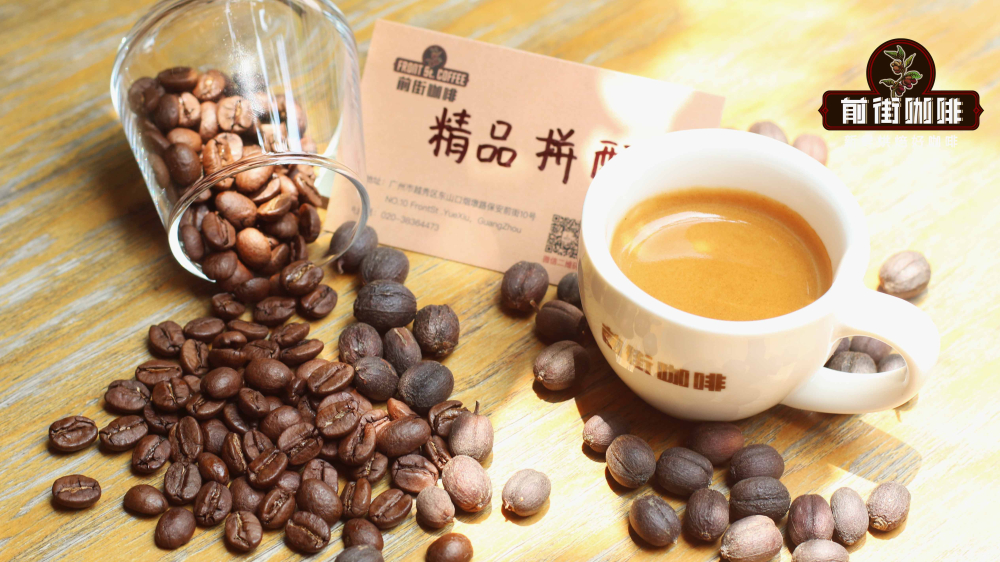
Before formal extraction, choosing the right coffee beans is crucial: for home espresso machines, it's recommended to prioritize freshly roasted Front Street blend series, including the rich and oily Front Street Classic Blend, the nutty Front Street Specialty Blend, the high-value Front Street Dark Cocoa Basic Blend, and the Front Street Commercial Blend suitable for café service. Each bean has its own emphasis, so choose according to your needs to find the one that suits you.
1. Hopper Pressure
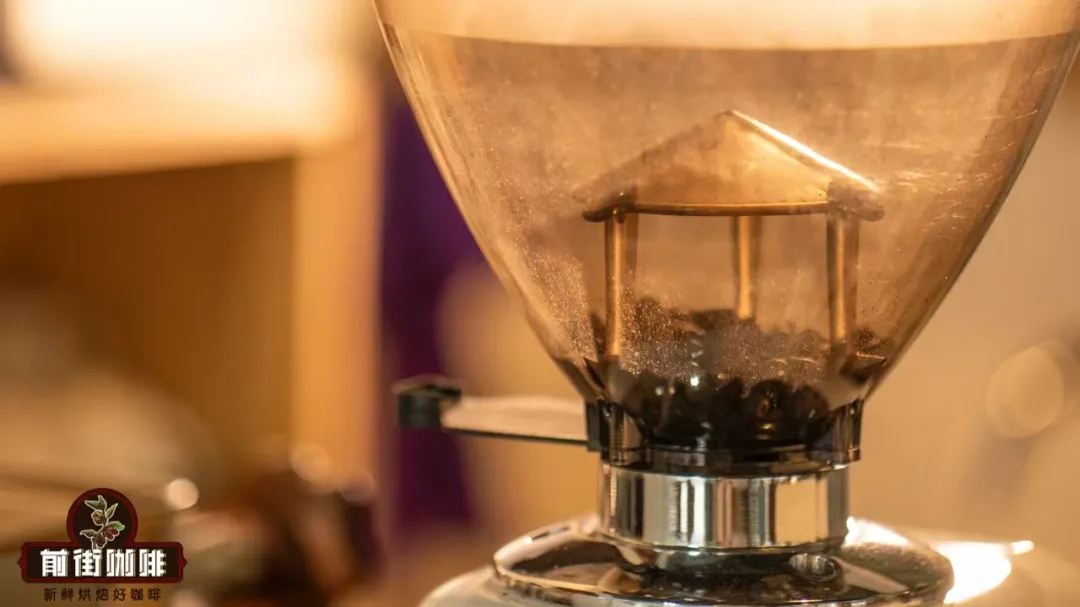
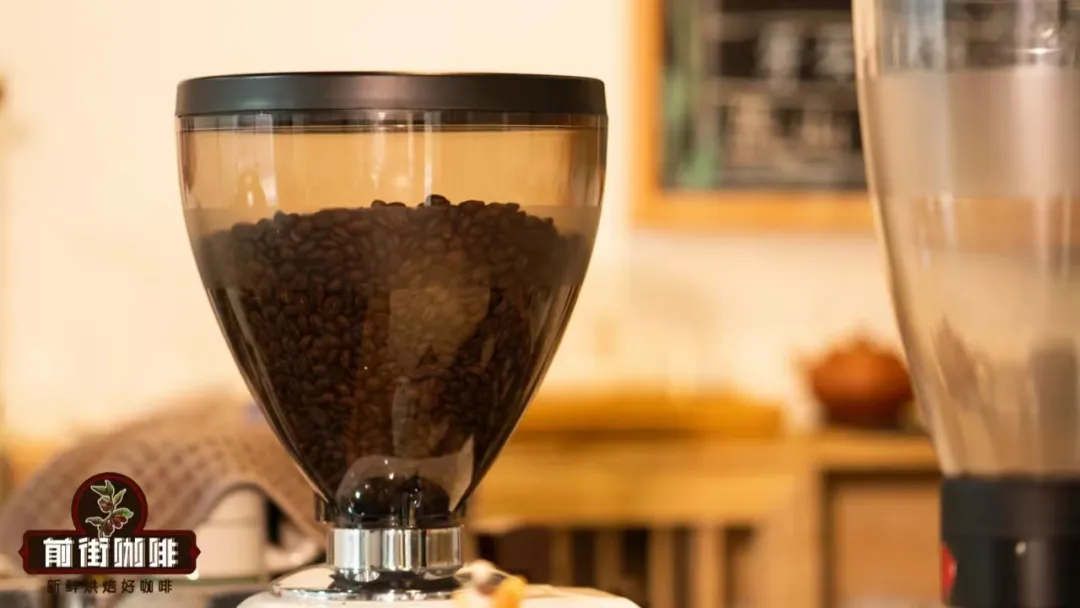
First, before starting to grind, be sure to check the amount of coffee beans remaining in the grinder's hopper, because the bean quantity directly affects the coarseness of the ground coffee. For example, when the beans in the hopper fall below a quarter of the hopper's capacity, the grind quality noticeably declines.
The reason is that if coffee beans lack sufficient weight pressing down from above during grinding, they will bounce when squeezed by the burrs, leading to poorer uniformity of the ground powder. This causes the final espresso to deviate from the preset parameters, shortens extraction time, and makes under-extraction more likely.
So, if you want to ensure consistency in output, checking the hopper level before grinding is a very necessary step. Usually, keeping the bean amount above half the hopper is sufficient. (If you don't want to pour in too many beans at once, you can also use other heavy objects to replace the pressure.)
2. Clean the Portafilter Basket
Since many friends are used to directly using the portafilter basket to catch grounds rather than using a dosing cup, cleaning the basket becomes the second detail to pay attention to (if using a dosing cup, then it's the third
). Even if the basket is rinsed promptly after each extraction, a small amount of residue may still be stuck in the crevices; meanwhile, if the interval between rinsing and next use is short, water droplets will remain on the inner wall of the basket, which can also interfere with extraction stability.
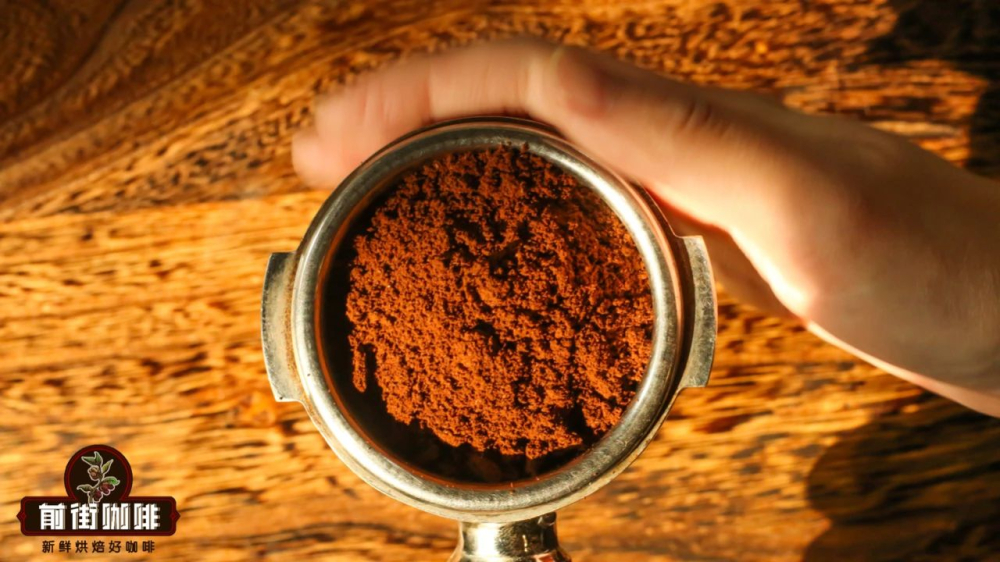
If this moisture is not removed, some coffee grounds will be pre-wetted before formal extraction. When the puck is tamped, those already-soaked coffee ground areas will directly form channels, thus affecting extraction; as for the remaining coffee residue, although its impact is relatively small, it can still introduce variables. Therefore, before loading coffee grounds, it's best to wipe the basket clean first.
3. Observe the Coffee Grounds
After completing the above two steps, you can start grinding coffee grounds. However, during grinding, we also have things to observe: first, the grind output state, and second, the coffee grounds themselves.
The grind output state mainly refers to the distribution range of the coffee grounds during output—whether it spreads widely like the lower-left image, or concentrates narrowly like the right image.
Normally, the grinder's output state should be as shown in the right image, with a small, concentrated stream of grounds. If you find the output is scattered and wide like the left image, it's likely due to static electricity causing some coffee grounds to accumulate and clog at the output chute. Clogging affects the quality of the resulting coffee grounds, which in turn causes extraction deviations. Therefore, observation is needed to determine whether the grinder needs to be unclogged.
The other observation point is more straightforward: just check whether the ground coffee has large clumps due to static electricity. If so, it's best to break them up with a WDT needle or other needle-like tool to reduce the probability of channeling.
4. Tamping
Next comes the distribution and tamping stage. These two steps are key points that Front Street repeatedly emphasizes, because whether distribution and tamping are even directly determines extraction stability.
If distribution is not even enough and tamping force is not consistent enough, the puck will promote channeling due to uneven coffee ground distribution and an uneven surface.
On this point, since it cannot be explained clearly in just a few words, interested friends can refer to these two articles → "How to Properly Distribute and Tamp" and "How Much Force to Use When Tamping Coffee Grounds?" In short, distribution and tamping are crucial for espresso extraction and deserve close attention.
5. Pre-flushing
A while ago, Front Street just shared the importance of "Pre-flushing Before Espresso Extraction." Before locking the portafilter onto the group head, you need to open the water valve once and flush hot water.
The purpose is simple: first, to remove residual grinds on the dispersion screen again; second, to make the hot water temperature used for extraction more stable.
6. Avoid Knocking
Once everything is ready, you can start extraction. But before extraction, there's one more detail to note: try to avoid knocking the portafilter. Many beginners, because they are not familiar enough with the espresso machine structure, bump the portafilter every time they lock it onto the group head due to misalignment with the locking position.
The impact force from the knock will cause cracks of varying degrees in the puck depending on its magnitude. When the impact is mild, cracks mainly appear between the puck and the basket, where the originally tight fit separates due to the impact, and these cracks immediately become areas where hot water flows preferentially, forming huge channels; when the impact is more severe, the puck may even crack outright, also seriously affecting extraction.
Therefore, if beginners are not yet familiar with the locking position, Front Street suggests figuring out the position first before extracting espresso, otherwise bumps and knocks can easily affect the coffee's flavor.
7. Not Extracting for a Long Time
Some friends lock the portafilter onto the group head but do not extract immediately, instead going to handle other things first. This practice easily leads to two problems in the espresso: first, a noticeable burnt bitter taste; second, insufficient flavor fullness.
Because the dispersion screen inside the group head remains at high temperature, if the puck stays in contact with it for a long time without extraction, the puck will continue to heat up, causing flavor compounds to dissipate faster. If the dose is large at this time and the coffee grounds directly touch the dispersion screen, the puck may even get scorched, giving the extracted espresso a noticeable burnt bitter taste. Therefore, Front Street recommends starting extraction as soon as possible after locking the portafilter onto the group head, to avoid encountering a lot of bad experiences.
8. Clean Promptly
After espresso extraction is complete, remember to flush hot water once more to clean the dispersion screen, avoiding residue adsorbed on the dispersion screen from being scorched, which would cause the next extracted coffee to also carry a noticeable burnt bitter taste.

The above content is compiled by CoffeeHunters, a coffee news website.


