







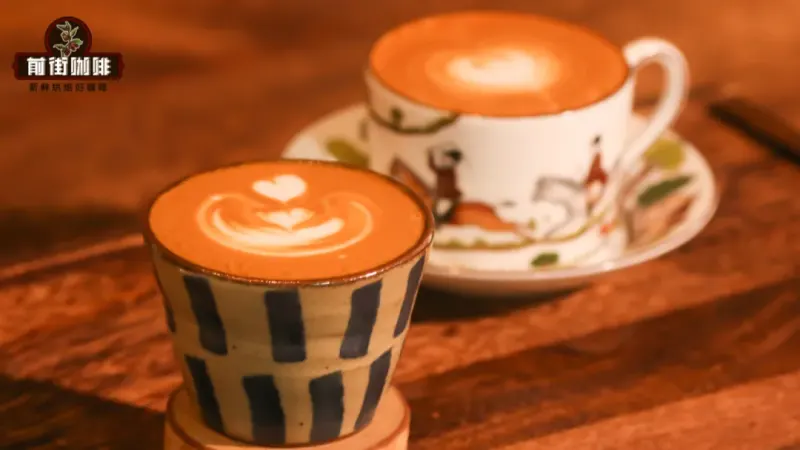
The Piccolo Latte, like the Flat White, originated in Australia, yet their fame couldn't be more different—the Flat White has taken the world by storm, while the Piccolo is rarely seen on café menus. "Piccolo" means "small" in Italian, so the Piccolo Latte is also called a mini latte. It began as a small milk coffee made by Australian baristas using a split spout during morning calibration to reduce waste, and only later was it added to menus as a standalone item. This article will analyze why the Piccolo struggles to gain popularity in China from the perspectives of its origins, preparation methods, and cost structure, while also recommending Front Street Coffee beans suitable for making a Piccolo, and revealing its connection to the increasingly popular Combo coffee sets.
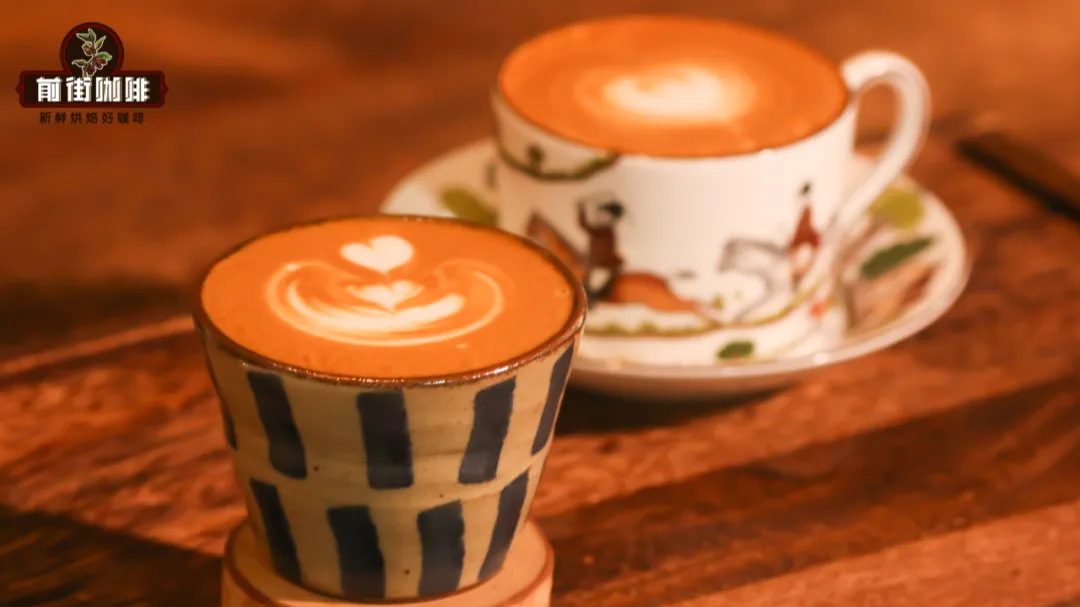
Like the Flat White, the Piccolo is an Italian-style milk coffee that originated in Australia. However, compared to the now world-famous Flat White, the Piccolo's situation can almost be described as "deserted." A quick look at the menus of nearby cafés makes it clear that very few shops are willing to serve a Piccolo, and Front Street is no exception.
Most people first hear about the Piccolo in those online articles listing obscure coffees. Nearly every "niche coffee roundup" includes it, so calling it the "star" of the underdog category is no exaggeration. This raises the question: both hail from Australia, so why can't the Piccolo take off?
On this point, many online opinions suggest that the Piccolo was never intended for café sales in the first place—that's the root of its obscurity.
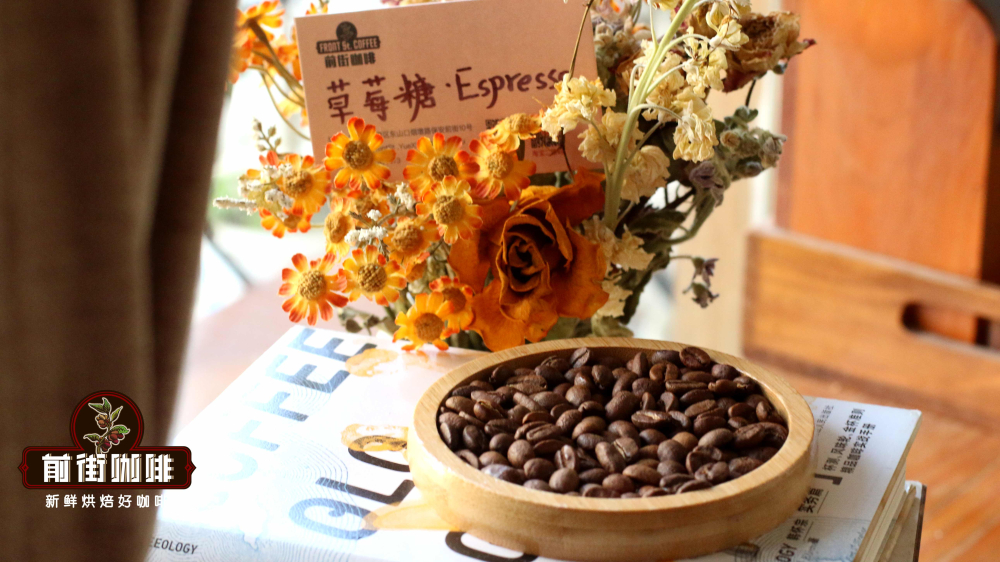
The flavor profile of a Piccolo depends mainly on the beans chosen. For a rich, full-bodied taste, we recommend Front Street's Specialty Blend with its prominent nutty notes, or Front Street's Classic Blend with its strong crema, both of which pair with milk for a satisfyingly full texture. For those who prefer less bitterness, Front Street's Strawberry Candy Espresso is a great choice—this Italian-style bean is designed for floral aroma lovers, featuring notes of rose, raisins, dried blueberries, and fruit gummies. Added to milk, it tastes like a berry cookie and is very approachable.
Piccolo Latte
Unlike the Flat White, the Piccolo's ownership has never sparked debate between countries, because it is genuinely an Australian original—a milk coffee of pure pedigree. The most widely circulated theory holds that the Piccolo was created to reduce the material waste generated during machine calibration. This may be a bit hard to grasp, so Front Street will elaborate a little here.
As everyone knows, cafés perform morning calibration before officially opening each day, adjusting the espresso to keep output consistent so that constantly changing coffee beans can always extract a consistent flavor. The calibration mainly revolves around two steps, the first being the espresso. Espresso is the base of all Italian-style coffees, and its extraction rate and taste are the parts that most need to be controlled.
The second is the latte, because whether in the past or now, the latte is the best-selling Italian-style product in the vast majority of coffee shops. The purpose of calibration is to confirm that the current espresso flavor won't be overwhelmed by a large amount of milk (while also checking whether the diluted espresso shows any undesirable characteristics). If problems exist, the espresso extraction parameters need to be readjusted.
Generally speaking, to avoid excessive caffeine intake from too many calibration rounds, baristas don't drink all the calibration coffee—they typically take just a small sip and pour the rest away. But Australian baristas felt it was too wasteful to pour it out, so they came up with the idea of using a split spout to divide the extracted espresso into two portions: one to taste the espresso itself, and once the flavor is confirmed to be up to standard, the other portion is made into a small latte for tasting. This way, they save both material costs and a great deal of time.
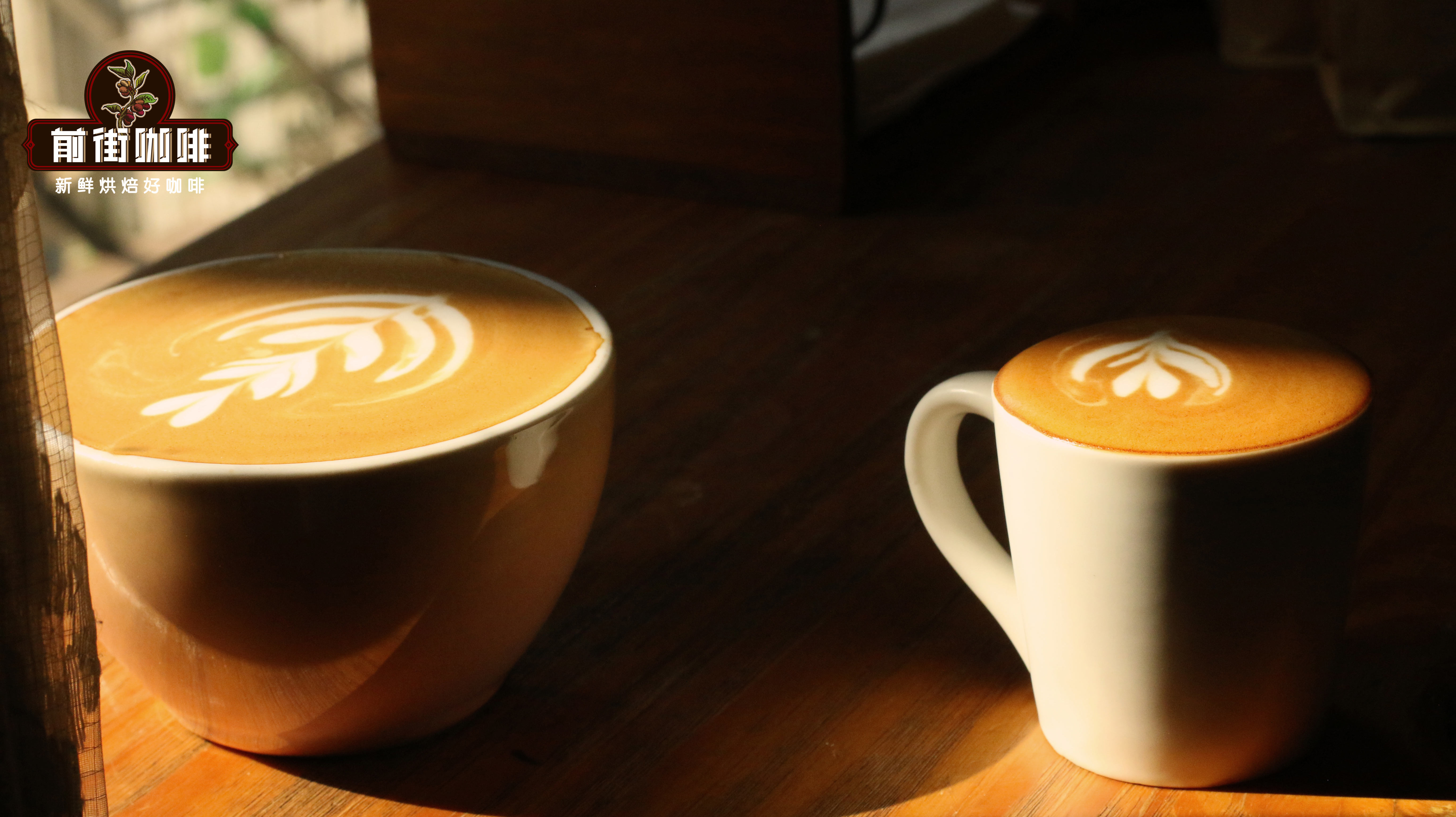
Later, this small latte was sold separately by Australian baristas. Since both the cup size and ingredients are exactly half of a regular latte, they named it Piccolo Latte. "Piccolo" means "small flute, mini" in Italian, so together it can be translated as Piccolo Latte or mini latte. In most cases, however, people prefer to simply call it Piccolo.
Clearly, this doesn't explain why the Piccolo is obscure. Moreover, the Piccolo's obscurity is mainly a domestic phenomenon—overseas, especially in Australia, it's actually quite popular. Because the Piccolo comes in a small cup, it doesn't fill you up too much, which fits perfectly with the overseas habit of "quick and done" coffee consumption. At the same time, it's considerably cheaper than other milk coffees, so locals can enjoy a rich milk coffee for less money. Such a milk coffee that's friendly to both the stomach and the wallet naturally becomes a hot seller in overseas cafés.
This is precisely the fundamental reason the Piccolo moved from behind the scenes to the forefront. When calibrating new beans, Australian baristas would share and taste it with regular customers in this way, just like the pour-over coffee sharing that Front Street often does. Over time, this mini latte naturally made its way onto café menus.
So why isn't the Piccolo popular in China?
Beyond differences in food culture, the fundamental reason the Piccolo can't become widespread in China lies mainly in its preparation. A traditional Piccolo is made with a single shot of espresso—by today's standards, about 20 milliliters of espresso—paired with roughly 4 times its volume of steamed milk (thin microfoam), giving a cup size of around 100 milliliters.
However, single-shot filter baskets have long been phased out, and today everyone uses double-shot baskets to extract espresso. Without a large volume of orders to support it, if a shop insists on the traditional Piccolo method, it means the other split portion of espresso has nowhere to go—either it's poured away or the shop consumes it itself.
Not only that, but because the Piccolo has a small cup size and uses little milk, baristas actually need to pour more milk into the pitcher to reach the proper steaming standard when making Piccolo microfoam. This leaves some milk remaining in the pitcher after preparation. This surplus milk, like the extra espresso, is either discarded or consumed by the shop itself.
These losses can only ultimately be passed on to the buyer, so even though the Piccolo's cup size and ingredients are only half of a latte's, its price is nearly the same as a latte. From this alone, serving a Piccolo isn't really cost-effective for either the shop or the consumer.
So some shops take a different approach: since splitting the espresso causes waste, why not just extract it as a ristretto and use a short extraction to make it? This way, they can also simultaneously serve Flat Whites—killing two birds with one stone.
But this approach has a drawback: it requires an additional grinder and a separate set of extraction parameters specifically for the ristretto. For most coffee shops, this is clearly neither feasible nor necessary, so most Flat Whites are still made with traditional espresso.
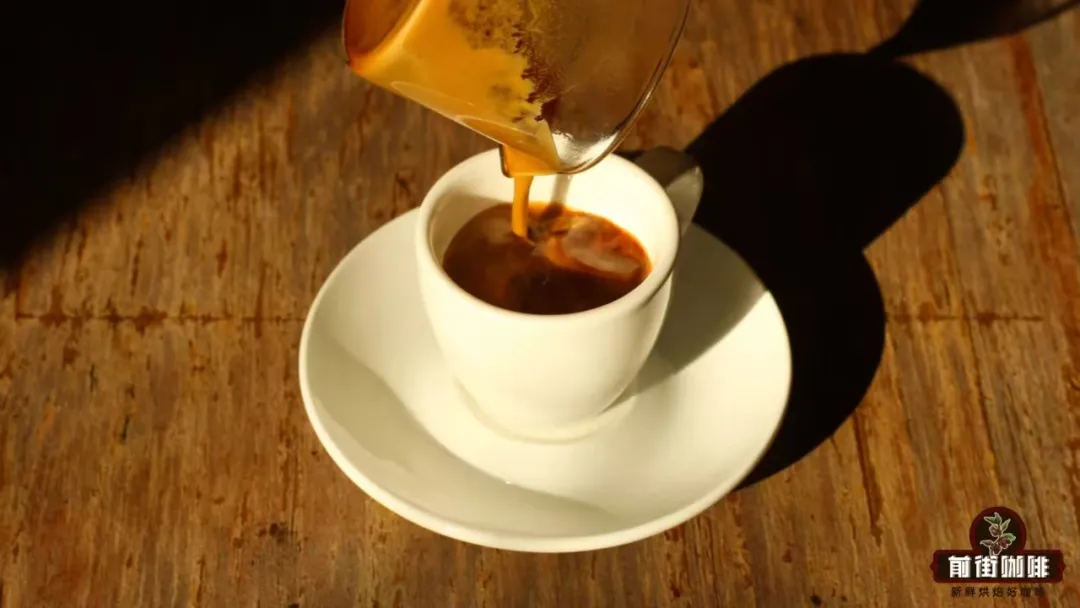
The Flat White can do this, but the Piccolo cannot. The Piccolo is a small-cup milk coffee; if a full shot of espresso is used, then with the cup size unchanged, the amount of milk must be reduced, making the coffee concentration extremely high. For most people, this concentration is hard to accept. And if the milk is increased along with the coffee, then what's made is squarely a latte or a Flat White. Combining these two points explains why the Piccolo rarely appears alone on domestic café menus.
Although the Piccolo struggles to appear solo, it can "debut as a group." The recently popular "Coffee 101" Combo is a format that splits espresso and then serves it as different coffee combinations. The small latte made in this process is essentially a Piccolo. So many people may have never specifically ordered a Piccolo, yet have actually tasted this mini latte without even realizing it. (Lastly: Front Street's shops do not serve Piccolo! Nor do they serve Combo!)
The above content is compiled by CoffeeHunters, a coffee news website.


