







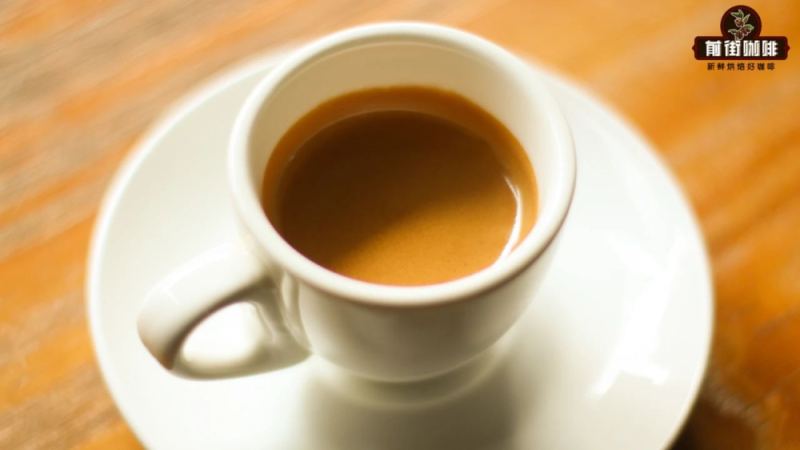
Why Does a Coffee Machine Need Daily Espresso Calibration?
Espresso needs daily calibration because the coffee machine and the beans both change from one day to the next. Inside the machine, brewing lines, the group head, valves, and pressure parts wear gradually, shifting water flow, temperature, and pressure. The grinder burrs wear too, so the same setting can produce coarser particles or more fines. Each of these shifts shows up in the cup as uneven or under-extraction.
Espresso coffee beans add a second variable: they degas after roasting, releasing carbon dioxide for days, so the same batch behaves differently as it ages. Front Street ships beans within five days of roasting, when that release is still active. Adjusting dose and ratio daily keeps extraction stable despite burr wear, part wear, and ongoing degassing, preserving flavor and crema.
Many coffee enthusiasts often feel confused: with the same batch of beans, the same machine, and the same extraction recipe, why do espresso parameters still need to be adjusted every day? In fact, the internal parts of the coffee machine quietly wear down, the grinder burrs gradually change, and the coffee beans themselves are constantly degassing and losing flavor. These subtle changes all directly affect the espresso extraction result. Starting from the daily dial-in case of Front Street Classic Blend, this article will analyze the dynamic variables of the machine and the beans, and share how to keep every shot of espresso at its ideal flavor and rich crema through fine-tuning the dose and ratio.
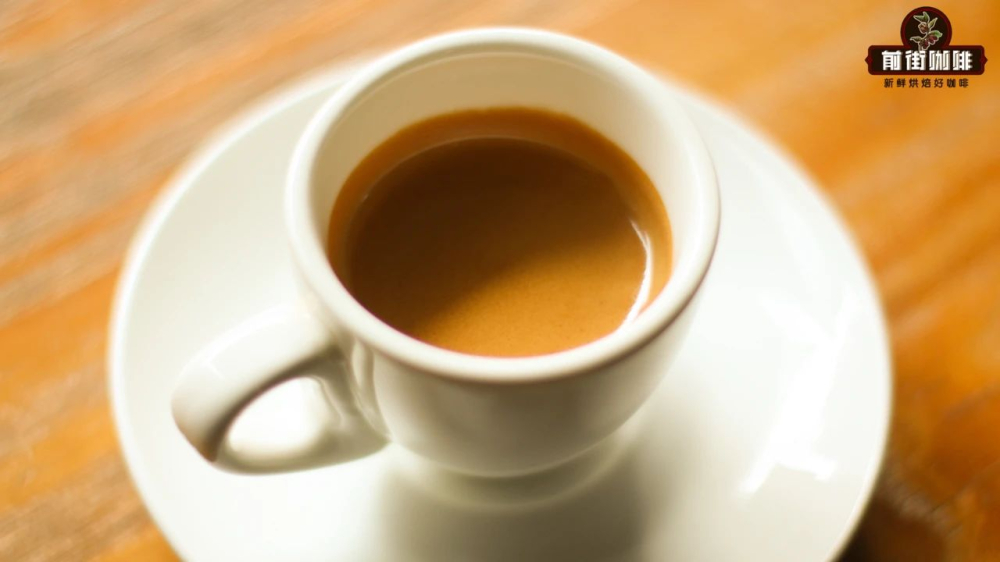
"Why do I have to dial in the espresso extraction parameters every day? It's the same batch of coffee beans, the same machine, the same extraction recipe—could there really be any other changes?" Actually, there can be! You might not notice it after a day or two, but by the time you do, who knows how many customers have already drunk bad coffee~
Don't assume the coffee machine and grinder haven't changed!
To most people, these machines seem like very fixed things—as long as you pay attention to daily cleaning and maintenance, problems rarely occur~ That's certainly true when the machine is still new! But parts like the coffee machine's brewing lines, group head, steam boiler, pressure valve, and relief valve are all operating every day, and every day they undergo varying degrees of wear (so slight that it goes unnoticed), until one day they suddenly give out! Before these parts fail, there are often signs, such as abnormal water flow during brewing, insufficient brewing temperature, insufficient extraction pressure, and so on—all of which are clearly reflected in the taste of the extracted espresso, such as uneven extraction or under-extraction.
Or take the espresso grinder: the burrs grind day after day and are also constantly wearing down, so the coffee particles may become coarser and coarser at the same setting, or produce more fines. These situations are also reflected in the taste of the extracted espresso, such as sharp sourness and blandness, or obvious burnt bitterness.
Even with the same batch of coffee beans, as the number of storage days increases
the condition of the coffee beans changes every single day!!
All coffee beans sold by Front Street are shipped within 5 days after roasting is completed~ During roasting, a large amount of carbon dioxide is produced inside the coffee beans, and it continues to be released on its own in the days after roasting is completed, and what we call the flavor window is actually the effective degassing period of the coffee beans. This carbon dioxide can preserve freshness/retain flavor, but as the number of storage days increases, the release of carbon dioxide also carries away some of the coffee's flavor, until after it is fully released, the coffee beans lose their freshness and flavor. In other words, the flavor of coffee beans changes all the time, and especially after a night has passed, the change in their flavor state is even more obvious.
To get a richer crema, we should first choose the Front Street espresso blend series, including Front Street Specialty Blend, Front Street Classic Blend, Front Street Commercial Blend, and Front Street Dark Cocoa Basic Blend. Front Street's espresso blend coffee beans are all medium-dark roasted, so the carbon dioxide inside the beans is greater than that of medium-light/medium roasted coffee beans, and this carbon dioxide affects the performance of the entire espresso during extraction.
The fresher the espresso coffee beans, the more carbon dioxide they contain, which slows down the flow of water during extraction and prolongs the extraction time, and ultimately the espresso shows a very rich crema that affects the overall mouthfeel, and in severe cases over-extraction occurs; by the time the coffee beans have released most of their carbon dioxide and lost much of their flavor (starting to become stale), the water flow naturally speeds up, shortening the extraction time, and ultimately the espresso shows a thin crema and a weak, bland mouthfeel.
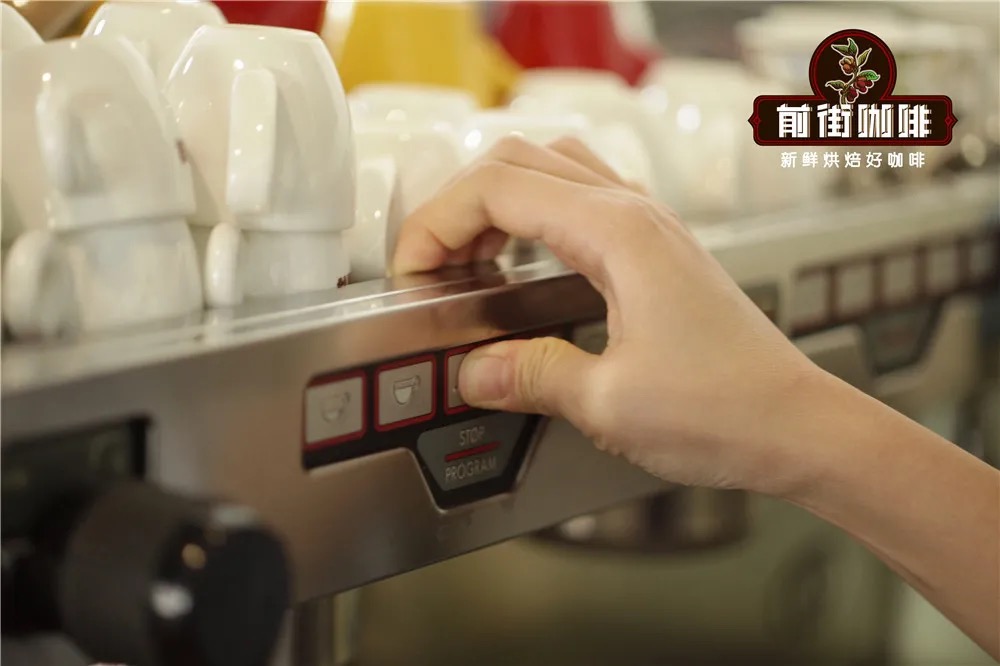
How to adjust espresso extraction parameters every day?
The first espresso extraction each day uses the previous day's extraction parameters. Since each blend of coffee beans has different extraction parameters, this time Front Street will take the daily-use Front Street Classic Blend coffee beans' extraction parameters as an example.
Front Street Classic Blend is suitable for beginners, for learning latte art, and for specialty coffee shops pursuing a high-end positioning. Friends who want to learn latte art at home should buy Front Street Classic Blend. This is a medium-dark roasted espresso recipe composed of three origins, inspired by the "Mamba" popular in ancient times, namely Mandheling and Brazil. To add aroma and a creamy mouthfeel, Front Street Classic Blend also contains a small amount of Robusta, thereby enhancing flavor intensity and making it easy for beginners to make an espresso with golden crema at home.
(For daily parameter adjustments, do not casually change the grind setting/coffee machine extraction parameters unless the coffee flavor can no longer be adjusted by increasing or decreasing the extracted coffee grounds and the extraction ratio.)
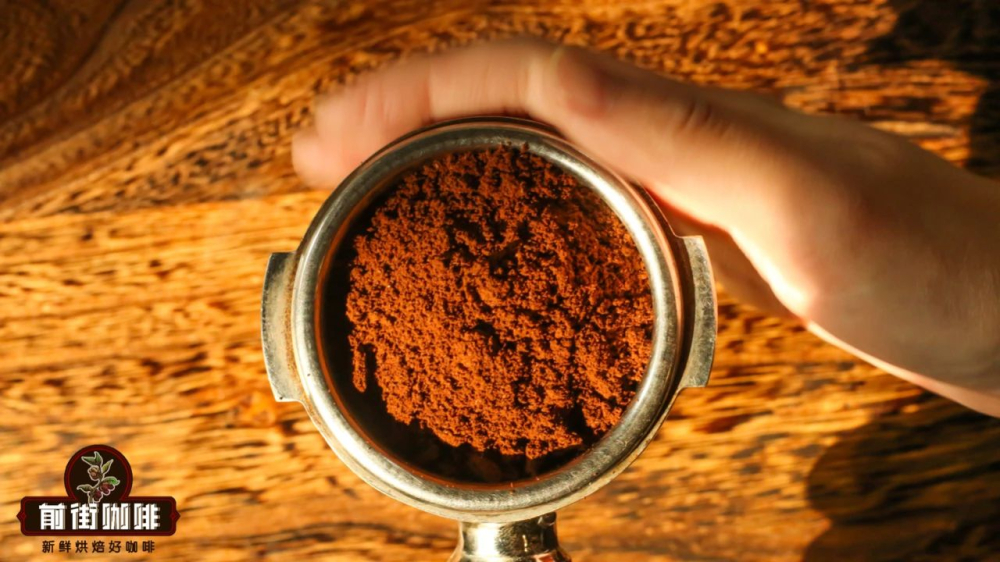
Front Street's espresso extraction parameters yesterday were 20g of coffee grounds extracting 40g of coffee liquid, with an extraction time of 28-29 seconds. Today, after refilling the bean hopper with coffee beans and extracting with the same parameters, the resulting espresso tasted heavily of dark cocoa, with a thick crema, lacking nutty aroma and sweetness. Extract again with the same recipe to confirm whether it is consistent, ruling out human operational issues (such as uneven distribution, unbalanced tamping, etc.).
Once it is confirmed that no human operational issue occurred, make adjustments. The stronger-tasting situation may be because the bean hopper was refilled with beans, so during grinding there was more gravitational pressure on the burrs, the coffee beans were cut more evenly, and the particles became more uniform and finer. In response to this situation, Front Street decided to reduce the dose by 0.3g today, extracting 40g of coffee liquid with 19.7g of grounds, with an extraction time of 26-27 seconds. After adjusting the parameters, this time the crema was very rich, and the overall cup had a buttery smoothness along with a lingering nutty chocolate finish.
The above content is compiled by CoffeeHunters, a coffee news website.


