







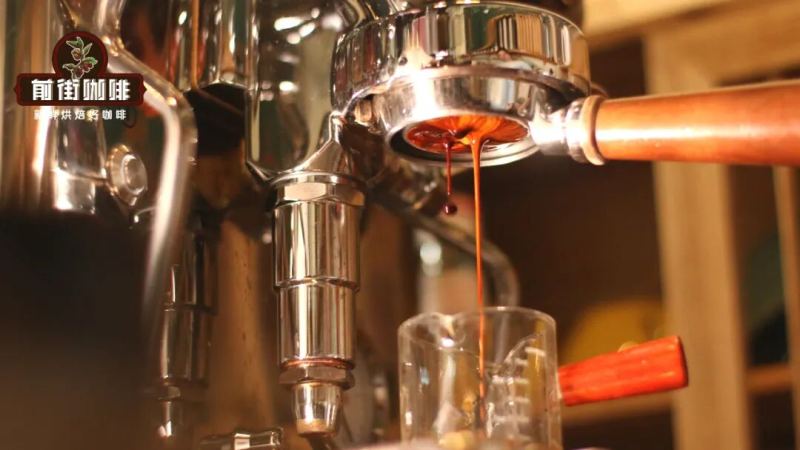
I wonder if you've ever seen this scene: a barista turns on the machine in the morning, and the first espresso pulled is not drunk, but "ruthlessly" poured down the drain, then they continue to pull the next shot. If a customer sees this, they'll ask why. If you're making coffee at home, do you need to do the same?
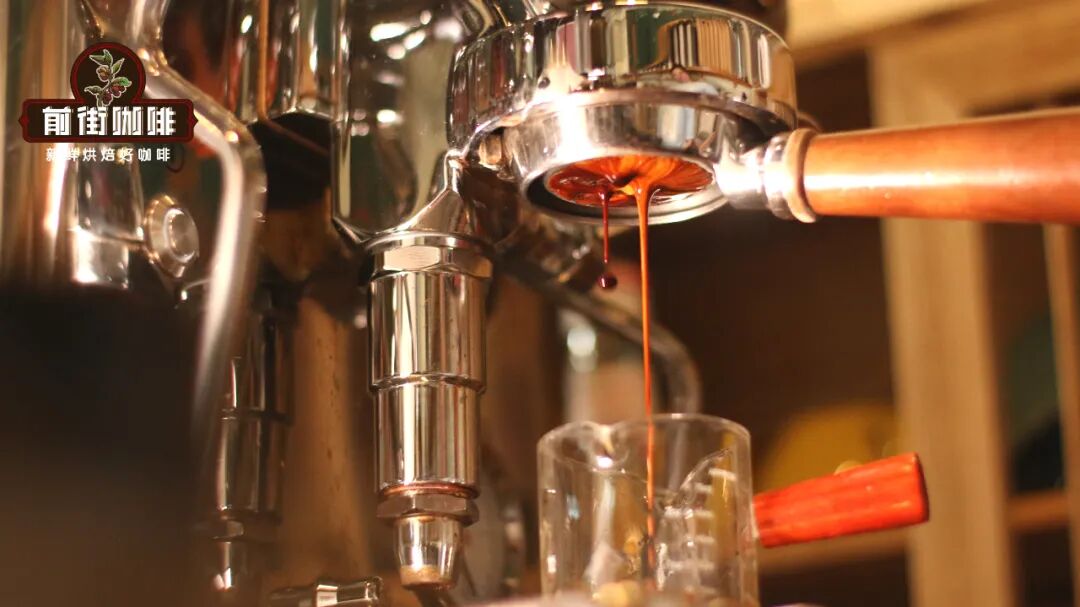
Why should the first espresso be poured out?
Take the habit at Front Street Coffee shops, for example. Before officially serving coffee, we need to go through an essential coffee dial-in process, which includes two tasks. First, pull a shot of espresso and pour it straight out, then taste the espresso (black coffee) and latte to make adjustments and determine the parameters for the day. This determines whether the coffee served all day will taste good. The reason the first espresso can't escape being poured out is that it's "substandard."
Residue of cleaning powder
Generally speaking, the espresso machines in coffee shops are not cheap. As long as they are properly maintained and cared for, their lifespan is quite long, and daily cleaning is one of the key factors in extending the equipment's life. After closing each day, baristas will perform a relatively deep cleaning of the coffee machine. Besides wiping away stains, they also use special cleaning powder to remove residual grime inside the group head.
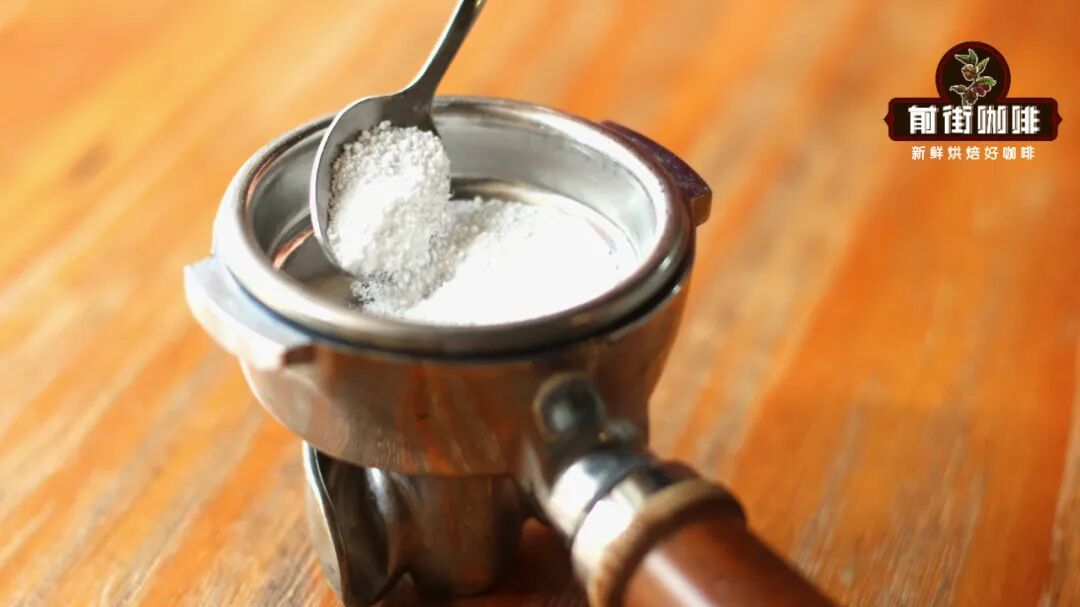
Although most of this powder will be dissolved or rinsed away by hot water, it's not ruled out that a tiny amount of cleaning powder may remain in the crevices of the group head. So to avoid these particles affecting the coffee's taste, and for health considerations, the first espresso after turning on the machine is usually poured out directly.
Overnight coffee grounds
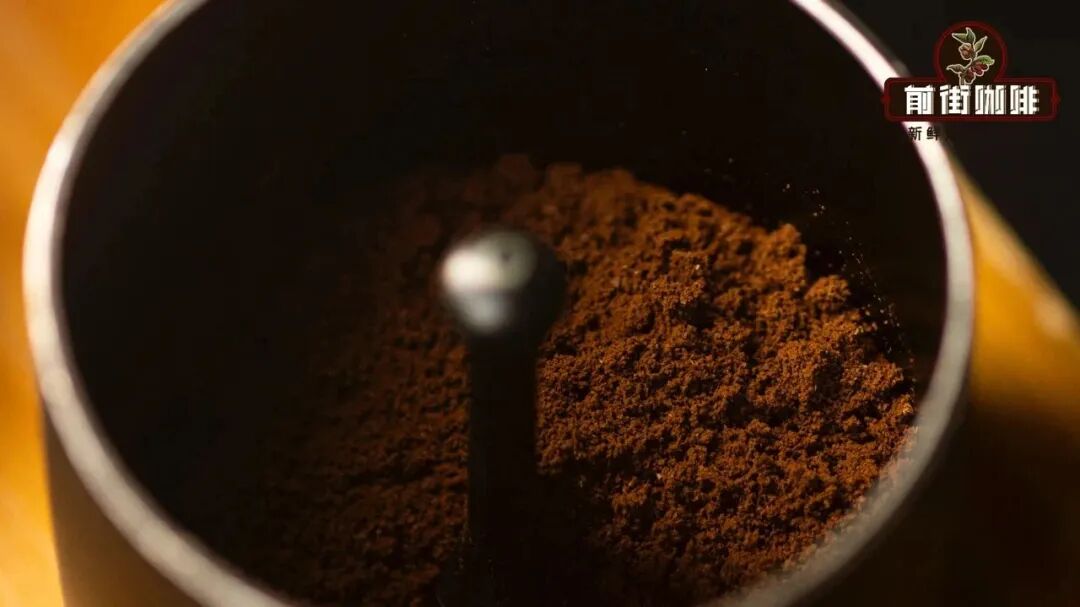
Compared to other grinding equipment, espresso grinders have longer internal pathways, which makes it easier for them to leave the previous batch of coffee grounds inside overnight. As Front Street Coffee often emphasizes, once coffee beans are ground into powder, both aroma and carbon dioxide gas dissipate at an accelerated rate over time. By the next day, this portion of coffee grounds not only lacks aroma but also affects the final flow rate because the carbon dioxide has escaped, so the espresso made from it has little reference value.
Unstable parameters of the coffee machine
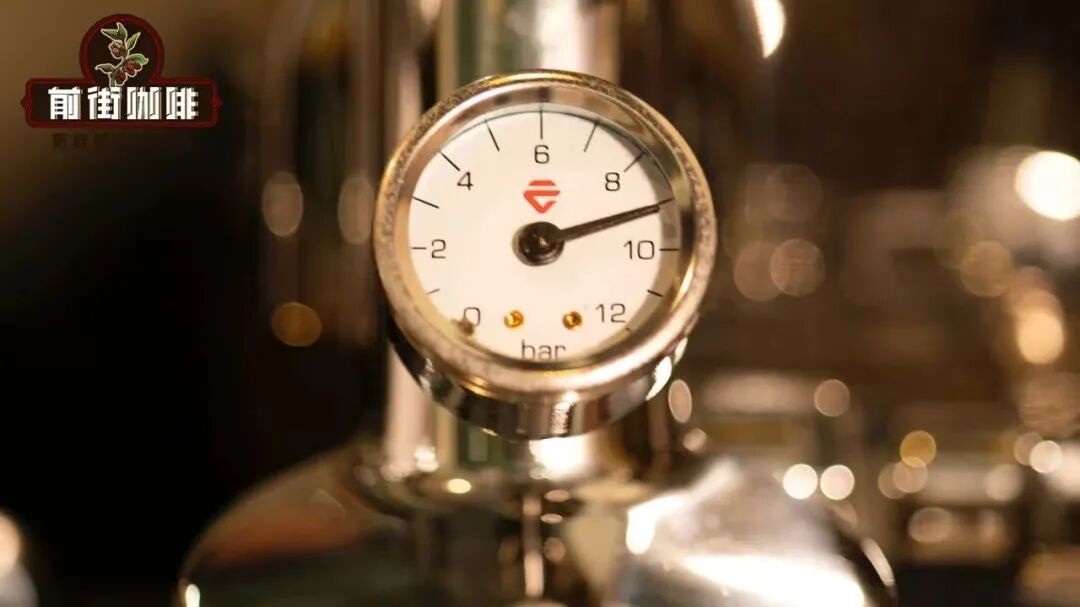
We all know that water temperature and pressure are important parameters for extracting espresso. After the barista turns on the machine, these two values will reach the set standard in about ten to twenty minutes. But in fact, parameters such as water temperature and pressure are not yet stable in the early stage after turning on, and coffee made at this time often suffers from under-extraction or over-extraction. For example, if the actual water temperature is too low, the espresso tastes sharply sour with a thin aroma. Going through a complete extraction process allows the coffee machine to officially complete its warm-up state.
Based on the above reasons, the barista's "wasteful act" of pouring out the first espresso after turning on the machine is more about making the coffee served daily at the shop taste better and more consistent. But for home coffee users, the situation is different.
Is it necessary to pour out the first espresso when making coffee at home?
You should know that the vast majority of households with espresso machinesusersbecause they make few cups, usually only 1–2 cups of coffee per day, so they don't adjust the grind often, let alone perform deep cleaning as frequently as coffee shops do. In this case, deliberately grinding a dose of coffee to make espresso after turning on the machine and then pouring it out is undoubtedly "extremely wasteful," and most people would be reluctant to do so. So for home coffee enthusiasts, Front Street Coffee's view is:
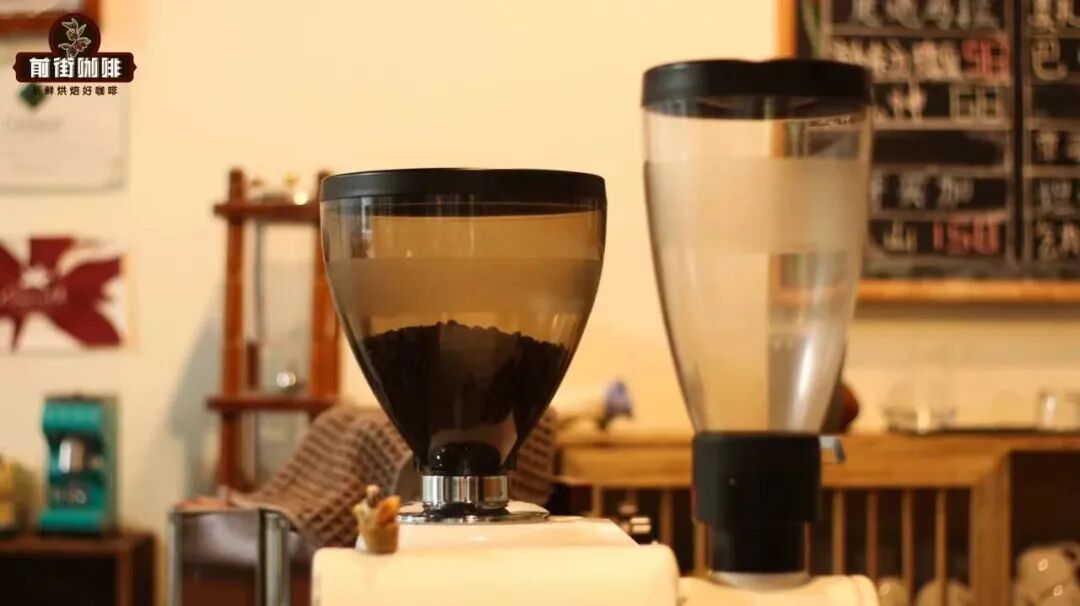
1. Some friends are used to weighing coffee beans before grinding, grinding only as much as needed. The biggest advantage of this method is that it's not easy for residual grounds to accumulate, so there's no need to purge. But for those who leave coffee beans in the hopper for a long time, the portion of overnight coffee grounds remaining in the pathway has already changed, therebyaffecting the taste of the first cup of coffee. Front Street Coffee still recommends discarding it, that is, before dosing,grind and discard 5–8g.
2. If you didn't use cleaning powder the day before, then naturally there's no need to deliberately use ashot of espresso to "rinse" it; but if we have already deep-cleaned the coffee machine, then we can be a bit clever and use a smaller dose (say 12g–15g), tamp it firmly, and pull a shot of espresso to "force" out the cleaning powder hidden in the crevices of the group head.
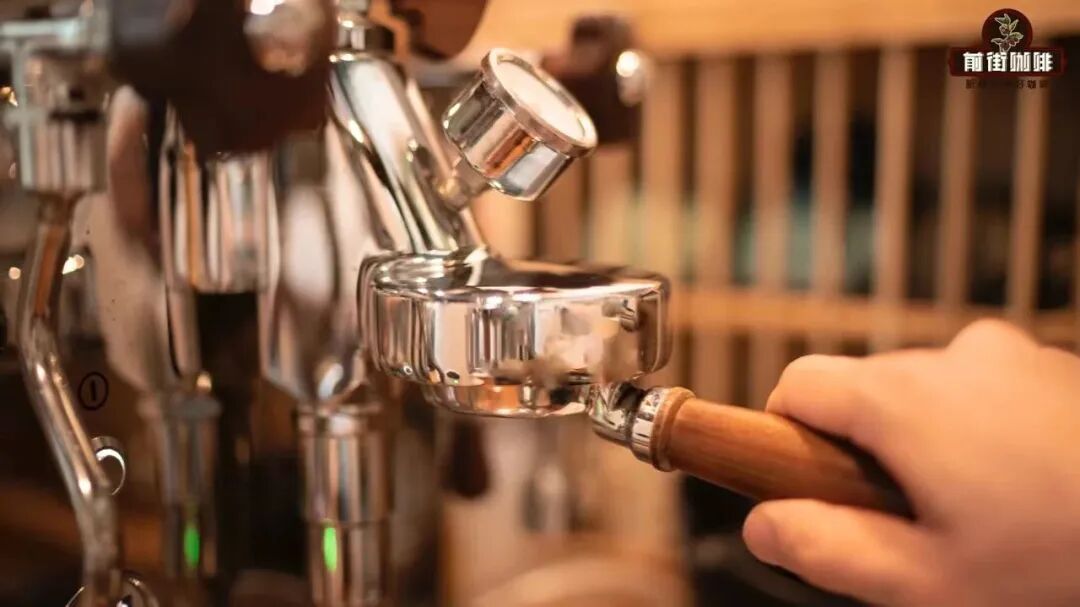
3. After the coffee machine reaches the preset temperature, don't rush to make coffee. Wait another 5–10 minutes to let the internal temperature fully rise. Then, attach the portafilter directly to the group head, run hot water without coffee for about 6–8 seconds, repeat 4–5 times. This will allow the machine to fully preheat.
The above content is compiled by CoffeeHunters, a coffee news website.


