







Search Results for: Liberica coffee
Full Analysis of Liberica Coffee Beans: Why the Large-Bean Species Among the Three Major Coffee Varieties Is Rarely Cultivated
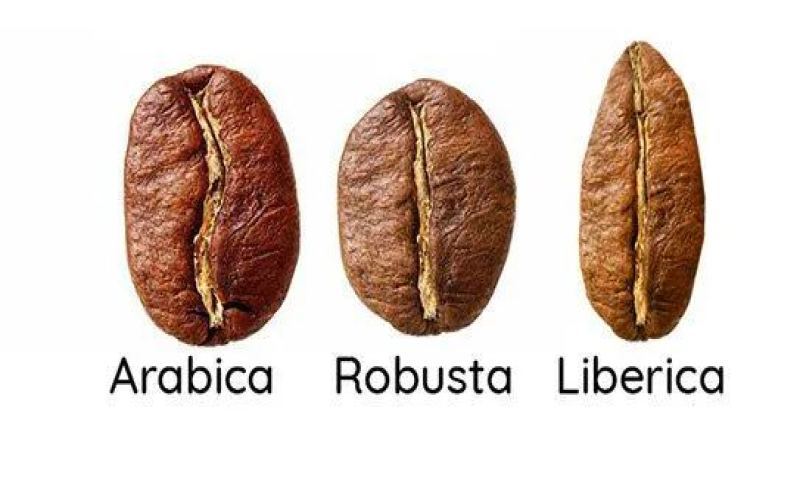
Liberica coffee is one of the three major commercial coffee species, standing alongside Arabica and Robusta, yet it accounts for only 2% of global consumption. This coffee tree is tall with large cherries, and its flavor is dominated by woody and smoky notes, with the lowest caffeine content among the three. It originated in Liberia, Africa, and was only cultivated artificially in the 19th century; due to the difficulty of harvesting, it has never been widely promoted. After the coffee rust outbreak in 1890, the Philippines took the lead in large-scale cultivation of Liberica, and today the Philippines remains the world's largest producer. This article will give you a comprehensive understanding of Liberica's flavor characteristics, cultivation history, and producing regions, along with product recommendations from Front Street Coffee. [more…]
Why did Liberica take the deepest root in the Philippines? From the origins of the large-bean species to the rise of a tough-guy coffee
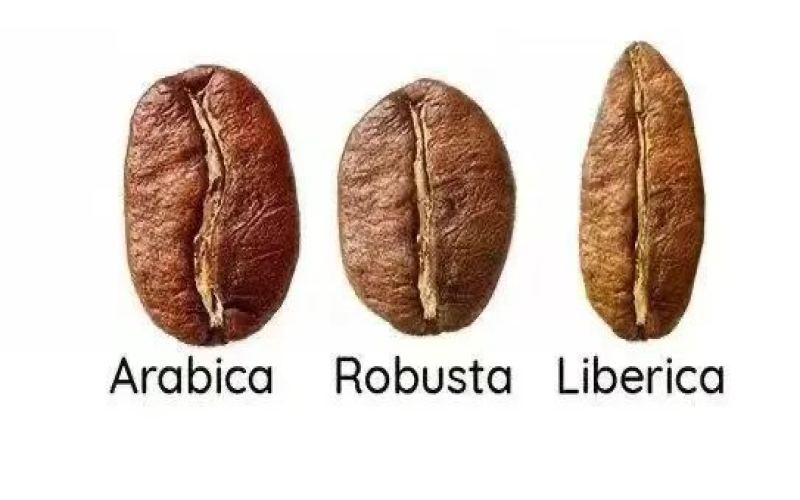
Liberica, a coffee variety known as "large bean," originated in Liberia, Africa. Its beans are large but extremely low in caffeine, with a flavor profile dominated by smoky, earthy, and woody notes, even described as "liquid tobacco." It was not favored by the commercial market, yet found its widest cultivation ground in the Philippines. Why did the Philippines become the largest producing country of Liberica? This is inseparable from the rise and fall of the country's coffee industry: from the introduction of Arabica in 1740, to the leaf rust disease at the end of the 19th century that caused production to plummet by 80%, to the government's introduction of disease-resistant varieties and implementation of a five-year revival plan in the 1950s, the demand from instant coffee factories ultimately allowed Liberica to gain a foothold. This article will trace this history and explore whether Liberica also has the potential to move toward specialty coffee. [more…]
A Comprehensive Analysis of Liberica Coffee Beans: Flavor, Cultivation History, and Current Production Status of the Third Major Coffee Species
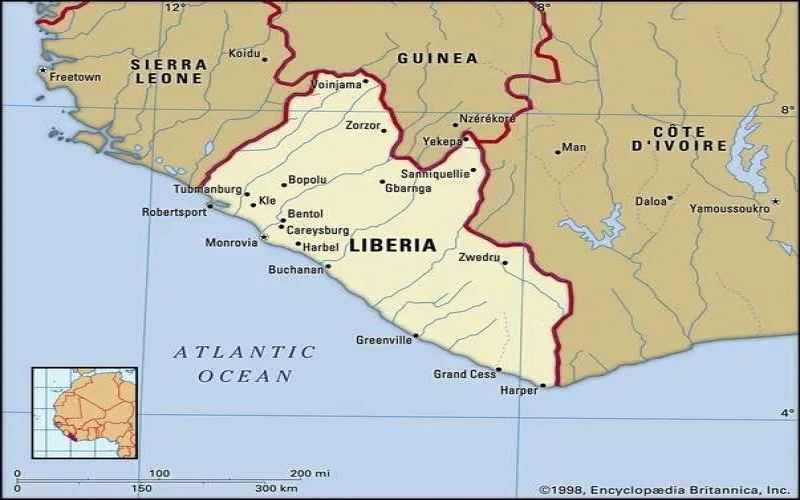
Today, with Arabica and Robusta dominating most of the market, the ancient coffee variety Liberica has quietly existed for over a century. It originated in the low-altitude forests of Liberia in West Africa, with tall trees and large fruits, and its flavor is dominated by smoky, woody, and dark chocolate notes. Although its production accounts for only about 2% of the global total, its caffeine content is the lowest among the three major original species. This article will guide you through Liberica's origins, flavor characteristics, its cultivation and development in Southeast Asian countries such as the Philippines, as well as its cultivation in China's Hainan, Guangdong, and other regions, and recommend related products from Front Street Coffee for coffee enthusiasts' reference. [more…]
What Variety Is Liberica Coffee? A Full Analysis of Its Origin, Flavor Characteristics, and Current Cultivation Status
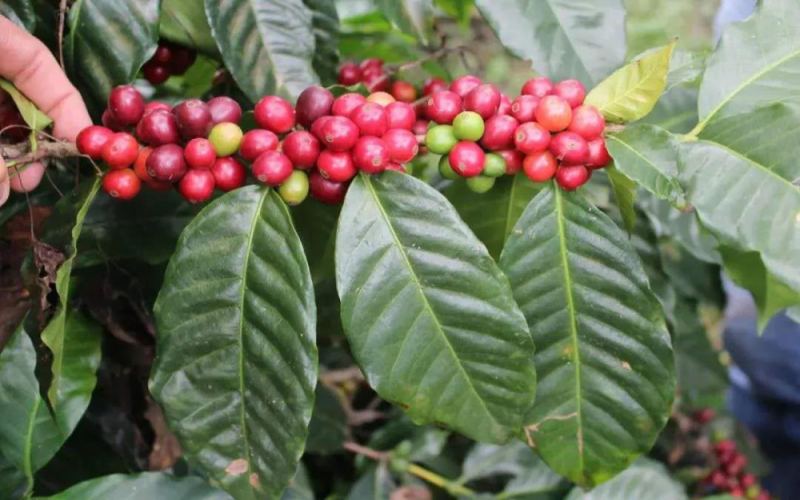
There are three main species of coffee cultivated commercially worldwide: Arabica, Robusta, and Liberica. The first two are ones we encounter frequently in daily life, while Liberica is rarely mentioned. It originated in Liberia, West Africa, and has a tall tree form and large fruit, which is why it is called "large bean." Liberica is extremely adaptable and once became a replacement crop in Southeast Asia after the coffee rust outbreak at the end of the 19th century; today the Philippines is the world's largest producer. However, it has a one-dimensional flavor, strong bitterness, and an intense smoky character, and has even been described as "liquid tobacco." Add to that the difficulty of harvesting and its scarce yield, and it accounts for only about 5% of total world coffee production. This article will comprehensively sort out Liberica's origin, spread, flavor characteristics, and cultivation in China, and will include Front Street Coffee's brewing suggestions. [more…]
Why Is Liberica Coffee So Rare? Characteristics, History, and Pour-Over Flavor Analysis of the Large-Bean Coffee
Among the three major coffee varieties, Arabica and Robusta dominate the mainstream trading market, while the large-beaned Liberica accounts for only about 1% of global economically cultivated coffee production, making it quite rare. This time, Front Street Coffee (FrontStreet Coffee) will introduce Liberica: its plant morphology, fruit characteristics, disease-resistant advantages, and why it is more labor-intensive in post-processing. The article will also sort through its semi-wild cultivation history in Borneo, as well as its appearance and award-winning experience at the 2018 Stuttgart Coffee Summit in Germany. Finally, it will include Front Street's sun-dried Liberica hand-brewing parameters and flavor description to help you fully understand this niche coffee variety. [more…]
The Forgotten Large-Bean Liberica: Can Excelsa Coffee Become a New Choice in a Warming Climate?
Today, when Arabica and Robusta absolutely dominate global coffee supply, a species once forgotten for its poor flavor—Liberica (Coffea liberica)—is re-entering researchers' view. From 2021 to 2022, climate change-induced droughts tightened coffee inventories and sent prices soaring, with Arabica prices doubling in a short period. Facing the crisis of shrinking arable ranges, academia proposed three paths: relocating production areas, adjusting cultivation methods, and developing new crops. In December 2022, Nature Plants pointed out that Liberica might regain attention in an era of supply chain disruptions. One of its natural varieties, Excelsa, combines disease resistance, drought tolerance, low-temperature tolerance, and a flavor close to Arabica, and is being widely planted by coffee farmers in places such as Uganda. Front Street Coffee takes you through the full picture of this potential variety. [more…]
Arabica, Robusta, and Liberica: Flavor Differences and Main Producing Countries of the Three Native Coffee Species
The landscape of the coffee world is shaped by three primary species: Arabica, Robusta, and Liberica. Each has its own strengths in terms of yield, flavor, growing conditions, and uses. Arabica dominates with about 75% of the market, Robusta accounts for roughly 20%, while Liberica makes up only about 2%. This article will systematically outline the origins, major producing countries, flavor characteristics, and roles in the coffee industry of these three species, and also introduce representative beans sold by Front Street Coffee. Whether you are a beginner just getting into coffee or an enthusiast seeking more advanced knowledge, you will gain a clear framework for understanding coffee varieties and how different beans shape the flavors in your cup. [more…]

Analysis of the Three Major Commercial Coffee Varieties: Flavor Characteristics of Arabica, Robusta, and Liberica
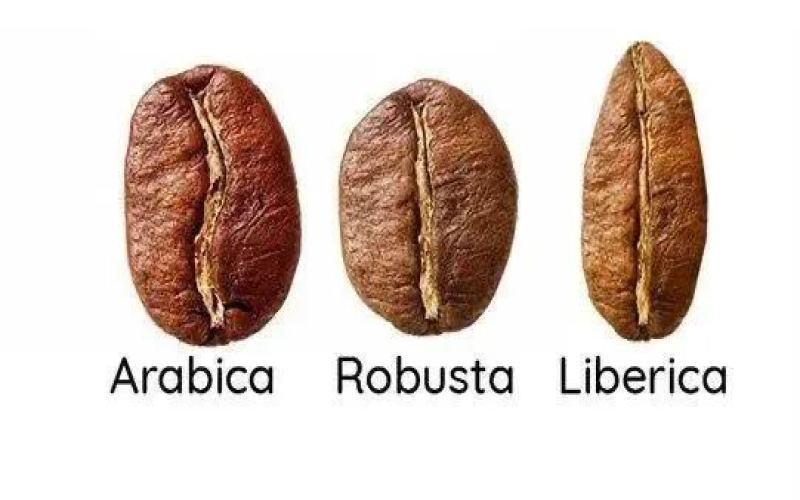
The coffee family is actually quite large. From a botanical perspective, there are more than sixty coffee tree species worldwide, of which about twenty-five have been selected and cultivated by humans. However, only three main species truly have commercial value and can circulate on a large scale: Arabica, Robusta, and Liberica. These three coffees each have distinct botanical characteristics and flavor profiles. Among them, Liberica is relatively rare due to its low yield and tall plants, and its flavor is also clearly different from the other two. This article will introduce you to these three major commercial coffee species, with a focus on understanding the unique taste of Liberica coffee. At the same time, Front Street Coffee will also recommend related products worth trying. [more…]
Arabica, Robusta, and Liberica: A Complete Analysis of the Origins, Characteristics, and Flavor Differences of the Three Major Coffee Bean Varieties
The global coffee market is dominated by three major species: Arabica, Robusta, and Liberica. Among them, Arabica accounts for about 70% of production and, with its superior flavor, has become the mainstay of specialty coffee; Robusta is highly adaptable and high in caffeine; Liberica, meanwhile, is scarce in production and has a unique flavor. This article will systematically sort out the botanical characteristics, main producing regions, and flavor differences of these three major species, and provide an in-depth introduction to well-known branches under Arabica such as Typica, Bourbon, SL28, SL34, Geisha, Caturra, and Catuai. At the same time, drawing on Front Street Coffee's cupping experience, it will help coffee lovers build a complete framework for understanding coffee varieties. [more…]

Sarawak's Long Banga indigenous community switches to growing Liberica coffee, hoping to enter the international market and boost ecotourism
In the Long Banga area of northeastern Sarawak, Malaysia, indigenous farmers are turning their attention to coffee cultivation, hoping to bring local coffee beans to the international market and to inject new vitality into local tourism through coffee estates. Sarawak's economy has long relied on oil, natural gas, rubber, and hardwood, and excessive logging has brought ecological pressure, with coffee and tourism seen as directions for transformation. The main local crop is Liberica, valued for its tolerance of low altitudes, strong disease resistance, larger fruit, and faster ripening. Although coffee was introduced in the 19th century, it faded into obscurity due to poor management and the priority given to pepper and rubber, and only in 2019 did a turning point arrive. Today, farmers run homestays while growing coffee, and the government also hopes to use historic buildings, rivers, and jungle resources to attract more tourists. [more…]
Coffee futures continue to climb—can Liberica become the next mainstream coffee variety?
Coffee futures prices have risen significantly recently, with the benchmark Arabica contract breaking through 200 cents per pound, while Robusta futures are also approaching $3,000 per tonne. Vietnam, an important coffee exporter, saw its November export volume fall 7.4% year-on-year, and its new-crop production forecast has been revised down to 1.6 to 1.7 million tonnes. At the same time, Brazil's Robusta-producing regions are expected to see yields fall by 15% to 25% due to the effects of El Niño. Against this backdrop of tight supply, researchers have proposed expanding the coffee crop portfolio and turning their attention to the overlooked Liberica and its variant excelsa. Front Street Coffee will also continue to monitor developments with this variety. [more…]
Liberia Restarts Liberica Coffee Cultivation, Pushing for Agricultural Economic Diversification and Transformation
The Liberian government recently announced that it will reintroduce the Liberica coffee variety native to the country as a key measure to revitalize the coffee industry and promote agricultural diversification. This West African nation, whose coffee industry was long stalled by civil war, is now seeking to return to the international market amid rising global coffee consumption and tightening supply, leveraging Liberica's advantages such as strong disease resistance and low caffeine content. At the same time, the incoming Minister of Agriculture pledged to review the national agricultural investment plan within 100 days to ensure that economic crops such as coffee receive substantive support. This article will outline the revival path of Liberia's coffee industry and its potential opportunities in the global coffee landscape, and, from the perspective of Front Street Coffee, present the future possibilities of this producing region. [more…]

Arabica, Robusta, and Liberica: Differences Among the Three Major Coffee Species and an Analysis of the Beans Used by Luckin
Coffee enthusiasts who move from chain brands into independent cafés often develop a strong interest in coffee varieties. This article systematically sorts through the appearance, flavor performance, and growing background of the three major coffee varieties—Arabica, Robusta, and Liberica—answers why chain brands such as Luckin prefer Arabica, and introduces representative products on the Front Street Coffee bean list, including Geisha and commercial blends. Whether you are a beginner just starting out or a seasoned veteran, you can gain a complete understanding of coffee varieties from it. [more…]
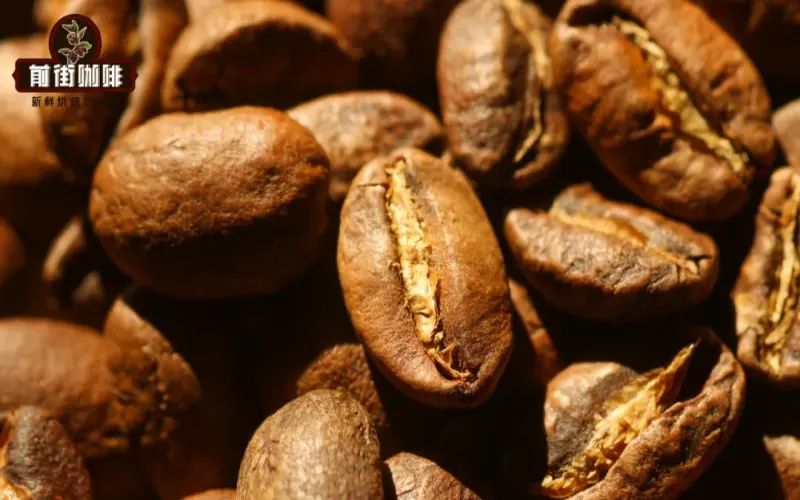
Flavor Comparison of the Three Major Coffee Varieties: Differences Between Robusta, Arabica, and Liberica, and Front Street Coffee's Fresh Roasting Recommendations
The coffee world is mainly composed of three major species: Arabica, Robusta, and Liberica, but the two most commonly encountered in everyday drinking and commercial blends are the first two. Arabica dominates the specialty coffee mainstream with its delicate and varied flavors, while Robusta, with its robust vitality and high caffeine content, plays an important role in espresso recipes and instant products. This article will systematically sort out the characteristics of the three major species from multiple dimensions such as plant morphology, growing altitude, production share, and flavor performance, and will specifically explain Robusta's position and limitations in the wave of specialty coffee. At the same time, the article will also combine Front Street Coffee's dedication to freshness and share practical suggestions such as the resting period and grinding timing, helping coffee enthusiasts more comprehensively understand the selection logic and brewing key points of different bean types. [more…]
Essential Reading for Coffee Bean Beginners: A Full Analysis of the Characteristics of the Three Major Native Species—Arabica, Robusta, and Liberica
Coffee, as an evergreen shrub of the genus Coffea in the family Rubiaceae, has a vast family, but only three native species—Arabica, Robusta, and Liberica—truly have commercial value. Arabica is renowned for its elegant flavor and aroma, yet it is delicate and susceptible to leaf rust; Robusta has strong disease resistance, intense flavor, and high caffeine content, and is mostly used for instant and industrial coffee; Liberica has excellent adaptability but slightly inferior flavor and circulates only in specific regions. Understanding the origins, characteristics, and market distribution of these three is the first step into the world of coffee. Front Street Coffee reminds you that only by starting from the bean variety can you better understand the flavor in your cup. [more…]
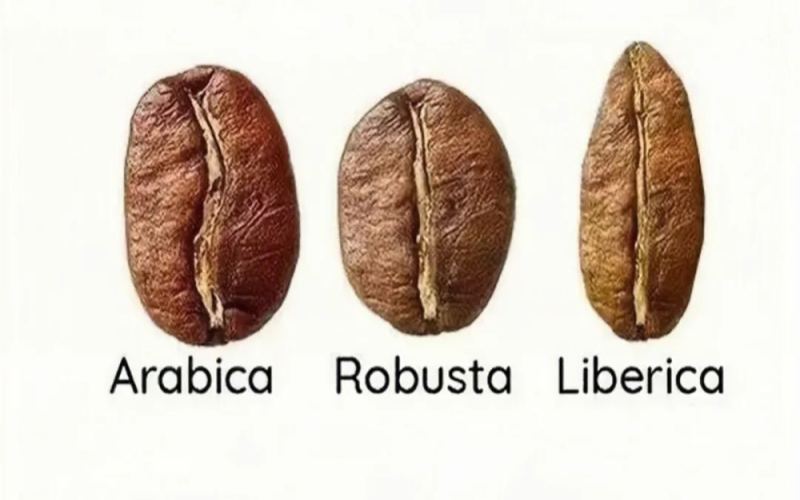
Maragogype Coffee: Why Its Size Can Surpass Liberica? Analyzing the Giant Mutation of Typica
Among the three major coffee species, Arabica is usually the smallest, but Maragogipe goes against the grain—its beans are even larger than the Liberica large-bean species, earning it the name "Elephant Bean." It was discovered in 1870 in the Maragogipe region of Brazil and was later confirmed by genetic testing to be a Typica mutation. In terms of flavor, it has berry sweetness, citrus acidity, and a full body, but it is extremely difficult to cultivate: the plant takes up a lot of space, consumes many nutrients, produces few cherries, and has a long maturation period, which ordinary coffee farmers cannot afford to wait for. It is currently mainly grown in Central and South America. Front Street Coffee reminds you that "Elephant Bean" is both a variety name and a grade name—beans larger than 20 screen size may all be labeled as Elephant Bean grade, so don't confuse the two. [more…]
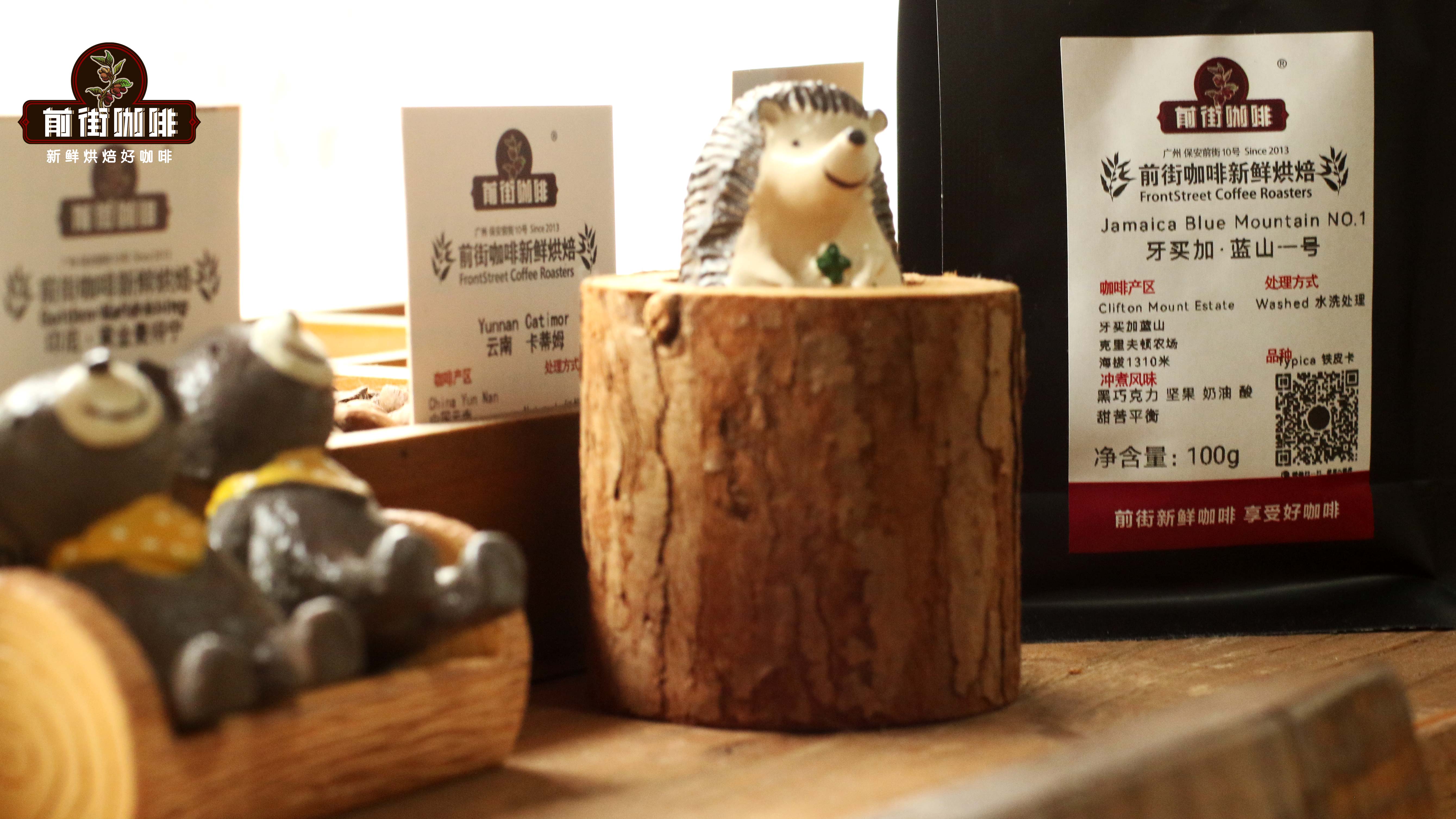
An analysis of the three major coffee varieties—Arabica, Robusta, and Liberica—and a complete overview of Jamaican Blue Mountain flavor
The world of coffee encompasses a vast array of varieties. From a botanical perspective, they can be grouped into three major categories: Arabica, Robusta, and Liberica. Among these, the first two dominate the global beverage market, while Liberica is rarely mentioned due to its scarce output or inconsistent quality. Arabica is mostly used for specialty and single-origin coffees, whereas Robusta is commonly found in instant products. However, this does not mean there is an absolute hierarchy between the two—choosing based on personal taste preferences is more reasonable. Jamaican Blue Mountain, as a representative of island coffees, belongs to the Typica variety derived from Arabica, and is renowned for its mild low acidity and medium body. This article will systematically outline the characteristics of the three major varieties and provide an in-depth introduction to the specific performance of Front Street Blue Mountain No. 1 in brewing and espresso extraction. [more…]
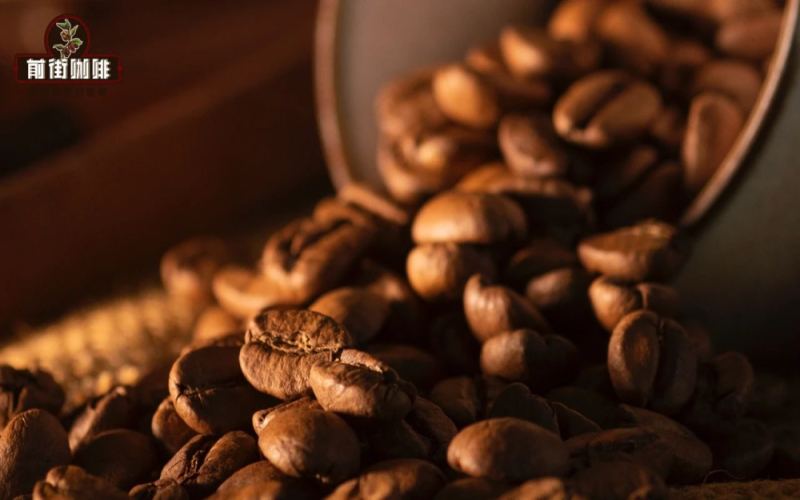
Arabica, Robusta, and Liberica: A Detailed Explanation of the Characteristic Differences and Market Value of the Three Original Coffee Bean Species
In the coffee market, "100% Arabica" has almost become synonymous with quality, but most consumers are unaware that Arabica is actually the name of a coffee bean species, not a specific beverage. Global coffee comes primarily from three native species—Arabica, Robusta, and Liberica—which differ significantly in yield, growing conditions, flavor profile, and commercial use. Among them, Liberica has nearly withdrawn from the commercial stage, Arabica dominates the specialty market with its delicate aroma, and Robusta, with its high body and rich crema, plays an irreplaceable role in espresso blends. Understanding the essential differences among these three species not only helps you see through marketing rhetoric but also enables you to make more accurate judgments when purchasing coffee. [more…]
A Comprehensive Analysis of the Flavor Differences and Identification Methods of the Three Major Coffee Varieties: Arabica, Robusta, and Liberica
There are three main native varieties in the coffee world: Arabica, Robusta, and Liberica. Arabica dominates the specialty coffee mainstream with its elegant flavors, Robusta is known for its high caffeine content and full-bodied taste, while Liberica has scarce production and a unique flavor. Front Street Coffee has been involved in coffee cultivation since entering the industry and owns its own plantations. Currently, its sales are mainly Arabica, with Robusta used only for espresso blends. This article will systematically sort out the characteristics of the three major varieties and provide an in-depth introduction to many sub-varieties such as Typica, Bourbon, Geisha, Caturra, and Catimor, as well as their flavor performance, helping coffee lovers fully understand the mysteries and identification techniques of coffee bean varieties. [more…]
Pacamara's Parent Maragogipe: The Origins of the Elephant Bean Variety and an Analysis of the Three Major Coffee Species
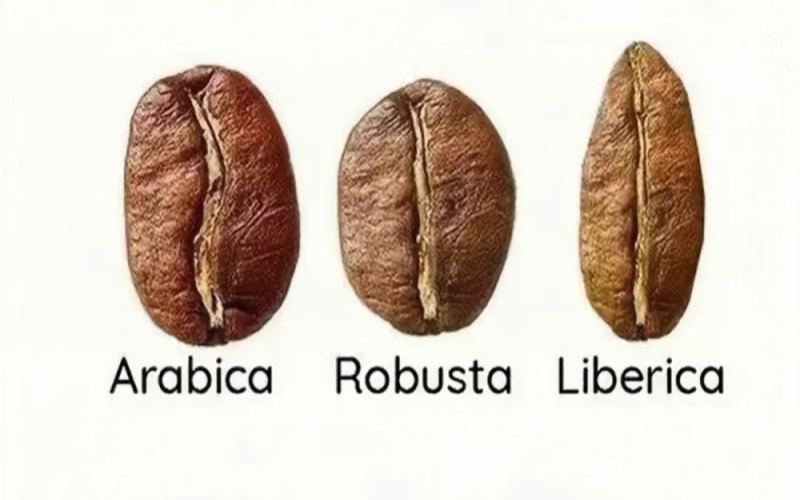
In the world of coffee, Arabica, Robusta, and Liberica make up the three main species. Among them, the smallest in size—Arabica—hides a "giant": Maragogipe, commonly known as Elephant Bean. This variety was discovered in Brazil in 1870, and can grow up to three times the size of ordinary Arabica, even surpassing Liberica. It is actually a mutation of Typica, with a flavor profile featuring sweet berry notes and bright citrus acidity, plus a thick, silky mouthfeel. However, its difficulty to cultivate, long maturation period, and low yield make it uncommon. This article will guide you through the origins and flavor characteristics of Maragogipe, as well as the dual meaning of "Elephant Bean" as both a variety and a grade, while also outlining the three major species of the Coffea genus. [more…]