







How did Liberica coffee history unfold in the Philippines?
Liberica coffee originated in Liberia and became the variety most widely planted in the Philippines. The large bean, sometimes called the giant bean, holds roughly 1% caffeine by bean weight, less than Arabica's 1.2% and Robusta's 2% to 4%. Its smoky, earthy, woody flavor, once likened to liquid tobacco, kept it out of the commercial market for years.
Liberica coffee history in the Philippines tracks the country's wider coffee rise and fall: Arabica arrived in 1740, leaf rust cut production by 80% in the late nineteenth century, and government programs in the 1950s introduced disease-resistant varieties. Demand from instant coffee factories later gave Liberica a firm foothold, though its caffeine content stayed low.
Liberica, a coffee variety known as "the giant bean," originated in the African country of Liberia. Its beans are large but extremely low in caffeine, with a flavor profile dominated by smoky, earthy, and woody notes—so much so that it has even been described as "liquid tobacco." Though long shunned by the commercial market, it found its widest cultivation ground in the Philippines. Why did the Philippines become the largest producer of Liberica? This is inseparable from the rise and fall of the country's coffee industry: from the introduction of Arabica in 1740, to leaf rust causing an 80% drop in production at the end of the nineteenth century, to the government introducing disease-resistant varieties in the 1950s and implementing a five-year revival plan, and finally the demand from instant coffee factories that allowed Liberica to gain a firm foothold. This article will trace this history and explore whether Liberica also has the potential to move toward specialty coffee.
Liberica
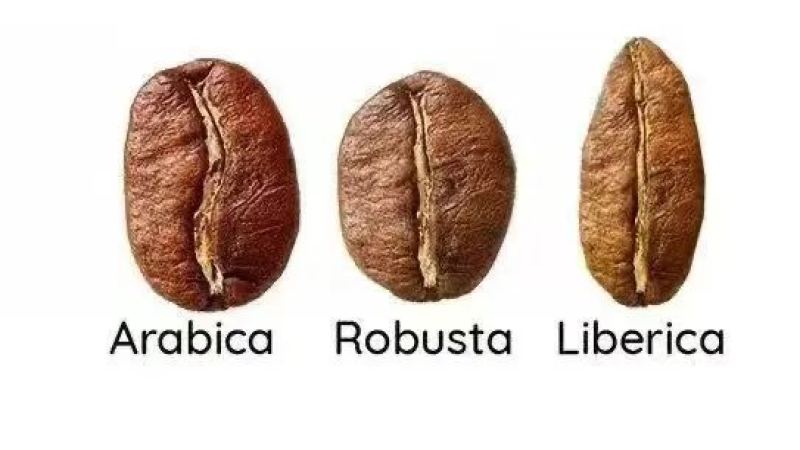
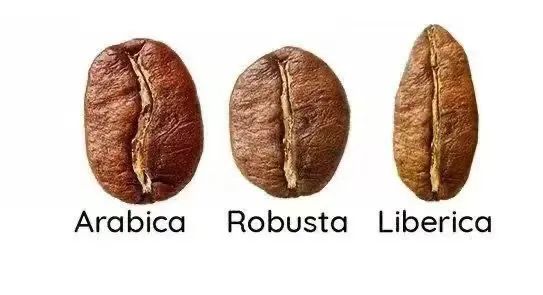
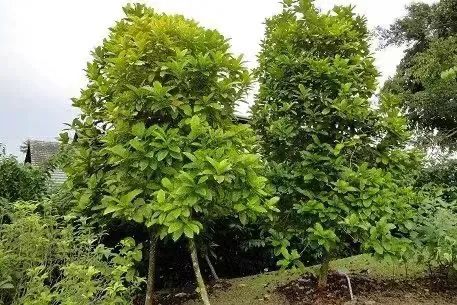
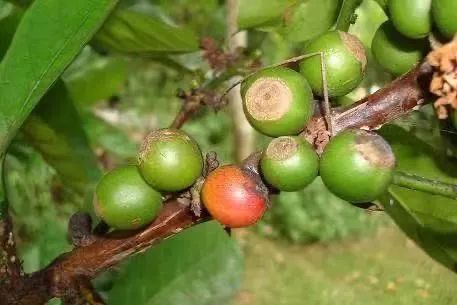
The Liberica variety was first discovered in a small West African country called Liberia, from which its name derives. It typically grows in low-altitude forest environments. Because the Liberica tree can reach 6 to 20 meters in height and produces fruit larger than Arabica and Robusta, it earned the title "giant bean."
Despite its size, Liberica does not contain caffeine proportional to its bulk, as Robusta does. We often hear Robusta compared with Arabica, and Robusta's advantages are always summed up as "large beans, high caffeine, strong kick." This kind of statement easily leads people to directly equate bean size with caffeine content. That is not the case—although Liberica beans are large, their caffeine content is even lower than that of Arabica.
Scientific research shows that Robusta's caffeine accounts for about 2% to 4% of its bean weight; Arabica about 1.2%; and Liberica only about 1%.
However, having far less caffeine than the other two varieties has not made Liberica's flavor any more impressive. Its flavor is dominated by a heavy smoky aroma, and even carries negative notes of earth and wood that have been described as "wild," making it overall far inferior to Arabica and Robusta. Some simply describe it as liquid tobacco—that dull, melancholic character much like the smell given off by burning dry grass. Therefore, in the Philippines, where Liberica is most widely grown, locals call the coffee made from it "tough guy coffee."
Cultivation of Liberica
Its tall tree shape makes harvesting quite difficult, so although Liberica was discovered as early as the nineteenth century, few places have actually grown it on a large scale—the Philippines being an exception.
Beans produced in the Philippines are almost nowhere to be seen on the market, mainly because the country's current coffee production is only enough to meet strong local demand. Surprisingly, the Philippines' cultivation history is utterly mismatched with its present output—as early as 1740, they had already begun growing Arabica.
In the 1880s, the Philippines even rose to become the world's fourth-largest coffee-producing country, a situation completely different from today. But early coffee-growing regions could hardly escape the shadow of leaf rust, and the Philippines was no exception.
In 1889, this leaf rust, which swept across many countries, finally spread to the Philippines. The disease, combined with severe pest damage, caused the country's coffee production to plummet by 80% within two years. Large numbers of coffee farmers switched to other cash crops, and the Philippine coffee industry stagnated for a full fifty years.
It was not until the 1950s that the Philippine government, in order to revive the coffee industry, introduced disease-resistant Robusta and Liberica from abroad and formulated a five-year plan, aiming to restore the coffee industry within five years. In fact, this plan "could be said" to have succeeded.
In 1962, the Philippines finally no longer depended on imported coffee, and domestic production recovered to the point of self-sufficiency. A large share of the demand came from instant coffee factories across the Philippines, and Liberica with its "tough guy flavor" was one of the varieties they needed, although what they needed more of was Robusta.
But this was already enough to make the Philippines the largest grower of Liberica—after all, apart from it, few other countries grow this variety on a large scale.
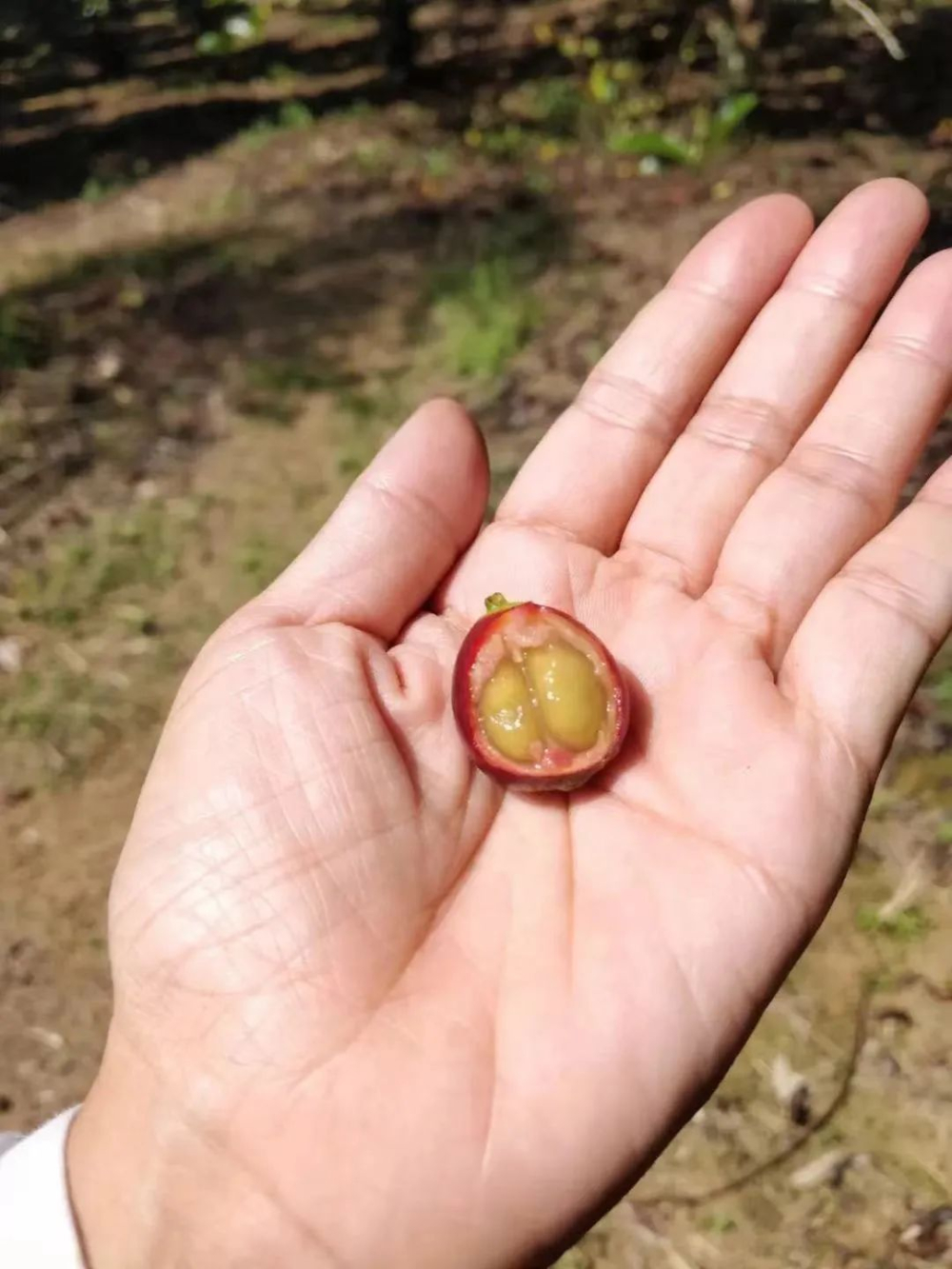
As mentioned at the beginning, there is no place for Liberica in today's commercial coffee market. If Liberica were cultivated the way Arabica is, as is done with Robusta, one wonders whether it too could produce "specialty-grade" Liberica, just as Robusta has.
Front Street Coffee
No. 10, Baoqian Street, Yandun Road, Dongshankou, Yuexiu District, Guangzhou, Guangdong Province
The above content is compiled by CoffeeHunters, a coffee news website.


