







Why Is Liberia Returning to Liberica Coffee Cultivation?
The Liberian government announced it will reintroduce Liberica coffee, the variety native to the country, as a central measure to revive its coffee industry and diversify agriculture. Liberia was once a major coffee exporter, but civil war from 1989 to 2003 halted the sector, and coffee has since received little direct government support.
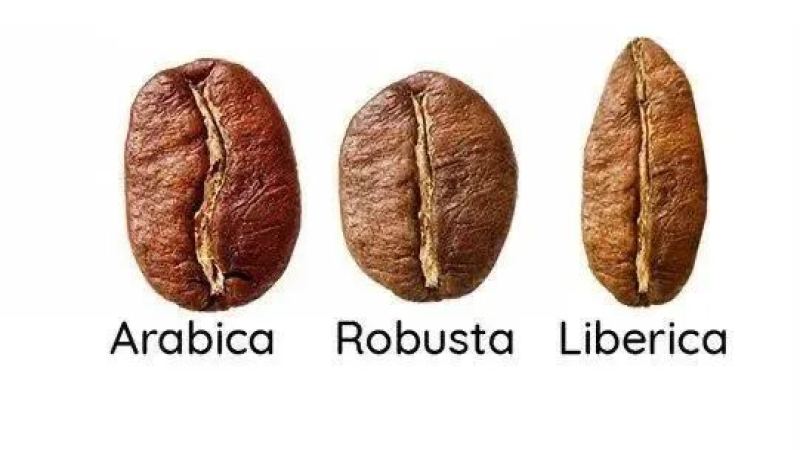
Liberica is one of the three original coffee species alongside Arabica and Robusta, and it is valued for strong disease resistance and low caffeine content. The incoming agriculture minister has pledged to review the national agricultural investment plan within 100 days, as global consumption grew 3.3% to 170.3 million bags in the 2021/2022 review.
The Liberian government recently announced that it will reintroduce the Liberica coffee variety native to the country as a key measure to revitalize the coffee industry and promote agricultural diversification. This West African nation, whose coffee industry was long stalled by civil war, is now seeking to return to the international market by leveraging Liberica's strengths, such as strong disease resistance and low caffeine content, amid growing global coffee consumption and tightening supply. At the same time, the incoming Minister of Agriculture has pledged to review the national agricultural investment plan within 100 days to ensure that coffee and other cash crops receive substantive support. This article will examine the revival path of Liberia's coffee industry and its potential opportunities in the global coffee landscape, and, from Front Street Coffee's perspective, present the future possibilities of this producing region.
According to the Liberian Observer, the government plans to re-promote the native Liberica coffee variety and incorporate it into an overall program to revitalize the coffee sector as well as other agricultural areas. The move is intended to provide support for a coffee industry that has long been neglected by the government.
Liberia is located in West Africa and is one of the world's least developed countries. The country was once a major coffee exporter, and Liberica coffee is precisely the variety native to Liberia, standing alongside Arabica and Robusta as one of the three major original coffee species. However, from the outbreak of civil war in 1989 to its end in 2003, the coffee industry was forced to halt, and it has since never received sufficient attention from the government.
In earlier government planning, coffee was included by Liberia's agriculture sector in the priority crop list of the investment plan (LASIP), but the government did not provide direct support for coffee cultivation. As a national agricultural investment plan to promote economic growth, LASIP encourages investors to shift their focus from rubber to other subsectors such as rice, palm oil, cocoa, and coffee.
In recent years, the global coffee market has expanded rapidly, reaching a considerable scale. In its 2021/2022 annual review, the International Coffee Organization found that global coffee consumption grew by 3.3%, reaching 170.3 million bags (60 kg each). The latest report shows that in the 2022/23 coffee year, world coffee production increased by only 0.1%, to 168.2 million bags (60 kg each).
The incoming director of Liberia's Ministry of Agriculture pointed out that these data indicate the global coffee market is still growing and that supply falls short of demand. At the same time, affected by global climate issues, coffee cultivation faces many challenges, and several countries have already turned to other coffee varieties. Therefore, developing coffee cultivation in Liberia, especially promoting the Liberica variety, is practically necessary — this variety has strong disease resistance and lower caffeine content, which aligns with current market demand.
At present, some farmers in Liberia's coffee-producing areas have already received cultivation support, but greater publicity is still needed in the global coffee market. To this end, the incoming Minister of Agriculture has told senators that he will ensure a review of LASIP within the next 100 days so that coffee and other cash crops receive the attention they deserve. If the cash crop subsector receives sufficient support, it will bring more income to the country. In addition to coffee, the incoming minister also mentioned multiple plans and value chain interventions in areas such as poultry, rice, cassava, cocoa, and rubber.
The above content is compiled by CoffeeHunters, a coffee news website.


