







What Are Elephant Coffee Beans and Where Do They Come From?
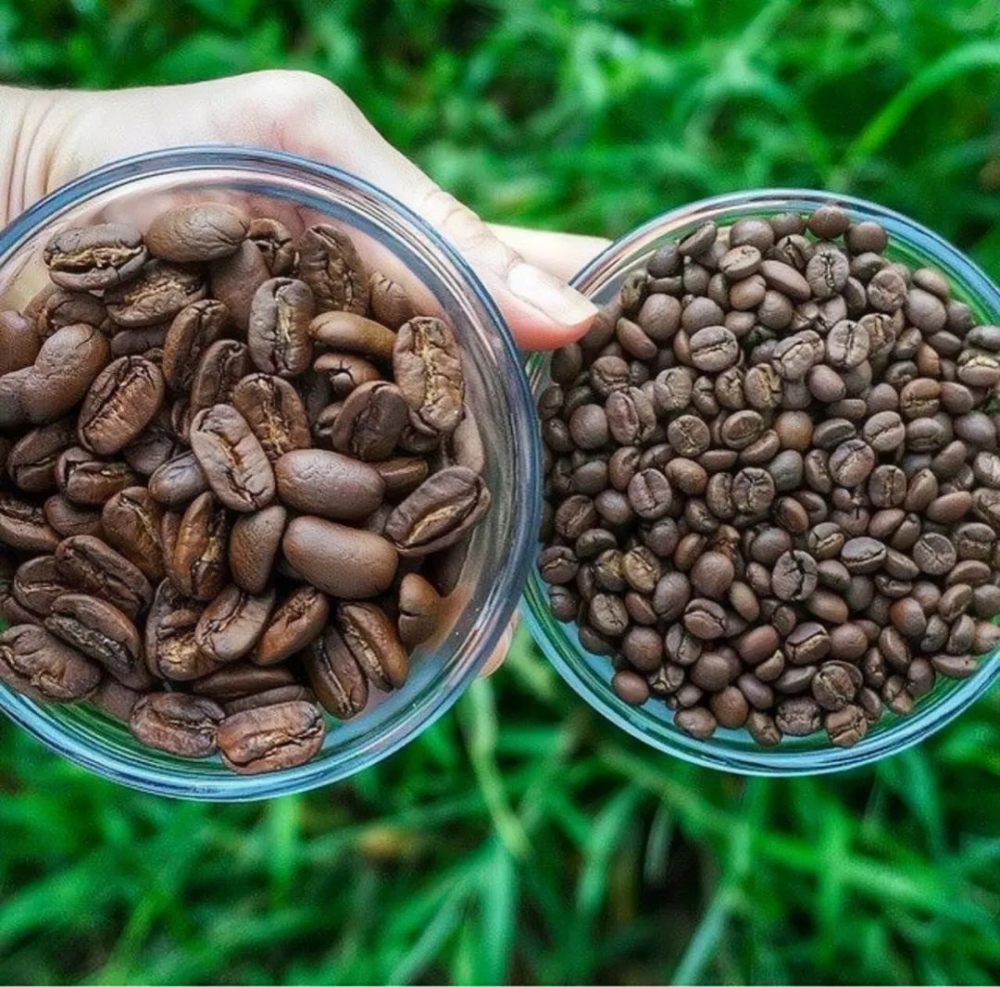
Elephant coffee beans is the nickname for Maragogype, a variety first found in 1870 in the Maragogype region of Bahia, Brazil. Its beans are roughly three times the size of ordinary Arabica and larger than most Liberica, which is why many people once assumed it belonged to the Liberica species. Genetic testing later confirmed it is a mutation of Typica under Arabica.
In the cup it shows berry sweetness, bright citrus acidity, and a thick, silky body. Growing it is hard: the plants need large amounts of land and nutrients, produce few cherries, and mature slowly, so it remains uncommon and is mainly cultivated in Central and South America. Elephant Bean also serves as a grade name for beans above 20 screen size.
Among the three major coffee species, Arabica is usually the smallest, but Maragogype goes against the grain—its beans are even larger than the large-beaned Liberica, earning it the nickname "Elephant Bean." It was discovered in 1870 in the Maragogype region of Brazil and later confirmed by genetic testing to be a Typica mutation. In flavor, it has berry sweetness, citrus acidity, and a thick body, but it is extremely difficult to cultivate: the plants take up large amounts of land, consume many nutrients, produce few cherries, and have a long maturation period, which ordinary coffee farmers cannot afford to wait for. It is currently mainly grown in Central and South America. Front Street Coffee reminds you that "Elephant Bean" is both a variety name and a grade name—beans larger than 20 screen size may all be labeled as Elephant Bean grade, so don't confuse the two.
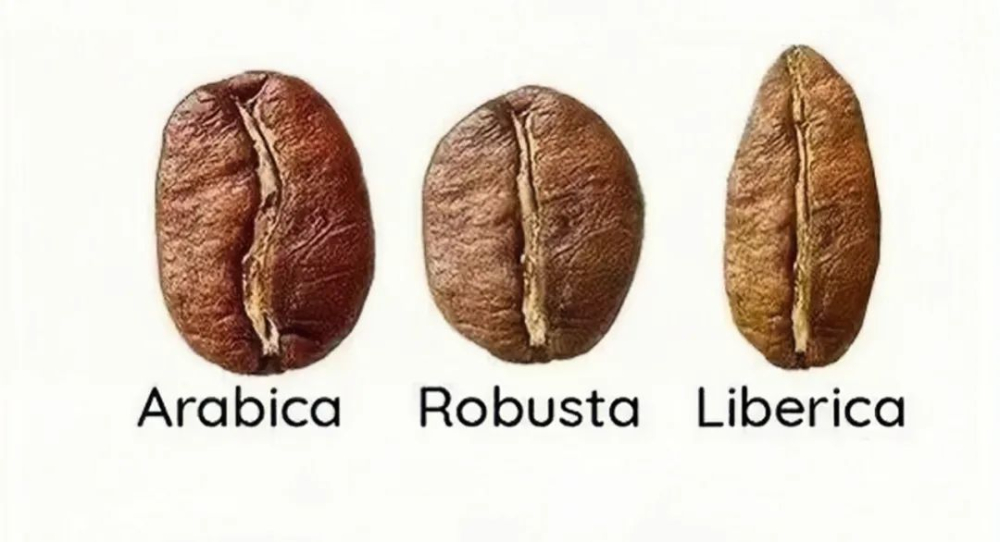
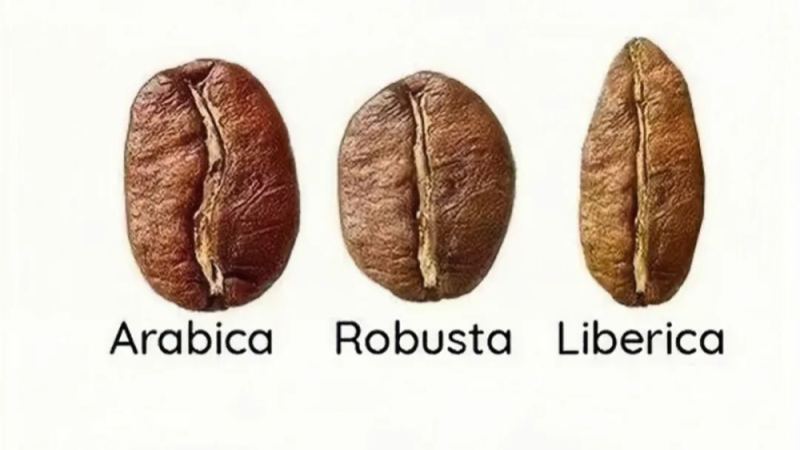
From these naming conventions, we can roughly infer the average bean size under each coffee species. But there are always exceptions that break the rules. Among the three native species, Arabica itself belongs to the small-bean category, yet one bean has emerged under it that is plump and huge, even surpassing the average size of the large-beaned Liberica. This is Maragogype, known as the "Elephant Bean."
Maragogype
In 1870, this coffee was first discovered in the Maragogype region in eastern Bahia, Brazil, and people simply named it after the place. Its bean shape is enormous, about three times that of ordinary Arabica, and even larger than Liberica. Coincidentally, it was discovered at a time when Arabica was being ravaged by leaf rust, and Liberica was being planted by some coffee farmers as a substitute variety. So many people at the time mistakenly thought it belonged to the Liberica species.
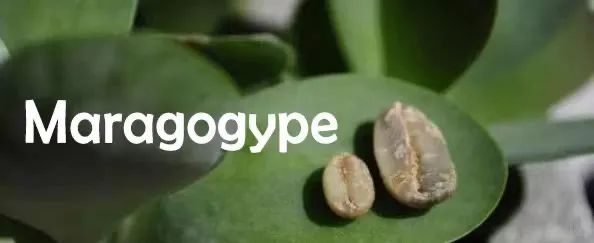
(Image from the internet)
Later, genetic testing revealed the truth: Maragogype is actually a mutant variety of Typica under Arabica. In other words, it is still Arabica. By comparison, its size is larger than most Liberica, which also explains why the title of this article sounds like a tongue twister. Despite its astonishing size, Maragogype's flavor is no weaker than regular Arabica: berry sweetness, bright citrus acidity, and a thick, silky body—it is by no means all show and no substance. However, market observations show that it is not common, for a simple reason: it is too difficult to grow.
Maragogype not only has larger beans and cherries, but its trunk and leaves are also one size bigger than ordinary coffee trees. This means it needs more land, more nutrients, and more resources. Conversely, the number of cherries it produces is lower than conventional varieties, so the input-to-output ratio is severely disproportionate.
However, the above are still visible costs. What really gives coffee farmers a headache is time. Its cherries take much longer to mature than ordinary Arabica, and most growers simply cannot afford to wait. Even if they have the patience, capricious weather can ruin all their efforts. Under this kind of sunk-cost pressure, few coffee farmers are willing to grow Maragogype specifically. Those who actually grow it are mostly estates that already own large tracts of land and have a high tolerance for failure. Currently, Maragogype is mainly distributed in Central and South American countries.
Elephant Bean
Finally, Front Street Coffee would like to remind you of one thing: Maragogype's alias, "Elephant Bean." Elephant Bean originally means that the bean size far exceeds the conventional, as huge as an elephant. But note that "Elephant Bean" is not only a variety name; in some countries that grade beans by size, it is also a grade. Beans larger than 20 screen size may all be sold labeled as Elephant Bean grade. So, friends, be sure to distinguish between the Elephant Bean variety and the Elephant Bean grade.
The above content is compiled by CoffeeHunters, a coffee news website.


