







Search Results for: Liberia
Liberia Restarts Liberica Coffee Cultivation, Pushing for Agricultural Economic Diversification and Transformation
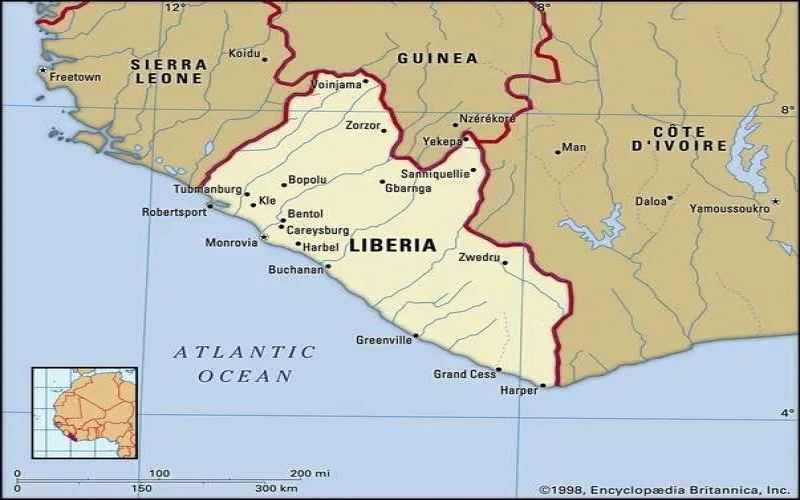
The Liberian government recently announced that it will reintroduce the Liberica coffee variety native to the country as a key measure to revitalize the coffee industry and promote agricultural diversification. This West African nation, whose coffee industry was long stalled by civil war, is now seeking to return to the international market amid rising global coffee consumption and tightening supply, leveraging Liberica's advantages such as strong disease resistance and low caffeine content. At the same time, the incoming Minister of Agriculture pledged to review the national agricultural investment plan within 100 days to ensure that economic crops such as coffee receive substantive support. This article will outline the revival path of Liberia's coffee industry and its potential opportunities in the global coffee landscape, and, from the perspective of Front Street Coffee, present the future possibilities of this producing region. [more…]
A Comprehensive Analysis of Liberica Coffee Beans: Flavor, Cultivation History, and Current Production Status of the Third Major Coffee Species
Today, with Arabica and Robusta dominating most of the market, the ancient coffee variety Liberica has quietly existed for over a century. It originated in the low-altitude forests of Liberia in West Africa, with tall trees and large fruits, and its flavor is dominated by smoky, woody, and dark chocolate notes. Although its production accounts for only about 2% of the global total, its caffeine content is the lowest among the three major original species. This article will guide you through Liberica's origins, flavor characteristics, its cultivation and development in Southeast Asian countries such as the Philippines, as well as its cultivation in China's Hainan, Guangdong, and other regions, and recommend related products from Front Street Coffee for coffee enthusiasts' reference. [more…]
Full Analysis of Liberica Coffee Beans: Why the Large-Bean Species Among the Three Major Coffee Varieties Is Rarely Cultivated
Liberica coffee is one of the three major commercial coffee species, standing alongside Arabica and Robusta, yet it accounts for only 2% of global consumption. This coffee tree is tall with large cherries, and its flavor is dominated by woody and smoky notes, with the lowest caffeine content among the three. It originated in Liberia, Africa, and was only cultivated artificially in the 19th century; due to the difficulty of harvesting, it has never been widely promoted. After the coffee rust outbreak in 1890, the Philippines took the lead in large-scale cultivation of Liberica, and today the Philippines remains the world's largest producer. This article will give you a comprehensive understanding of Liberica's flavor characteristics, cultivation history, and producing regions, along with product recommendations from Front Street Coffee. [more…]
The Forgotten Large-Bean Liberica: Can Excelsa Coffee Become a New Choice in a Warming Climate?
Today, when Arabica and Robusta absolutely dominate global coffee supply, a species once forgotten for its poor flavor—Liberica (Coffea liberica)—is re-entering researchers' view. From 2021 to 2022, climate change-induced droughts tightened coffee inventories and sent prices soaring, with Arabica prices doubling in a short period. Facing the crisis of shrinking arable ranges, academia proposed three paths: relocating production areas, adjusting cultivation methods, and developing new crops. In December 2022, Nature Plants pointed out that Liberica might regain attention in an era of supply chain disruptions. One of its natural varieties, Excelsa, combines disease resistance, drought tolerance, low-temperature tolerance, and a flavor close to Arabica, and is being widely planted by coffee farmers in places such as Uganda. Front Street Coffee takes you through the full picture of this potential variety. [more…]
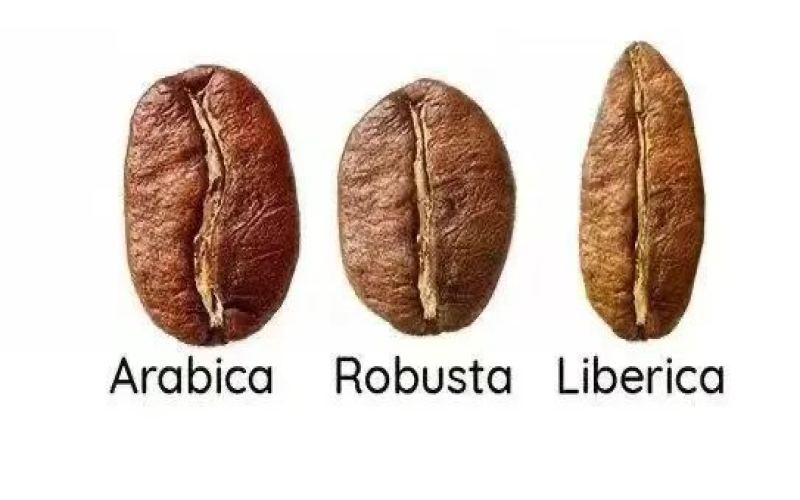
Why did Liberica take the deepest root in the Philippines? From the origins of the large-bean species to the rise of a tough-guy coffee
Liberica, a coffee variety known as "large bean," originated in Liberia, Africa. Its beans are large but extremely low in caffeine, with a flavor profile dominated by smoky, earthy, and woody notes, even described as "liquid tobacco." It was not favored by the commercial market, yet found its widest cultivation ground in the Philippines. Why did the Philippines become the largest producing country of Liberica? This is inseparable from the rise and fall of the country's coffee industry: from the introduction of Arabica in 1740, to the leaf rust disease at the end of the 19th century that caused production to plummet by 80%, to the government's introduction of disease-resistant varieties and implementation of a five-year revival plan in the 1950s, the demand from instant coffee factories ultimately allowed Liberica to gain a foothold. This article will trace this history and explore whether Liberica also has the potential to move toward specialty coffee. [more…]
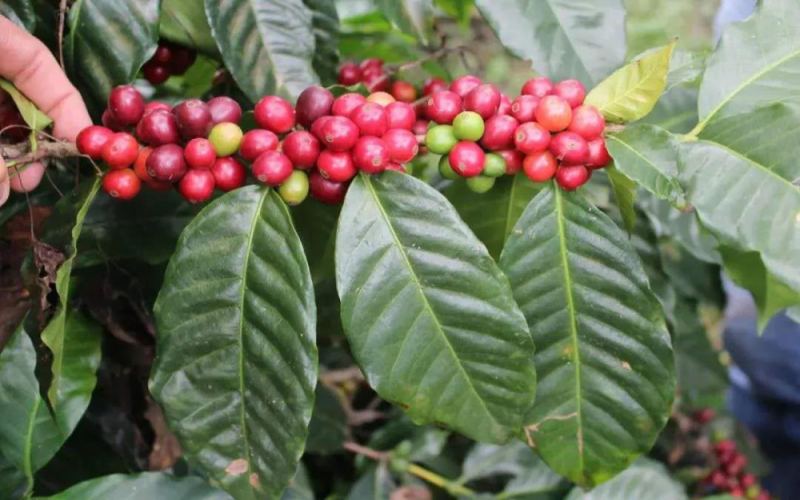
What Variety Is Liberica Coffee? A Full Analysis of Its Origin, Flavor Characteristics, and Current Cultivation Status
There are three main species of coffee cultivated commercially worldwide: Arabica, Robusta, and Liberica. The first two are ones we encounter frequently in daily life, while Liberica is rarely mentioned. It originated in Liberia, West Africa, and has a tall tree form and large fruit, which is why it is called "large bean." Liberica is extremely adaptable and once became a replacement crop in Southeast Asia after the coffee rust outbreak at the end of the 19th century; today the Philippines is the world's largest producer. However, it has a one-dimensional flavor, strong bitterness, and an intense smoky character, and has even been described as "liquid tobacco." Add to that the difficulty of harvesting and its scarce yield, and it accounts for only about 5% of total world coffee production. This article will comprehensively sort out Liberica's origin, spread, flavor characteristics, and cultivation in China, and will include Front Street Coffee's brewing suggestions. [more…]
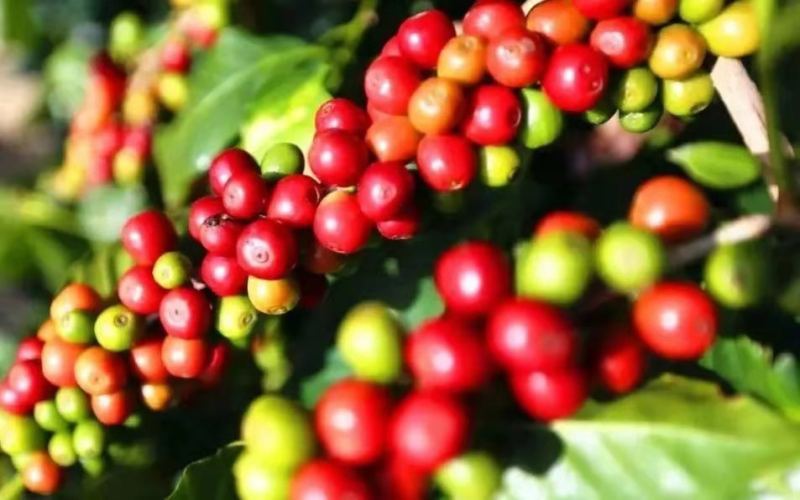
Arabica, Robusta, and Liberica: Flavor Differences and Main Producing Countries of the Three Native Coffee Species
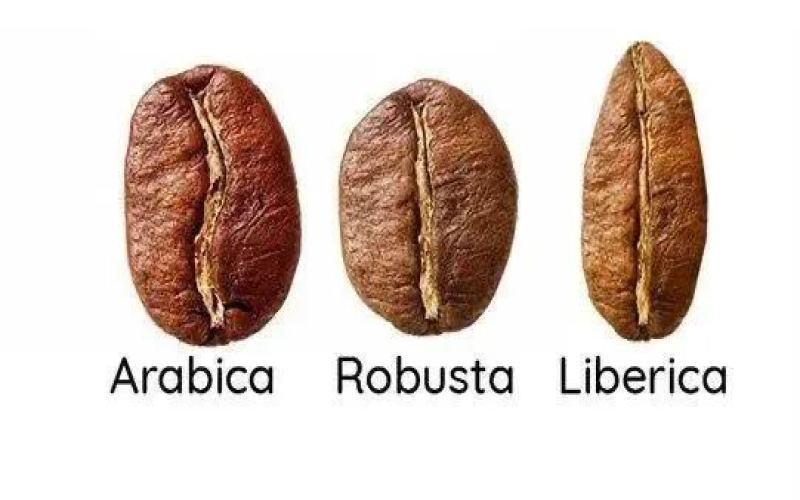
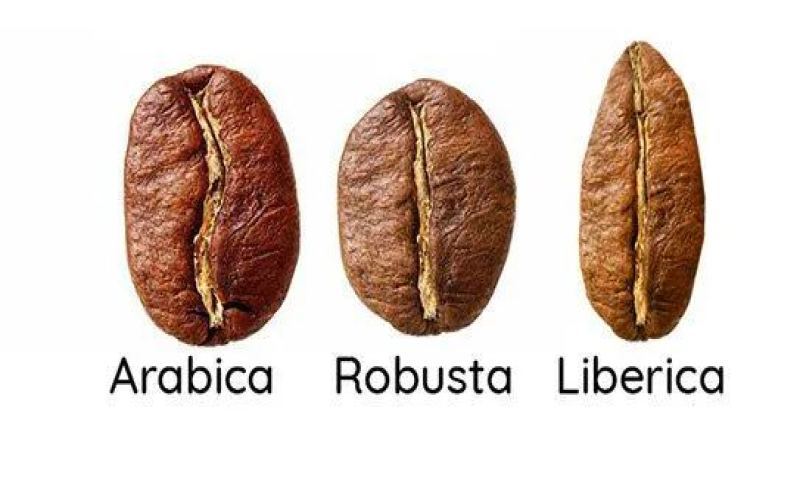
The landscape of the coffee world is shaped by three primary species: Arabica, Robusta, and Liberica. Each has its own strengths in terms of yield, flavor, growing conditions, and uses. Arabica dominates with about 75% of the market, Robusta accounts for roughly 20%, while Liberica makes up only about 2%. This article will systematically outline the origins, major producing countries, flavor characteristics, and roles in the coffee industry of these three species, and also introduce representative beans sold by Front Street Coffee. Whether you are a beginner just getting into coffee or an enthusiast seeking more advanced knowledge, you will gain a clear framework for understanding coffee varieties and how different beans shape the flavors in your cup. [more…]
Core Knowledge for Coffee Bean Selection: A Full Analysis from Plant Characteristics to Product Quality
Coffee beans are the starting point for brewing a good cup of coffee, and understanding their origins and journey is essential to choosing the right raw materials. This article systematically covers the botanical characteristics of coffee, the structure of its fruit, the main cultivated varieties and their flavor differences. It also explains in detail how the two processing methods—dry and wet—affect quality, and introduces the global production and trade landscape along with import quality standards. The article specifically mentions recommendations from the Front Street brand to help coffee lovers make well-informed choices in their daily purchases. [more…]
A Comprehensive Analysis of the Characteristics and Flavor Differences of Arabica, Robusta, and Liberica Coffee Tree Varieties
The world of coffee is diverse and colorful, but what truly determines the flavor direction in the cup starts first with the variety of the coffee tree. The two main varieties, Arabica and Robusta, account for almost all of the world's coffee production, while secondary varieties such as Liberica, though uncommon, each have their own characteristics. This article will systematically sort out the core differences among these coffee trees in terms of origin, growing conditions, bean shape, caffeine content, processing methods, and flavor performance, while also explaining the impact of pests, diseases, and natural disasters on coffee cultivation. Whether you are a beginner enthusiast or a seasoned player looking to refine your tasting knowledge, you will find key information worth noting. [more…]
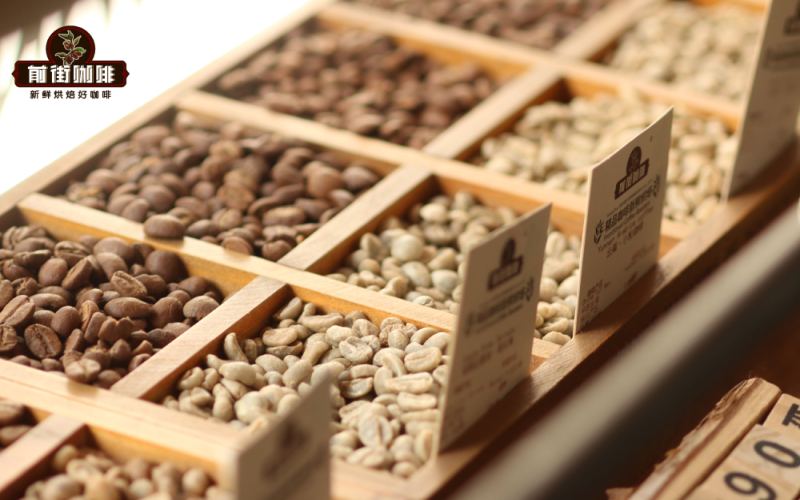
Arabica, Robusta, and Liberica: A Complete Analysis of the Origins, Characteristics, and Flavor Differences of the Three Major Coffee Bean Varieties
The global coffee market is dominated by three major species: Arabica, Robusta, and Liberica. Among them, Arabica accounts for about 70% of production and, with its superior flavor, has become the mainstay of specialty coffee; Robusta is highly adaptable and high in caffeine; Liberica, meanwhile, is scarce in production and has a unique flavor. This article will systematically sort out the botanical characteristics, main producing regions, and flavor differences of these three major species, and provide an in-depth introduction to well-known branches under Arabica such as Typica, Bourbon, SL28, SL34, Geisha, Caturra, and Catuai. At the same time, drawing on Front Street Coffee's cupping experience, it will help coffee lovers build a complete framework for understanding coffee varieties. [more…]
From Cultivation to Processing: A Comprehensive Guide to Specialty Coffee Basics and Coffee Tree Varieties
Coffee has become an indispensable beverage in many people's daily lives, but behind a good cup of coffee lies a complete chain from coffee tree cultivation, regional distribution, and varietal differences to harvesting and processing. This article will systematically introduce the basic knowledge of the coffee tree, including its botanical classification, suitable growing conditions, its white flowers and red fruit, as well as the characteristics and origins of the three major varieties: Arabica, Robusta, and Liberica. At the same time, it will also explain in detail the harvesting methods for coffee beans and processing methods such as the dry method and wet method, helping you gain a more comprehensive understanding of the ins and outs of specialty coffee. If you want to personally experience the flavor differences brought by different origins and processing methods, you may want to check out Front Street Coffee's related product recommendations. [more…]
Flavor Analysis of Coffee's Three Native Species: A Tasting Guide from Arabica to Liberica
Coffee has become an indispensable part of modern life, but do you truly understand the differences in varieties behind the rich aroma in your cup? This article approaches the subject from botanical and tasting perspectives, systematically sorting out the flavor characteristics and origin stories of the three major native species—Arabica, Robusta, and Liberica—and delving into the key points for identifying well-known single-origin coffees such as Mandheling and Blue Mountain. Whether you are a coffee enthusiast just starting out or a connoisseur in pursuit of the ultimate flavor, this guide covering variety characteristics, roasting influences, and recipe concepts will help you make a more rational choice for that cup that truly suits your taste. [more…]
Why Is Liberica Coffee So Rare? Characteristics, History, and Pour-Over Flavor Analysis of the Large-Bean Coffee
Among the three major coffee varieties, Arabica and Robusta dominate the mainstream trading market, while the large-beaned Liberica accounts for only about 1% of global economically cultivated coffee production, making it quite rare. This time, Front Street Coffee (FrontStreet Coffee) will introduce Liberica: its plant morphology, fruit characteristics, disease-resistant advantages, and why it is more labor-intensive in post-processing. The article will also sort through its semi-wild cultivation history in Borneo, as well as its appearance and award-winning experience at the 2018 Stuttgart Coffee Summit in Germany. Finally, it will include Front Street's sun-dried Liberica hand-brewing parameters and flavor description to help you fully understand this niche coffee variety. [more…]
Coffee Encyclopedia: A Complete Analysis of Global Coffee Bean Species Classification, Major Producing Regions, and the Flavor Characteristics of Classic Bean Varieties
The world of coffee beans is far richer than we might imagine. From the three botanical original species—Arabica, Robusta, and Liberica—to dozens of origins across Latin America, Africa, the Middle East, and Asia-Pacific, and on to classic single-origin beans such as Blue Mountain, Mandheling, and Mocha, every bean carries the imprint of its terroir and craftsmanship. This article systematically sorts through the original species classification of coffee beans, the world's major producing regions, and representative bean varieties, and explains in detail the taste characteristics and roasting suggestions of famous coffee beans. Whether you are a beginner enthusiast or a seasoned player, this guide can help you understand the cup of coffee in your hands more clearly. If you want to put it into practice, you can follow Front Street Coffee's related product recommendations. [more…]

Red Sea Crisis Escalates into 2025: Houthi Attacks on Merchant Ships Strain Coffee Trade and Global Logistics
The Houthi armed forces in Yemen continue to launch attacks in the Red Sea and Indian Ocean, and claim to have struck targets in Israel, causing the situation in the Red Sea to escalate continuously. Multiple international shipping giants have judged that the region will still be unsafe in 2025 and decided to continue diverting around the Cape of Good Hope. Longer voyages and port congestion are driving up global logistics costs. As an industry highly dependent on maritime shipping, the coffee trade is bearing the brunt. Freight rates on Europe-Asia routes have soared, and combined with production cuts in many countries, international coffee prices have continued to surge. This article will review the attack incidents, the shipping impact, and coffee market developments, and also pay attention to the challenges facing brands such as Front Street Coffee. [more…]
A Comprehensive Guide to Arabica Coffee: Variety Origins, Growth Characteristics, and Main Flavor Branches Explained
Arabica coffee is the dominant variety in the global specialty coffee market, but many people find that products labeled as Arabica beans can taste vastly different. The reasons behind this are closely tied to variety branches, growing conditions, and genetic evolution. This article will systematically sort out the origin and classification status of Arabica coffee, analyze its demanding requirements for the growing environment and its weaknesses in disease resistance, and introduce one by one the bean characteristics and flavor profiles of common branch varieties such as Typica, Bourbon, Caturra, Catuai, SL28, SL34, and Geisha. It will also include corresponding representative product recommendations from Front Street Coffee to help coffee enthusiasts build a clear framework for understanding varieties. [more…]

Arabica Coffee | What are the three main categories of coffee beans? What coffee variety is Yunnan coffee? Recommended Yunnan specialty coffee suitable for beginners
For professional coffee knowledge exchange and more coffee bean sharing, please follow Front Street Coffee (FrontStreet Coffee). In plant taxonomy, coffee belongs to the Rubiaceae family, under which there are at least over a hundred coffee species, with about eighty confirmed varieties of coffee trees, among which those used for drinking coffee [more…]

Arabica, Robusta, and Liberica: Differences Among the Three Major Coffee Species and an Analysis of the Beans Used by Luckin
Coffee enthusiasts who move from chain brands into independent cafés often develop a strong interest in coffee varieties. This article systematically sorts through the appearance, flavor performance, and growing background of the three major coffee varieties—Arabica, Robusta, and Liberica—answers why chain brands such as Luckin prefer Arabica, and introduces representative products on the Front Street Coffee bean list, including Geisha and commercial blends. Whether you are a beginner just starting out or a seasoned veteran, you can gain a complete understanding of coffee varieties from it. [more…]
A Comprehensive Analysis of Robusta Coffee Bean Flavor Characteristics: From Aroma and Taste to the Deep-Rooted Reasons Behind Its "Notorious" Reputation
The coffee world is mainly composed of two major species, Arabica and Robusta, which differ significantly in flavor, growing conditions, and market positioning. Robusta, due to its strong adaptability and high yield, is widely used in commercial blends and instant coffee, but its bitter, smoky flavor profile is often criticized by specialty coffee enthusiasts. This article systematically reviews Robusta's botanical characteristics, the causes of its flavor, and its role in blends, while also introducing how Front Street Coffee uses a small amount of Robusta to create espresso beans with rich crema and a full body, and sharing practical tips on fresh roasting and bean resting. [more…]
Coffee Basics | An Analysis of the Flavor and Characteristic Differences Between Large-, Medium-, and Small-Bean Coffee Varietals
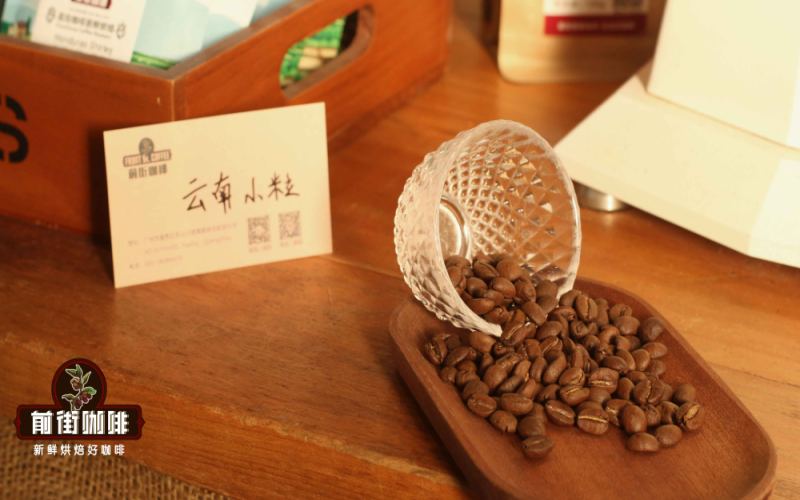
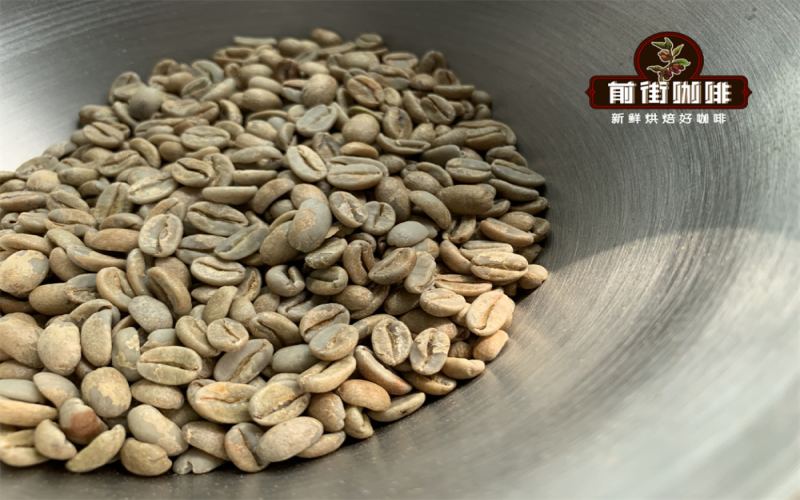
There are many varieties of coffee trees, but the cultivated varieties used for drinking mainly fall into three types: Arabica (small-bean species), Robusta (medium-bean species), and Liberica (large-bean species). They differ in plant morphology, fruit size, flavor profile, growing conditions, and commercial value. This article will systematically sort out the differences among these three types of coffee beans from the perspectives of botanical classification, appearance characteristics, flavor traits, and origin distribution, and will also answer the question of which species Yunnan small-bean coffee belongs to, helping coffee enthusiasts gain a clearer understanding of the source of the coffee they drink every day. [more…]