








Can Liberica Coffee Arabica Alternative Fill the Supply Gap?
Arabica futures have pushed above 200 cents per pound while Robusta neared $3,000 per tonne, as Vietnam's November coffee exports fell 7.4 percent year on year to 119,297 tonnes and its new-crop forecast was cut to 1.6 to 1.7 million tonnes. Brazil's Robusta regions face a 15 to 25 percent output drop from El Nino.
With supply tight, researchers have proposed widening the coffee crop portfolio to include the overlooked Liberica and its excelsa variety. Vietnam exporters may ship about 1.411 million tonnes this season, down 15 percent, and growers holding back sales could push buyers toward Brazilian Robusta. Espirito Santo, Brazil's largest Robusta region, produced 10.155 million bags in 2023.
Coffee futures prices have risen significantly recently, with the front-month Arabica contract breaking through 200 cents per pound, while Robusta futures have also approached $3,000 per tonne. Vietnam, a major coffee exporter, saw its November exports fall 7.4% year on year, and its new-crop production forecast has been cut to 1.6 to 1.7 million tonnes. At the same time, Brazil's Robusta-producing regions have been affected by El Nino, with output expected to fall by 15% to 25%. Against this backdrop of tight supply, researchers have proposed expanding the coffee crop portfolio and turning their attention to the overlooked Liberica and its variety excelsa. Front Street Coffee will also continue to monitor developments in this variety.
Recently, the coffee futures market has seen a clear rally. The front-month Arabica contract has climbed above 200 cents per pound, while the nearby Robusta coffee futures contract has also risen to a level close to $3,000 per tonne.
Statistics released by Vietnam's General Department of Customs show that the country's coffee exports in November totaled 119,297 tonnes, down 7.4% from the same period last year. From the beginning of the year through November, total exports fell 10.4% year on year to 1.4 million tonnes. The Vietnam Coffee Association expects the country's coffee production in the 2023/24 season to drop from a previous forecast of 1.78 million tonnes to a range of 1.6 million to 1.7 million tonnes. The association also predicts that Vietnam's coffee exports this season may decline by 15%, to about 1.411 million tonnes. At present, 75% of Vietnam's new-crop coffee cherries have been picked, but many growers and estates have chosen to slow the pace of sales in the hope that prices will rise further.
Tighter export supply from Vietnam could increase market demand for Brazilian Robusta coffee. However, a recent report released by Cooabriel, Brazil's largest Robusta coffee cooperative, pointed out that due to the influence of the El Nino climate pattern, Brazil's Robusta coffee production in Espirito Santo state is expected to decline by 15% to 25% in 2024. The state is Brazil's largest Robusta-producing region, with output reaching 10.155 million bags (60 kg each) in 2023. The area is currently experiencing sustained high temperatures and below-average rainfall caused by El Nino, while coffee cherries are in the fruit-development stage and are especially sensitive to high temperatures. In addition, worsening pests and diseases in some areas are putting further pressure on production.
For a long time, Arabica and Robusta have dominated the coffee market. But with global supply currently tight and prices high, many people have begun to pay attention to other coffee varieties. A paper published in Nature Plants pointed out that climate change will alter the suitable areas for commercial coffee cultivation, with the impact especially obvious for Arabica, which is higher in quality but highly sensitive to growing conditions. The study argues that introducing new crops may be more effective for adaptation than relocating farms or transforming existing farms. Expanding the coffee crop portfolio to include new varieties, hybrids, and alternative species (including underutilized crops) should focus on those varieties that have been forgotten or are underused.
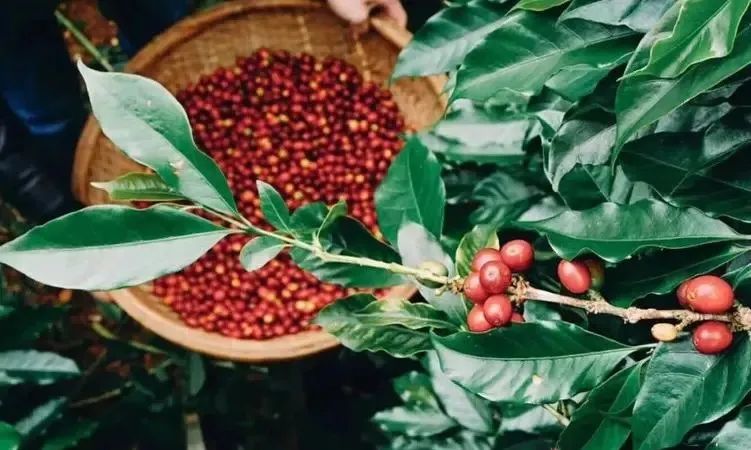
It is well known that Liberica can produce larger fruits and beans, but its flavor performance is relatively ordinary. As a result, many people have shifted their attention to excelsa, a variety of Liberica that has attracted growing interest from researchers in recent years. Excelsa is superior to Liberica in coffee quality and cultivation requirements, while retaining Liberica's resistance to pests and diseases. The industry has long discussed the "2050 problem" facing the global coffee sector, when the cultivation of Arabica and Robusta will be severely affected. This is precisely the key opportunity for Liberica (including excelsa) to rise again as a major crop. Front Street Coffee will also continue to follow the performance of Liberica and excelsa in the future coffee market.
Disclaimer: Some images in this article are from the internet. For some content on the website, such as images, we will respect the original authors' copyright and indicate the source. However, due to the large volume, a few images and texts may not yet have been credited. Please forgive us. If the original author has any dispute, they may contact the website for handling. Once verified, we will correct it immediately. Compiled and edited by "Coffee Review vdailycom". Please indicate the source when reprinting. This article is intended to spread coffee culture. If there is any infringement, please inform us for deletion. Thank you~!
The above content is compiled by CoffeeHunters, a coffee news website.


