








How do arabica coffee bean varieties differ from robusta and liberica?
The coffee world rests on three native varieties: Arabica, Robusta, and Liberica. Arabica accounts for roughly 75 percent of global output and supplies most specialty coffee, with sub-varieties such as Typica, Bourbon, Geisha, Caturra, and Catimor. Robusta covers about 20 percent and carries more caffeine with a fuller, rougher taste. Liberica makes up only about 2 percent and is grown mainly in the Asia-Pacific region.
Identification starts with the bean itself. Arabica trees reach 2.5 to 4.5 meters, tolerate cool conditions but not frost, and are grown across Central and South America, Africa, and Asia. Robusta coffee beans usually appear in espresso blends rather than single-origin lots. Flavor, caffeine level, and growing altitude together separate the three groups, and each sub-variety adds its own profile within Arabica.
There are three main native varieties in the coffee world: Arabica, Robusta, and Liberica. Arabica dominates the specialty coffee mainstream with its elegant flavors, Robusta is known for its high caffeine content and full-bodied taste, while Liberica has scarce production and a unique flavor. Front Street Coffee has been involved in coffee cultivation since entering the industry, owning its own plantations. Currently, its sales are mainly Arabica, with Robusta used only for espresso blends. This article will systematically outline the characteristics of the three major varieties and provide an in-depth introduction to numerous sub-varieties such as Typica, Bourbon, Geisha, Caturra, and Catimor, along with their flavor profiles, helping coffee enthusiasts gain a comprehensive understanding of the mysteries and identification techniques of coffee bean varieties.
In the current global coffee consumption market, there are three main coffee varieties in circulation: Arabica, Robusta, and Liberica. The most common are Arabica and Robusta—the former has delicate and elegant flavors and is the absolute mainstay of specialty coffee; the latter, also known as robusta beans, has a relatively rough taste and higher caffeine content, and is generally not classified as specialty coffee. Front Street Coffee has been involved in coffee cultivation since its founding, owning exclusive coffee plantations. Currently, the coffee varieties sold by Front Street Coffee are mainly Arabica, with Robusta used only for espresso blends. Front Street Coffee's own plantations also cultivate Arabica.
The Three Major Coffee Varieties
The three major native coffee varieties are Arabica, Robusta, and Liberica. Arabica has the highest production, accounting for about 75% of global coffee output, and includes sub-varieties such as Bourbon and Typica. Robusta accounts for about 20% of world coffee production. Liberica accounts for only 2% of the total and is mostly grown in the Asia-Pacific region.
Arabica Coffee Bean Varieties
Arabica is the earliest discovered variety in the coffee family, recognized as the highest quality, and is currently the most widely cultivated coffee bean variety in the world, produced in Central and South America, Africa, Asia, and elsewhere. Arabica coffee trees typically grow to 2.5 to 4.5 meters tall, can tolerate low temperatures but are susceptible to frost, have weak drought resistance, larger beans, clean flavors, a mellow taste, and low caffeine content. Arabica encompasses numerous sub-varieties, all originating from Ethiopia's oldest Typica and Yemen's Bourbon, which later mutated and derived after being transplanted to Central and South America or Asia, resulting in an extremely rich variety.
Specialty coffee in the third wave of the specialty coffee movement covers four evaluation dimensions: variety, altitude, processing method, and cupping score. Among these, coffee bean varieties are mainly Arabica.
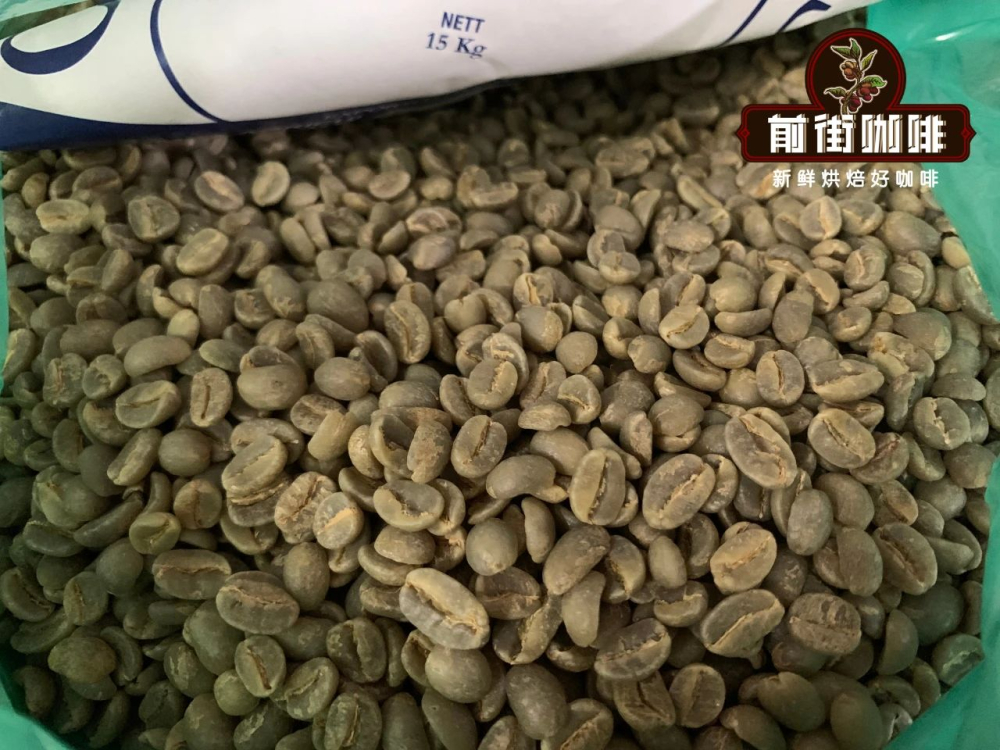
Arabica coffee beans typically contain two slightly flat beans, with an elongated oval shape on the front, a narrow and curved center crack in an S shape, and a relatively flat arc on the back of the bean. The caffeine content is approximately between 0.8% and 1.5%.
[Ethiopian Local Heirloom Varieties]
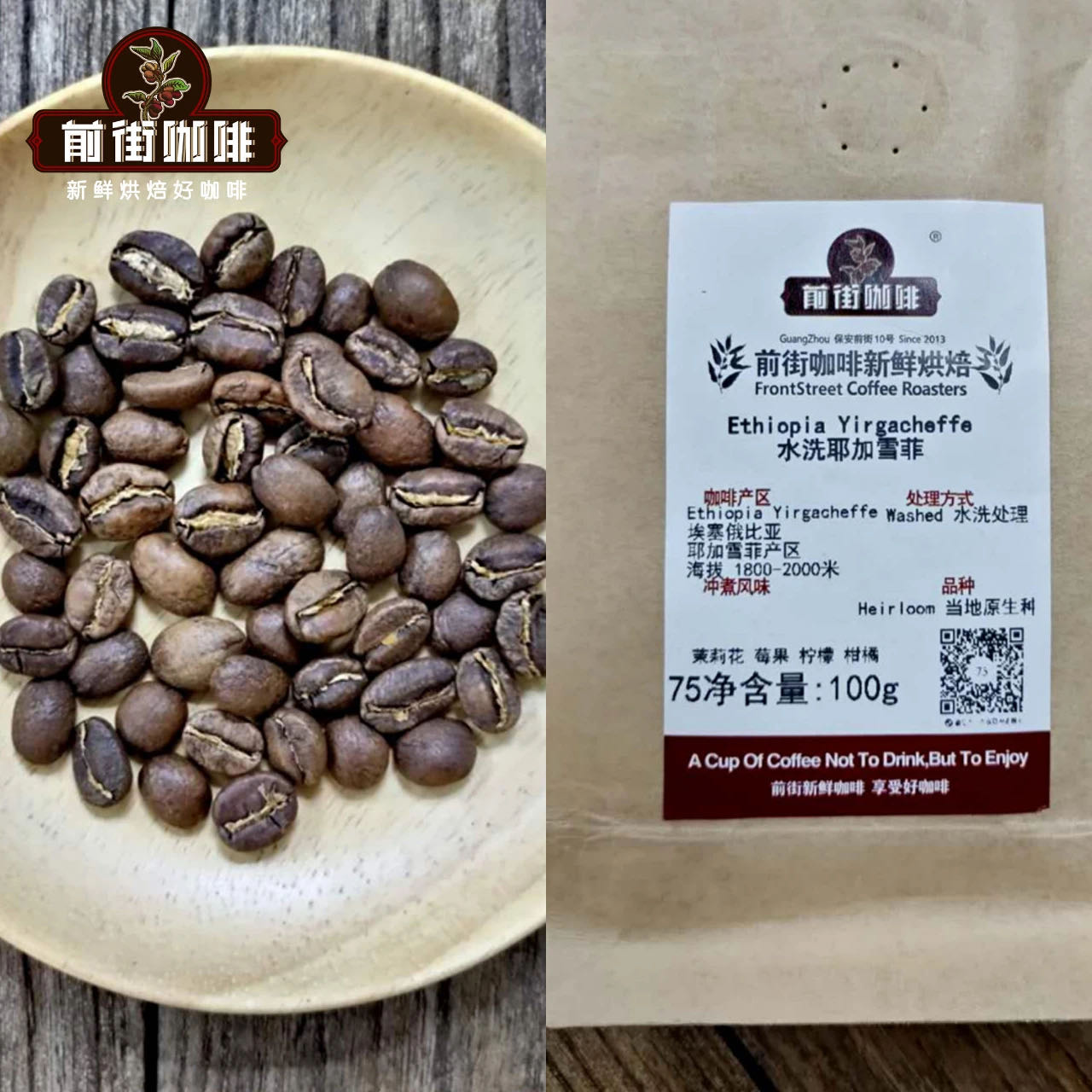
Most Ethiopian coffee varieties are called local heirloom varieties, belonging to small-bean types, with a relatively round appearance and very small bean size, mostly between 14 and 15 screen sizes. The term "heirloom" only emerged after the rise of the specialty coffee movement. At that time, specialty coffee buyers who could not distinguish between Typica and Bourbon collectively referred to all unknown varieties as heirloom. In addition, Ethiopian coffee varieties are so numerous that it is considered a natural gene bank for Arabica. On one hand, variety identification and classification are extremely difficult; on the other hand, the Ethiopian government, for protection considerations, is unwilling and unable to disclose information about these varieties.
Front Street Coffee: Washed Yirgacheffe Coffee Beans
Country: Ethiopia
Region: Yirgacheffe
Altitude: 1800-2000 meters
Variety: Local Heirloom
Processing Method: Washed
Flavor: Jasmine, berries, lemon, citrus
[Typica] Typica is Ethiopia's oldest native variety. Typica has bronze-colored tips, oval or slender pointed beans, and elegant flavors, but the plant is weak, has poor disease resistance, and low yield. High-quality coffee beans such as Jamaica Blue Mountain, Sumatra Mandheling, and Hawaii Kona all belong to the Typica family.
[Sumatra Typica]
The main coffee-producing regions in Indonesia include Sumatra, Java, and Sulawesi, with "Mandheling" from Sumatra being the most famous. Mandheling is also known as "Sumatra coffee." The Lake Tawar area in the north can be called Aceh coffee or Lake Tawar coffee, while coffee from the Lintong and Lake Toba areas can be called Mandheling.
Mandheling has a heavy taste, with rich body and a lush, lively dynamism, neither astringent nor sour, fully displaying body and bitterness.
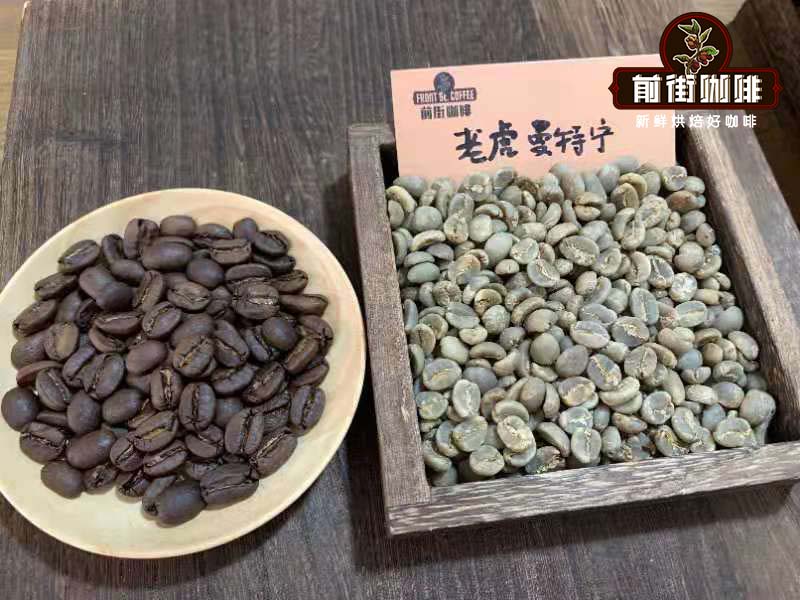
Front Street Coffee: Indonesian Tiger Mandheling Coffee Beans
Country: Indonesia
Region: Aceh
Variety: Caturra, Typica, Sidikalong
Altitude: 1500 meters
Processing Method: Wet-hulled
Flavor: Relatively balanced taste with distinct creamy, dark chocolate, and nutty flavors
[Blue Mountain]
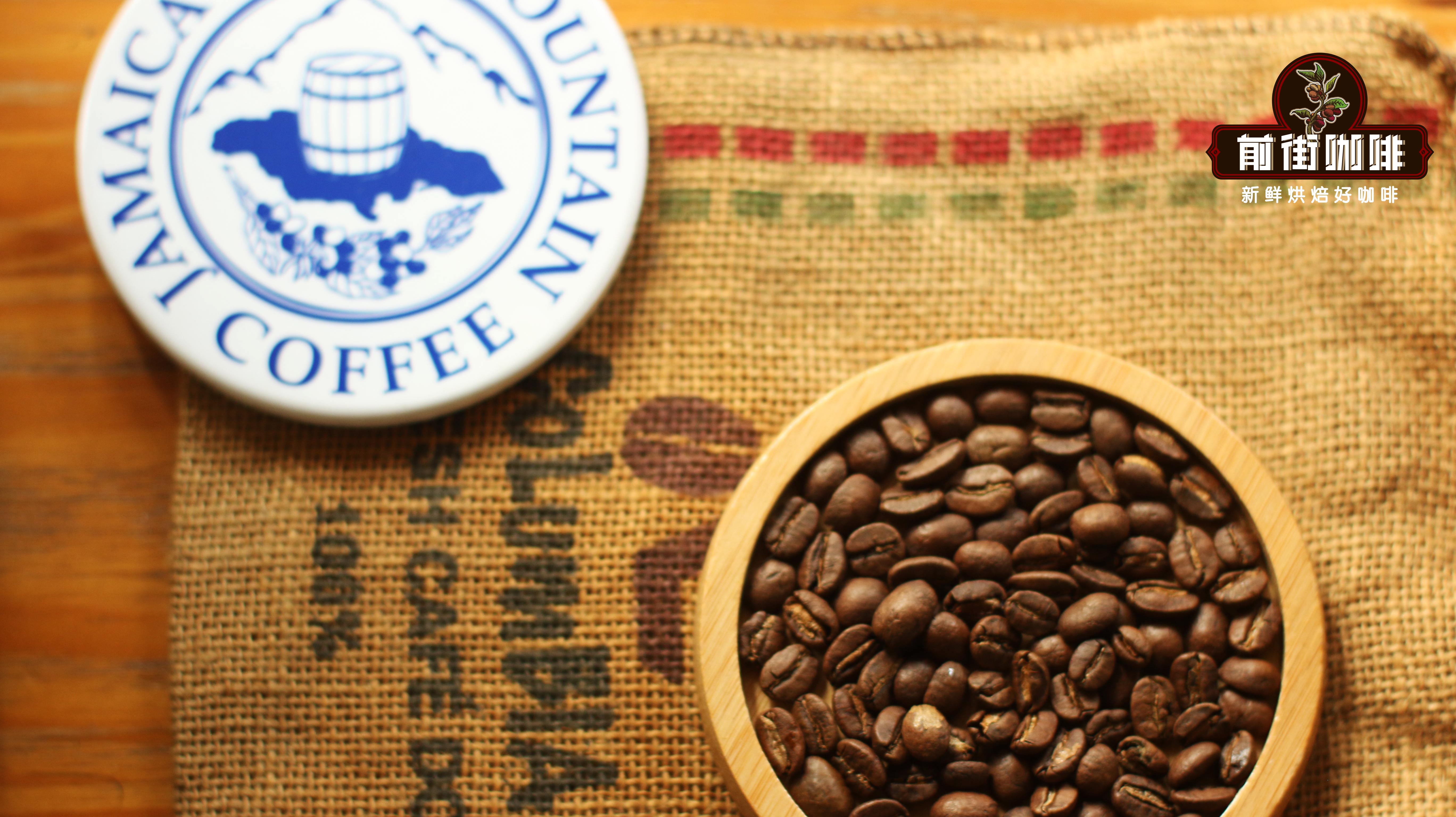
The history of Jamaican coffee can be traced back to the 18th century. In 1717, King Louis XV of France ordered coffee to be planted in Jamaica. In the mid-1720s, Jamaica's Governor Sir Nicholas Lawes imported Arabica seeds from Martinique and began promoting cultivation in the St. Andrew area. He introduced coffee trees to Jamaica and planted coffee in the Blue Mountains, which are divided into high-altitude Jamaica Blue Mountain coffee, High Mountain coffee, and Jamaica coffee, with different grades determining different prices.
Front Street Coffee: Jamaica Blue Mountain No. 1 Coffee Beans
Country: Jamaica
Region: Jamaica Blue Mountain
Estate: Clifton
Altitude: 1310 meters
Processing Method: Washed
Variety: Typica
Flavor: Dark chocolate, nuts, cream, balanced acidity, sweetness, and bitterness
[Kona]
Twenty years after American independence, in 1892, the coffee industry was still dominated by the commercial coffee model, with Europe reaping substantial profits, and the United States also wanted a share. However, the American mainland was not suitable for coffee cultivation. At this time, Hawaii's annexation solved this problem—Typica was introduced from Guatemala and planted extensively. At that time, Jamaica's Blue Mountain coffee had been developing for 60 years and was very mature, and Hawaii, being an island too, could hardly resist following suit. That is why we often see Jamaica's Blue Mountain coffee and Hawaii's Kona coffee compared side by side.
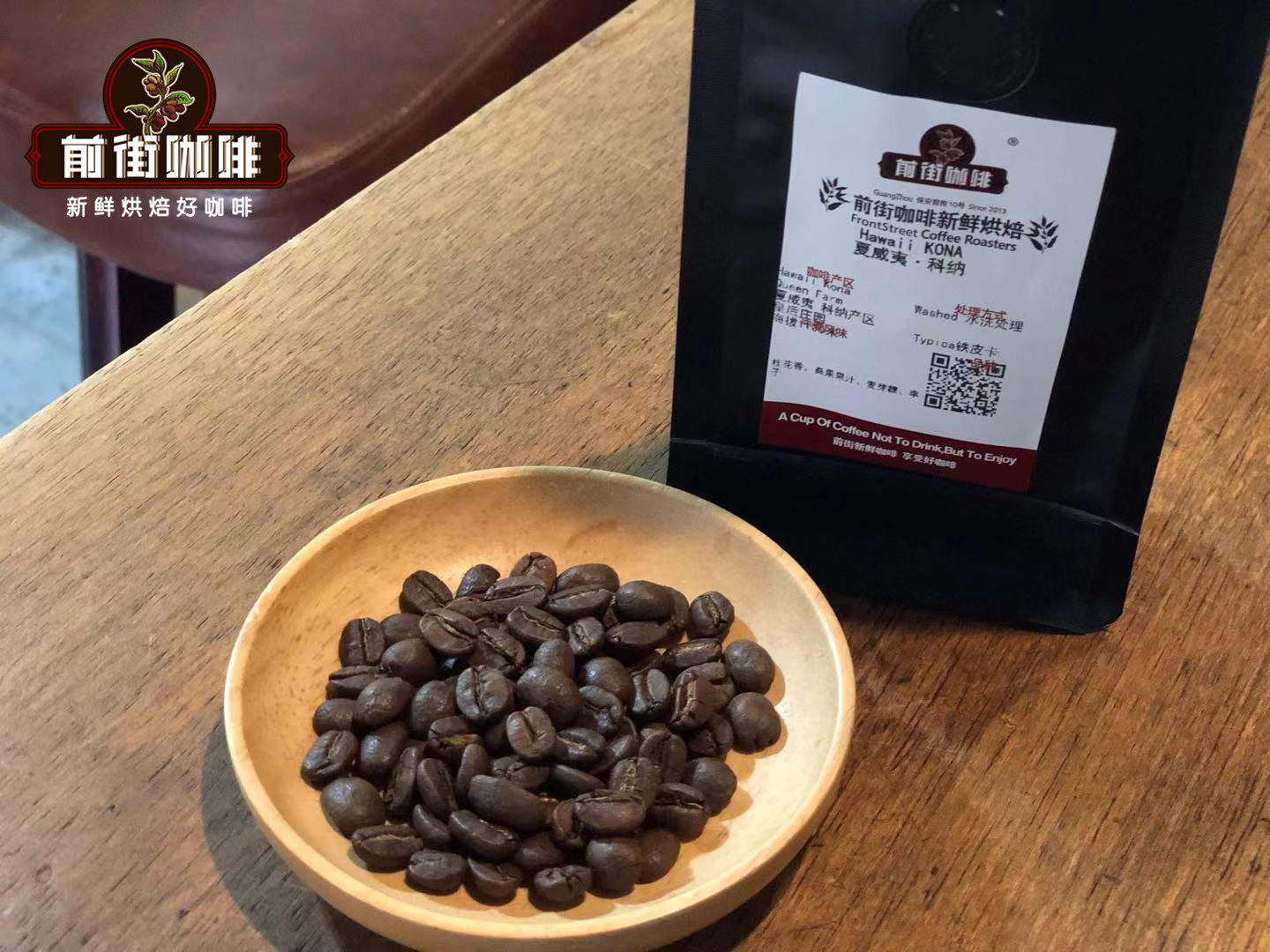
Front Street Coffee: Hawaii Kona Coffee Beans
Country: United States
Region: Hawaii Kona
Estate: Queen Estate
Altitude: 1100 meters
Processing Method: Washed
Variety: Typica
Flavor: Osmanthus honey sweetness, full yet not heavy mouthfeel, mulberry aroma, malt aftertaste, tastes like a cup of mulberry tea when cooled
[Maragogype or Elephant Bean]
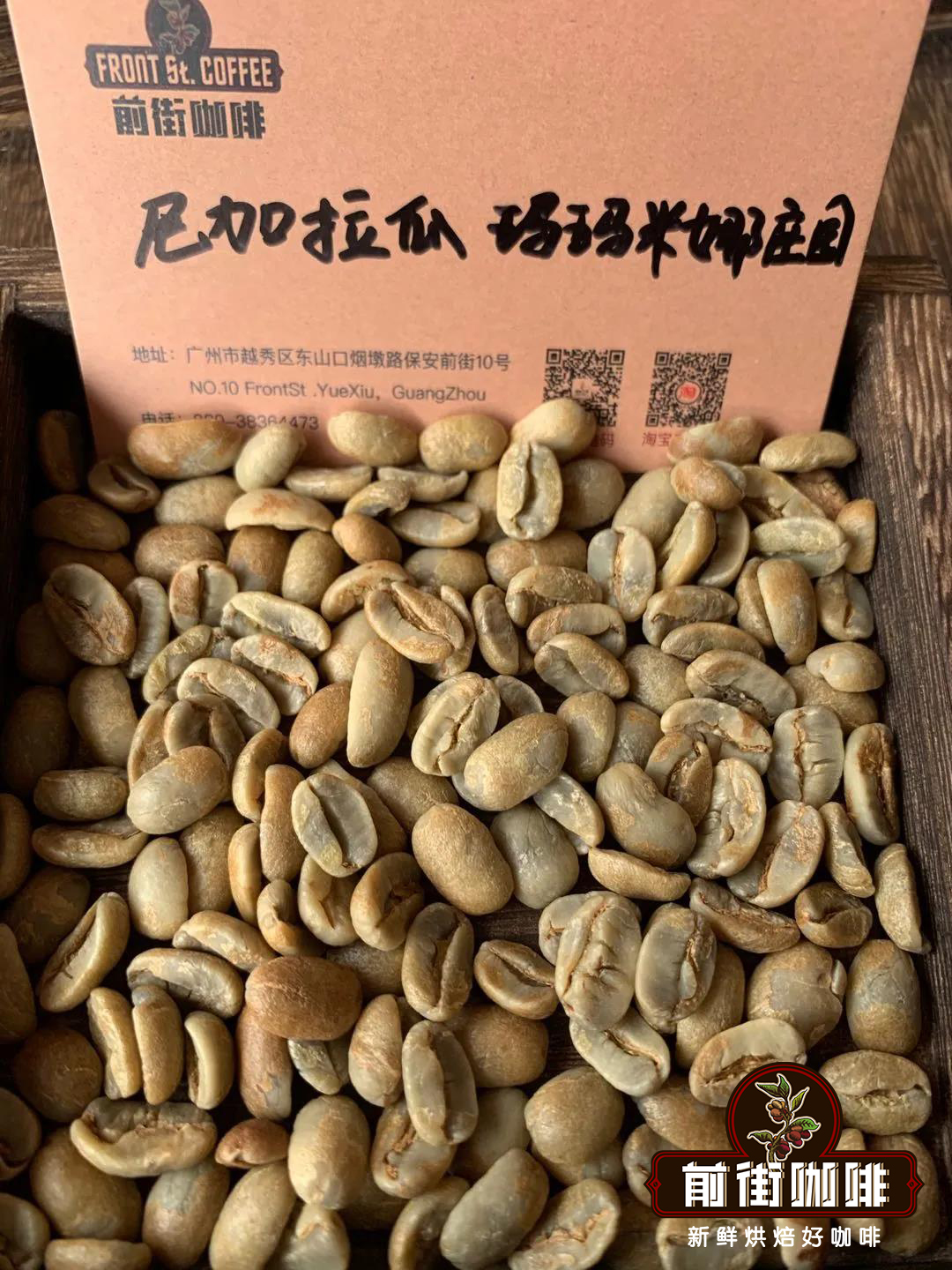
Maragogype is the most well-known mutant of Typica. It was first discovered in 1870 in the Maragogype region of Bahia state in northeastern Brazil, and its beans are at least three times larger than regular Arabica. Maragogype has poorer flavor at low altitudes but better flavor at high altitudes, with mild acidity and pleasant sweet aroma.
Front Street Coffee: Nicaragua Mierisch Family Mama Mina Estate
Country: Nicaragua
Region: Dipilto
Estate: Mama Mina
Grade: SHB
Altitude: 1450-1600 meters
Processing Method: Natural
Variety: Maragogype 18 screen
Flavor: Citrus, berry notes, nuts, caramel, slight spice
[Kent]
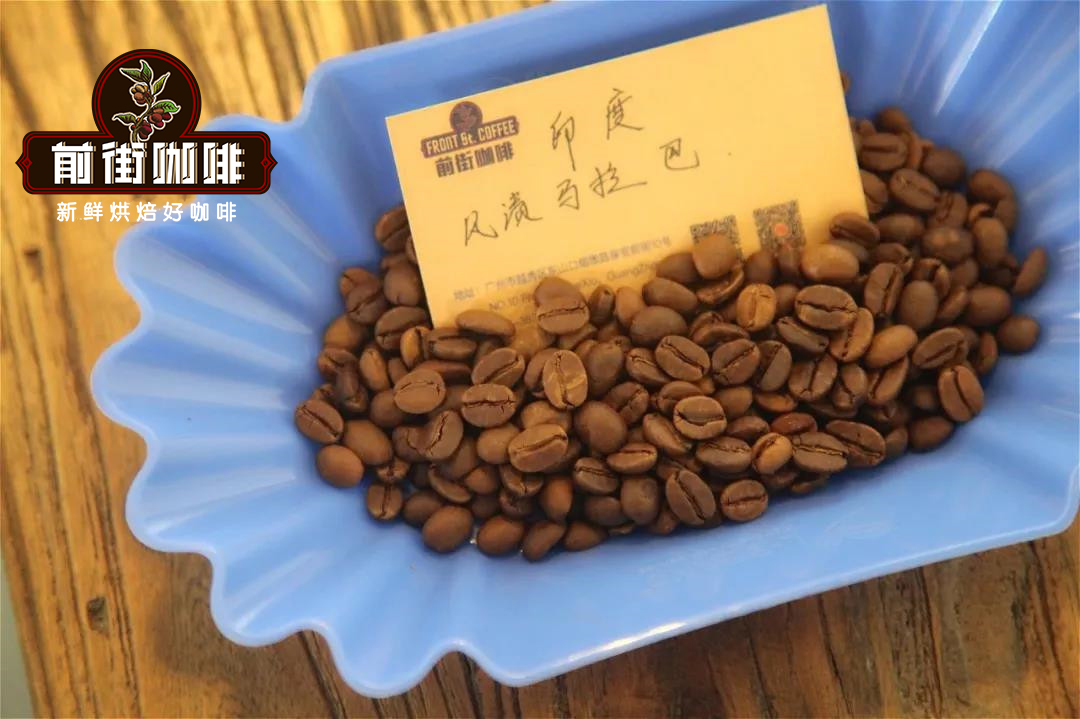
A Typica hybrid variety discovered in India, with high yield and strong disease resistance, but it has never achieved good results in cupping.
Front Street Coffee: India Monsooned Malabar Coffee Beans
Country: India
Region: Malabar Coast, southern India
Altitude: 1100-1200 meters
Variety: Kent, S795, Catimor, Selection 9
Processing Method: Monsooned natural process
Flavor: Rich caramel, raisins, herbal notes, tastes like genmaicha, with berry aftertaste
[Geisha]
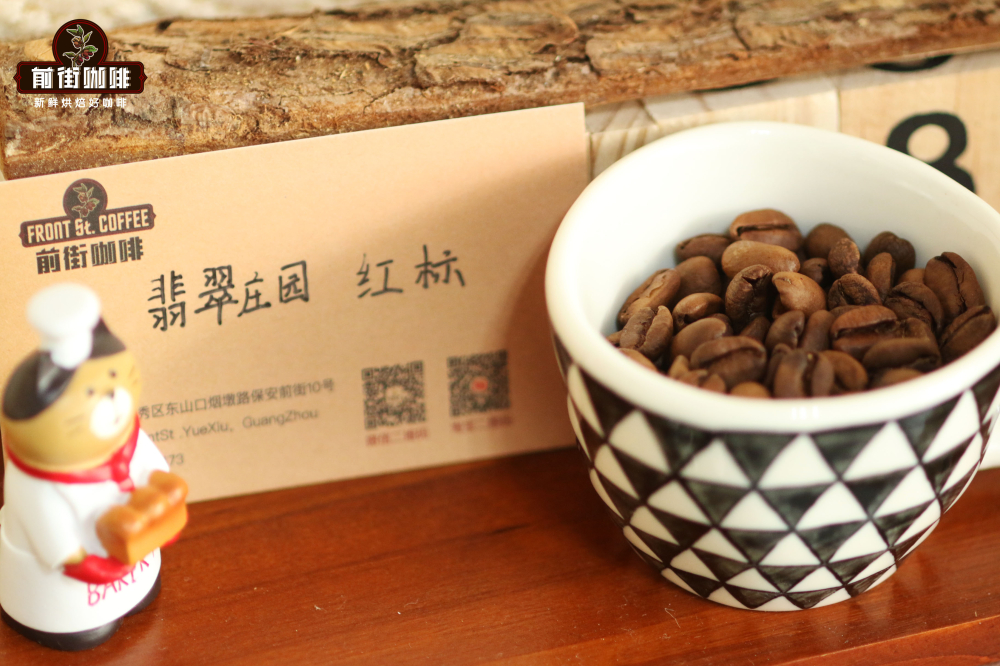
Geisha is a derived variety of the Typica family. It was exported from the Geisha Mountain in southern Ethiopia in 1931, remaining obscure as it passed through many countries, transplanted to Panama in 1960, and only won a cupping competition in 2005, making a sudden rise to fame. Currently, the most renowned Geisha origin is the Boquete region of Panama, a small town located on the eastern slope of Baru Volcano. In the Boquete region, the most famous Geisha coffee estates include the renowned La Esmeralda, Elida Estate, and Panama NPGE Estate. Although Geisha coffee is grown in various parts of the world, even in Taiwan, China, the flavor still does not match Panama's stunning quality. Panama La Esmeralda Geisha grades are further divided into three types: Red Label, Green Label, and Blue Label.
Front Street Red Label: The coffee flavor has aromas of roses and citrus, a rich juicy body, and pronounced sweetness
Front Street Green Label: The coffee flavor has the classic Geisha coffee bean characteristics—floral, fruity, citrus acidity, and a rich, juicy mouthfeel
Front Street Blue Label: The coffee flavor has slight floral notes, fruity acidity, sweetness, and a less full-bodied mouthfeel
[Java]
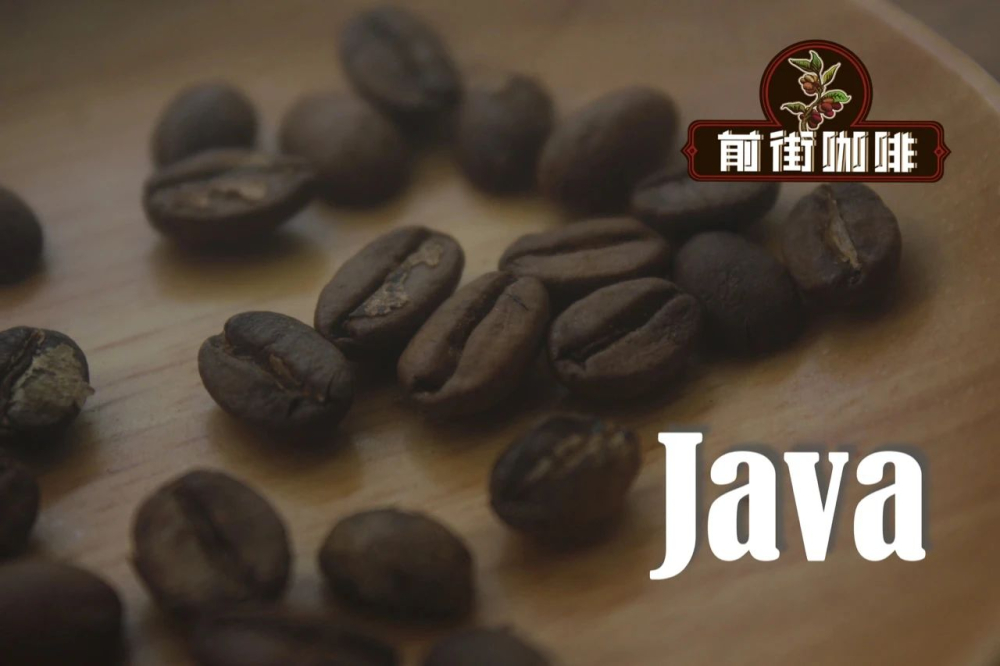
It is named for its long bean shape, and its formal name should be Java. Java was originally a coffee tree species from the primitive forests of Ethiopia, collected by local ethnic groups, later spread to Indonesia through Yemen, and named Java locally. It was originally widely believed that Java was a mutant of Typica, but after genetic comparison, it was found that Java comes from an Ethiopian branch called Abisinia, an ancient native variety. This branch is actually the same branch and same place of origin as Geisha, also possessing excellent floral and fruity flavors, which is why Java is often called Geisha's cousin.
After Indonesia, the Java variety first spread to the nearby Timor island group, then to Cameroon in East Africa, and was first released for farmers to cultivate in Cameroon in 1980.
As for its spread to Central and South America, under the leadership of breeding expert Benoit Bertrand, it was introduced to Costa Rica through CIRAD in 1991. With the cultivation of the Java variety in Central America, the Mierisch family of Nicaragua was the first to draw the specialty coffee market's attention to this variety; and in order to distinguish Indonesian Java coffee from the Java variety, they named the Central American Java variety JAVA NICA (meaning Java variety from Nicaragua). Java coffee has emerged in Central and South America in recent years, and in Bolivia, it has been carefully cultivated by the Rodriguez family.
Java's fruit and seeds are both long, with bronze-colored young shoots. The plant is quite tall, but yields are low. Due to its outstanding flavor, rivaling Geisha, and stronger resistance to leaf rust and coffee berry disease, it is very suitable for smallholder cultivation.
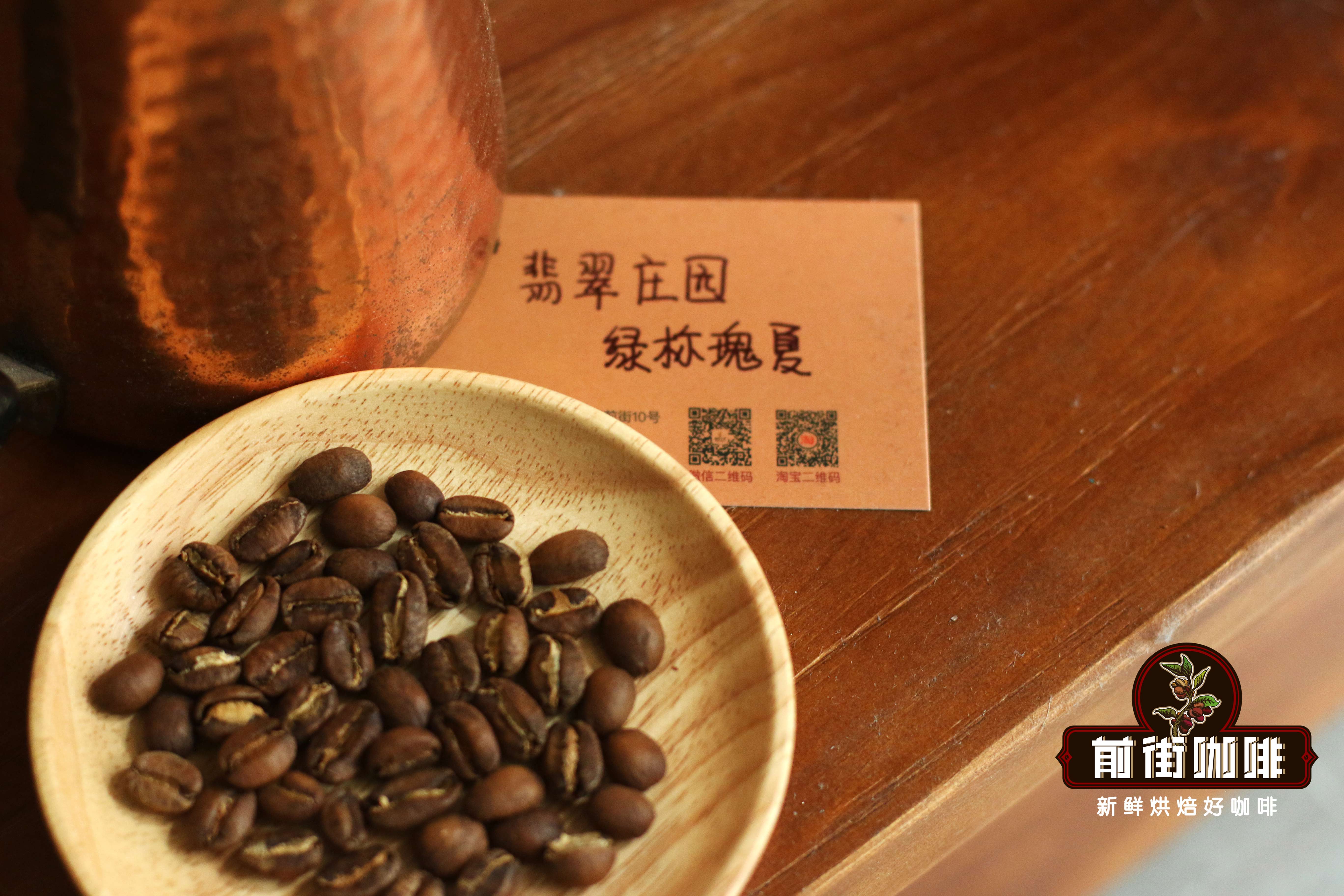
Front Street Coffee: Bolivia Waliki Estate Cacao Natural Java
Country: Bolivia
Region: La Paz
Altitude: 1600 meters
Variety: Java
Processing Method: Cacao natural process
Flavor: Slight fermentation, grape, slight nuts, floral, medium acidity, juicy mouthfeel
[Bourbon]
Bourbon is a mutant of early Typica after being transplanted to Yemen, with the bean shape changing from slender pointed to round. In 1715, France transplanted the round beans of Yemen Mocha to Bourbon Island off the east coast of Africa (renamed Reunion Island after the French Revolution), and it was only then named Bourbon. Bourbon round beans were spread to Brazil and Central and South America in 1727, and in 1732, Britain transplanted Yemen Mocha to St. Helena Island (later the place where Napoleon was imprisoned), which was also Bourbon round beans. Bourbon is a frequent winner in American specialty coffee cupping competitions.
Bourbon coffee beans are divided into Red Bourbon, Yellow Bourbon, and Pink Bourbon based on the color at maturity, with Red Bourbon being the most common, and generally when people say Bourbon they mean Red Bourbon by default. Red Bourbon typically has better aroma and brighter acidity, with a fermented, full-bodied flavor reminiscent of red wine.
Front Street Coffee: Brazil Red Bourbon Coffee Beans
Country: Brazil
Region: South Minas
Altitude: 700-1200 meters
Variety: Red Bourbon
Processing Method: Semi-natural
Flavor: High sweetness, clean, smooth, low acidity, with tropical fruit flavors
[Yellow Bourbon]
Yellow Bourbon was first discovered in Brazil and currently mainly grows in Brazil. It is generally believed to have originated from a cross between Red Bourbon and a yellow-fruited Typica mutant called "Amerelo de Botocatu," followed by mutation. Because of its lower yield and weaker resistance to wind and rain, it has not been widely planted. However, when grown at high altitudes, it delivers excellent flavor performance, and has become more common in recent years. It features prominent sweetness, distinct nutty flavors, balanced and smooth acidity, and a weak, clean bitterness.
Front Street Coffee: Brazil Queen Estate Yellow Bourbon Coffee Beans Country: Brazil Region: Mogiana
Estate: Queen Estate Altitude: 1400-1950 meters Variety: Yellow Bourbon Processing Method: Natural Flavor: Distinct sweetness with a faint lemon aroma, rich nutty flavors, and a pronounced dark chocolate note in the finish
[Pink Bourbon]
Pink Bourbon refers to coffee cherries that turn pink when ripe, and is a very rare new variety. It was developed by crossing Red Bourbon and Yellow Bourbon. Pink Bourbon is said to be rare mainly because maintaining this beautiful pink color is very difficult—sometimes some orange Bourbon is harvested, because the final color of the coffee fruit is determined by recessive genes in the pollen grains. Among the pollen grains selected for crossing, some carry the yellow gene inclined toward Yellow Bourbon, while others carry the red gene inclined toward Red Bourbon, and these are all recessive genes that easily interfere with each other.
Front Street Coffee: Colombia Isabella Pink Bourbon Coffee Beans
Country: Colombia Region: Huila Altitude: 1760 meters Variety: Pink Bourbon Processing Method: Semi-washed Flavor: Citrus, berries, cherry tomatoes, honey, with floral notes in the aftertaste
[Bourbon Pointu]
Bourbon Pointu is academically called "Coffea Laurina," commonly known as Bourbon Pointu, named for its relatively narrow and elongated bean shape with slightly pointed ends.
Bourbon Pointu is one of the rarest coffees in the world, discovered in 1810 by coffee farmer Leroy on Reunion Island (formerly Bourbon Island). Unlike other artificially processed decaf coffees, Bourbon Pointu has a much lower caffeine content than regular Bourbon coffee trees due to genetic degradation, and has even better flavor, but extremely low yield—which is also why Bourbon Pointu is rare and expensive. Common Arabica beans such as Typica or Bourbon have a caffeine content of about 1.2%, Robusta beans have a higher caffeine content of about 2.8% (often used for instant coffee due to poor flavor), while Bourbon Pointu has only 0.6%—not only low in caffeine, but with rich fruity flavors and mellow taste fully intact.
Bourbon Pointu is particularly susceptible to leaf rust and black spot disease, which is the main cause of its low yield. Because of this, Bourbon Pointu is very precious and is mostly cultivated in laboratories.
Flavor: The dry aroma has fermentation, spice, nut, and tropical fruit notes; the wet aroma has distinct floral notes; smooth on the palate with flavors of red fruits, plum, and pine nuts, and a long-lasting sugarcane sweet aftertaste.
[SL28, SL34]
As early as the 1930s, the Kenyan government commissioned the newly established Scott Labs to select varieties suitable for the country. After 42 preliminary selections were numbered and screened one by one, SL-28 and SL-34 were ultimately obtained. The former originates from Bourbon, and SL-34 from Typica—the two are not the same series of varieties. The original goal of breeding SL28 was to produce coffee beans with both high quality and resistance to pests and diseases in large quantities, while in some regions, the breeding goal was mainly high yield and disease resistance, without considering disease resistance.
Thanks to its Bourbon genes, although SL28's yield later fell short of expectations, its bronze leaf color and broad bean-shaped beans have excellent sweetness, balance, complex and varied flavors, and distinctive citrus and smoked plum characteristics. SL34 has a similar flavor to SL28, with complex and varied acidity and an excellent sweet finish, but a softer mouthfeel than SL28 and cleaner. SL34 has French missionary, Bourbon, and more Typica ancestry. Its bean appearance is similar to SL28, and it is more adaptable to rainforest growth.
It later proved that the former received high praise, typically possessing blackcurrant-like acidity and complex flavor expression; although the latter is slightly inferior, it also has bright fruity flavors. These two varieties currently account for 90% of Kenya's production and have become recognized representatives of Kenyan coffee varieties. South America is also actively introducing SL28 as a cultivation variety.
Front Street Coffee: Kenya Azalea Coffee Beans
Country: Kenya
Region: Thika, Kenya
Processing Station: Asali Honey Processing Station
Altitude: 1550-1750 meters
Grade: AA TOP
Variety: SL28, SL34
Processing Method: Kenyan 72-hour washed
Flavor: Smoked plum and cherry tomato flavors on the palate, with strong acidity and a full body, prominent sweetness in the mid-palate, juicy mouthfeel, berry and brown sugar sweetness in the aftertaste, and green tea aroma
[Villa Sarchi]
Villa Sarchi is a Bourbon mutant. This green-tipped dwarf natural mutant of Bourbon was discovered in Costa Rica in 1950, followed by pedigree selection (selecting individual plants through successive generations), but this variety was not widely planted in Costa Rica. Instead, it was introduced to Honduras by the Honduran Coffee Institute (IHCAFE) in 1974. In terms of aroma, it is a coffee with considerable complexity, suitable for medium-dark roasting. The dry aroma after grinding carries notes of perfumed nectar and cherry, mixed with cinnamon-like sweet spices.
Front Street Coffee: Nicaragua Los Congos Estate
Country: Nicaragua
Estate: Los Congos
Region: Nueva Segovia
Variety: Villa Sarchi
Altitude: 1350-1650 meters
Processing Method: Natural
Grade: SHG
Flavor: Fermented aroma, with nuts, berries, and cream on the palate; dark chocolate when slightly cooler; a faint fermented note in the aftertaste; relatively full-bodied and balanced
[Caturra]
Caturra is a natural mutant of the Arabica variety Bourbon, discovered in Brazil in 1937. Its tree is shorter than Bourbon. Because it inherits Bourbon's lineage, its disease resistance is weaker, but its yield is higher than Bourbon's. Although discovered in Brazil, Caturra is not suitable for growing in Brazil, so it was not planted on a large scale there. Instead, it became widely popular in Central and South America—for example, Colombia, Costa Rica, and Nicaragua all cultivate Caturra extensively.
Front Street Coffee: Colombia Huila Coffee Beans
Country: Colombia
Region: Huila
Altitude: 1500-1800 meters
Variety: Caturra
Processing Method: Washed
Flavor: Nuts, dark chocolate, caramel, mild fruity acidity
[Catuai]
Catuai is a cross between Mundo Novo and Caturra—a second-generation hybrid. It inherits Caturra's advantage of a low tree height and also compensates for Caturra's weakness of fragile fruit—the fruit is firmly attached and not easily blown off by strong winds. The biggest regret is that its overall flavor is slightly more monotonous than Caturra's. Catuai also has red and yellow fruit types, with red fruit having better flavor than yellow. Catuai, Caturra, Mundo Novo, and Bourbon are ranked as Brazil's four main coffee varieties.
Front Street Coffee: Panama Hartmann Estate Coffee Beans
Country: Panama
Region: Volcan
Estate: Hartmann Estate
Altitude: 1250-1700 meters
Variety: Catuai
Grade: SHG
Processing Method: Red wine process
Flavor: Relatively rich texture, distinct sweet and sour notes, smooth on the palate with a strong red wine mouthfeel, high sweetness, lively and bright acidity, rich layers, tropical fruits, nuts, red wine aftertaste, honey, and pronounced sucrose notes; brown sugar flavors when fully cooled
[Pacas]
Pacas is a Bourbon mutant discovered in El Salvador. In 1935, Salvadoran coffee farmer Pacas selected high-yielding San Ramon Bourbon varieties and transplanted them to his farm. In 1956, a friend discovered that the Bourbon on his farm produced more fruit than the same type of coffee tree, so he invited a University of Florida professor to identify it, confirming that a genetic mutation had occurred in the Bourbon, and named the new variety "Pacas" after the farm's name. Due to its high yield and good quality, Pacas is quite popular in Central America. El Salvador currently has 68% Bourbon varieties, 29% Pacas, and another 3% Catuai, Caturra, and the noble Pacamara.
Front Street Coffee: Honduras Shirley Coffee Beans
Country: Honduras
Region: Marcala
Estate: Mocha Estate
Altitude: 1500-1700 meters
Variety: Caturra, Catuai, Pacas
Processing Method: Refined washed whisky sherry cask fermentation
Flavor: Vanilla and cream aromas on the nose, whisky, berries, almonds, and dark chocolate on the palate, with a maple syrup sweet aftertaste
[Pacamara]
A cross between Pacas and Maragogype, with beans second only to Maragogype in size. It is an excellent variety developed in El Salvador in 1958 and has performed well in cupping competitions in recent years.
It has the excellent mouthfeel of Pacas, while the green beans also inherit the large size of Maragogype—the beans are at least 70%-80% the size of Maragogype, with 100% at 17 screen and above, and 90% at 18 screen and above. Average bean length is 1.03 cm (regular beans are about 0.8-0.85 cm), average bean width is 0.71 cm (regular beans are about 0.6-0.65 cm), and thickness reaches 0.37 cm, with a plump and round bean shape. The variety's greatest feature is its lively and eccentric acidity, sometimes with biscuit notes, sometimes with fruity notes, and excellent body and oiliness.
[Mundo Novo]
A natural hybrid of Arabica Bourbon and Sumatra Typica, first discovered in Brazil. It has high yield, resistance to pests and diseases, and good cupping quality, and was hailed as the new hope of the Brazilian coffee industry, hence named Mundo Novo (New World). Although it has never made Brazil's COE top three, it has appeared multiple times in the top twenty. Brazil planted it extensively after 1950. Its biggest drawback is that the tree height often exceeds 3 meters, making harvesting difficult.
Robusta Coffee
Robusta originated in the Congo region of West Africa. We often compare Arabica and Robusta, but this is not rigorous, because the two are not at the same botanical level at all. Robusta actually belongs to the Canephora species, also known as the Congo species, similar to how Typica belongs to the Arabica species. Unfortunately, only one variety within Canephora—called Robusta—can be commercialized and is well known, so that Robusta has now almost replaced Canephora as the synonymous term for this species.
Robusta coffee beans are one bean per fruit. Robusta has a rounder shape, forming a C shape; the center line is in a "1" shape, and the green beans are yellow-brown in color.
The global coffee growing belt lies between the Tropic of Cancer and the Tropic of Capricorn, and Robusta is no exception. However, Robusta's growing conditions are not as demanding as Arabica's—Robusta can grow at lower altitudes and higher temperatures. It grows faster than Arabica and has higher tolerance for extreme weather conditions. Robusta is widely planted in Vietnam, Brazil, India, and other countries. Robusta is also grown in Hainan, China.
Pest resistance: Robusta's caffeine content is 2.7%-4%, twice that of Arabica. Caffeine, as a plant's natural pesticide, can protect it from most insect damage.
Disease resistance: We generally know that Arabica has 44 chromosomes, while Robusta has 22 chromosomes. Generally speaking, more chromosomes mean higher genetic complexity and a more advanced organism, but Arabica is self-pollinating, while Robusta is cross-pollinating. Pollination involves the process of heredity.
Typically, plants obtained through cross-pollination have higher quality—offspring produced through cross-pollination possess the genetic traits of both parent plants, making it very likely to produce new characteristics that help it survive in changing environments. So self-pollinating Arabica is quite fragile, and its genes become increasingly uniform over successive generations (without the involvement of foreign genes). Therefore, if certain diseases (such as leaf rust) appear, they could wipe out an entire group of coffees carrying the same gene. Robusta's strength lies in its ability to continuously change its genes to adapt to the environment.
Robusta has made indelible contributions in the commercial world. Robusta's value is not as a negative example to highlight how superior Arabica's flavor is—it holds an unshakable position in espresso blends. Italian blends add a small amount of Robusta to increase the coffee's body and create Espresso with richer crema.
Compared to Arabica, Robusta has higher contents of caffeine, amino acids, and chlorogenic acid. Chlorogenic acid is the source of bitterness and astringency, so Robusta inherently lacks the unique ethereal aromatic fragrance of Arabica beans, replaced instead by a fuller, deeper mouthfeel, with flavors of walnut, peanut, hazelnut, wheat, and grains, and even a pungent earthy taste. Because of Robusta's inferior flavor, it is often rejected by the specialty coffee world, and is generally used for blending with Arabica or for instant coffee.
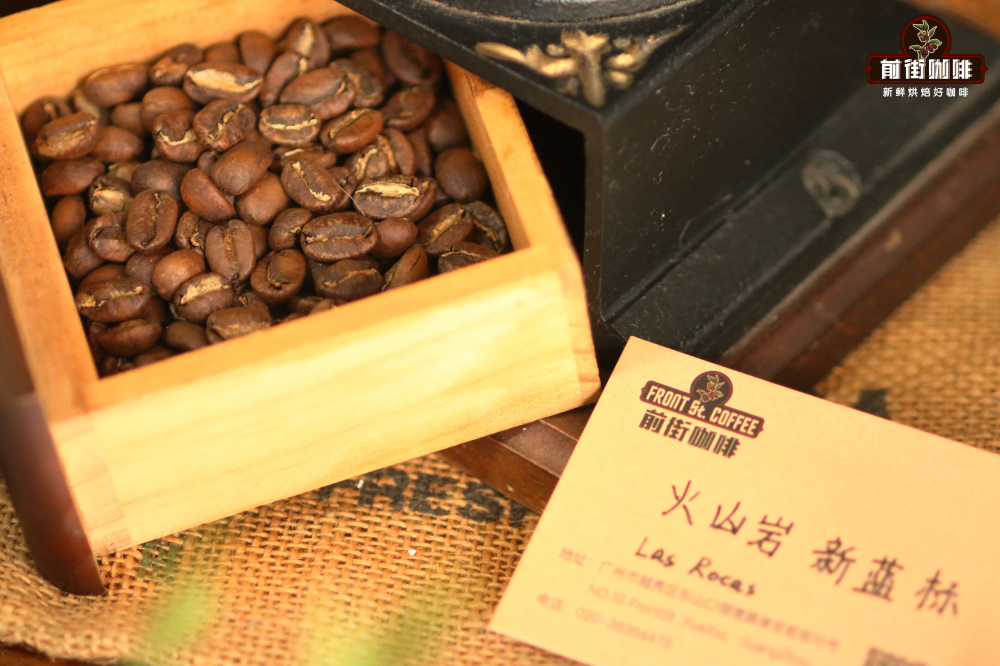
Front Street Commercial Blend: Colombia : Brazil : Robusta, ratio 3:6:1
Flavor: Caramel sweetness, nutty and cocoa-like, dark chocolate flavors, balanced acidity and sweetness, with a slight bittersweetness and a lasting aftertaste
[Timor]
A natural hybrid variety discovered in East Timor, an island nation at the eastern end of the Nusa Tenggara archipelago. It is a cross between Arabica and Robusta, with genes closer to Arabica. Although its flavor is unremarkable, it has strong disease resistance and has been used to breed many other varieties, including the Catimor introduced next. Timor has low acidity and lacks distinctive characteristics; Taiwan often uses it for cost-reducing blend beans.
[Catimor]
In 1959, the Portuguese moved Brazil's Bourbon mutant Caturra to East Timor and crossed it with Timor, which carries Robusta bloodlines, successfully breeding Catimor with super strong disease resistance and productivity. As leaf rust affected coffee-producing countries worldwide, with the assistance of international organizations, producing countries vigorously promoted Catimor to resist leaf rust and increase productivity.
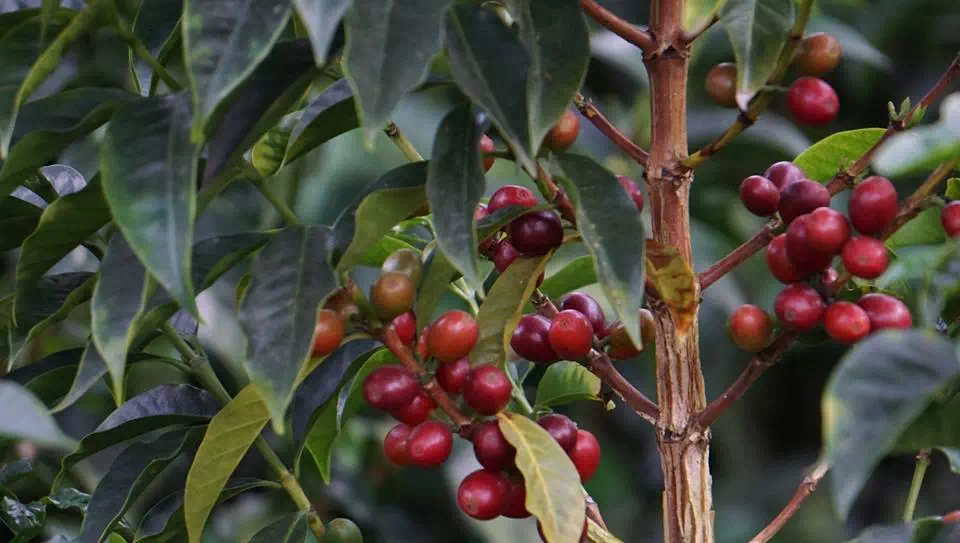
Catimor has high yield, a short plant that allows dense planting, and reddish-brown new leaves. The Robusta genes inherited from Timor give Catimor better resistance to coffee berry disease and coffee leaf rust, as well as stronger resistance to pests and diseases, but this has also made it often criticized for its cup performance.
Front Street Coffee: Yunnan Small-Bean Coffee Beans
Country: China
Region: Baoshan, Yunnan
Altitude: 1200 meters
Variety: Catimor
Processing Method: Washed
Flavor: Melon and fruit aromas, sweet melon, brown sugar, plum acidity, black tea notes
Liberica Coffee
Among all coffee types, Liberica has the lowest caffeine content. Robusta has the highest, containing 2.26 grams of caffeine per 100 grams of beans. Arabica is second with 1.61 grams of caffeine per 100 grams of beans. Liberica contains only 1.23 grams of caffeine per 100 grams of beans.
Although Liberica's caffeine content is lower than Arabica and Robusta, its flavor is indeed not very friendly. Liberica's coffee flavor is dominated by the heavy feel of nuts and dark chocolate and a smoky aroma. It has a strong flavor, powerful and robust, even with earthy and woody tastes. Compared to Arabica's cheerful and pleasant flavors, Liberica's flavor seems heavier and more melancholic.
Some even describe it as liquid tobacco, because the thick smoky taste and smell it produces are similar to the actual tobacco plant. Filipinos even call this coffee "Kape Barako," which can be translated as "strongman coffee."
Although Liberica's flavor is not very appealing, its aftertaste is surprisingly excellent—that lingering finish is rich but not harsh, and the aroma retained in the mouth is endlessly memorable. Liberica is often used as a raw material for instant coffee. In the Philippines, "Kape Barako" has become a must-drink coffee for the older generation at breakfast. In Malaysia, Liberica coffee beans are made into a local specialty—White Coffee.
Liberica originated on the west coast of Africa in Liberia. It was not discovered and cultivated by humans until the 19th century. Because its tree is too tall, harvesting is very difficult, so it has never been widely planted. The Philippines became the largest producer of Liberica. When the global coffee rust outbreak occurred in 1890, Arabica coffee in Southeast Asia became the biggest victim of leaf rust. Seeing the rapid collapse of the coffee cultivation industry, the Philippine government took the lead in seeking a replacement with strong disease resistance, and Liberica was first planted in the provinces of Batangas and Cavite in the Philippines.
For more specialty coffee beans, please add the private WeChat of Front Street Coffee, WeChat ID: kaixinguoguo0925
The above content is compiled by CoffeeHunters, a coffee news website.


