







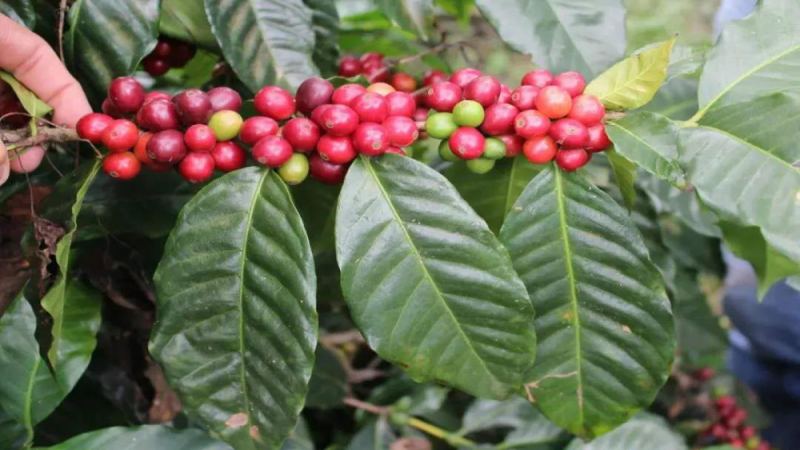
What variety is Liberica coffee among the commercial species?
Liberica is one of three commercial coffee varieties, alongside Arabica and Robusta, and is known as the large-bean type for its tall tree and big fruit. It originated in Liberia, West Africa, spread through Southeast Asia after the late 19th-century coffee leaf rust outbreak, and the Philippines is now the largest producer.
Its cup is one-dimensional, bitter and heavily smoky, sometimes called liquid tobacco, and difficult harvesting plus low yields hold it to roughly 5% of world output. Arabica, the world's most commonly cultivated coffee species, accounts for 60% to 70%. If you ask what country is arabica coffee from, it began on the Ethiopian plateau and gave rise to Typica, Bourbon and Geisha.
There are three main commercial coffee varieties grown worldwide: Arabica, Robusta, and Liberica. The first two are frequently encountered in our daily lives, while Liberica is rarely mentioned. It originated in Liberia, West Africa, and is called the "large bean" variety because of its tall tree and large fruit. Liberica is extremely adaptable and once became a replacement crop in Southeast Asia after the coffee leaf rust outbreak in the late 19th century. Today, the Philippines is the world's largest producer. However, its flavor is one-dimensional, with heavy bitterness and a strong smoky character—even described as "liquid tobacco." Combined with difficult harvesting and low yields, it accounts for only about 5% of total world coffee production. This article provides a comprehensive overview of Liberica's origins, spread, flavor characteristics, and cultivation in China, along with Front Street Coffee's brewing recommendations.
In the global commercial coffee cultivation sector, three main varieties are active: Arabica (small bean), Robusta (medium bean), and Liberica (large bean). The first two are commonplace in daily life, while Liberica feels quite unfamiliar.
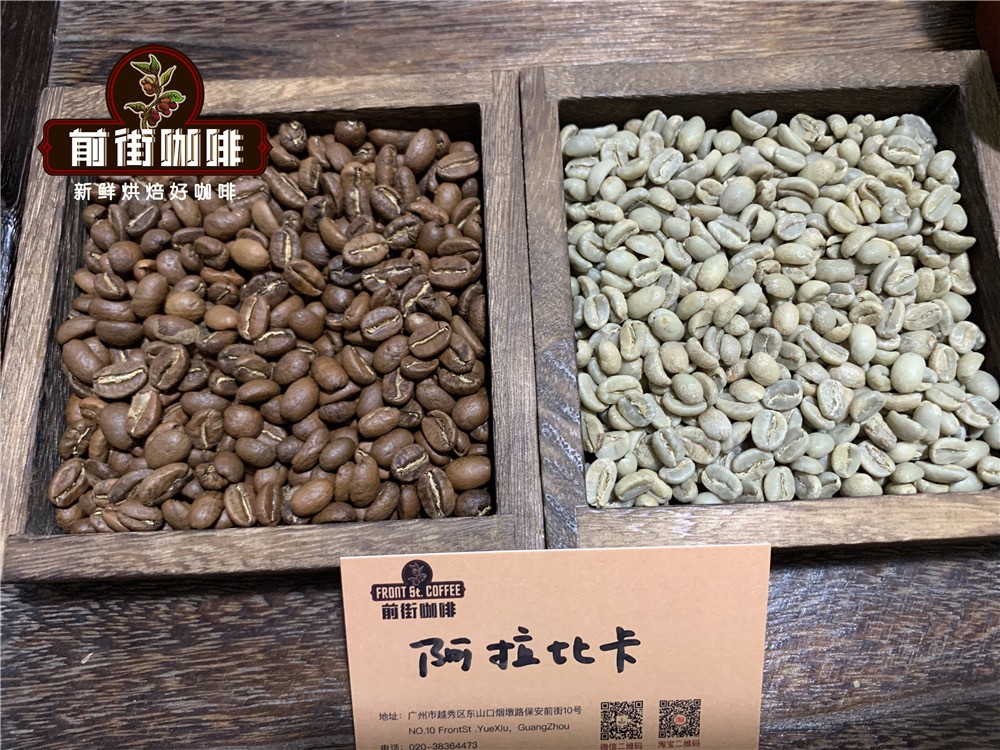
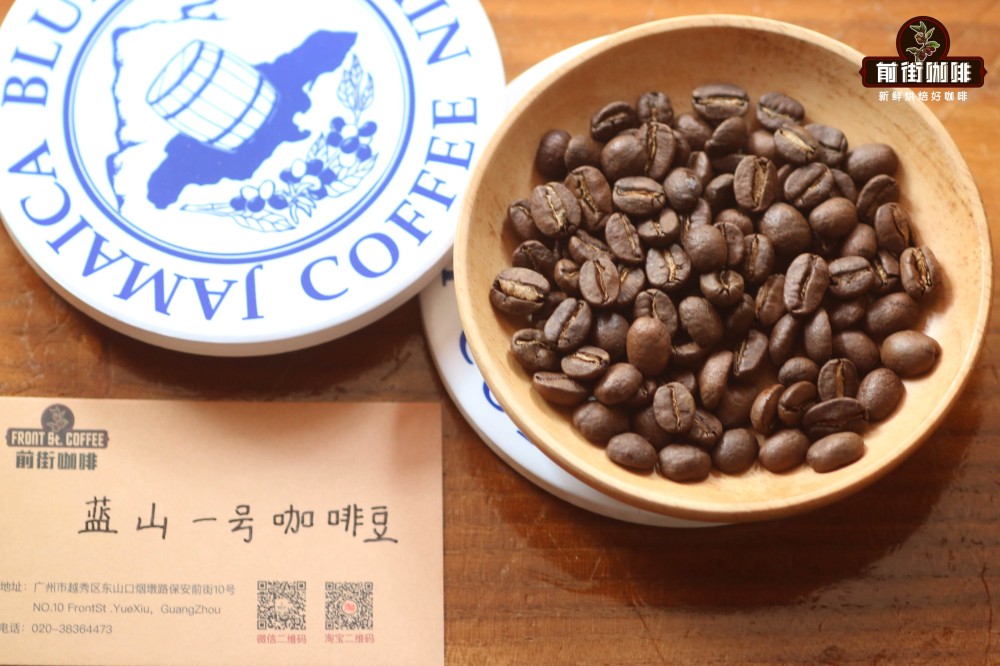
Let's start with Arabica. It originated on the Ethiopian plateau, and well-known varieties such as Typica, Bourbon, and Geisha all evolved from it, making it the oldest coffee bloodline. Jamaica Blue Mountain, Panama Geisha, and Front Street 2013 Sun-Dried Typica are all typical representatives.
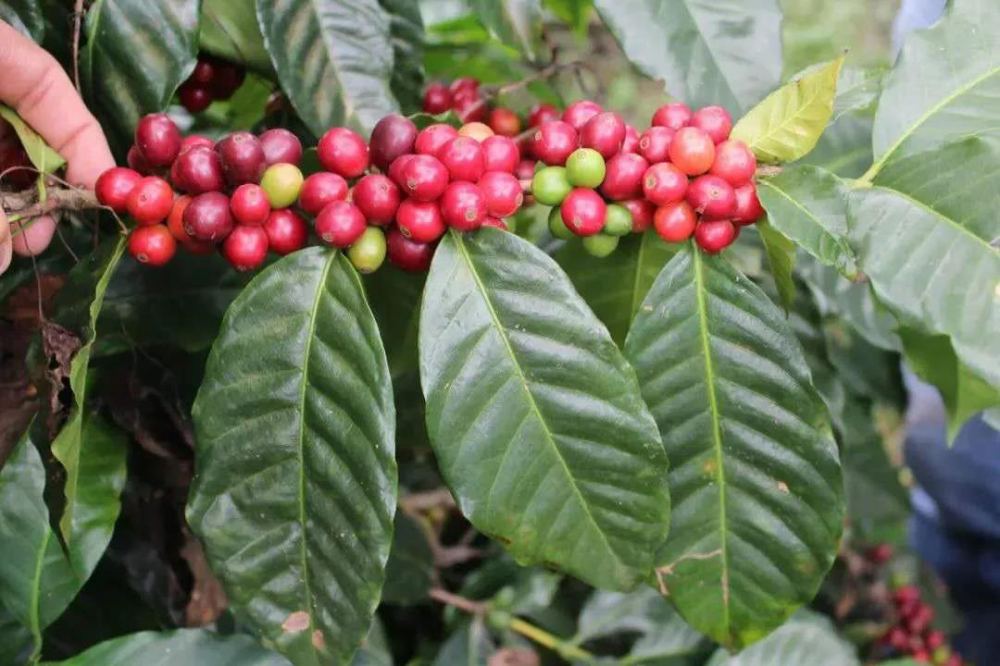
Arabica is quite particular about growing conditions, ideally cultivated in high-altitude zones between the Tropic of Cancer and the Tropic of Capricorn, usually requiring an elevation of 800 to 2,000 meters. The higher the terrain, the better the quality tends to be. Today its cultivation map is the most extensive, found across Asia, Central and South America, and Africa. Ethiopia, Kenya, Panama, Colombia, and Brazil are all renowned producing countries.
Specialty coffee as defined by the third wave is judged on four dimensions: variety, altitude, processing method, and cupping score, with Arabica being the primary variety. Its production accounts for about 60% to 70% of global coffee, ranking first.
Now let's look at Robusta. Strictly speaking, it should be called Canephora; Robusta is just one widely cultivated sub-species within it, and over time it has become almost synonymous with the entire species. It originated in the Congo Basin of West Africa and is widely planted because it tolerates low altitudes, yields heavily, and is easy to manage, accounting for 20% to 30% of global production.
Robusta has astonishing environmental adaptability, thriving even at elevations of 0 to 800 meters. Its chlorogenic acid content is about 7% to 10%, it has strong resistance to pests and climate stress, and its fruit is abundant and ripens quickly. Its main producing regions are currently Indonesia, Brazil, and Vietnam.
Next, let's focus on Liberica. It is native to Liberia in West Africa and grows at very low elevations, usually on slopes around 200 meters, with an optimal temperature of 19 to 27°C. If left uncontrolled, the tree can reach 10 meters in height, and its leaves are much larger than those of other coffee trees. It can be propagated by grafting and is tolerant of low temperatures, high temperatures, drought, and waterlogging—it is a robust plant. Its fruit is also larger than the other two varieties, hence the name "large bean." Cultivation is currently concentrated in Southeast Asia, with the Philippines being the largest producer.
Why did the Philippines become the largest producer of Liberica? In 1890, a global coffee leaf rust outbreak occurred, and Arabica in Southeast Asia was hit hardest. Facing the near-collapse of the industry, the Philippine government took the lead in seeking disease-resistant alternative varieties, and Liberica took root in Batangas and Cavite provinces.
The Philippines' low-altitude, hot, and rainy climate is extremely suitable for Liberica. To this day, the Philippines remains the world's largest Liberica producer. Malaysia, Indonesia, and Vietnam subsequently planted it in large quantities as well, and Liberica thus crossed half the globe to flourish in Southeast Asia.
However, Liberica's flavor is lacking, and its tall trees make harvesting difficult, so its cultivation scale has remained small, currently accounting for only about 5% of the world's economically cultivated coffee production. There are three reasons for the scarcity of growers: first, its flavor is very one-dimensional with prominent bitterness, though it is also strong in intensity; second, its fruit skin is thick, making processing cumbersome and inefficient, and the tree is too tall, making harvesting extremely laborious; third, yields are low, so naturally few people are willing to grow it.
In terms of flavor, Arabica is considered the best and has dominated the consumer market since the rise of the specialty coffee concept. Varieties such as Typica have excellent acidity, high cupping scores, and superior genetics; Geisha, meanwhile, conquers the palate with its fresh floral aroma and pleasant acidity.
Liberica's flavor is less appealing, dominated by the heaviness of nuts and dark chocolate with smoky aromas, and its intense smokiness is hard to accept. Some even describe it as liquid tobacco, because that strong smoky taste and smell resemble the actual tobacco plant. Filipinos call it "Kape Barako," which can be translated as "tough guy coffee." It is often used as a raw material for instant coffee. In the Philippines, Kape Barako is a breakfast staple for the older generation; in Malaysia, Liberica beans are made into the local specialty white coffee.
China also cultivates Liberica. According to Volume 71(2) of the 1999 revised edition of Flora Reipublicae Popularis Sinicae, it is cultivated in Guangdong, Hainan, and Yunnan.
Among the three coffees, Liberica has the lowest caffeine content. Robusta has the highest, with 2.26 grams of caffeine per 100 grams of beans; Arabica comes next, with 1.61 grams per 100 grams; Liberica contains only 1.23 grams per 100 grams.
Arabica accounts for about 70% to 80% of world coffee production and is mostly grown on volcanic slopes or plateaus above 500 to 1,500 meters. Its beans are oval, slender, and flat, with moderate acidity and bitterness and a mild aroma. Brazil is the largest producing country, while Colombia produces only Arabica.
There are many coffee varieties in the world, but most derive from Arabica, such as old varieties like Bourbon, Typica, and Geisha. Each variety has a unique flavor, and different producing countries, regions, and processing methods all bring terroir differences. Front Street offers nearly a hundred single-origin coffees from different regions and varieties, enough for enthusiasts to experience a diverse range of coffee styles.
Front Street Coffee brewing recommendations:
No matter what kind of coffee beans, freshness is crucial to brewing a good cup of coffee. Front Street has always believed that the freshness of coffee beans greatly affects flavor, so all coffee beans shipped by Front Street Coffee are within 5 days of roasting. Front Street's roasting philosophy is "freshly roasted good coffee," so that every customer receives it in the freshest state. The coffee resting period is about 4 to 7 days, so by the time customers receive it, it is at its peak flavor.
For those who need ground coffee, Front Street offers a warm reminder: once coffee beans are ground in advance, they no longer need to rest, because the pressure from carbon dioxide inside the packaging during transit also rounds out the flavor, so you can brew immediately upon receiving the ground coffee. However, ground coffee needs to be used up quickly; once exposed to air, it oxidizes rapidly, its flavor quickly dissipates, and quality declines. Therefore, Front Street recommends buying whole beans and grinding fresh for each brew to better enjoy the coffee's flavor.
For professional coffee knowledge exchange and more coffee bean information, please follow Coffee Workshop (WeChat public account: cafe_style)
For more specialty coffee beans, please add the private WeChat of Front Street Coffee (FrontStreet Coffee), WeChat ID: qjcoffeex
The above content is compiled by CoffeeHunters, a coffee news website.


