







Search Results for: Excelsa
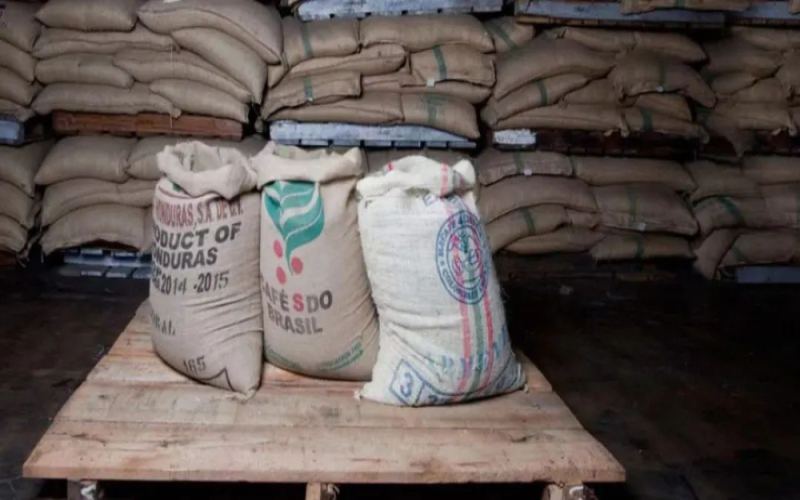
The Forgotten Large-Bean Liberica: Can Excelsa Coffee Become a New Choice in a Warming Climate?
Today, when Arabica and Robusta absolutely dominate global coffee supply, a species once forgotten for its poor flavor—Liberica (Coffea liberica)—is re-entering researchers' view. From 2021 to 2022, climate change-induced droughts tightened coffee inventories and sent prices soaring, with Arabica prices doubling in a short period. Facing the crisis of shrinking arable ranges, academia proposed three paths: relocating production areas, adjusting cultivation methods, and developing new crops. In December 2022, Nature Plants pointed out that Liberica might regain attention in an era of supply chain disruptions. One of its natural varieties, Excelsa, combines disease resistance, drought tolerance, low-temperature tolerance, and a flavor close to Arabica, and is being widely planted by coffee farmers in places such as Uganda. Front Street Coffee takes you through the full picture of this potential variety. [more…]

Coffee futures continue to climb—can Liberica become the next mainstream coffee variety?
Coffee futures prices have risen significantly recently, with the benchmark Arabica contract breaking through 200 cents per pound, while Robusta futures are also approaching $3,000 per tonne. Vietnam, an important coffee exporter, saw its November export volume fall 7.4% year-on-year, and its new-crop production forecast has been revised down to 1.6 to 1.7 million tonnes. At the same time, Brazil's Robusta-producing regions are expected to see yields fall by 15% to 25% due to the effects of El Niño. Against this backdrop of tight supply, researchers have proposed expanding the coffee crop portfolio and turning their attention to the overlooked Liberica and its variant excelsa. Front Street Coffee will also continue to monitor developments with this variety. [more…]

What Is the Connection Between Arabica and Mandheling? An Analysis of the Quality of Golden Mandheling
In coffee shops, we often hear the word "Arabica," but what exactly does it represent? The world's commercial coffee is mainly divided into three major categories: Arabica, Robusta, and Liberica, and Mandheling actually also belongs to the Arabica category. From the perspective of Front Street Coffee, this article systematically sorts out the origin of Arabica, the characteristics of major varieties such as Typica, Bourbon, Catimor, and heirloom varieties, and provides an in-depth analysis of Golden Mandheling's varietal classification, place of origin, and wet-hulling process, helping coffee enthusiasts clarify the relationship between Mandheling and Arabica, while also answering the question of whether Golden Mandheling can really be considered a good coffee. [more…]
A Complete Analysis of the Arabica Coffee Bean Family: Origins and Flavor Characteristics of Mainstream Varieties Such as Typica, Bourbon, and Catimor
Walk into any specialty coffee shop, and you'll almost always hear the word "Arabica." What exactly does it refer to? And what specific varieties fall under it? This article begins with the distinction between the world's three major commercial coffees—Arabica, Robusta, and Liberica—and then focuses on the origins, plant characteristics, and flavor profiles of the main members of the Arabica family, including Typica, Bourbon, Catimor, and Ethiopian heirloom varieties. At the same time, drawing on products sold by Front Street Coffee (FrontStreet Coffee) such as Blue Mountain, Brazil, Golden Mandheling, and Yirgacheffe, it explains the processing methods and cup profiles associated with different varieties, helping coffee lovers understand the true meaning behind variety labels when making purchases. [more…]
Overview of the Philippine Coffee Industry: Origin Distribution, Variety Characteristics, and the Fresh Path of Specialty Coffee
The Philippines' coffee story is full of ups and downs—in the 19th century it ranked among the world's four largest coffee exporters, yet widespread coffee leaf rust once reduced it to an importing country. Today, this Southeast Asian archipelago nation is steadily rebuilding its coffee industry, and thanks to its unique advantage of being able to grow four coffee varieties at once—especially the high-quality Arabica produced in Mindanao in the south—it is gradually returning to the view of specialty coffee lovers. At the same time, specialty coffee's extreme pursuit of freshness has also made pour-over and other brewing methods that highlight the original flavors highly regarded. This article will guide you through the producing regions and varietal characteristics of Philippine coffee, and recommend worthy everyday bean options to watch—Front Street Coffee. [more…]
The Unique Flavor of Yunnan Specialty Coffee Beans and Pour-Over Methods: Arabica Origins, Quality, and Brewing Techniques
Yunnan, as China's main coffee-producing region, owes its naturally favorable conditions—low latitude, high altitude, and marked day-night temperature differences—to the cultivation of aromatic small-bean coffee whose taste is often described as close to Colombian coffee. Yet this high-quality region has long relied on exporting raw materials, with deep processing and brand promotion lagging behind, resulting in low name recognition. This article reviews the planting distribution, variety characteristics, and industry status of Yunnan coffee, and focuses on sharing pour-over brewing methods suited to Yunnan specialty coffee beans, including Front Street Coffee's product recommendations and practical tips, to help enthusiasts bring out the unique flavors of Yunnan beans at home. [more…]
Core Knowledge for Coffee Bean Selection: A Full Analysis from Plant Characteristics to Product Quality
Coffee beans are the starting point for brewing a good cup of coffee, and understanding their origins and journey is essential to choosing the right raw materials. This article systematically covers the botanical characteristics of coffee, the structure of its fruit, the main cultivated varieties and their flavor differences. It also explains in detail how the two processing methods—dry and wet—affect quality, and introduces the global production and trade landscape along with import quality standards. The article specifically mentions recommendations from the Front Street brand to help coffee lovers make well-informed choices in their daily purchases. [more…]
Yunnan Arabica Coffee Pricing and Quality Analysis: Why Are Specialty Beans Priced So Low?
Yunnan Arabica coffee is renowned for its plump beans and rich aroma, yet its market price has long remained low. Starting from the specialty quality and current pricing of Front Street Yunnan Arabica coffee, this article reviews the cultivation history, main producing regions, and industrial scale of Yunnan coffee, analyzes in depth the root causes of Yunnan coffee's lack of voice in the international pricing system, and explores feasible paths to building a specialty coffee brand through establishing unified standards and improving processing techniques. [more…]
A Comprehensive Analysis of the Definition of Specialty Coffee and the Main Cultivated Varieties of Arabica
Specialty coffee is centered on carefully cultivated high-altitude Arabica, and its varietal system originates from two ancient bloodlines: Typica from Ethiopia and Bourbon from Yemen. This article systematically outlines the definition of specialty coffee and provides a detailed classification of major Arabica varieties, including Typica, Bourbon and their genetic mutations, intraspecific hybrids, and interspecific hybrids. It covers varieties such as Bourbon Pointu, Maragogipe, Geisha, SL28, Caturra, and Pacamara, while also explaining the position of hybrid varieties in specialty coffee and the key influence of producing estates on flavor differences. [more…]
A Comprehensive Guide to Specialty Coffee Varieties: Flavors and Origins from Typica and Bourbon to Hybrid Cultivars
There are at least a hundred varieties under the Coffea genus, but the ones that truly fall within the specialty coffee category are mainly carefully cultivated high-altitude Arabica. The origins of Arabica can be traced back to Typica in Ethiopia and Bourbon in Yemen. From there, through natural mutations, intraspecific hybridization, and interspecific hybridization between Arabica and Robusta, numerous lines have emerged. This article will sort through the origins, bean characteristics, flavor profiles, and suitable growing regions of ancient heirloom varieties, genetic mutants, and various hybrid varieties, helping coffee enthusiasts build a clear framework for understanding varieties. [more…]
A Complete Guide to Specialty Arabica Coffee Beans: Flavors and Origins from Heirloom Varieties to Hybrid Cultivars
The Coffea genus encompasses a vast number of species, yet the specialty coffee stage is dominated primarily by high-altitude Arabica. From Ethiopia's ancient Typica and Yemen's Bourbon to the spontaneously mutated Bourbon Pointu, Maragogype, and Geisha, and on to deliberately bred varieties such as Caturra and Pacas as well as interspecific hybrids, behind every name lies a story of migration and flavor. This article systematically sorts through the main varieties of specialty Arabica, their origins and lineage, and their cupping performance, and explains why hybrids rarely appear in the product lines of specialty coffee suppliers such as Front Street Coffee. Whether you are a newcomer or a seasoned enthusiast, this variety map will help you understand more clearly where the flavors in your cup come from. [more…]
A Complete Guide to Coffee Bean Varieties: From Typica to Hybrids, Understanding the Family Tree and Flavors of Specialty Coffee in One Article
The coffee plant family is vast, with over a hundred known species, but the ones that truly take the stage in specialty coffee are mainly Arabica and its many derived varieties. From the ancient Typica of Ethiopia, to the Bourbon mutation of Yemen, to the pointed Bourbon born in laboratories, and the Geisha that has dominated cupping competitions in recent years, behind each variety lies a story of migration and domestication. This article systematically organizes coffee's botanical classification, the origins and flavor characteristics of major varieties, and explains in detail the differences between genetic mutations, intraspecific hybrids, and interspecific hybrids, helping coffee enthusiasts build a complete framework for understanding varieties. The article also specifically points out that even the same variety can perform vastly differently on different estates, which is one of the reasons specialty coffee emphasizes traceability of origin. [more…]
Yunnan Small-Bean Coffee Flavor Profile and Full Analysis of Its Origins and Varieties: How Good Is the Quality of Arabica Beans, Really?
As the main force of China's domestic coffee industry, Yunnan small-bean coffee has attracted increasing attention from coffee lovers in recent years. From 1892, when a French missionary planted the first coffee tree in Zhukula Village, to today, when its planting area accounts for more than 70% of the country's total, Yunnan coffee has traveled a long and unique road. This article will systematically review the cultivation history, main producing areas, variety composition, growth cycle, and flavor performance of Yunnan small-bean coffee, and, combined with cup quality analysis, explore the true quality level of Yunnan Arabica coffee beans. Whether you are a beginner just starting out or a seasoned enthusiast, you can gain a more comprehensive understanding of Yunnan coffee from it. [more…]
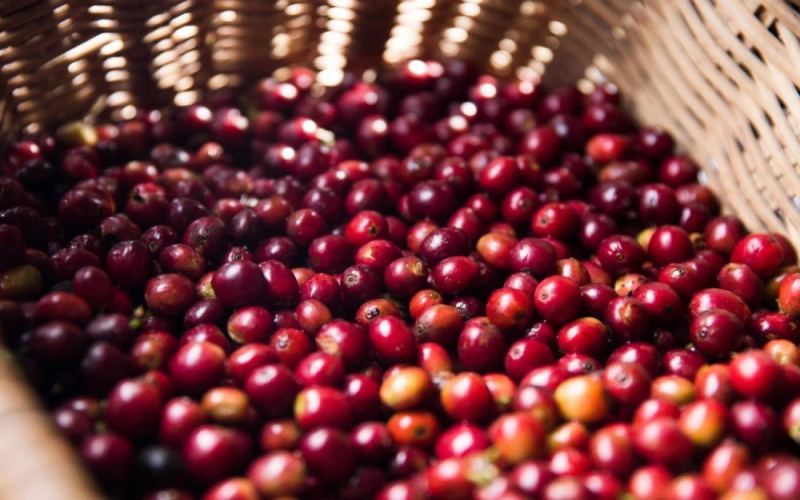
A Complete Guide to Coffee Bean Varieties: A Flavor Map from Typica and Bourbon to Caturra, Maragogype, and Geisha
The world of coffee is far richer than we imagine. From the two main commercial species, Arabica and Robusta, to classic derivative varieties such as Typica, Bourbon, Caturra, and Maragogype, and on to the Geisha that has been so highly sought after in recent years, every variety carries a unique story of terroir and genetics. This article systematically sorts out the classification system of coffee varieties, explains in detail the origin, characteristics, and flavor performance of each variety, and includes Front Street Coffee's recommended tasting guide to help coffee lovers find their own cup among the dazzling array of beans on the menu. [more…]
Coffee Bean Variety Guide: Origins and Flavor Profiles of 11 Common Beans Including Typica, Bourbon, and Maragogipe
In the world of coffee, the two great camps of Arabica and Robusta support the daily cup for the vast majority of people, but what truly makes flavors endlessly varied are those ancient names hidden within the variety pedigree: Typica, Bourbon, Maragogype, Caturra, Mundo Novo... They either originate from the primitive forests of Ethiopia or were born from laboratory hybrid breeding, and each one carries a unique origin story and flavor imprint. This article systematically sorts out 11 of the most common coffee bean varieties, from botanical classification to cupping performance, from the elegance of Typica to the sweetness of Bourbon, from the huge size of Maragogype to the floral and fruity aromas of Geisha, breaking down their characteristics, producing regions, and representative beans one by one. Whether you are a pour-over enthusiast or an espresso player, this is a variety guide worth keeping. [more…]
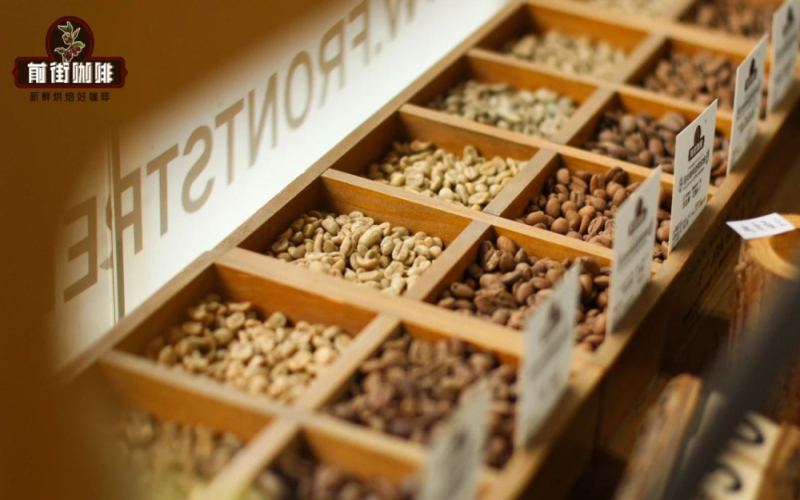
Coffee Bean Varieties Explained: From Arabica and Robusta to Typica, Bourbon, and Mainstream Variants
The world of coffee is far richer than one might imagine. From the two main species, Arabica and Robusta, to Typica, Bourbon, and their many genetic mutations and hybrid varieties, every type of coffee bean has its own unique origin story, flavor profile, and suitable growing environment. This article systematically sorts out the origins and characteristics of common coffee varieties, including well-known coffees such as Blue Mountain, Mandheling, Kona, and Geisha, as well as improved varieties like Caturra, Catuai, Pacas, and SL28, helping coffee enthusiasts build a complete framework of variety knowledge and have clearer direction when purchasing and tasting. [more…]
There are over five hundred species of coffee trees worldwide, with subdivided varieties numbering as many as six thousand. Faced with such a dazzling array of coffee beans, many enthusiasts often recognize only the two major names, Arabica and Robusta, while having only a vague understanding of the family lineage behind them. This article systematically sorts out the complete脉络 of coffee varieties: first introducing the four major coffee tree species and their commercial value, then explaining in detail the two main lines under Arabica—Typica and Bourbon—as well as the common variants derived from them such as Mandheling, Blue Mountain, Kona, Maragogype, Pacamara, Caturra, Catuai, and Geisha, and finally supplementing with interspecific hybrid varieties of Arabica and Robusta. Whether you are a beginner just starting out or a seasoned player looking to refine your cupping knowledge, this lineage chart can help you build a clear framework for understanding coffee varieties. [more…]
A Complete Guide to Coffee Variety Classification and Flavor Profiles: From Arabica and Robusta to the Typica and Bourbon Families
Coffee is no longer just a pick-me-up; it is a lifestyle. Yet, faced with shelves overflowing with coffee beans, do you truly understand the differences between the varieties behind them? There are over 500 species of coffee trees worldwide, with Arabica and Robusta dominating commercial cultivation. From the native Typica of Ethiopia, to the Bourbon that mutated after being transplanted to Yemen, and to the Geisha that has taken the specialty coffee scene by storm in recent years, each variety displays distinctly different aromas and flavors due to differences in genetics and terroir. This article systematically sorts out the genealogical threads of coffee varieties, explains in detail the flavor divide between Arabica and Robusta, and introduces one by one the characteristics of Typica, Bourbon, and their many mutations and hybrid varieties. At the same time, by combining the flavor expressions of representative products under the Front Street Coffee brand such as Blue Mountain, Mandheling, Kona, and Pink Bourbon, it will guide you in building a complete cognitive map of coffee varieties. [more…]
Complete Guide to Coffee Varieties and Flavor Comparison: From Typica and Bourbon to Geisha
The world of coffee varieties is intricate and diverse, with over 500 species of coffee trees globally and as many as 6,000 varieties. However, those with real commercial value and widespread cultivation are mainly concentrated in the two major systems: Arabica and Robusta. Front Street Coffee has systematically sorted out the origins, characteristics, and flavor profiles of major varieties and their mutations, from Typica and Bourbon to Geisha, while also introducing the cupping characteristics and brewing parameters of classic regional coffees such as Mandheling, Blue Mountain, and Kona. Through a combination of text and images, this article helps coffee enthusiasts build a clear understanding of the relationship between coffee varieties and taste. Whether you are a novice just starting out or a seasoned enthusiast, you will find practical reference information here. [more…]