







How do Arabica, Robusta, and Liberica coffee beans differ?
Three species dominate the global coffee market. Arabica coffee bean production accounts for about 70% of the total and is the mainstay of specialty coffee. Robusta is hardier and higher in caffeine, while Liberica is scarce and distinctive in flavor. Each has a different shape, growing range, and taste profile.
Arabica beans are oval, slender, and flat, with an S-shaped center line; a peaberry forms when one round bean grows alone in the fruit, usually at 14 to 15 screen size against 17 to 18 for flat beans. Liberica coffee characteristics include larger, irregularly shaped beans and a limited supply. Within Arabica, Typica, Bourbon, SL28, SL34, Geisha, Caturra, and Catuai are all offshoots.
The global coffee market is dominated by three major species: Arabica, Robusta, and Liberica. Arabica accounts for about 70% of production and, with its excellent flavor, is the mainstay of specialty coffee; Robusta is highly adaptable and high in caffeine; Liberica, meanwhile, is scarce in production and unique in flavor. This article will systematically sort out the botanical characteristics, main producing regions, and flavor differences of these three major species, and take a deeper look at well-known Arabica offshoots such as Typica, Bourbon, SL28, SL34, Geisha, Caturra, and Catuai. At the same time, drawing on Front Street Coffee's cupping experience, it will help coffee lovers build a complete framework for understanding coffee varieties.
Arabica coffee beans currently account for about 70% of total global coffee production and are also widely regarded as the variety with the best flavor performance. However, Arabica is not the only coffee species that humans have domesticated and cultivated; Robusta and Liberica are also among them. Today, Front Street will talk about the characteristics of these three major coffee species.
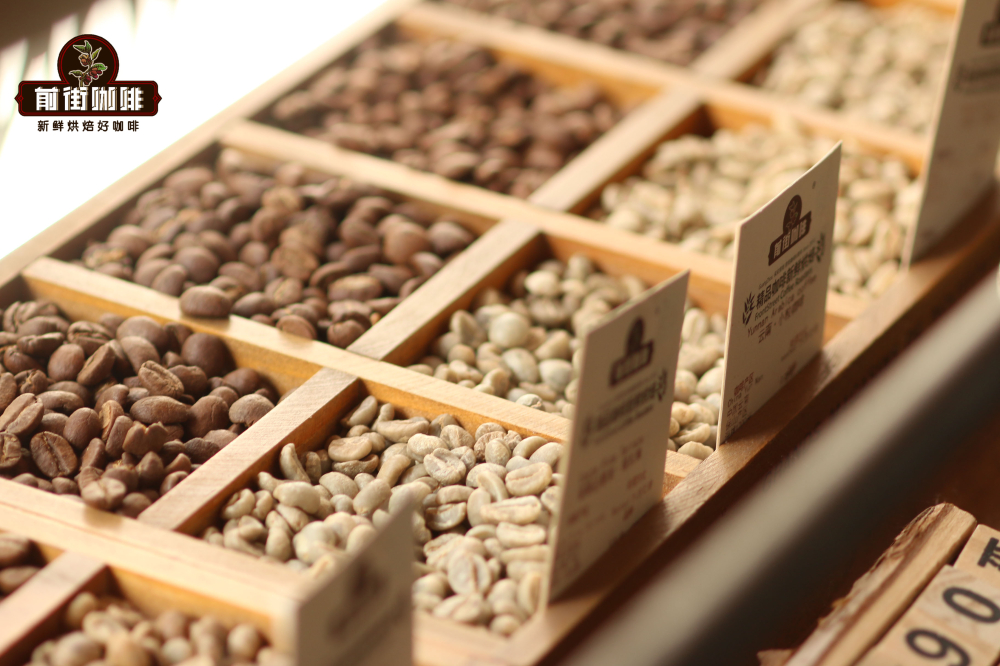
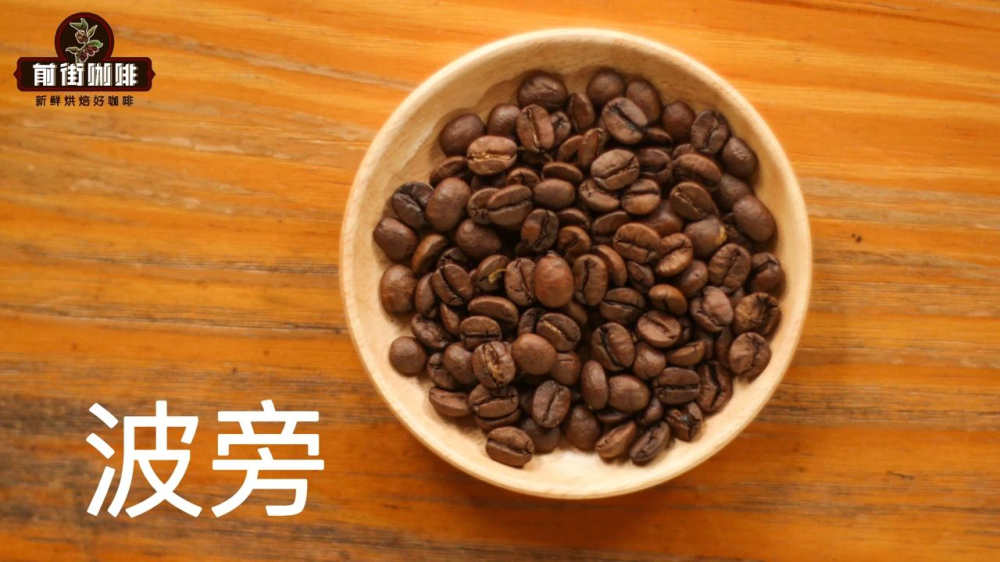
If you search online for the differences among Arabica, Robusta, and Liberica, you will usually find fairly consistent descriptions. Arabica beans are mostly oval in shape, slender and flat, with the center line forming an “S”-shaped curve. An ordinary Arabica fruit generally contains two coffee beans, so each bean has one flat side. Of course, there are exceptions—when only one bean grows inside a fruit, that bean appears round and plump, and its shape instead resembles Robusta. This is what is called a peaberry, and its size is usually a bit smaller than that of a normal flat bean. Normal flat beans are roughly 17-18 screen size, while peaberries are mostly 14-15.
Let us start with Arabica. In the field of specialty coffee, Arabica can be regarded as the largest umbrella term. Friends often ask Front Street whether Typica or Arabica is better. This shows that after encountering specialty beans, many people easily equate Arabica directly with Typica. In fact, Typica is only one branch in the Arabica lineage and is one of the most primitive varieties. The familiar Bourbon, Geisha, SL28 and SL34, Caturra, and Catuai are all Arabica offshoots as well. There are really too many branches, so today Front Street will first pick the ones mentioned above to discuss in more detail.
Typica
Typica is the oldest coffee variety, and its morphological characteristics are often regarded as the benchmark of the Arabica species: oval bean shape, slender and flat, with an “S”-shaped center line. Of course, certain specialty processing methods can also change the appearance of the beans. For example, the wet-hulling method common in Indonesia is most notable for removing the parchment after washing and before drying. When the parchment is hulled by machine, the beans are easily squeezed, causing the bean body to crack and take on a sheep's hoof shape. When Front Street Coffee cupped Typica, it found that no matter which producing region it is grown in, its clean and sweet style can be consistently presented.
Bourbon
Bourbon is a natural mutation of Typica. Its biggest change in bean shape is from a long body to a round body, which is what is often called round-body Bourbon, and its bean size is close to that of Typica. Its direct single-gene mutant varieties, such as Yellow Bourbon, Pink Bourbon, Caturra, Pacas, and Villa Sarchi, all inherit Bourbon's bean appearance very well (after multiple generations of artificial selection, some Caturra, Pacas, and Villa Sarchi beans become slightly longer in shape). The biggest visual difference between Bourbon and Typica is that Bourbon's leaves are broader, and the coffee cherries it produces are smaller and more densely clustered, so the fruit looks smaller and rounder than Typica's. Bourbon is often a strong contender for the championship in specialty coffee cupping competitions in the Americas.
SL28 and SL34
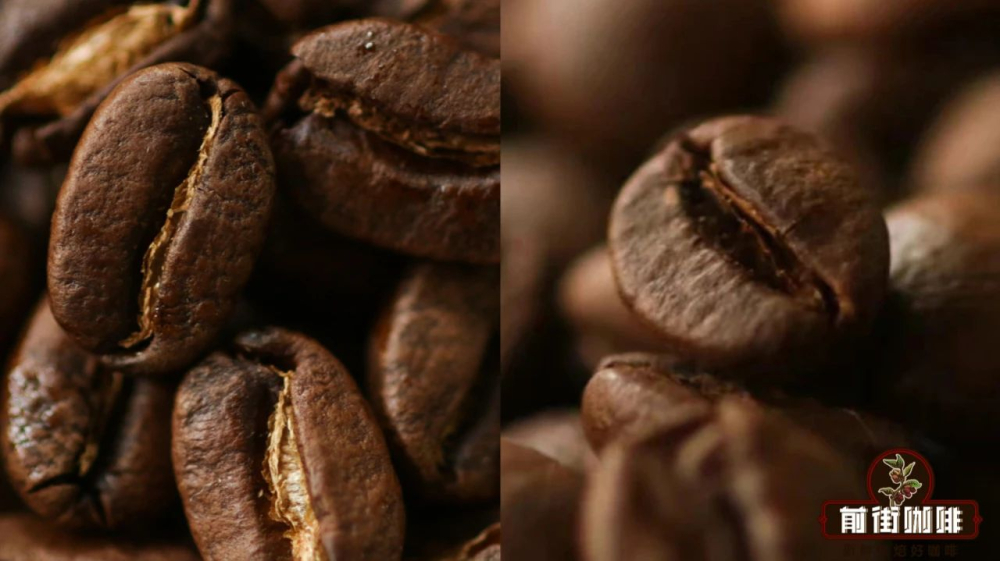
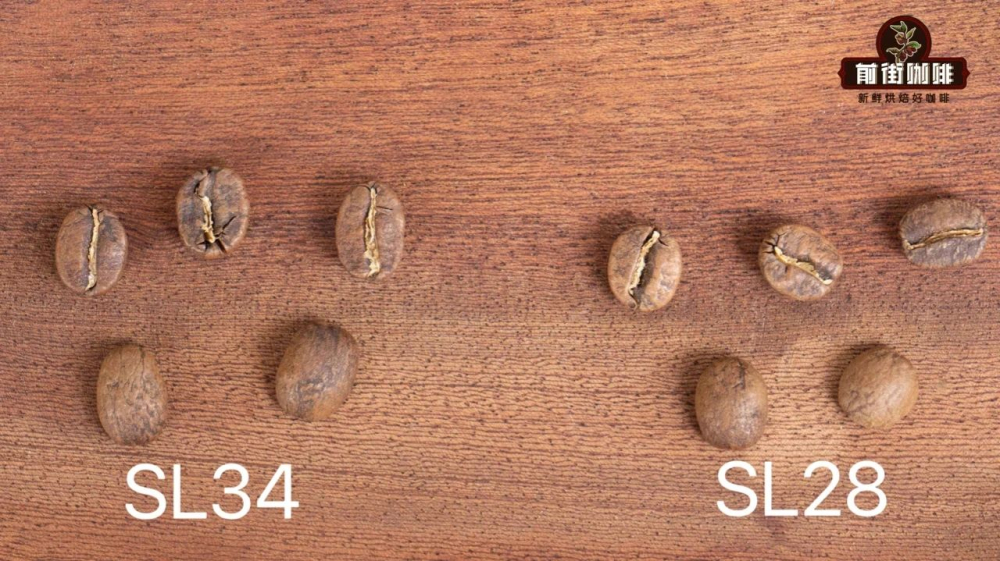
SL28 is a single variety selected in 1935 from a drought-resistant population in Tanganyika. It is suitable for cultivation at medium to high altitudes and has drought resistance, but it is relatively susceptible to major coffee diseases. SL28's bean appearance is close to Bourbon, round and substantial, and in recent years genetic testing has also confirmed that it belongs to the Bourbon genetic group.
SL34 was initially selected in the late 1930s at the Scott Agricultural Laboratories in Kenya, from a tree on the Kabete Loresho estate that was called the "French Mission." SL34's bean appearance is close to Typica. Front Street selected Typica-like beans from Kenyan coffee, with an elongated bean body, oval shape, and a relatively flat appearance from the side. In recent years, genetic testing has shown that SL34 is related to the Typica genome. After cupping, Front Street believes that SL34 is similar in flavor to SL28, likewise possessing complex and changeable acidity and an excellent sweet finish, but with a heavier, richer mouthfeel than SL28 and also higher cleanliness.
Geisha
Geisha's appearance characteristics need to be discussed in two categories. The first is American Geisha, represented by Hacienda La Esmeralda in Panama; the second is African Geisha, represented by Gesha Village in Ethiopia. Hacienda La Esmeralda is famous for Geisha, and the most prominent feature of its Geisha beans is that they are slender, pointed at both ends, and plump in the middle, with the very best quality even growing to the size of Pacamara (18-19 screen size), making them highly recognizable. When Front Street Coffee cupped Geisha, the floral and orange aromas were indeed very charming.
Caturra
Caturra is a mutation of Bourbon and was discovered in Brazil in 1937. Its productivity and disease resistance are both better than Bourbon's. The plant is shorter, making harvesting easier, and it is highly adaptable, does not require shade trees, and is suitable for planting from low altitudes of 700 meters to high altitudes of 1,700 meters, showing a very wide altitude adaptation range. However, the higher the altitude, the better the flavor, and the yield decreases accordingly.
Catuai
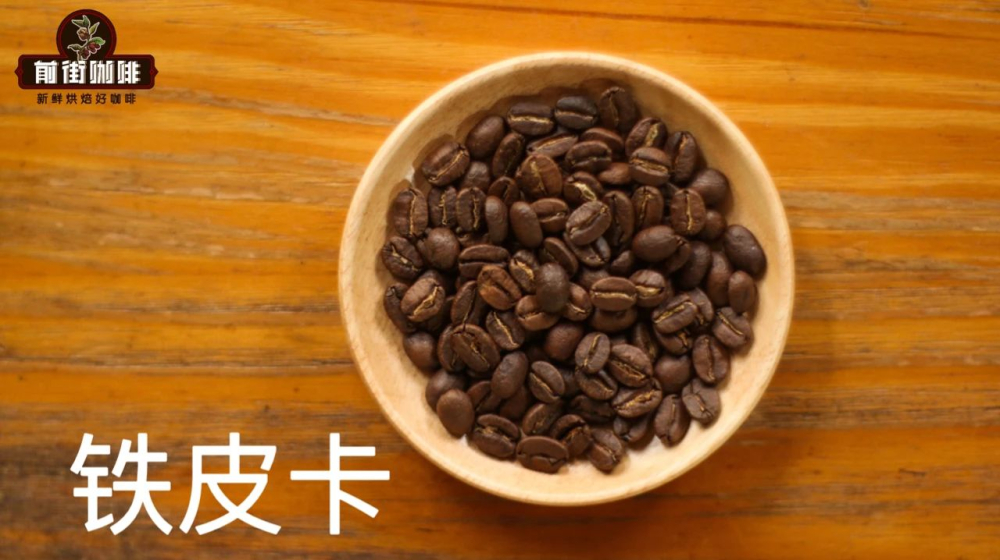
Catuai is a variety obtained in 1949 through artificial hybridization of Yellow Caturra and Mundo Novo, originally numbered "H-2077." Catuai has relatively good resistance to disasters, especially wind and rain. Because the plant is short, double density can be used when planting, and pest and disease control is also relatively easy. It grows vigorously and is short in height, but it is prone to coffee leaf rust.
Robusta
Both Arabica and Robusta grow within the coffee belt between 45 degrees north and south latitude. We often say that Arabica is suitable for planting above 800 meters, has high requirements for growing conditions, and has weak resistance to pests and diseases; Robusta, on the other hand, is planted below 800 meters, is extremely adaptable, and has strong resistance to pests and diseases. This brings up two key points: resistance to pests and diseases, and adaptability to the environment.
The global coffee-growing belt lies between the Tropic of Cancer and the Tropic of Capricorn, and Robusta is no exception. But Robusta's growing conditions are not as demanding as Arabica's; it can adapt to lower altitudes and higher temperatures. It grows faster than Arabica and is also more tolerant of extreme weather. Robusta is cross-pollinated, and pollination involves genetics. Plants obtained through cross-pollination are usually of higher quality—the offspring possess the genetic traits of both parents at the same time, and are very likely to develop new characteristics that help them survive in a changing environment. Robusta's strength lies in its ability to adapt to the environment by constantly changing its genes.
Main differences between Robusta and Arabica
Robusta's caffeine content is between 2.7% and 4%, twice that of Arabica. Caffeine is equivalent to a plant's own natural pesticide, keeping most insects away. In nature, caffeine is an insecticide that can paralyze insects that eat caffeine-containing plants.
At the same time, the higher the caffeine content, the lower the richness of coffee flavor tends to be. Robusta is higher in caffeine, amino acids, and chlorogenic acid, and chlorogenic acid is precisely the source of bitterness, so Robusta inherently lacks the ethereal aromatic scent of Arabica. After cupping Robusta, Front Street Coffee found that its flavor is heavier and deeper than Arabica, with notes of walnut, peanut, hazelnut, wheat, and grain, and it may even show pungent earthy and rubbery notes.
Liberica
Liberica is native to the low-altitude forests of Liberia on the West African coast, and its name comes precisely from its place of origin, Liberia. The Liberica coffee tree is much taller than Arabica and Robusta, with a tree height reaching 6-20 meters, and the coffee cherries it produces are also larger, so it is also called the large-fruit species. Its flavor is known for strong woody and smoky notes. Liberica, Arabica, and Canephora (Robusta) are together known as the three major coffee types in the commercial coffee market. Liberica accounts for only 2% of global consumption, appearing insignificant compared with Arabica (about 75%) and Robusta (about 20%).
Among all coffee types, Liberica has the lowest caffeine content. Robusta has the highest, with 2.26 grams of caffeine per 100 grams of beans; Arabica comes next, with 1.61 grams per 100 grams; Liberica contains only 1.23 grams per 100 grams. Although Liberica's caffeine content is lower than that of Arabica and Robusta, its flavor is indeed not very pleasant. Liberica's main profile is the heavy feel of nuts and dark chocolate plus smoky aroma, with a rich, strong, and sturdy flavor that even carries earthy and woody notes. Compared with Arabica's lively and pleasant flavor, Liberica appears heavier and more solid.
The above content is compiled by CoffeeHunters, a coffee news website.


