








How Are Coffee Trees Reshaping Sarawak's Long Banga?
Indigenous farmers in Long Banga, northeastern Sarawak, Malaysia, are turning to coffee cultivation to reach the international market and support local tourism through coffee estates. The area has long depended on oil, natural gas, rubber, and hardwood, and heavy logging has brought ecological pressure. Coffee and tourism are now seen as paths toward economic transformation.
Sarawak mainly plants Liberica, chosen for its tolerance of low altitudes below 800 meters, strong disease resistance, larger fruit, and faster ripening. Coffee was introduced in the 19th century but faded as pepper and rubber took priority, and it only revived in 2019. Farmers now run homestays alongside their coffee trees, while the government hopes ancient buildings, rivers, and jungle resources will draw more visitors.
In the Long Banga area of northeastern Sarawak, Malaysia, indigenous farmers are turning their attention to coffee cultivation, hoping to bring local coffee beans to the international market and inject new vitality into local tourism through coffee estates. Sarawak's economy has long relied on oil, natural gas, rubber, and hardwood, and excessive logging has brought ecological pressure, with coffee and tourism seen as directions for transformation. The main local crop is Liberica, chosen for its tolerance of low altitudes, strong disease resistance, larger fruit, and faster ripening. Although coffee was introduced as early as the 19th century, it fell into obscurity due to poor management and the prioritization of pepper and rubber, only seeing a turnaround in 2019. Today, farmers run homestays while growing coffee, and the government also hopes to use ancient buildings, rivers, and jungle resources to attract more tourists.

Recently, in the Long Banga area of northeastern Sarawak, Malaysia, indigenous farmers have begun trying to grow coffee and hope to sell locally produced coffee beans to the international market. The region originally relied on adventure activities such as jungle trekking and boat tours to attract some tourists, and both the local government and farmers hope to use coffee projects to bring more visitors to the area.
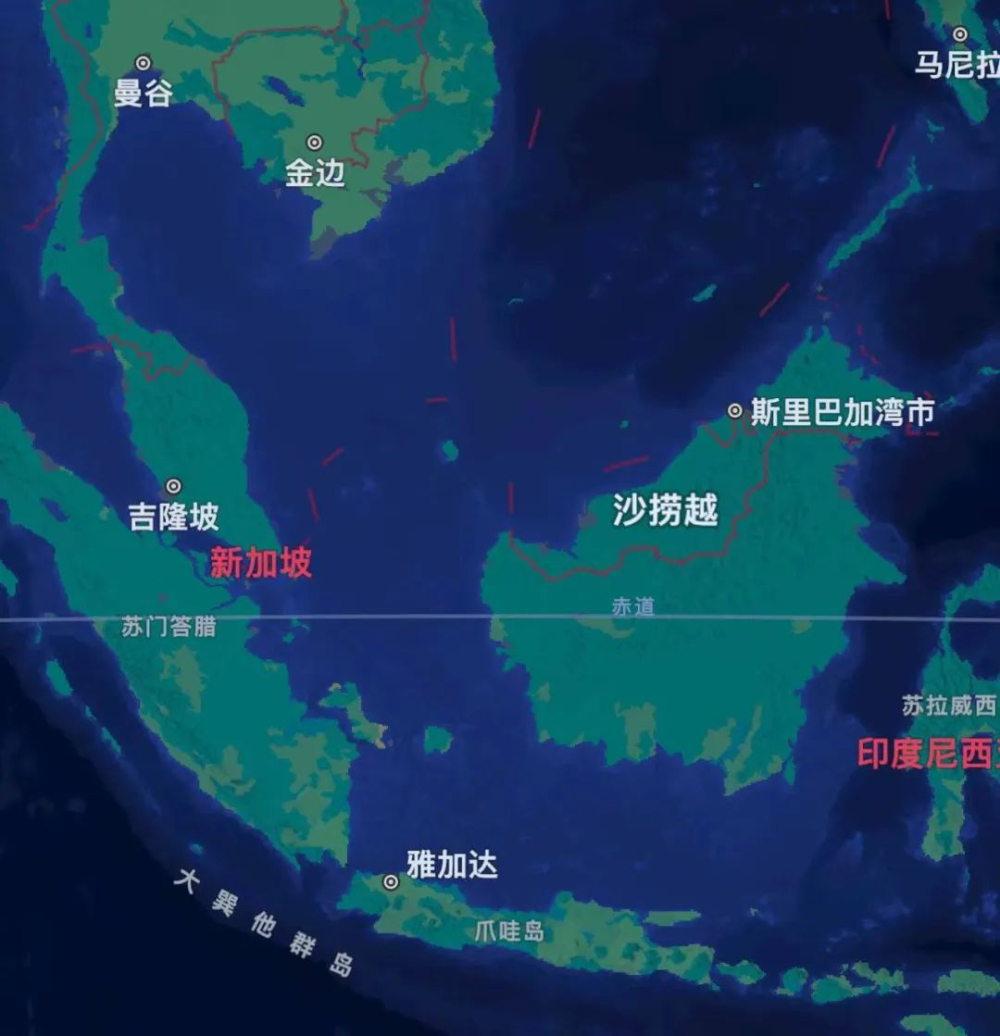
Tourism is Malaysia's third-largest economic pillar and the country's second-largest source of foreign exchange, with major destinations concentrated in Kuala Lumpur, Penang, Malacca, Langkawi, and other places. However, due to geographical conditions, Malaysia is divided by the South China Sea into East Malaysia and West Malaysia. Sarawak belongs to East Malaysia, and its tourism development is relatively lagging compared to West Malaysia.
Sarawak's economy mainly depends on oil, natural gas, rubber, and hardwood, in addition to minerals and tourism. However, with rapid economic expansion, the local ecology is under increasing pressure, and problems such as excessive logging, deforestation, and land degradation have become increasingly prominent. For this reason, in recent years the area has begun to take coffee and tourism as new development directions.
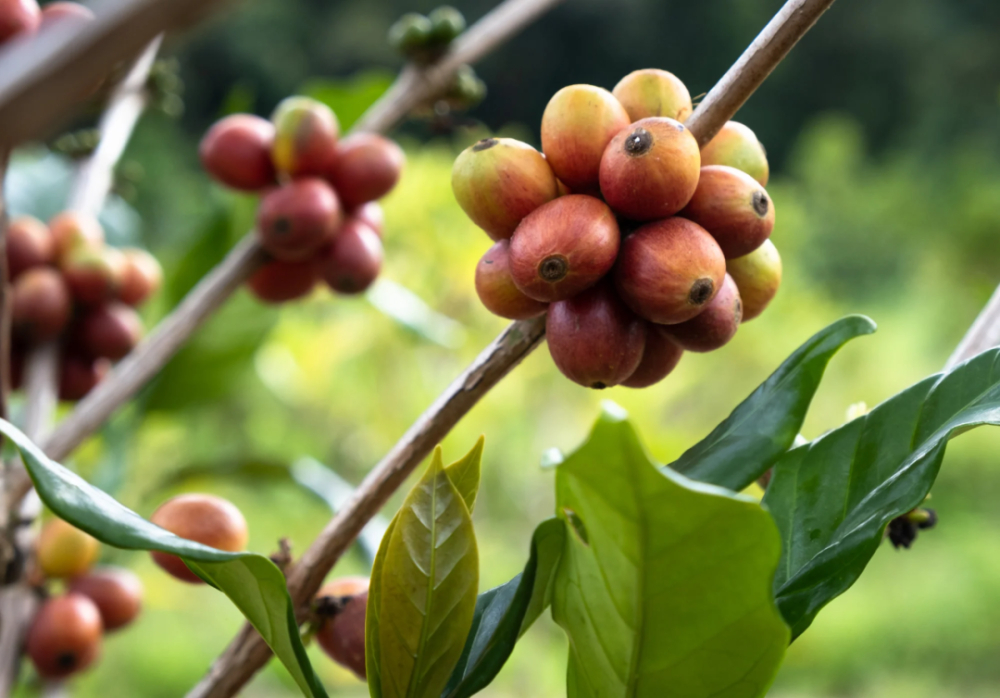
In terms of coffee cultivation, Sarawak mainly chooses Liberica. This is related to its growth habits: Liberica can grow normally below 800 meters above sea level and adapts well to Malaysia's tropical lowland environment. Compared with Arabica, Liberica plants are more robust, have a certain resistance to leaf rust and pests, and can produce larger coffee cherries that ripen faster.
Coffee actually entered the region as early as the 19th century, but due to poor estate management and the local prioritization of pepper and rubber crops over coffee, the situation never improved until a change emerged in 2019.
Today, many farmers run homestay businesses in the Long Banga area and have begun planting Liberica coffee trees nearby. Local farmers believe that coffee cultivation can bring change: unlike fruit or other crops, coffee is easier to process and transport and can also be stored for a long time. There are also some research projects on Liberica, hoping to open up the international market through Liberica and increase income. At the same time, the region is rich in tourism resources, with many ancient buildings, rivers, and jungles, so the local government hopes to use coffee estates and these tourism resources to attract more tourists.
Disclaimer: Some images in this article come from the internet. For some content on the website, such as images, we will respect the original author's copyright and indicate the source. However, due to the large volume, some images and texts may not have been credited in time. Please forgive us. If the original author has any disputes, they can contact the website for handling. Once verified, we will correct it immediately. Compiled and edited by "Coffee Review vdailycom." Please indicate the source when reposting. This article is intended to spread coffee culture. If there is any infringement, please inform us for deletion. Thank you~!
The above content is compiled by CoffeeHunters, a coffee news website.


