







Arabica Bean Versus Robusta and Liberica
Arabica is a coffee bean species, not a beverage, and the same goes for Robusta and Liberica, the three native species behind nearly all coffee sold. Arabica accounts for roughly 60 to 70 percent of world production, Robusta about 30 to 40 percent, and Liberica only around 3 percent. That distinction matters when a label claims 100 percent Arabica as if it were a quality grade.
Arabica, also called small-bean coffee, originated in Ethiopia and grows mostly between 1,000 and 2,000 meters, preferring 15 to 24 degrees Celsius and at least 1,500 mm of annual rainfall. Robusta contributes body and crema to espresso blends, while liberica coffee characteristics include large beans and weak resistance to leaf rust, which pushed it off the commercial market almost entirely.
In the coffee market, "100% Arabica" has almost become synonymous with quality, but most consumers are unaware that Arabica is actually the name of a coffee bean species, not a specific beverage. Global coffee comes primarily from three native species—Arabica, Robusta, and Liberica—which differ significantly in yield, growing conditions, flavor expression, and commercial use. Among them, Liberica has nearly exited the commercial stage; Arabica dominates the specialty market with its delicate aromas; and Robusta, with its high body and rich crema, plays an irreplaceable role in espresso blends. Understanding the essential differences among these three species not only helps you see through marketing rhetoric but also enables you to make more accurate judgments when purchasing coffee.
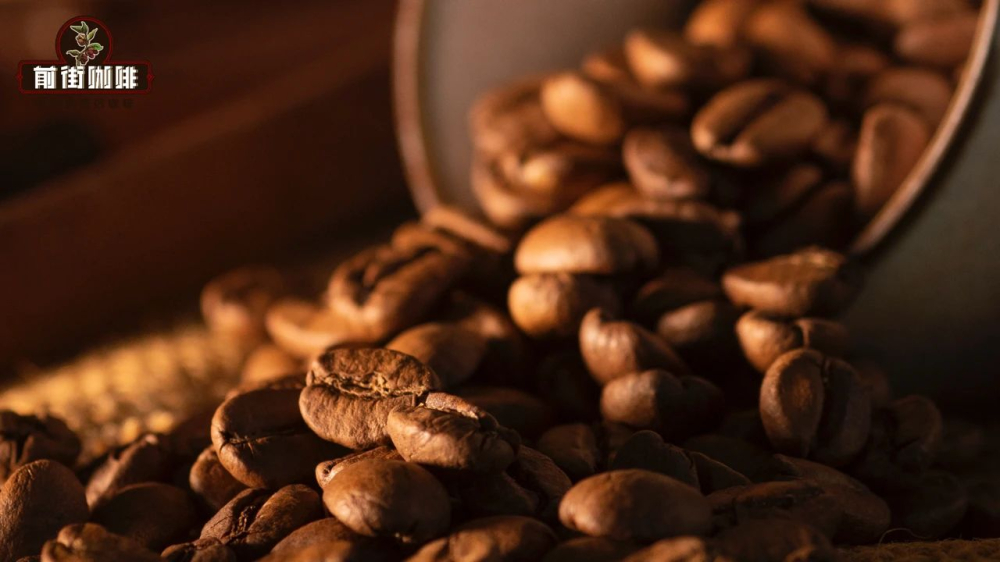
Nowadays, many coffee merchants emphasize in their branding that they use Arabica beans, and some even directly tout "100% Arabica," with claims like "our freshly ground black coffee is made entirely from Arabica" appearing frequently.
But one concept needs to be clarified: Arabica is a coffee bean species, not a type of coffee beverage.
Coffee species:
The three native species are Arabica, Robusta, and Liberica. Arabica ranks first in production, accounting for approximately 60–70% of the world's coffee, with sub-varieties such as Bourbon and Typica. Robusta accounts for about 30–40% of total world coffee production. Liberica makes up only 3% of the total and is mostly grown in the Asia-Pacific region.
Liberica, also known as large-bean coffee, has extremely strong vitality, but its flavor and resistance to leaf rust are both weak. With cultivation amounting to less than 1%, it has essentially withdrawn from the commercial market and is preserved only for scientific research. Therefore, the focus of our discussion today is Arabica and Robusta.
Arabica
Also known as small-bean coffee, it originated in Ethiopia. Arabica coffee trees mostly grow at altitudes between 1,000 and 2,000 meters; they are relatively cold-tolerant, with an ideal growing temperature of 15–24°C; they require high humidity with annual rainfall of no less than 1,500 mm, and they also demand relatively high cultivation skills. The Arabica coffee tree is a relatively large shrub with elliptical, dark green leaves and elliptical fruit, typically containing two slightly flattened beans. The front is elongated and oval, with a narrow, curved center crack in an S shape, and the rounded back of the bean is relatively smooth. Caffeine content is approximately 0.8%–1.5%.
Arabica coffee's exceptional flavor and aroma make it the only one among these native species that can be consumed directly on its own. Examples include Jamaican Blue Mountain, Indonesian Mandheling, as well as Yirgacheffe and Brazilian coffee, all of which are single-origin coffees. However, it has weak resistance to drought, frost damage, and pests and diseases, especially to leaf rust—coffee's greatest natural enemy—so producing countries are all committed to improving varieties.
Arabica coffee produced in different regions, at different altitudes, and in different climates has its own characteristics, displaying distinctly different flavor profiles. When unroasted, it smells fresh and grassy; after proper roasting, it reveals "fruity notes" (light-to-medium roast) and "caramel flavor" (dark roast). It is suitable for single origins and various blends, and can be brewed using all kinds of extraction techniques.
Robusta
Also known as medium-bean coffee, it originated in Congo, Africa. Robusta coffee trees are mostly planted in lowlands at altitudes of 200–800 meters. They prefer warm climates and require temperatures of 24–29°C, with relatively low rainfall requirements. However, this species relies on insects or wind for pollination, so it takes 9–11 months from pollination to fruit set, relatively longer than Arabica.
The Robusta coffee tree is a species between a shrub and a tall tree, with longer leaves and bright green color. The tree can reach up to 10 meters in height, but its roots are quite shallow. The fruit shape is fuller than Arabica beans, with the center line splitting vertically. Viewed from the side, it is usually flat or protruding in the middle, and it feels harder than Arabica beans—like small pebbles.
Robusta coffee flavor is generally inferior to Arabica.
| The Value of Robusta
As a very important species in the coffee world, Robusta has made indispensable contributions in the commercial world. Robusta's value is not as a foil to contrast how superior Arabica's flavor is; it holds an unshakable position in espresso blends. Italian blends add a small amount of Robusta to increase the body of the coffee, producing Espresso with richer crema.
When Espresso blends with milk, it presents a rich, full-bodied mouthfeel. Thanks to the complementary relationship between Robusta and Arabica, milk coffee becomes even more intense and aromatic—Robusta compensates for what Arabica lacks in body.
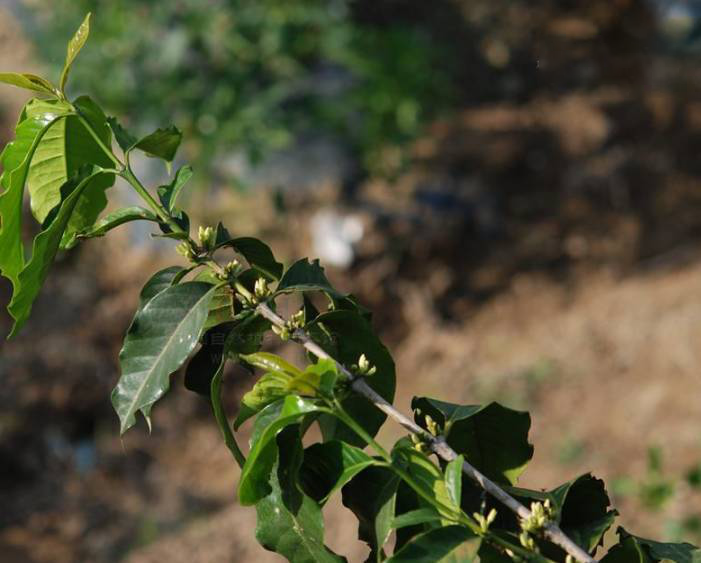
【Robusta】
Mainly used in espresso blends to increase body and obtain rich crema. Although Robusta's flavor cannot compare with Arabica's, it has its own value.
Beginner questions:
1 | What's the difference between a 10-yuan and a 30-yuan coffee?
From the coffee market perspective, coffee beans are mainly divided into two categories: commercial beans and specialty coffee beans. In terms of price, Robusta's international futures price is about $1,686 per ton, which at today's exchange rate is roughly 11.5 RMB per kilogram. Specialty coffee beans cost several times more than commercial beans. From a cost perspective, choosing commercial beans naturally offers much greater profit margins, but the coffee obtained from commercial beans is far inferior in taste to specialty coffee beans. They can be used to make lattes, cappuccinos, and other espresso-based drinks.
Between commercial coffee and specialty coffee, 10 yuan and 30 yuan indeed signify a difference in quality. Simply put, specialty coffee beans are high-quality green beans, roasted with exquisite roasting techniques, restoring the unique flavors inherent in the coffee beans—flavors that belong only to that particular bean. Specialty coffee beans undergo refined processing methods. Careful washing and sun-drying, along with various delicate green bean processing techniques, give the coffee "layered," "fruity-acidic," "sweet," and "mellow" flavors.
Specialty coffee beans cost several times more than commercial beans. From a cost perspective, choosing commercial beans naturally offers much greater profit margins. Those large-scale, mass-produced and packaged products are generally made from commercial beans.
In terms of the flavor of individual beans, commercial beans are generally used for blending. These commercial coffee beans are usually cheaper, and whether in green beans or roasting techniques, they can only be described as produced to a mass-production standard. The biggest difference between specialty coffee and commercial coffee beans lies in quality and price. Specialty coffee beans may cost 90 yuan per pound, while commercial beans may cost as low as 40–50 yuan per pound.
However, in reality, blended beans can also produce very good-tasting coffee—it mainly depends on what beans are used in the blend.
2 | "Blue Mountain Coffee" and "Kopi Luwak" are coffees; Arabica is a coffee bean species.
Most people have heard of "Blue Mountain Coffee" and "Kopi Luwak"—these are coffee beverages, while what is called "Arabica" coffee refers to the coffee species.
◆ "Blue Mountain Coffee" refers to coffee brewed from coffee beans grown in the Blue Mountains of Jamaica.
◆ "Kopi Luwak" is made by extracting coffee beans from the feces of a civet cat, which eats coffee cherries and passes the beans through its digestive system intact.
So the "Arabica" we commonly see today is actually classified by coffee bean species as the standard.
Coffee bean species can be mainly divided into three types: Arabica, Robusta, and Liberica. Arabica is further divided into Typica, Bourbon, Caturra, and so on.
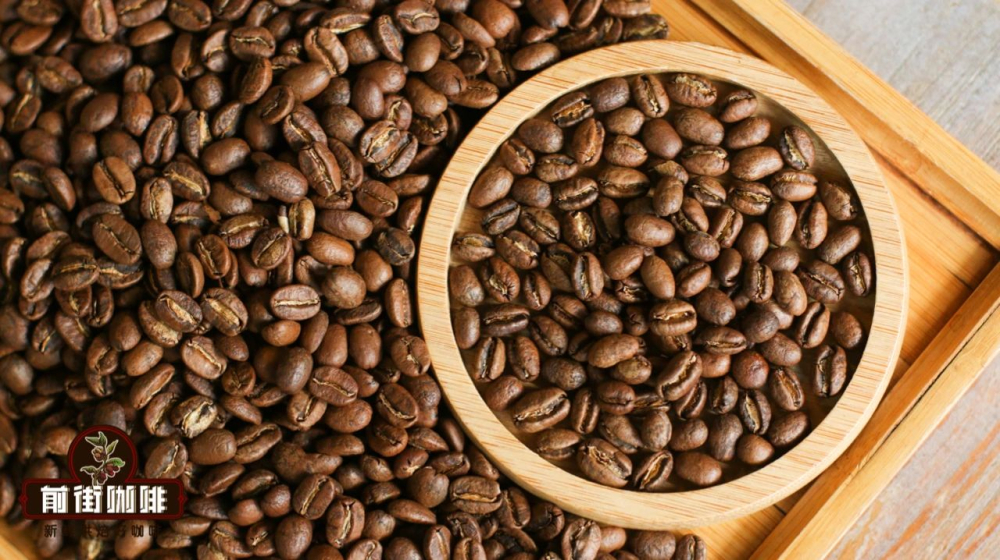
In fact, not all coffee made from Arabica beans is specialty coffee. Unfortunately, many people are unaware of this, and many brands take advantage of this by using "100% Arabica coffee beans" as a gimmick to make consumers think their coffee is excellent.
At "relatively professional" cafes when ordering single-origin coffee, you will almost never see promotional claims like "Arabica coffee beans." For example, at Front Street Coffee (FrontStreet Coffee) you will see words like "Kenya," "Colombia," or "Yirgacheffe." Tasting "single-origin coffee" allows you to understand the characteristics and flavors of coffee from a particular country or region.
The above content is compiled by CoffeeHunters, a coffee news website.


