







Search Results for: Jamaica Agricultural Commodities Regulatory Authority

A Comprehensive Analysis of the Evolution of the Jamaican Coffee Industry, the Blue Mountain Legal Production Region, and the Flavor of Blue Mountain Coffee
Jamaica is the third-largest island in the Caribbean. Its coffee industry, since the introduction of seedlings in 1728, has experienced rise and fall, ultimately gaining global renown through the Blue Mountain designated origin and strict quality supervision. In the late 18th century, cultivation expanded to the Blue Mountain region; the abolition of slavery and the loss of trade preferences led to the industry's decline, which was later reversed through legislation and institutional reforms to improve quality. Blue Mountain coffee is restricted to the Typica variety grown at elevations of 915 to 1,700 meters in the four parishes of Saint Andrew, Saint Thomas, Portland, and Saint Mary, and is packaged in wooden barrels; its flavor is renowned for being balanced and delicate. Front Street Coffee currently sells Blue Mountain from Clifton Estate, washed processing, with balanced acidity, body, and aroma, and a soft fruity acidity on the palate accompanied by a cocoa finish. [more…]
An In-Depth Analysis of Jamaica Blue Mountain No. 1 Coffee from the Caribbean Island Nation: Region, Variety, and Front Street Brewing Method
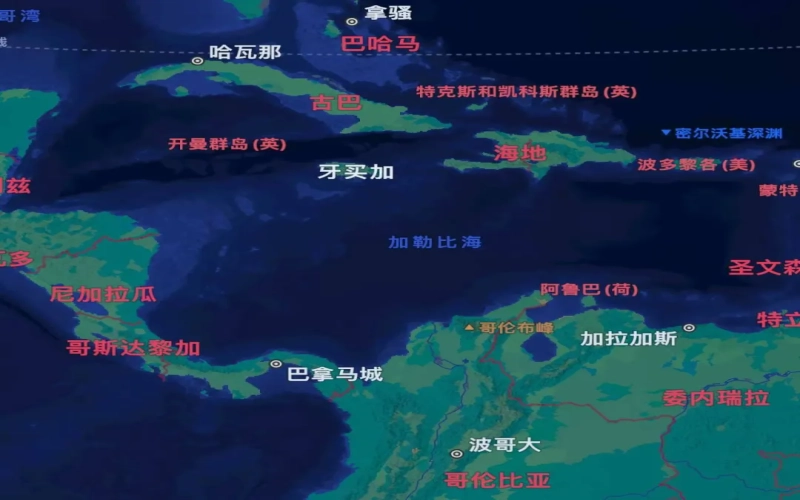
Blue Mountain coffee is Jamaica's most iconic product and a name familiar to coffee lovers worldwide. This island nation, located in the northwest Caribbean, has delineated a legally protected Blue Mountain coffee growing region thanks to its unique geographic and climatic conditions. Only Typica plants grown in the four parishes of St. Andrew, St. Thomas, Portland, and St. Mary, at altitudes between 915 and 1,700 meters, are eligible to bear the name "Jamaica Blue Mountain Coffee." This article will outline Jamaica's national overview and coffee industry regulatory system, introduce the terroir characteristics of the Blue Mountain growing region and the botanical features of the Typica variety, and share the brewing parameters and flavor profile of Front Street Coffee's Clifton Estate Blue Mountain No. 1, offering coffee enthusiasts a complete introductory reference to Blue Mountain coffee. [more…]
An In-Depth Analysis of Jamaican Blue Mountain Coffee: The Unique Charm of Clifton Estate and the Typica Variety
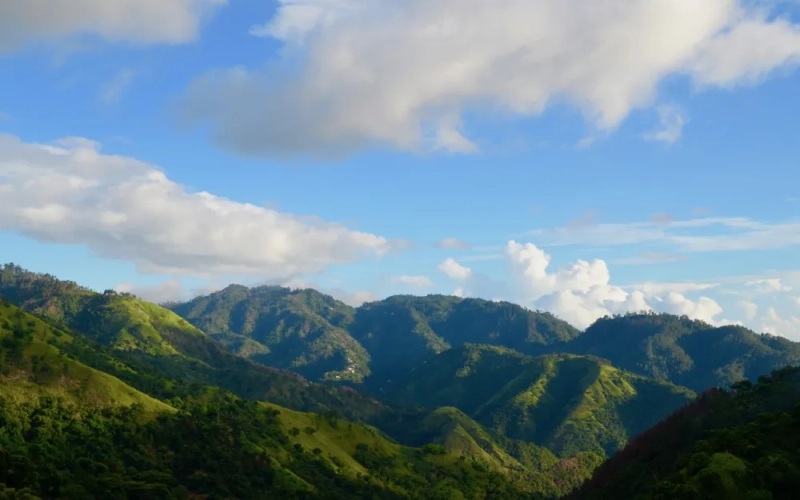
Jamaican Blue Mountain coffee is renowned worldwide for its scarce production and long history, and Clifton Estate, as a representative of the Blue Mountain region, carries nearly three centuries of coffee-growing tradition. This article will guide you through how Jamaica's geography and climate nurture top-tier Blue Mountain coffee, the legally defined boundaries and regulatory system of the Blue Mountain region, the growing conditions at Clifton Estate, the characteristics of the Typica variety, and the brewing performance of Front Street Jamaican Blue Mountain No. 1 coffee beans. Whether you are a seasoned coffee enthusiast or a newcomer just beginning to explore, this article will unveil the mystery of Blue Mountain coffee for you. [more…]
The Origin and Grading of Jamaican Blue Mountain Coffee: From Historical Changes to the Flavor Analysis of Blue Mountain No. 1
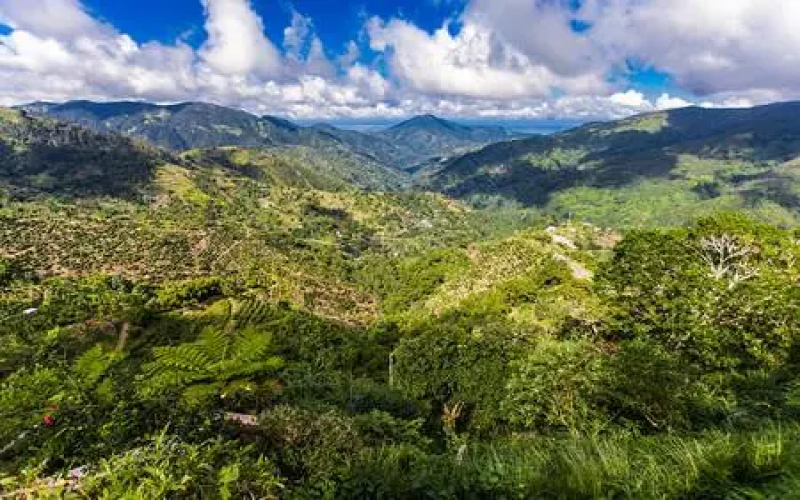
Jamaican Blue Mountain coffee is hailed as one of the most expensive coffees in the world, and its unique flavor stems from the high altitude, volcanic soil, and year-round rainy and foggy climate of the Blue Mountains. This article traces the historical changes of Jamaican coffee from its introduction in 1728 to the present, explains in detail the legal definition and grading standards of Blue Mountain coffee, and focuses on the Clifton Mount Estate Blue Mountain No. 1 coffee beans selected by Front Street Coffee, including their growing region, variety, processing method, and brewing flavor performance. [more…]
What are the essential differences between Blue Mountain coffee and espresso? An analysis of Jamaican Blue Mountain flavor characteristics and SOE latte in practice
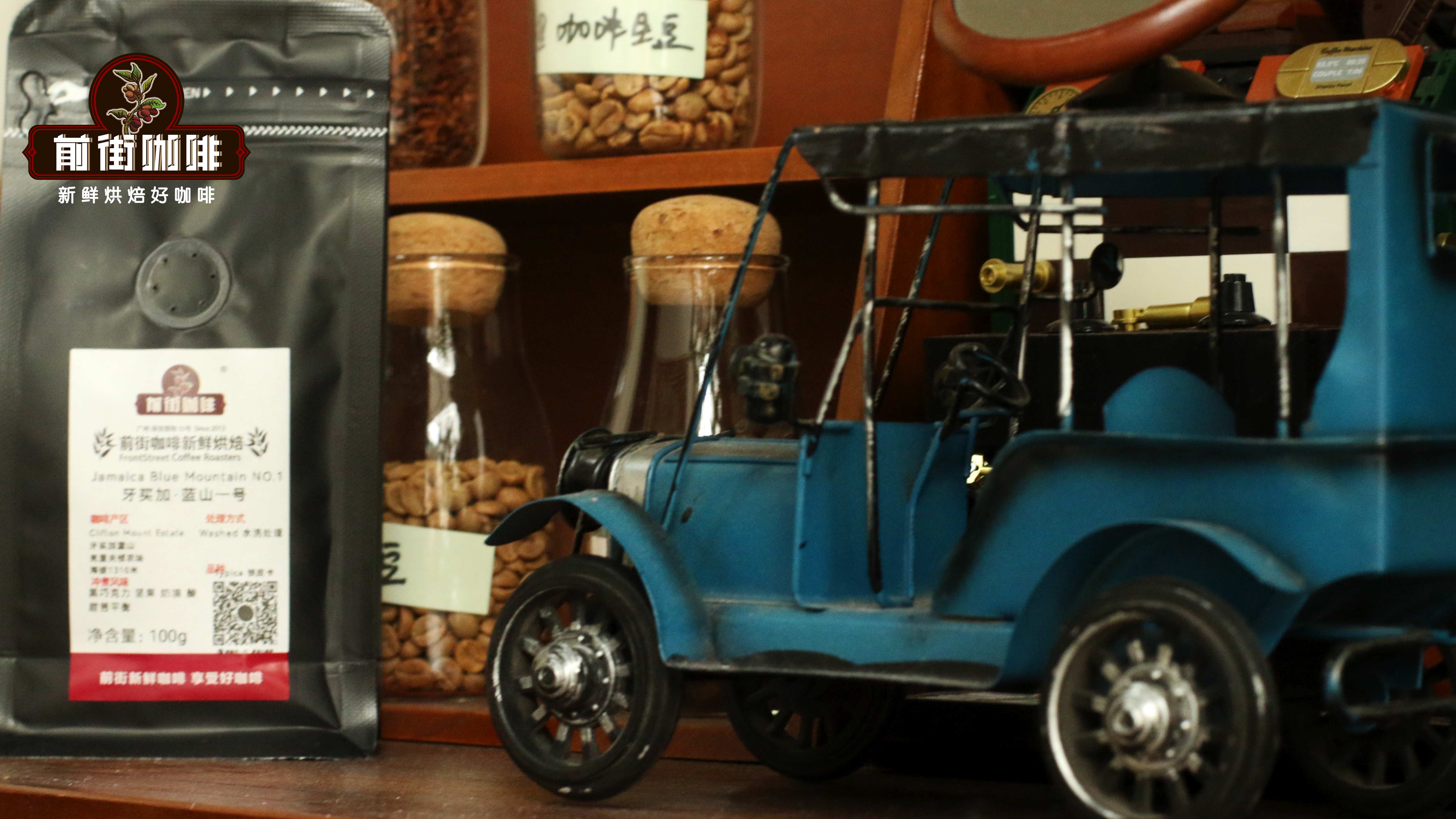
Blue Mountain coffee and espresso—one is a standout among specialty coffees, the other the soulful base of Italian-style drinks. What exactly sets them apart, and which tastes better? This article starts with Front Street Blue Mountain coffee's balanced mouthfeel and nutty flavor, then unpacks the extraction logic of espresso, before tracing the nearly three-hundred-year history of Jamaican Blue Mountain, the regulatory systems of the CIB and JACRA, the botanical characteristics and cultivation challenges of the Typica variety, as well as the grading standards and wooden barrel packaging of Blue Mountain No. 1. In the second half, using Front Street Blue Mountain No. 1 as an example, it gives a complete demonstration of the SOE latte-making process, from grinding, distributing, and extracting to steaming milk and pouring latte art, along with practical advice on coffee bean freshness and resting periods. [more…]
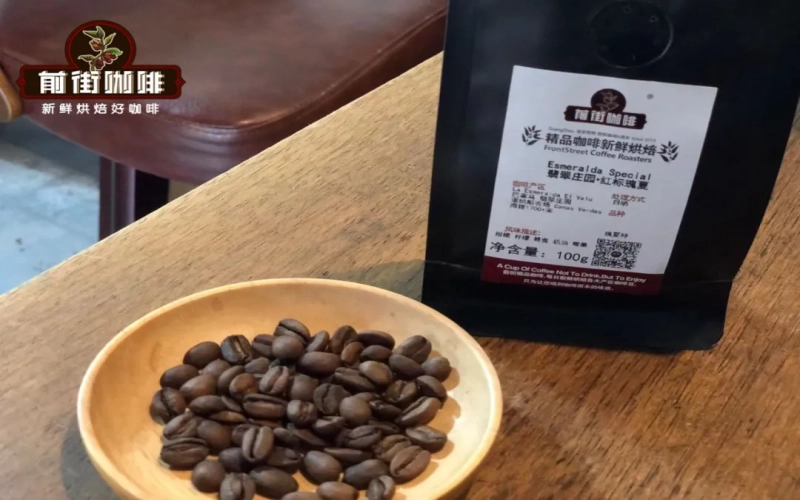
Why Are Coffee Varieties in Producing Regions Relatively Fixed? The Spread and Selection Logic from Typica and Bourbon to Geisha
When selecting coffee beans, the packaging often indicates information such as origin, variety, altitude, and processing method. Attentive enthusiasts will notice that certain origins seem always tied to specific varieties: Ethiopia commonly has heirloom varieties, Brazil is dominated by Bourbon, Jamaican Blue Mountain is almost entirely Typica, and Panama mostly has Geisha. This "origin-variety" correspondence is no accident, but the result of the combined effects of variety dissemination history, environmental adaptability, disease impact, and market trends. This article will trace along the timeline how Typica, Bourbon, and Geisha entered various producing regions, and explain why they have been able to remain dominant for so long, while retaining Front Street brand recommendations and product information to help readers understand the ins and outs of the flavors in the cup. [more…]
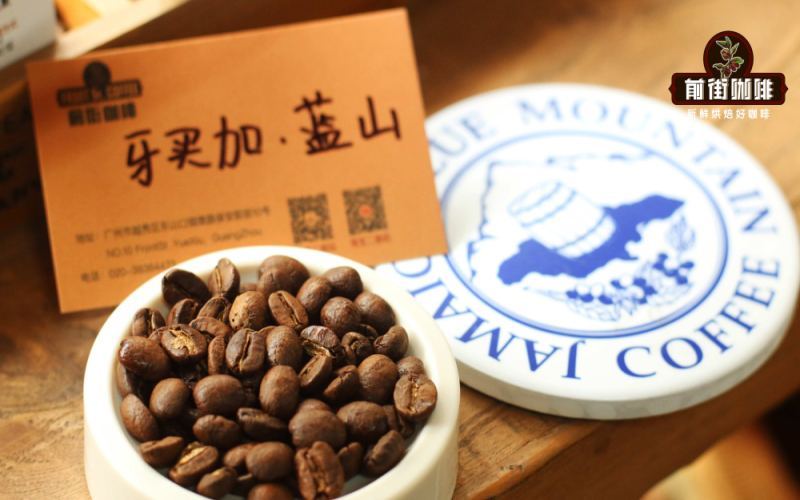
Analysis of the Origin History and Price Formation of Jamaican Blue Mountain Coffee, with Front Street Blue Mountain No.1 Flavor and Brewing Sharing
Blue Mountain coffee is almost synonymous with "expensive," yet most people are not clear on why it commands such a sky-high price, nor do they necessarily understand the true price structure of authentic Blue Mountain. This article begins with the introduction of the first Arabica seeds to Jamaica in 1728, tracing the rise and fall of the Blue Mountain region, the regulatory evolution of the CIB and JACRA, the deep involvement of the Japanese market, and the process by which mainland China formally began importing Blue Mountain coffee after 2010. It also analyzes the huge premium from green beans to roasted beans, and, in conjunction with Front Street Blue Mountain No. 1 coffee beans, provides Kono dripper pour-over parameters and flavor descriptions to help coffee lovers understand the value and taste of Blue Mountain coffee. [more…]

An Analysis of the Factors Behind the Mellow Mouthfeel of Jamaican Blue Mountain Coffee and a Detailed Guide to Clifton Mount Estate Blue Mountain No. 1
Jamaican Blue Mountain coffee is renowned worldwide for its rich aroma, balanced flavor, and mellow body, and has long been known as the "Emperor of Coffee." Where exactly does this distinctive mellowness come from? The answer lies in the mineral-rich soil of Jamaica's volcanic mountains, the large day-night temperature swings at high altitudes, the ancient Typica variety, and JACRA's strict production-area and grading standards. This article breaks down the mellow code of Blue Mountain coffee layer by layer, from growing environment, variety characteristics, harvesting and processing, to barrel packaging, and focuses on Blue Mountain No. 1 from Clifton Estate in the St. Andrew production area, combining Front Street Coffee's cupping and roasting practices to present its complete flavor profile of dark chocolate, nuts, caramel, and creamy smoothness. [more…]
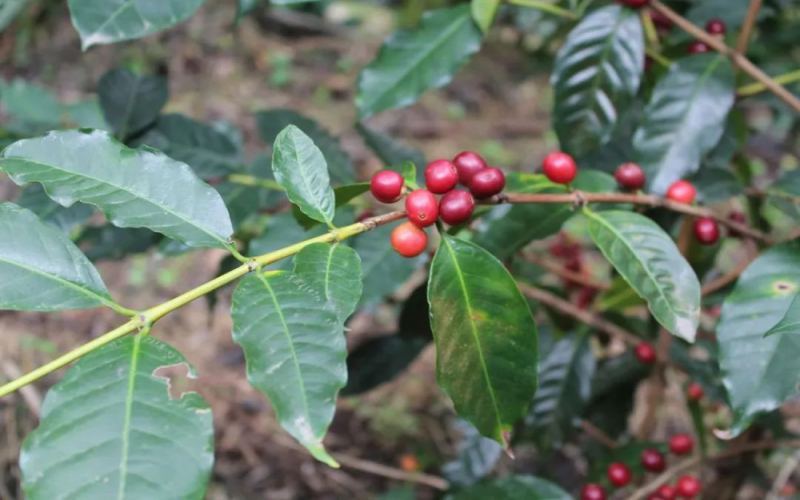
Both Are Typica-Growing Countries: An Analysis of the Differences Between Jamaican Blue Mountain Coffee and Papua New Guinea Coffee
Typica is a variety of paramount genetic importance among Arabicas, known for its outstanding quality, yet it suffers from low yields and weak disease resistance. Jamaica and Papua New Guinea are both Typica-growing countries, and their coffees are often compared; Papua New Guinea coffee is even nicknamed "Little Blue Mountain." This article examines the similarities and differences between Jamaican Blue Mountain coffee and Papua New Guinea coffee from the perspectives of varietal history, island-type growing region environments, grading standards, and flavor profiles, and introduces the flavor characteristics of related products on Front Street Coffee's bean list, helping coffee enthusiasts gain a clearer understanding of the coffee characteristics of these two origins. [more…]
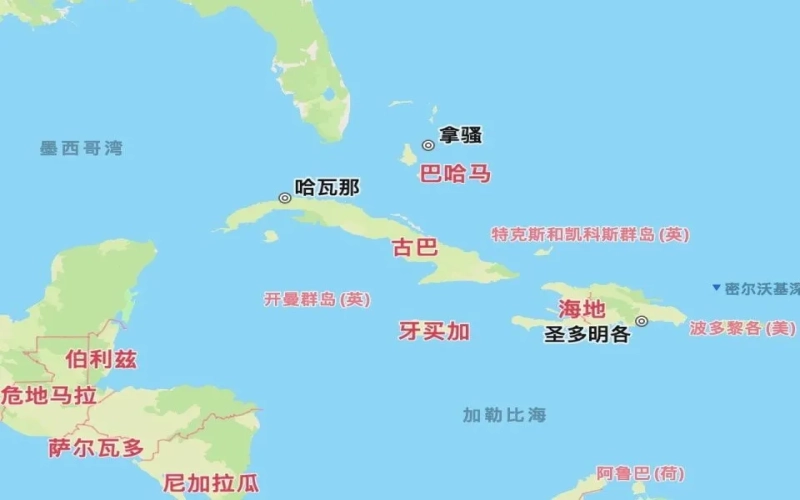
The True Definition of Jamaican Blue Mountain Coffee and a Full Analysis of the Famous Estates in Its Producing Region
Blue Mountain coffee is hailed as a gem of the coffee world, but what exactly qualifies a coffee to bear the name "Jamaica Blue Mountain"? Starting from Jamaica's geographical environment and the unique terroir of the Blue Mountain range, this article traces the complete story of Blue Mountain coffee—from its introduction in the 18th century and its rise and fall during the colonial period to the establishment of the modern legally defined appellation system. It explains in detail the strict definitions set by the Coffee Industry Regulation Act regarding production area boundaries, altitude, and varieties, and introduces the barrel packaging and grading standards. At the same time, it acquaints you with two representative estates, Clifton Mount Estate and Stony Hill Estate, as well as the flavor characteristics of Blue Mountain No. 1 produced by Front Street Coffee. [more…]
An In-Depth Analysis of Jamaican Blue Mountain Coffee: From Clifton Estate Cultivation to Front Street No. 1 Flavor
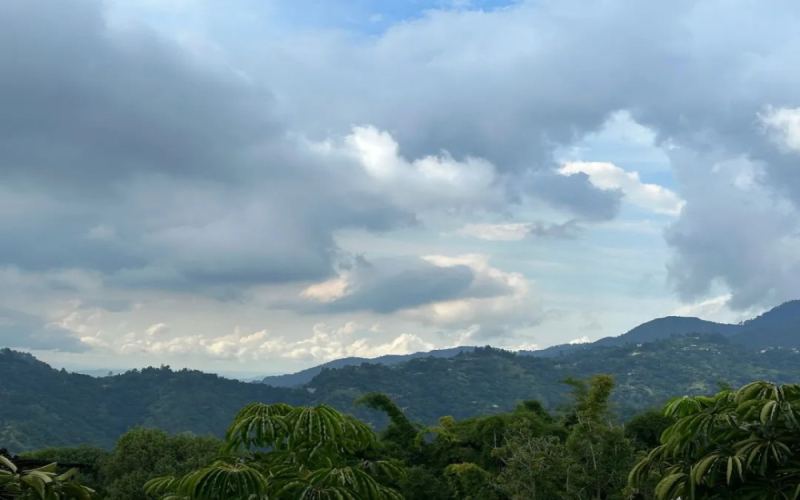
Blue Mountain coffee has long been regarded as a treasure of the coffee world, and the Jamaican government's longstanding support and strict regulation are the very foundation of this reputation. This article will take you into Jamaica's Blue Mountain region to learn how the area's unique climate and volcanic soil gave rise to an evolved variety of Typica, and trace the quality control journey from the Central Coffee Clearing House to JACRA. We will also focus on the historic Clifton Estate, explaining why Blue Mountain coffee is uniquely exported in wooden barrels, as well as the brewing performance and flavor characteristics of Front Street Blue Mountain No. 1 coffee beans. [more…]
A Comprehensive Analysis of the Reasons for the High Price of Jamaican Blue Mountain Coffee and Its Flavor Characteristics
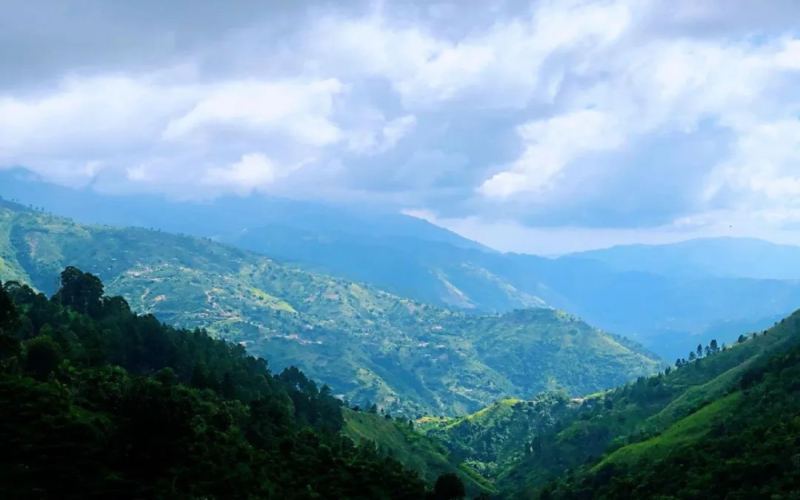
Blue Mountain coffee has long been regarded as synonymous with high-quality coffee, and its price has consistently remained high. It is produced in the Blue Mountains of eastern Jamaica, where fertile volcanic soil, abundant rainfall, and year-round mist provide ideal growing conditions for the Typica variety. The high cost of Blue Mountain coffee stems not only from its terroir but is also closely tied to historical hurricane disasters, long-term exclusive purchase contracts held by Japanese companies, and strict regulation by the Jamaican government. This article will outline the origins of Blue Mountain coffee, the demarcation of its production region, its grading standards, the tradition of wooden barrel packaging, and the cultivation background of Clifton Mount Estate, and will also introduce the flavor profile of Front Street Jamaica Blue Mountain No. 1 coffee, helping readers gain a comprehensive understanding of the unique status of this "Coffee Emperor." [more…]

A Guide to Authenticating Jamaica Blue Mountain No. 1 Coffee: Pricing, Flavor, and Brewing Parameters Explained
Jamaican Blue Mountain coffee has long ranked among the world's most prestigious coffees, thanks to its balanced acidity, sweetness, and bitterness along with its smooth, full-bodied mouthfeel. However, the domestic market is a mixed bag, with products labeled "Blue Mountain flavor" bearing little resemblance to authentic Blue Mountain coffee. From the perspective of Front Street Coffee, this article systematically organizes eight practical methods for verifying the authenticity of Blue Mountain coffee, covering dimensions such as taste, certification, origin, packaging, grade, appearance, grind, and aroma, and provides a detailed introduction to the flavor profile of Clifton Mount Estate Blue Mountain No. 1 along with a Kono dripper brewing recipe, helping coffee enthusiasts make accurate judgments when purchasing. [more…]
Behind the High Price of Jamaican Blue Mountain Coffee: Historical Twists, Origin Restrictions, and an Introduction to Clifton Mount Estate No. 1
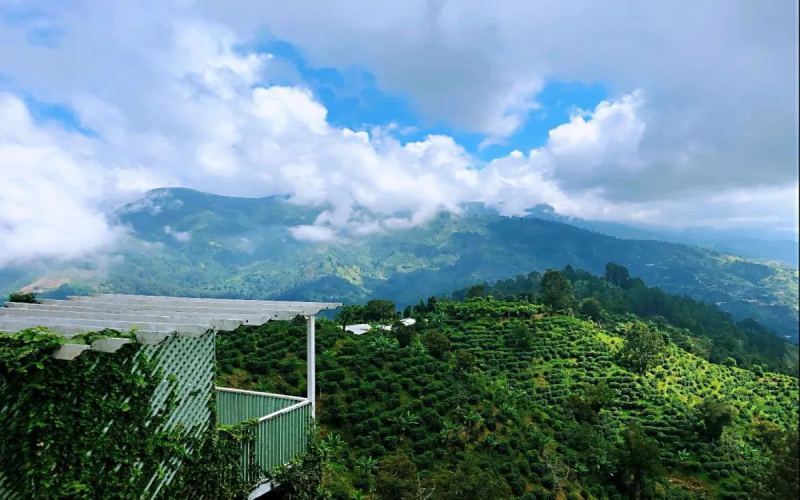
Jamaican Blue Mountain coffee has long been known as the "Emperor of Coffees," with prices that have remained high for a long time. Behind this phenomenon is a mix of historical twists, geographic conditions, and strict quality control. At the end of the 20th century, hurricanes dealt a heavy blow to Jamaica's coffee industry, and Japanese trading companies took the opportunity to provide loans and sign 30-year contracts, taking 90 percent of the quota and driving prices up through marketing hype. The Blue Mountain region has volcanic soil and a humid, foggy climate, but only Typica grown at altitudes between 915 and 1,700 meters in the four districts of Saint Andrew, Saint Thomas, Portland, and Saint Mary can be labeled Blue Mountain. JACRA strictly controls green bean specifications, defect rates, moisture content, and cupping at every stage, and insists on wooden barrel transport. The Blue Mountain No. 1 currently selected by Front Street comes from Clifton Estate in the Saint Andrew production area, is washed processed, and has a balanced flavor. [more…]
Jamaica Blue Mountain No. 1 Coffee Bean Brand Recommendation: Clifton Estate Flavor Profile and Pour-Over Parameters in Detail
Blue Mountain coffee is hailed as the gentleman of the coffee world, but the market is flooded with products bearing the Blue Mountain name. How can you tell an authentic Jamaican Blue Mountain No. 1? This article systematically lays out the key points for buying and tasting Blue Mountain coffee, from regional regulations and certification documents to variety characteristics and brewing methods. It also introduces the Clifton Estate 1310-meter Blue Mountain beans selected by Front Street Coffee since 2014, analyzing their balanced, clean flavor profile. Whether you are a beginner just getting to know Blue Mountain or a seasoned connoisseur looking to confirm your pour-over parameters, you will find practical guidance here. [more…]
Analysis of Jamaican Blue Mountain Coffee Flavor Characteristics: Nutty Aroma, Mouthfeel Layers, Authenticity Identification, and Price Guide
Jamaican Blue Mountain coffee has long ranked among the world's top coffees, thanks to its balanced ratio of acidity, sweetness, and bitterness and its smooth, full-bodied mouthfeel. However, it is common in the domestic market for "Blue Mountain flavor" products to be passed off as "Blue Mountain coffee," and ordinary consumers often find it hard to tell the difference. Starting from the origin background and certification system of Blue Mountain coffee, this article systematically introduces eight practical methods for verifying authenticity, covering multiple dimensions such as taste, packaging, grade, appearance, grinding feel, and aroma, and uses the bestselling Clifton Estate Blue Mountain No. 1 from Front Street Coffee as an example to provide specific flavor descriptions and brewing parameter suggestions, helping coffee lovers gain a comprehensive understanding of this legendary coffee. [more…]
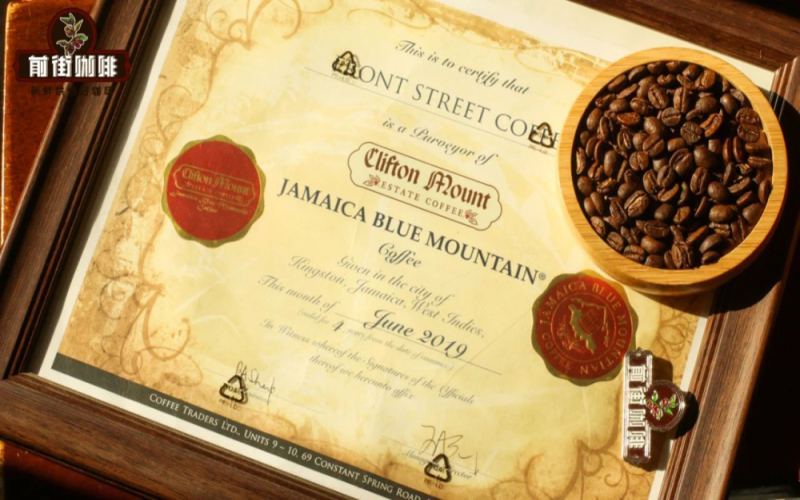
Why Is Jamaican Blue Mountain Coffee So Expensive? What's Behind Cheap "Blue Mountain Flavor" Coffee?
Jamaican Blue Mountain coffee is hailed as one of the most renowned rare coffees in the world, known for its balanced acidity, sweetness, and bitterness along with a smooth, full-bodied mouthfeel. However, the market is flooded with low-priced products labeled "Blue Mountain flavor"—just how do they differ from authentic Blue Mountain coffee? This article, from the professional perspective of Front Street Coffee, systematically sorts through the growing conditions and certification systems of Blue Mountain coffee, and shares eight practical methods for identifying authenticity, covering dimensions such as taste, certification, origin, packaging, grade, appearance, grind, and aroma. It also introduces the Rainforest Alliance-certified estate background of Front Street Blue Mountain No. 1, its washed processing flow, and suggested brewing parameters for the Kono dripper, helping coffee enthusiasts gain a comprehensive understanding of this legendary coffee. [more…]
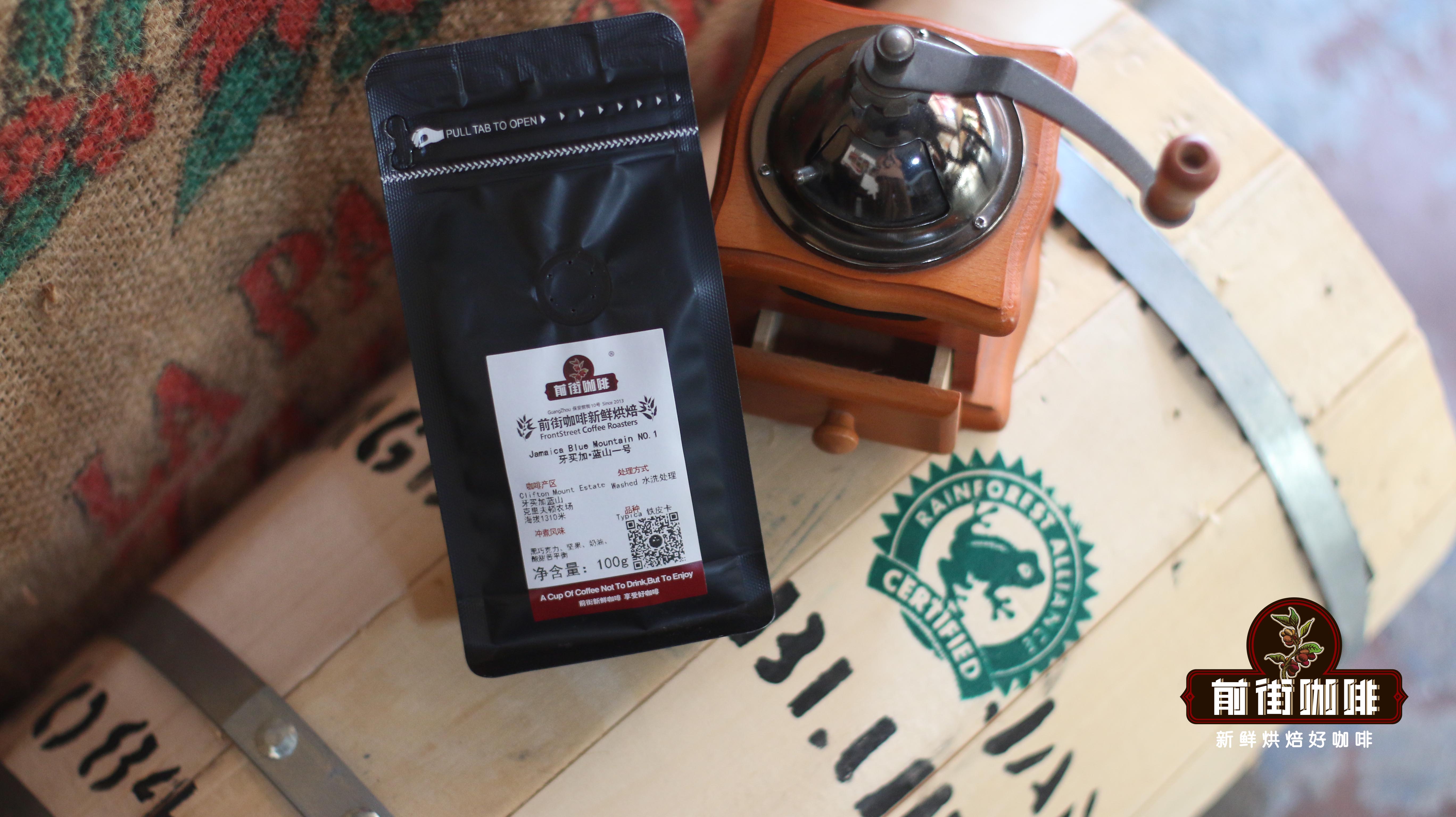
A Comprehensive Analysis of the Grading Standards, Origins, Varieties, and Flavor Characteristics of Jamaican Blue Mountain Coffee Beans
Blue Mountain coffee is renowned worldwide for its balanced ratio of acidity, sweetness, and bitterness along with its elegant aroma, but products marketed under the "Blue Mountain" banner vary widely in quality, and the output of coffee that truly meets Jamaica's legal standards is extremely limited. This article systematically reviews the growing conditions, variety selection, historical development, legally defined production regions, washed processing procedures, and the JCIB grading system of Jamaican Blue Mountain coffee, and also details Front Street Coffee's roasting approach and pour-over brewing recipe for Blue Mountain No. 1, helping readers fully understand every key stage of this legendary coffee from cultivation to cup. [more…]
An Analysis of the Origin Background and Price Formation of Jamaican Blue Mountain Coffee: From Historical Evolution to Front Street Brewing Suggestions
Blue Mountain coffee is celebrated as one of the most expensive coffees in the world, but where exactly does its high price come from? Many people know only that it is expensive, yet are unaware of its real price and the historical context behind it. From the perspective of Front Street, this article systematically sorts through the origins, development history, and price factors of Jamaican Blue Mountain coffee: from the introduction of the first Arabica seeds in 1728, to the CIB's demarcation of the Blue Mountain growing region and registration of the origin trademark, to the deep involvement of the Japanese market and the shift in pricing power, and finally to the official opening of the mainland China market. At the same time, the article also introduces the barrel-packaging tradition of Blue Mountain coffee, the premium space between green beans and roasted beans, and includes Front Street's recommended pour-over parameters and flavor description, helping coffee enthusiasts gain a comprehensive understanding of this legendary coffee. [more…]

Ethiopia's exchange rate volatility intensifies, coffee export prices continue to climb
The National Bank of Ethiopia recently held a foreign exchange auction in an attempt to narrow the gap between the official exchange rate and the parallel market, but the sharp depreciation of the birr has already pushed up domestic prices, with the coffee industry bearing the brunt. The Coffee and Tea Authority, together with the National Bank, has issued minimum export floor prices for each producing region. The price of G1-grade coffee beans rose by about 5% month-on-month, while the increase for commercial beans reached 14%. The combined effects of exchange rate volatility, dependence on imports, and insufficient foreign exchange earning capacity mean that prices for Ethiopian coffee and other export commodities may continue to rise in the future. Front Street Coffee continues to monitor developments in producing regions, bringing enthusiasts the latest market analysis. [more…]