








How did coffee cultivation tie each origin to one main variety?
Packaging often links an origin to one variety: Ethiopia to heirloom types, Brazil to Bourbon, Jamaica Blue Mountain to Typica, Panama to Geisha. After a variety arrives and adapts to local conditions, it can become the main crop, and national research institutions sometimes breed and promote it nationwide. Arabica makes up about 70 percent of world production.
Most modern varieties trace back to Typica and Bourbon, whose original source lies in Ethiopia, which is also a common answer to the question of coffee originated from which country. Typica reached the Americas in 1728, including Jamaica, where seeds planted in the Blue Mountain St. Andrew area grew into the coffee still cultivated there under JACRA oversight.
When selecting coffee beans, the packaging often indicates information such as origin, variety, altitude, and processing method. Attentive enthusiasts will notice that certain origins seem to always be tied to specific varieties: Ethiopia commonly has heirloom varieties, Brazil is dominated by Bourbon, Jamaica Blue Mountain is almost always Typica, and Panama often features Geisha. This "origin-variety" correspondence is not coincidental, but the result of the combined effects of variety dissemination history, environmental adaptability, disease impact, and market trends. This article will trace along the timeline how Typica, Bourbon, and Geisha entered various producing regions, and explain why they have been able to maintain dominance for so long, while retaining Front Street Coffee brand recommendations and product information to help readers understand the ins and outs of flavors in the cup.
When purchasing coffee beans, the packaging usually states key information such as origin, variety, altitude, and processing method.
Those familiar with coffee will notice that Ethiopian beans are often labeled as heirloom or Heirloom; Brazilian coffee mostly appears as Bourbon; Jamaica Blue Mountain is basically Typica; and Panama commonly features Geisha. Why are the main coffee varieties in these countries so fixed?
The reasons are often not complicated: after a variety is introduced to a local area, if it shows good environmental adaptability, it may become the main cultivated crop there, and some varieties even become famous as a result. In addition, some varieties are selected and bred by national coffee research institutions and vigorously promoted nationwide.
In terms of global production, Arabica accounts for about 70% of the total. Many of today's varieties can basically be traced back to two ancient varieties, Typica and Bourbon, which spread and evolved around the world, with their original source in Ethiopia, Africa.
According to historical records, Typica was introduced to some islands in the Americas in 1728, including Jamaica. Jamaica had previously tried planting various crops, and later sowed Typica seeds in the Blue Mountain St. Andrew area, gradually creating the world-famous Blue Mountain coffee, which has continued to be cultivated to this day.
According to the Jamaica Agricultural Commodities Regulatory Authority (JACRA) Coffee Industry Regulation Act, the legal cultivation area for Blue Mountain coffee includes only four parishes: St. Andrew, St. Thomas, Portland, and St. Mary, and it must be located at an altitude between 915 meters and 1,700 meters, with the variety being Typica, in order to be called "Jamaica Blue Mountain Coffee." Therefore, to buy authentic Blue Mountain today, the variety must necessarily correspond to Typica.
In 1727, a Brazilian diplomat obtained Typica seedlings and brought them back to the country, planting them in Para Province in northern Brazil, thus opening the curtain on Brazil's coffee industry.
But by the nineteenth century, coffee leaf rust was raging globally, and Brazil's coffee plantations were almost destroyed. In order to reduce disease losses, Brazil decided to introduce the more disease-resistant Bourbon. After arriving in Brazil, Bourbon quickly adapted to local growing conditions and spread across various producing regions. Although Brazil now also grows other varieties, Bourbon still accounts for the largest proportion.
Another well-known variety is Geisha. It also originated in the forests of Ethiopia, was introduced to Tanzania in 1936, brought to Costa Rica in 1953, and did not enter Panama from Costa Rica until 1970. At that time, coffee cultivation placed more emphasis on yield than quality, and Geisha plants had relatively weak branches, so they were not popular with farmers and were not promoted on a large scale.
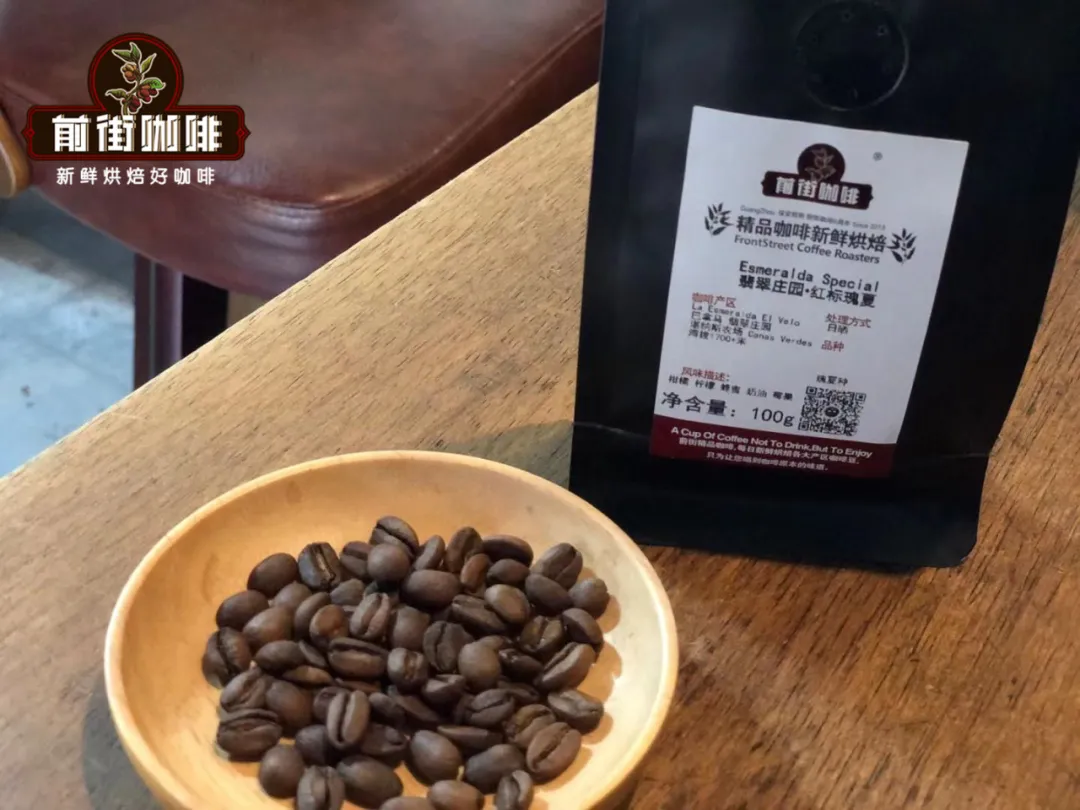
Later, with the rise of the specialty coffee wave, people began to pay attention to the flavor and quality of coffee itself. In 2005, Hacienda La Esmeralda entered Geisha in the Best of Panama BOP competition. With delicate floral aromas, jasmine notes, and peach and bergamot tones, plus an exceptionally high score, this variety became famous overnight.
It also set a coffee auction price record at the time, selling for more than $20 per pound. Since then, many countries have introduced Geisha for local cultivation. Panama's neighboring countries such as Colombia, Costa Rica, and Guatemala also gradually began cultivating Geisha, so today Geisha can be seen in many Latin American countries.
The above content is compiled by CoffeeHunters, a coffee news website.


