







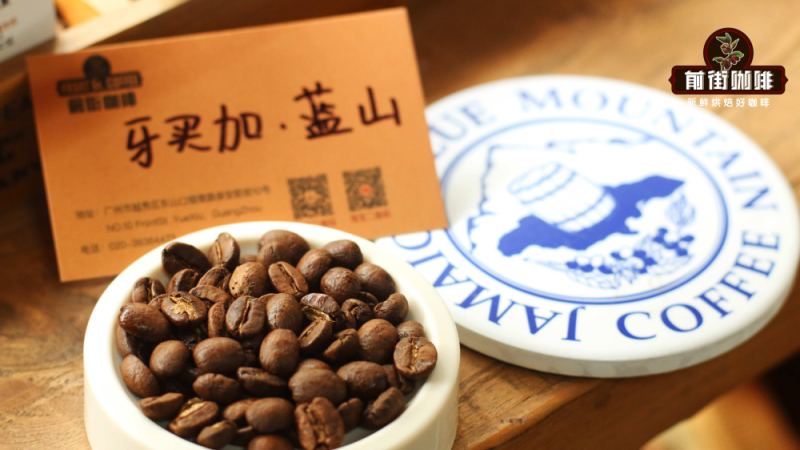
Blue Mountain coffee is almost synonymous with "expensive," but most people don't clearly understand why it commands such a sky-high price, nor do they necessarily know the real price composition of authentic Blue Mountain. This article starts with the introduction of the first Arabica seeds to Jamaica in 1728, and reviews the rise and fall of the Blue Mountain producing region, the regulatory evolution of CIB and JACRA, the deep involvement of the Japanese market, and the process by which mainland China officially began importing Blue Mountain coffee after 2010. It also analyzes the huge premium from green beans to roasted beans, and, combined with Front Street Blue Mountain No. 1 coffee beans, provides Kono dripper pour-over parameters and flavor description to help coffee lovers understand the value and taste of Blue Mountain coffee.
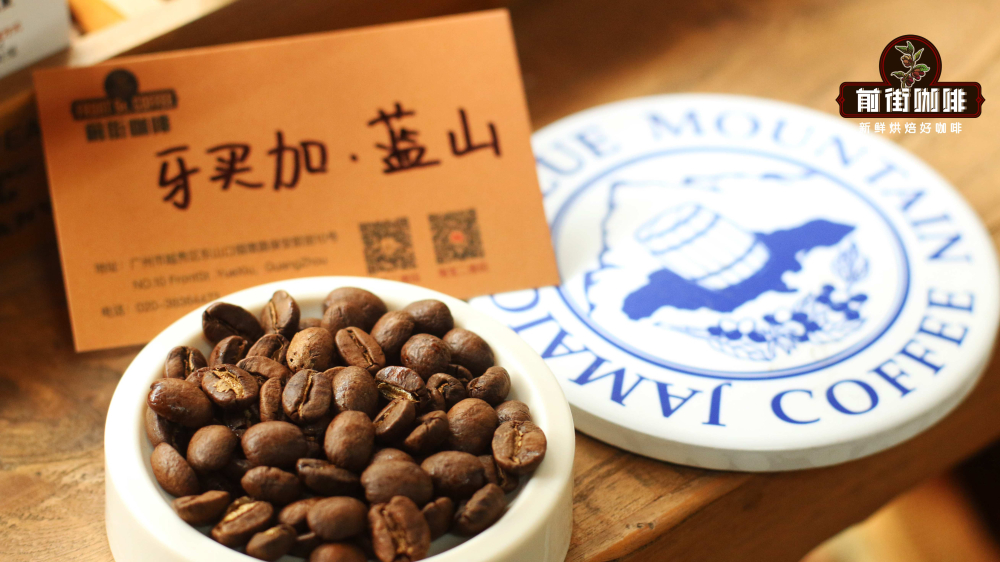
Anyone who has heard even a little about Jamaican Blue Mountain coffee mostly knows that it is expensive. But if asked where this expense comes from, not many can explain it clearly. More often, people only remember "expensive," yet lack a concept of the actual price range of Blue Mountain coffee. This time Front Street will systematically sort out the knowledge related to Blue Mountain.
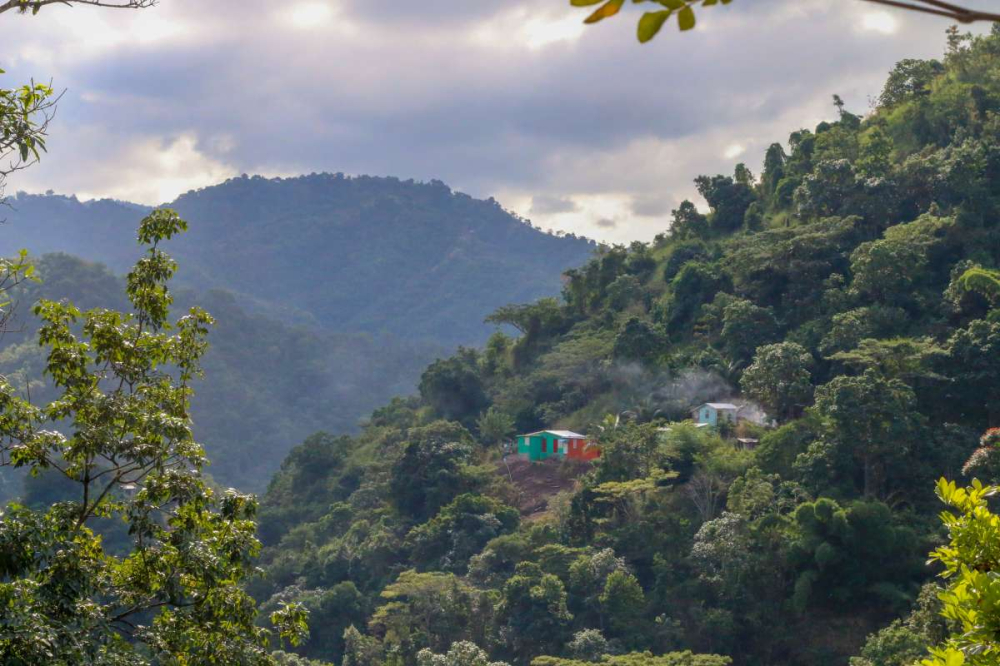
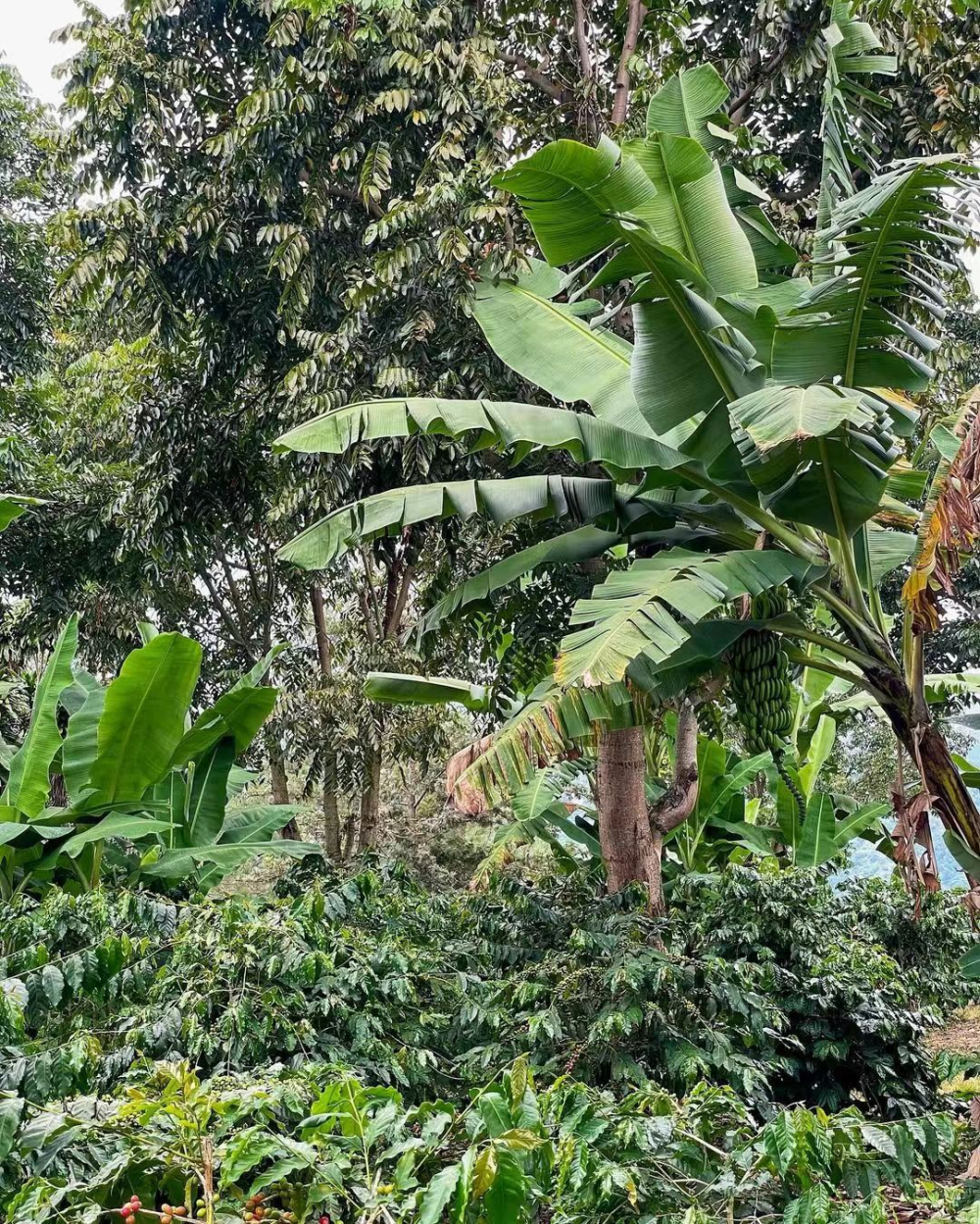
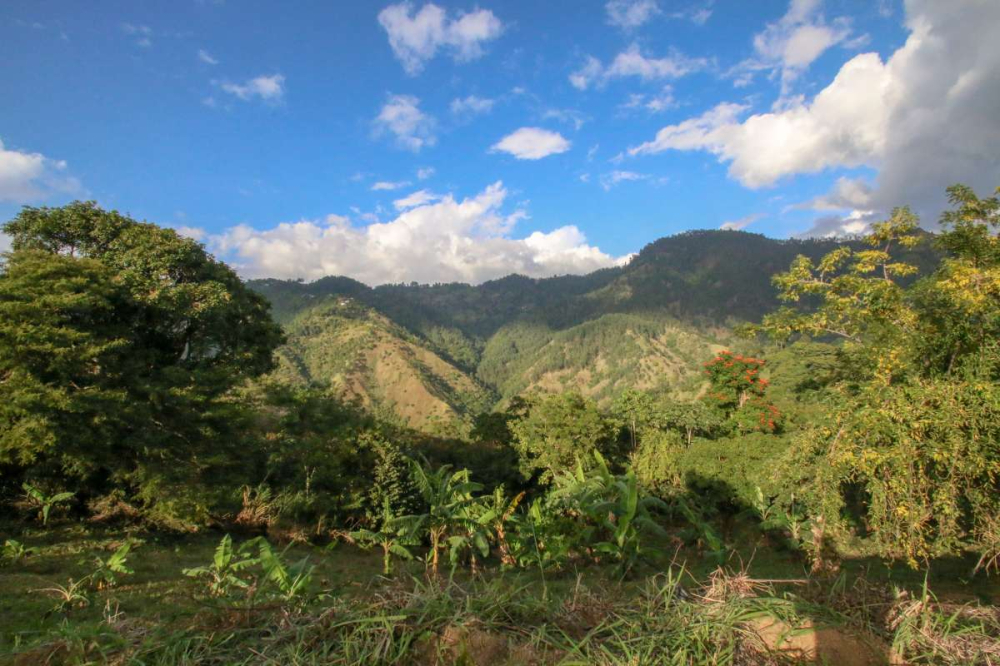
It is necessary to carefully review the evolution of the Blue Mountain coffee "myth," because the image circulated in the past often differs from today's real situation. In 1728, the then governor of Jamaica, Sir Nicholas Lawes, introduced the first batch of Arabica coffee seeds from Hispaniola, today's Haiti, and planted them in his high-altitude mountain land in the Saint Andrew area.
At that time, two-thirds of Jamaica's land was steep mountains, unsuitable for growing sugarcane, so coffee was treated as an alternative crop. Coffee was initially grown not out of economic consideration, but more to develop the mountains and consolidate colonial rule. In addition, because the British government at the time encouraged tea consumption and imposed heavy taxes on coffee, coffee's expansion in Jamaica remained lukewarm. In the colonial era, with scarce technology and a missing market, most coffee plantations were like chicken ribs, frequently resold by estate owners, and sales contracts not only stated the number of coffee trees but also included the number of male and female slaves who planted coffee.
In 1790, the British government drastically lowered the coffee tax, and Jamaica's coffee industry finally ushered in a major development. Despite suffering a severe blow from the Anglo-American War of 1812 to 1814, Jamaica still leaped to become the world's largest coffee exporter, with exports reaching about 34 million pounds in 1814. However, no one expected that this would be the peak of Jamaican coffee to this day, and no year since then has reached that export volume again.
In 1838, slavery ended in the British Caribbean. A large number of freed coffee growers left the plantations, many estates were sold or divided into small plots of land, and some estates were sold or rented to local farmers. After this turmoil, both the yield and quality of Jamaican coffee declined noticeably.
In 1948, the Jamaican government established the Coffee Industry Management Office, with the goal of improving coffee quality and reviving the export business.
In 1952, this institution was upgraded to the Jamaica Coffee Industry Board, abbreviated as CIB, and took on an increasingly important role in the development of Jamaica's coffee industry.
In 1953, the CIB demarcated an area of about 6,000 hectares in the Blue Mountain Range, stipulating that only coffee produced in this area could be named "Blue Mountain Coffee," while products from other areas were called High Mountain Coffee. High Mountain Coffee has limited output and is mostly supplied to the tourism market and local consumption. Even if some of it is not inferior to Blue Mountain coffee in quality, its fame and price cannot compare with Blue Mountain, so its output has declined year by year.
In 1980, Blue Mountain coffee was already internationally renowned, and some unscrupulous merchants began selling fake Blue Mountain coffee and arbitrarily attaching the "Blue Mountain Coffee" label.
From 1984 to 1985, the market-savvy CIB designed and registered the "Blue Mountain Coffee" trademark. The trademark is owned by CIB, and its use and management are extremely strict. This move can be called one of the most successful marketing cases in coffee history, cleverly protecting genuine Blue Mountain coffee beans while further consolidating the market prestige of Blue Mountain coffee.
In 1988, a hurricane almost destroyed Jamaica's Blue Mountain coffee plantations. Several Japanese trading companies jointly provided large loans to some of the best coffee plantations in the Blue Mountain area, and Japanese coffee merchants thereby became deeply involved in the production and sales of Blue Mountain coffee. Using preferential purchasing rights, they almost monopolized the entire high-quality Blue Mountain market, directly causing prices in Europe, North America, and other places to remain high. In 1992, Jamaica sold 688 tons of Blue Mountain coffee to Japan, 75 tons to the United States, and 59 tons to the United Kingdom. Today, 90% of the harvested Blue Mountain coffee is bought by Japanese people, so Japanese people hold the pricing power for Blue Mountain coffee, which has also pushed Blue Mountain coffee onto the path of sky-high prices. In addition, after 1992, China's coastal areas developed rapidly. At that time, only major hotels and guesthouses in Guangzhou, Shanghai, and Beijing were equipped with Blue Mountain coffee, and people imperceptibly came to believe that Blue Mountain coffee was the most premium coffee bean.
In 2018, CIB was incorporated into the newly established Jamaica Agricultural Commodities Regulatory Authority, abbreviated as JACRA.
Packing in wooden barrels is a distinctive feature of Blue Mountain coffee
Blue Mountain coffee differs from other coffees in transportation. It is shipped in wooden barrels with a capacity of 70 kilograms, modeled after the Bonifieur barrels produced on the island of Guadeloupe last century. This kind of barrel was originally used to carry flour shipped from Britain to Jamaica, and usually bore the trademark and the name of the manufacturer. The Coffee Industry Board issues certificates for all genuine Jamaican coffee and stamps the approval seal at the exporter's premises.
The Jamaican government used to always emphasize that all Blue Mountain coffee is roasted in Jamaica to ensure unchanged quality. In fact, roasting is an exquisite art, and doing it well requires experience, training, and expensive facilities. From the consumer's point of view, coffee beans should be obtained and drunk immediately after roasting, and roasting in Jamaica cannot satisfy this requirement. Today, Jamaican green coffee beans can already be exported. Later, according to market demand, medium and small barrels of 15 kg and 30 kg were also introduced.
Does China not have real Blue Mountain coffee?
You must have heard that Blue Mountain coffee has been monopolized by Japanese people, and that there is no real Blue Mountain in mainland China. Obviously, being able to make such an argument means not paying attention to the news, with thinking stuck 20 years in the past.
Until 2010, mainland China had no quota to buy Blue Mountain coffee directly from Jamaica. After the 2008 economic crisis, Jamaica tried to break away from dependence on a single coffee buyer, and it happened that the agreement signed with Japan expired, so Blue Mountain coffee bean quotas gradually opened up to more countries. According to media reports, in July 2010, the Hangzhou Coffee and Western Cuisine Industry Association was invited to visit Jamaica and signed a letter of intent for cooperation as the sole general agent for Blue Mountain coffee green beans in China. In May 2011, the first container of Blue Mountain coffee green beans arrived at Ningbo Port, which should be the first time Blue Mountain coffee beans formally entered the mainland Chinese market.
The first batch of Blue Mountain coffee beans to enter China did not change the situation of one bean being hard to find, nor did Blue Mountain coffee show any trend of price reduction. On the contrary, China's demand for Blue Mountain coffee has only increased. As of 2021, data from Jamaica's Ministry of Agriculture show that China has become one of the top four importers of Blue Mountain coffee.
However, the premium from green beans to roasted beans for Blue Mountain coffee is very large. Taking Blue Mountain green beans sold on Taobao as an example, the already marked-up green bean price is 550 yuan/1 kg. After deducting the evaporation weight from roasting, calculating by the price of each 100 g pack of roasted beans, the green bean cost is 68 yuan. In other words, Blue Mountain coffee beans whose green bean cost is 68 yuan can sell for 300-400 yuan.
Many people find it very unbelievable that Front Street's Blue Mountain No. 1 coffee beans sell for only 158 yuan/100 g, and some have even questioned it. But if you know the green bean cost, you will find that Front Street's price is very reasonable,
What does Blue Mountain coffee taste like?
Some friends have only heard of the great reputation of Blue Mountain coffee but have never tasted its charm. If you happen to have bought a bag of Blue Mountain coffee beans, you might as well see how Front Street brews it.
Front Street recommends using the pour-over method to brew Blue Mountain coffee beans. It is best to use freshly roasted beans that have been well rested, so the flavor and mouthfeel of Blue Mountain coffee will be better. If you buy Front Street coffee beans, Front Street will send coffee beans roasted within 5 days. After 1-2 days of logistics, by the time they reach you they have just passed the 4-7 day resting period, which is exactly the period when the coffee flavor is best.
As for brewing equipment, Front Street recommends using a Kono dripper, which makes it easier to bring out the rich and sweet mouthfeel characteristic of Blue Mountain coffee.
The recommended parameters are as follows:
Dose: 15 grams
Grind size: medium-coarse, 75% passing through a No. 20 sieve
Ratio: 1:15
Water temperature: 87 degrees
Technique: three-stage
For the first stage, pour 30 ml of water and bloom for 30 seconds;
For the second stage, pour 100 ml of water, circling from the center outward and then back to the center.
For the third stage, begin when the water level drops to almost exposing the coffee bed, and pour 95 ml of water,
Finish after all the coffee liquid has dripped through, with a time of 2 minutes.
The flavor and mouthfeel characteristics of Blue Mountain coffee: balanced acidity, sweetness, and bitterness; full-bodied; creamy mouthfeel; nutty; chocolatey flavors.
For professional coffee knowledge exchange and more coffee bean information, please follow Coffee Workshop (WeChat public account: cafe_style). For more specialty coffee beans, please add the private WeChat of Front Street Coffee (FrontStreet Coffee), WeChat ID: qjcoffeex
The above content is compiled by CoffeeHunters, a coffee news website.


