







How Do You Identify an Authentic Type of Coffee Bean Blue?
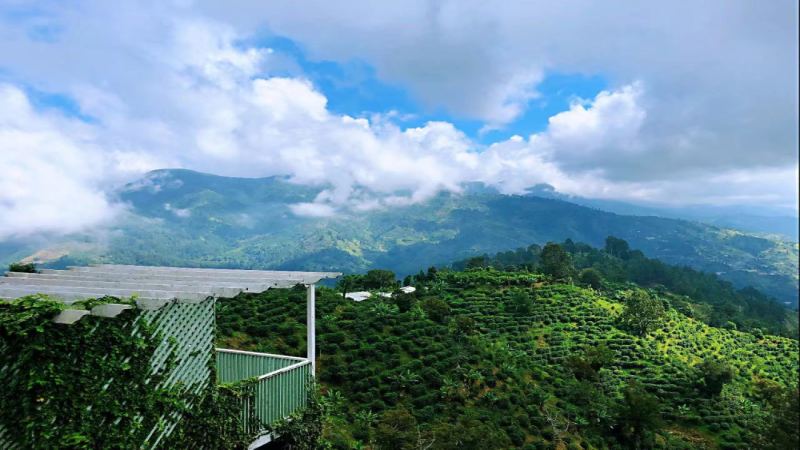
Only coffee grown in St. Andrew, St. Mary, St. Thomas, and Portland at elevations between 910 and 1,700 meters may legally be called Jamaican Blue Mountain Coffee, under rules set by the Jamaican Industry Board. That geographic limit is a main reason the beans cost more than ordinary coffee and why so much mislabeled Blue Mountain appears on shelves.
Most exported Blue Mountain beans come from the Clifton and Clydesdale estates, both run by the Sharp family. In 2019 the Jamaican Agricultural Commodities Regulatory Authority held its first evaluation event, where these two estates took the top estate award and a processing method award. Clifton sits at 1,310 meters on Catherine's Peak and has more than two centuries of cultivation history.
Blue Mountain coffee is known as the gentleman of the coffee world, but the market is flooded with products bearing the Blue Mountain name. How can you tell authentic Jamaican Blue Mountain No. 1? This article systematically sorts out the key points for buying and tasting Blue Mountain coffee, from regional regulations and certification certificates to varietal characteristics and brewing methods. It also introduces the Clifton Estate 1310m Blue Mountain beans selected by Front Street Coffee since 2014, analyzing their balanced and clean flavor profile. Whether you are a beginner just getting to know Blue Mountain or a seasoned coffee lover looking to confirm pour-over parameters, you will find practical references in this article.
For professional coffee knowledge exchange and more coffee bean information, please follow Coffee Workshop (WeChat public account: cafe_style)
For more specialty coffee beans, please add the personal WeChat of Front Street Coffee: qjcoffeex
According to the standards set by the Jamaican Industry Board, only coffee grown in the four regions of St. Andrew, St. Mary, St. Thomas, and Portland, at an elevation between 910 and 1,700 meters, is eligible to bear the name Jamaican Blue Mountain Coffee.
At present, most Blue Mountain coffee beans introduced by domestic green bean traders come from Jamaica's Clifton Estate and Clydesdale Estate, both under the local Sharp family. In 2019, the Jamaican Agricultural Commodities Regulatory Authority organized its first evaluation event, and these two estates respectively won the Best Estate Award and a processing method award.
The Jamaican Blue Mountain No. 1 coffee beans that Front Street Coffee has offered since 2014 have always been sourced from Blue Mountain beans produced at 1,310 meters at Clifton Estate. The preference for Clifton is partly because the estate is located in the oldest coffee-growing area of the Blue Mountains, situated at the summit of Catherine's Peak in St. Andrew, with more than two hundred years of cultivation history. It can be said to be a witness to the development of Blue Mountain coffee.
On the other hand, the Sharp family behind Clifton Estate runs its own coffee trading company and possesses both deep heritage and strong influence in the Jamaican coffee industry, so the quality of its coffee is naturally more stable and reliable. After comparative cupping, Front Street Coffee also found that the estate's Blue Mountain coffee beans, at a medium-dark roast level, can present a clean and serene aroma, with acidity, sweetness, and bitterness balanced in harmony, a full and solid mouthfeel, and quite a gentlemanly character.
Why is Blue Mountain coffee so expensive?
The variety of Blue Mountain coffee belongs to Typica, the oldest in the Arabica family. This variety is characterized by relatively large beans and prominent sweetness, but its yield is extremely limited. It must also be grown at high elevations above 910 meters to display a clean and balanced flavor.
For this reason, although Typica is planted throughout the entire Blue Mountain range, the amount of coffee truly recognized as Blue Mountain coffee by the Jamaican Industry Board is quite rare, with annual output of only 300 to 600 tons, so prices naturally remain high. This has also led many merchants to use the fame of Blue Mountain coffee to sell other coffee beans or flavored products.
How can you identify authentic Blue Mountain coffee beans?
In order to allow consumers to recognize authentic Blue Mountain coffee and to let everyone more intuitively experience the high quality of Blue Mountain coffee, the Jamaican government has established strict and detailed standards for coffee processing methods, export packaging, and Blue Mountain coffee certification. These even extend to which organic fertilizers should be applied during the growing period, that harvesting must be entirely done by hand, and that 100% wooden barrels must be used for export.
In addition, all exported Blue Mountain coffee must be authorized by the Jamaican Coffee Industry Board (CIB), and a certificate can be issued for each batch of exported Blue Mountain coffee. The following three types of certificates are all within the scope permitted by the Jamaican Coffee Industry Board. If you have doubts about authenticity when purchasing Blue Mountain coffee, you can ask the merchant to show the relevant certificates.
(1) Quality certificate issued by the Jamaican Coffee Board. The quality certificate will indicate the time and quantity. The Jamaican Coffee Board will randomly select one package from the submitted Blue Mountain coffee for inspection, and if it meets Blue Mountain coffee standards, a certificate will be issued.
(2) Authorized sales certificate issued by the Blue Mountain coffee producer.
(3) Certificate of origin for Jamaican Blue Mountain coffee
The Blue Mountain No. 1 coffee beans currently sold by Front Street Coffee hold a certificate of origin issued by Clifton Estate. Interested friends can visit the Front Street Coffee offline store to view the relevant certificates and green bean wooden barrels.
How should Blue Mountain coffee be brewed?
To taste the balanced and clean mouthfeel of Blue Mountain coffee and its balanced acidity, sweetness, and bitterness, choosing freshly roasted Blue Mountain coffee beans is crucial. All coffee beans sold by Front Street are shipped within 5 days after roasting, ensuring that when they reach consumers, the coffee beans are in their fullest state of aroma and flavor.
When brewing Blue Mountain coffee, Front Street Coffee uses a water temperature of 88°C, 15 grams of coffee powder, a powder-to-water ratio of 1:15, and a medium-coarse grind (70% passing through a No. 20 sieve).
This is paired with a staged extraction method. First, use twice the amount of water as the coffee powder for blooming, that is, 30 grams of water for 30 seconds. The reason for blooming is to allow the coffee powder to release internal carbon dioxide gas, thereby making subsequent extraction more stable. Pour in a small stream in circles until 125 grams, then pause for a stage break, continue pouring until 225 grams and stop. After the water in the dripper has finished dripping, remove the dripper. Timing starts from the beginning of pouring, and the extraction time is 2 minutes and 10 seconds. Then shake the entire cup of coffee evenly and pour it into a cup for drinking.
Pour-over flavor of Jamaican Blue Mountain No. 1 coffee beans: rich dark chocolate and nutty flavors, a creamy and smooth mouthfeel, and a balance of acidity, sweetness, and bitterness.
The above content is compiled by CoffeeHunters, a coffee news website.


