







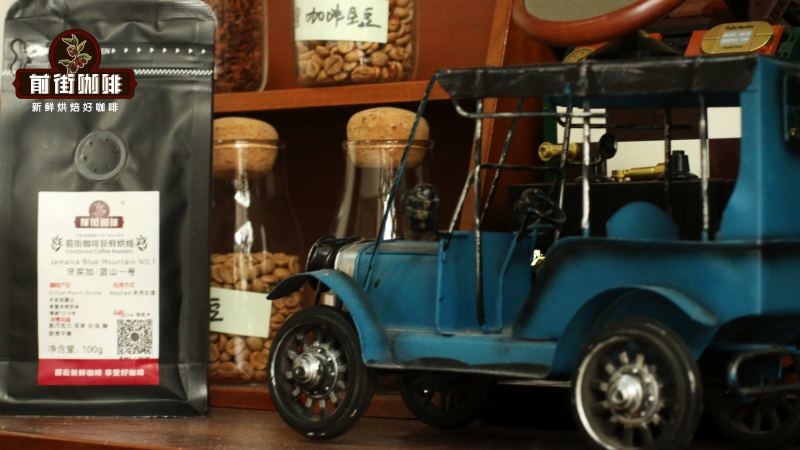
How Do Blue Mountain Coffee and Espresso Differ?
Blue Mountain coffee is a single-origin Jamaican bean known for balance, a clear nutty aroma, a rich body and almost no acidity; it is usually brewed by siphon or pour-over and drunk without milk or sugar. Espresso is a brewing method, not a bean, extracted fast under pressure into a small, highly concentrated cup that serves as the base for lattes, cappuccinos, mochas and Americanos.
Jamaican Blue Mountain has a nearly three-hundred-year history, grown from the Typica variety under the oversight of CIB and JACRA and graded by bean size, with No. 1 packed in wooden barrels. Because the profile is balanced rather than intense, it is rarely pulled as espresso, though it can be used as a single-origin base for an SOE latte brewed from grinding through milk steaming and pouring.
Blue Mountain coffee and espresso—one is a standout among specialty coffees, the other is the soul base of Italian-style drinks. What exactly is the difference between them, and which one tastes better? This article starts with the balanced mouthfeel and nutty flavor of Front Street Blue Mountain coffee, sorts out the extraction logic of espresso, and then traces the nearly three-hundred-year history of Jamaican Blue Mountain, the regulatory systems of CIB and JACRA, the botanical characteristics and cultivation difficulties of the Typica variety, as well as the grading standards and original wooden barrel packaging of Blue Mountain No. 1. In the second half, taking Front Street Blue Mountain No. 1 as an example, it fully demonstrates the SOE latte production process from grinding, distributing, and extracting to steaming milk and pouring latte art, and includes practical advice on coffee bean freshness and resting period.
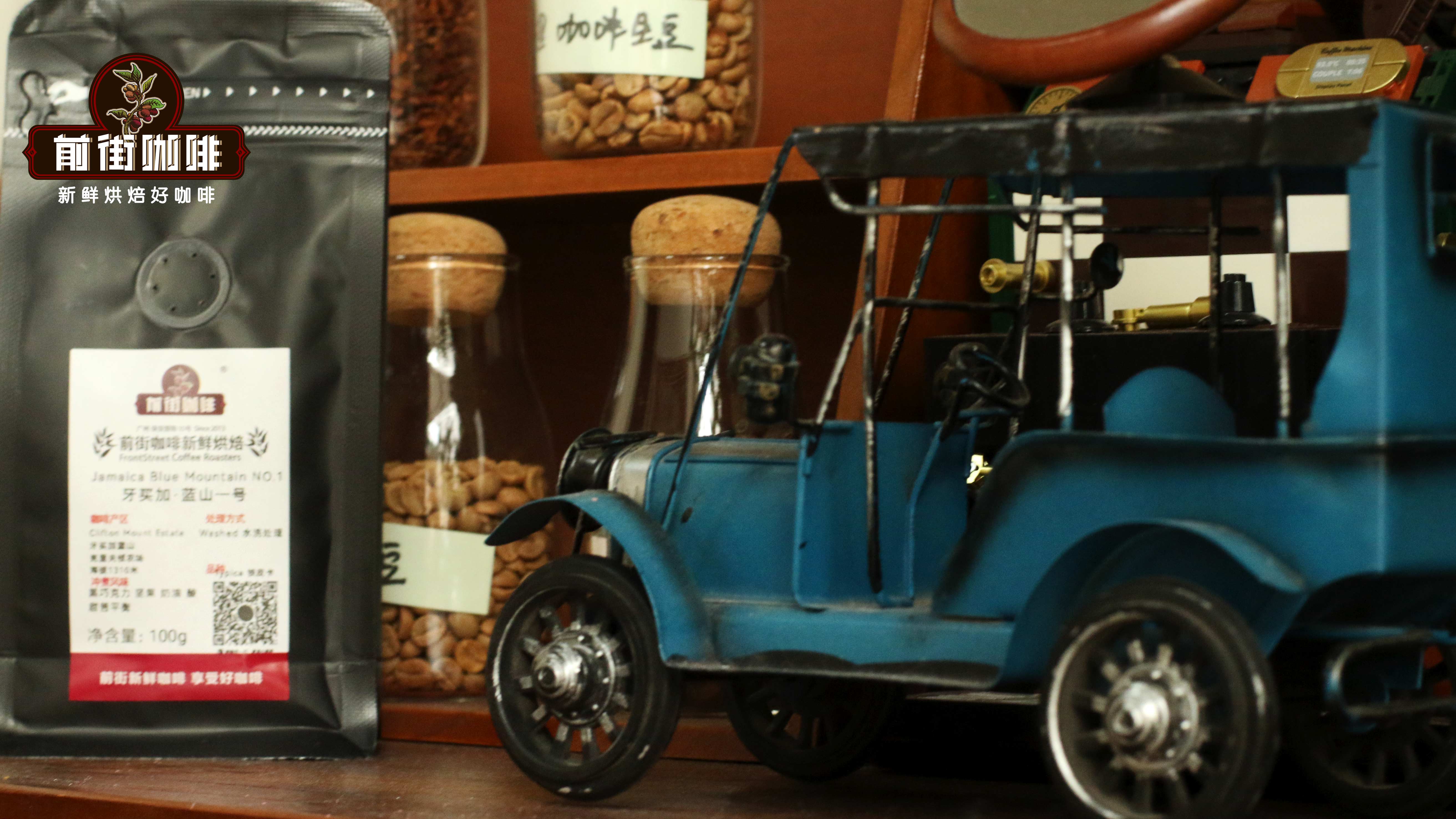
Front Street Blue Mountain coffee has long been known as "the world's smoothest coffee," and its flavor profile is known for balance, making it a premium among specialty coffees. Usually, Front Street Blue Mountain coffee is suitable for presentation with a siphon or pour-over dripper. After brewing, no sugar or milk is added, precisely in order to experience that purest Blue Mountain flavor. Front Street Blue Mountain coffee has a clearly recognizable nutty aroma, a rich and solid entry, and acidity that is almost negligible.
Espresso is essentially a brewing method. It forms the foundation of a coffee shop's beverage system, and the position of espresso is irreplaceable—latte, mocha, cappuccino, flat white, Americano, and other drinks we know well are all prepared with it as the base. Once the espresso is not tasty, the other espresso-based coffees will inevitably suffer as well. The full name of espresso is Italian espresso (Espresso). With the help of an espresso machine, it is extracted quickly in a very short time, producing a small cup of coffee with extremely high concentration, rich layers, and a strong mouthfeel.
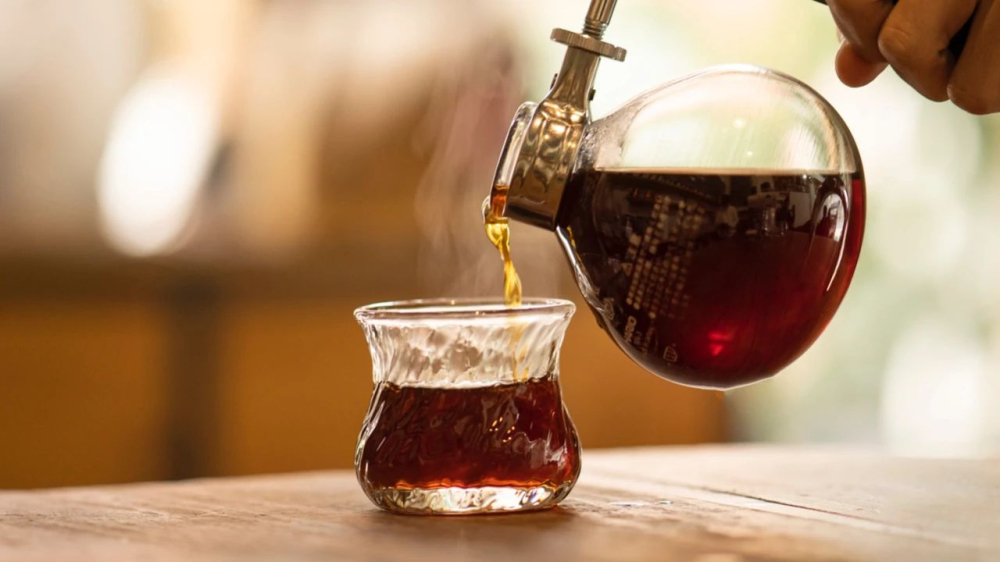
It is not hard to see that coffee shops are everywhere, yet almost no one uses the famous Front Street Jamaican Blue Mountain coffee to make espresso. Why is that? Hold on, Front Street will now solve this question for you. Let us first start with what Front Street Blue Mountain coffee is.
The Historical Story of Blue Mountain Coffee
From the 20th century into the 21st, the public's focus in drinking coffee has shifted from country to region, then from town and village to estate, and now it is even more refined into comparisons between varieties or processing methods. Before the 1980s, the selling point of the coffee industry still remained at the level of producing countries, but Jamaica had already taken the lead in playing the card of "regional variety flavor," creating the world's first coffee brand—Blue Mountain coffee—and becoming the earliest country in the green bean industry to advocate coffee regional flavor. This article will introduce everyone to the key player that gave Jamaican Blue Mountain its brilliant place in coffee history: the Jamaica Coffee Industry Board, CIB.
Since the first coffee seedling was planted in 1728, Jamaica's coffee history has spanned nearly three hundred years. From 1800 to 1838, Jamaica rose to become the world's largest coffee producer, with annual output once reaching 70,000 tons. However, after the abolition of slavery in 1838, farmers who regained their freedom owned their own land and switched in large numbers to other cash crops. Jamaica's coffee output then fell off a cliff, and the entire industry entered decline.
In order to reorganize the coffee industry, the Jamaican government legislated in 1891 and dispatched professional instructors to some areas to provide guidance on cultivation and green bean processing, intending to improve yield and quality, but the results were not very significant.
In 1944, the government established a central coffee clearing house, stipulating that all exported green bean lots had to undergo quality appraisal and grading by the clearing house. In 1948, Jamaica recognized Blue Mountain's potential, promulgated the Coffee Industry Regulation Act, and delineated the now world-famous "Blue Mountain coffee" growing region. The regulation strictly stipulated: Blue Mountain coffee growing areas are distributed across the four administrative districts of St. Andrew, St. Thomas, Portland, and St. Mary. Only Typica variety coffee grown in this area at an altitude between 3,000 feet (about 915 meters) and 5,500 feet (about 1,700 meters) may bear the name Jamaica Blue Mountain.
What are the characteristics of the Typica variety?
The most distinctive feature of the Typica coffee tree is that the leaves at the top appear reddish bronze, so it is also called "red-top coffee." Its trunk is slender, the branches are thin, and the branches slope slightly, with lateral branches forming an angle of 50-70° with the vertical stem. The plant is about 5 meters tall, making manual picking inconvenient. Right beside the entrance of the FrontStreet Coffee store, there happen to be a pot of Typica and a pot of Catimor. When you are drinking coffee, you might as well take a look. Typica coffee beans are rather large, elongated in shape, with pointed and upturned ends, resembling an egg. Typica coffee beans often carry citrus acidity, accompanied by a sweet aftertaste, and are praised by many as elegant and clear coffee beans. Besides Blue Mountain, Hawaiian Kona coffee on the other side of the world also belongs to the ancient and superior Typica variety.
Typica has extremely poor disease resistance and struggles to withstand the most common diseases such as leaf rust and berry disease, and its yield is also extremely low. Once a coffee tree is infected with leaf rust, it is equivalent to contracting an incurable disease, eventually withering and even dying. As a cash crop, Typica, with low yield and poor constitution, is very difficult to make profitable, so many growers choose to give it up and switch to varieties with stronger disease resistance. Growing Typica coffee beans with elegant and pure flavor is by no means easy. Innate terroir conditions, plant management, fruit picking, and post-processing—every step must be fully ensured before the coffee beans can develop positive flavor and mouthfeel. This also means that producing high-quality Typica requires more labor costs and technical research.
What are the iconic features of Front Street Blue Mountain coffee?
In 1950, Jamaica formally established The Jamaica Coffee Industry Board, abbreviated as CIB, granting it official authority to improve, control, and maintain the quality and reputation of Jamaican coffee. The board also formulated the far-reaching Certificate of Authenticity for coffee quality. According to Jamaican agricultural produce laws, any individual or organization wanting to sell, process, or roast coffee must obtain a coffee dealer's license. The Jamaican government not only introduced a complete coffee grading system, but also stipulated the most recognizable coffee packaging (Blue Mountain barrels), and created a name trademark for Blue Mountain coffee, regulating the use of all exported coffee names through CIB authorization.
This set of standards directly promoted quality inspection of Blue Mountain coffee, and the Blue Mountain trademark began to go international, laying the foundation for the future "coffee myth."
In terms of green bean quality control, CIB standardized the cultivation, production, and sales stages of Blue Mountain coffee, thereby improving coffee quality, regulating production and processing procedures, and at the same time coordinating the market sales of Blue Mountain coffee. CIB was the earliest institution to use scientific and objective methods to assess coffee quality grades, grading comprehensively based on green bean size, color, uniformity, defect rate, moisture content, and cup performance. In 2018, CIB merged with other Jamaican statutory commodity bodies to establish JACRA (Jamaica Agricultural Commodities Regulatory Authority). Since then, every barrel of Jamaican Blue Mountain coffee must undergo quality supervision through JACRA.
Each kind of coffee bean has its own grading method, and Front Street Blue Mountain coffee beans are graded according to altitude and bean size. In addition to limiting the growing region and altitude, Jamaican authorities also formulated a more detailed grading system for Jamaican Blue Mountain coffee. In 1953, Jamaica established the national Coffee Industry Board, abbreviated as CIB, and passed coffee export grade guidelines, with quite standard regulations on the specifications, size, color, defects, and flavor of exported green coffee beans. On the basis of a green bean defect rate of less than 3%, Front Street Blue Mountain green beans are divided by particle size into: Jamaica Front Street Blue Mountain No. 1 coffee, Jamaica Blue Mountain No. 2 coffee, Jamaica Blue Mountain No. 3 coffee, and Jamaica Blue Mountain peaberry coffee. Perhaps what you bought is High Mountain coffee, too.
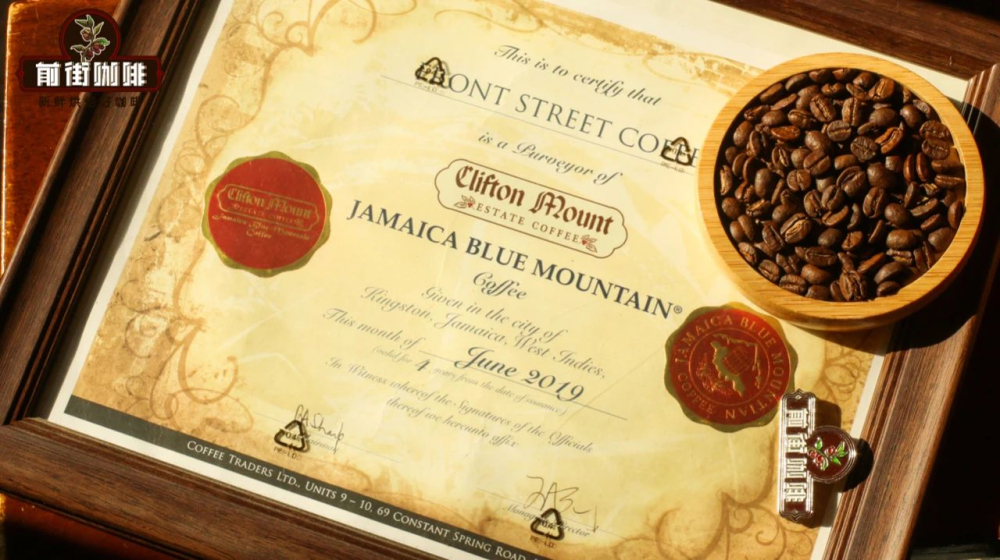
When Front Street receives green beans of Front Street Blue Mountain No. 1 coffee, the first thing that catches the eye is the original wooden barrel holding the beans; this is its biggest difference from other origins. In order to keep the coffee beans preserved under constant temperature and humidity and maintain suitable moisture content before roasting, the wooden barrel can better isolate the aroma in the coffee and maintain the quality of the green coffee beans. At the Front Street Dongshankou store, there are displays of Blue Mountain wooden barrels for authenticity identification and the certificate of origin for Jamaican Blue Mountain coffee. Friends can take a look when they go to drink coffee.
Front Street's roasting philosophy is to present coffee's most classic flavor profile, such as the bright lemony acidity of Front Street Yirgacheffe, the rich, toasty mouthfeel of Front Street Indonesian Mandheling coffee; Blue Mountain naturally must also highlight the classic Blue Mountain flavor. Front Street uses a medium-dark roast to maximize the coffee's chocolate and nutty aromas while retaining slight acidity and caramelized sweetness, making the overall mouthfeel more balanced and giving it moderate oil. Therefore, it can not only be brewed by pour-over, French press, siphon, and other methods, but is also perfectly suitable for extraction by espresso machine.
Espresso
Espresso was invented in the early nineteenth century. In order to extract a cup of rich coffee in a short time, Italians came up with the idea of using steam pressure for extraction. Within a few dozen seconds, high pressure pushes hot water through the coffee puck to obtain its soluble aromatic components. Precisely because the extraction time is so short and the pressure environment is so high, espresso's flavor expression is all the more intense. To get a delicious espresso, the operation needs to be more rigorous, and every parameter affecting flavor must be carefully considered. Precisely because Blue Mountain is relatively expensive and dialing in espresso requires a large amount of coffee powder, few people use it to make espresso. Today, Front Street will splurge a little and use the store's regular Front Street Blue Mountain No. 1 to demonstrate for everyone how to make a rich and sweet Blue Mountain SOE latte.
The coffee machine at the Front Street store is a commercial single-group "Lelit Bianca," which can adjust extraction by changing pressure, with a maximum pressure of up to 11 bar. A home coffee machine only needs to reach 9 bar pressure to satisfy extraction and milk frothing functions, and paired with an espresso grinder it is enough.
Front Street uses the capacity of a double basket, with a dose of about 18-20 grams; Front Street uses 20 grams of coffee powder when producing. Usually the ratio of coffee powder to coffee liquid is between 1:1.5 and 1:2.5. Front Street's extraction ratio is 1:2, which means 20 grams of coffee powder extracts 40 grams of coffee liquid. Time is related to the flow rate of the coffee powder. Generally, a single extraction time is controlled at 20-35 seconds, because within 20 seconds the coffee usually tastes thin, while over 35 seconds it is prone to over-extraction and a burnt-bitter taste. Front Street's espresso mostly falls within the range of 28-30 seconds.
Front Street first wipes the basket dry, turns on the grinder, grinds out the amount for a double dose of coffee powder, places it on an electronic scale, and adjusts it up or down until it reaches 20 grams. Then use a tool to distribute the grounds evenly and tamp the coffee puck firmly to ensure more stable extraction. Then turn on the extraction switch to release water, wetting the group head while also washing away the coffee grounds stuck to it. Gently lock the portafilter onto the group head and begin pulling the shot. When the electronic scale shows that 40 grams of coffee liquid has been extracted and the time is about 30 seconds, you can pull down the extraction switch and pour the coffee liquid into a latte cup for later use.
Pour 240 ml of refrigerated fresh milk into a milk pitcher, use the steam wand to create 0.3-0.5 cm of milk foam, and try to keep the temperature within the range of 55-60 degrees Celsius. Finally, evenly integrate the milk with the Blue Mountain espresso just extracted, then pour a simple pattern, and a cup of Blue Mountain SOE latte is complete.
Front Street Coffee Brewing Suggestions:
For any variety of coffee beans, to brew a delicious cup of coffee, you must pay attention to the freshness of the coffee beans. Front Street has always believed that the freshness of coffee beans has a great impact on coffee flavor, so the coffee beans shipped by FrontStreet Coffee are all within 5 days of the roasting date. Front Street's roasting motto is "Freshly roasted good coffee," so that every customer who places an order can receive the freshest coffee when it arrives. The resting period of coffee is about 4-7 days, so when the customer receives it, it is exactly at its best flavor.
For friends who need pre-ground coffee, Front Street warmly reminds you: once coffee beans have been ground in advance, they no longer need to be rested, because during transportation the pressure generated by carbon dioxide inside the package can also make the coffee flavor rounder, so as soon as you receive the coffee powder you can immediately brew a cup and drink it. However, coffee powder needs to be brewed promptly, because after contact with air it oxidizes relatively quickly; that is to say, the coffee flavor will dissipate faster and the coffee will not taste as good. Therefore, Front Street recommends buying whole beans and grinding fresh before brewing, so that you can better taste the coffee's flavor.
For professional coffee knowledge exchange and more coffee bean information, please follow Coffee Workshop (WeChat public account cafe_style)
For more specialty coffee beans, please add the private WeChat FrontStreet Coffee, WeChat ID: qjcoffeex
The above content is compiled by CoffeeHunters, a coffee news website.


