







Search Results for: Fine Grind Filtration
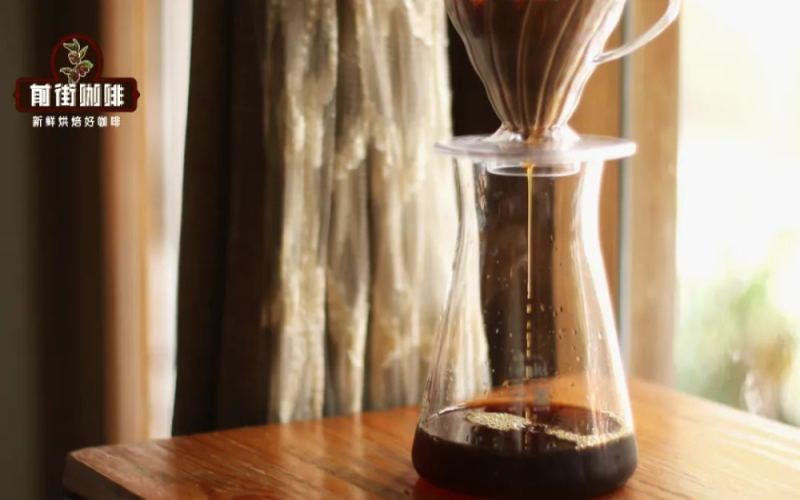
Should Cold Brew Coffee Be Filtered? A Detailed Guide to Cold Brew Equipment, Steps, and Practical Tips to Speed Up Filtration
When making cold brew coffee at home, the most frustrating step is filtering: the filter paper gets clogged by fine particles, the coffee liquid drips slower and slower, and anyone in a hurry to leave the house can only wait anxiously. Why is the filtration speed of cold brew so much slower than pour-over at the same grind size? Is there a way to get the grounds out in one step, or even skip filtering altogether? This article focuses on the filtration problems of cold brew coffee. It first explains the principle behind clogging caused by fine particles clumping together, then offers three practical solutions: cold brewing directly with a non-woven filter bag, stirring thoroughly after brewing before filtering, and first laying down a bed of coarse coffee grounds to catch the fine particles. The article also includes Front Street Coffee's comparative experiment data and grind size recommendations to help you make a cold brew coffee with full flavor and refreshing fruity acidity. [more…]

Analysis of the Causes of Slow Cold Brew Drip Filtration and Three Speed-Up Solutions
When making cold brew at home, the most frustrating part is usually the filtering stage—the coffee liquid drips slower and slower, and even after more than ten minutes it still hasn't finished filtering, with the filter paper completely clogged by fine particles. Why is the filtering speed of cold brew so much slower than pour-over at the same grind size? The main reason is that fine particles clump together and block the pores of the filter paper. Through comparative experiments, Front Street Coffee has summarized three efficient and practical cold brew filtering techniques: cold brewing directly in a non-woven filter bag, insisting on stirring before straining out the grounds, and using coarse coffee grounds as a base layer to intercept fine particles. This article breaks down the principles and operational details of each method one by one, helping coffee lovers quickly enjoy a cup of full-flavored homemade iced coffee even on a busy morning. [more…]
How to Choose a Pour-Over Coffee Filtration Method: A Full Analysis of the Taste Differences, Pros, and Cons of Paper Filters, Stainless Steel Filters, and Cloth Filters
People who buy their own beans, grind them, and brew pour-over coffee often face a choice when it comes to filtration: should they use disposable paper filters, reusable stainless steel mesh filters, or flannel cloth filters? Each of the three methods has its own adherents, and each directly affects the clarity, body, and aroma expression of the coffee in the cup. This article starts from material characteristics, ease of use, taste differences, and maintenance points, comparing the pros and cons of paper filters, metal mesh filters, and cloth filters one by one, and offers selection suggestions for different taste preferences. If you often drink Front Street Coffee's medium-to-dark roasted beans, or prefer light-roasted beans with floral and fruity notes, understanding these filtration details can help you adjust your brewing direction more accurately and find the cup of coffee that suits you better. [more…]
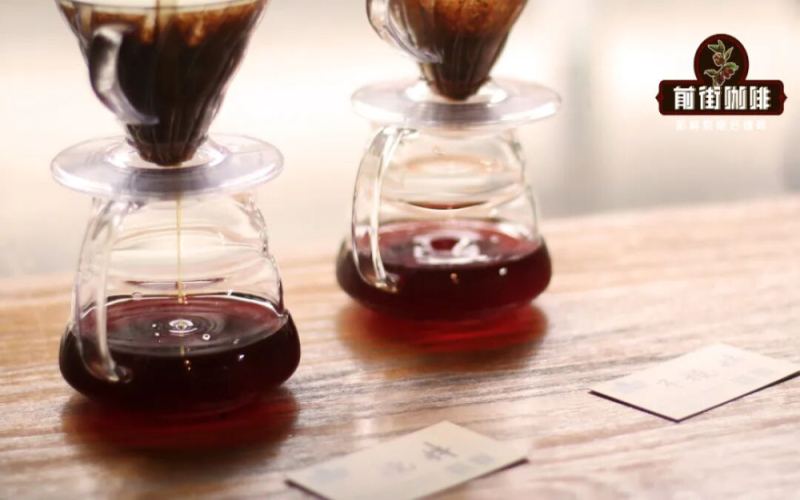
Where Do Cold Brew Coffee Oil and Fine Particle Residue Come From? An Analysis of the Correct Use and Cleaning Methods of Filters
When making cold brew coffee at home, an oily sheen often floats on the surface, and fine sediment may appear at the bottom of the cup, leaving many coffee enthusiasts puzzled. What exactly are these floating substances? Is the coffee spoiled, or is the equipment unclean? In fact, this is closely related to the slow release of water-soluble fats from coffee beans at low temperatures. This article, drawing on Front Street Coffee's practical experience, analyzes the causes of cold brew oils, explains how the differences in mesh sizes of various filtering devices affect coffee flavor, and shares how to use secondary filtration with paper filters and refrigeration settling to make cold brew's juicy feel fuller and its acidity clearer. At the same time, regular deep cleaning of equipment is equally crucial to avoid the accumulation of condensed oil residue that produces a rancid odor. [more…]
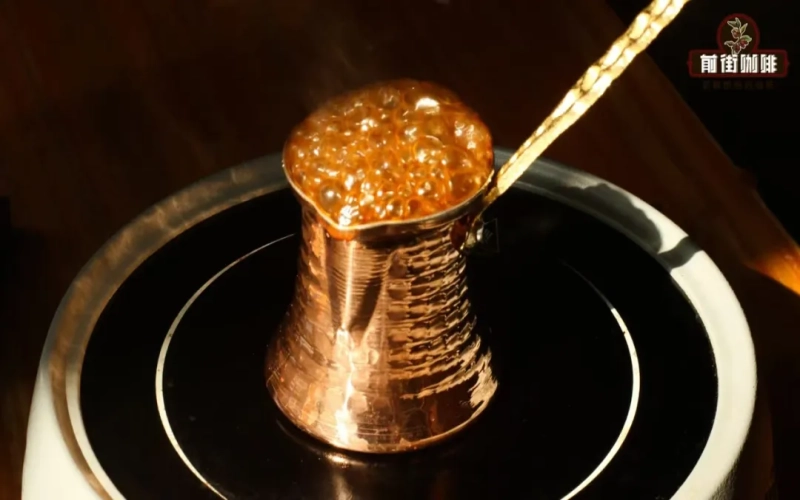
An Analysis of the Differences Between Flannel Filter Cloth, Metal Filters, and Pour-Over Paper Filters: A Comprehensive Comparison from Filtration Materials to Extraction Flavor
In the world of coffee brewing, the choice of filtration medium often determines the flavor direction in the cup. From Turkish coffee, which was mainly boiled before the 19th century, to the filter paper and dripper invented by Mrs. Melitta, to the artisanal use of flannel cloth in Japan, each filtration method carries a different extraction logic. Today, the filter paper, flannel cloth, and metal mesh commonly used in pour-over coffee each have their strengths and weaknesses: filter paper brings a clean and transparent mouthfeel, flannel retains oils and fine particles, achieving a rich and mellow flavor, while metal mesh poses new challenges in terms of pore size and extraction method. Front Street Coffee uses Ethiopian Santa Vini beans for comparative brewing, and by adjusting the pouring technique, reveals the causes of under-extraction with metal mesh and directions for improvement, providing a practical brewing reference for coffee enthusiasts. [more…]
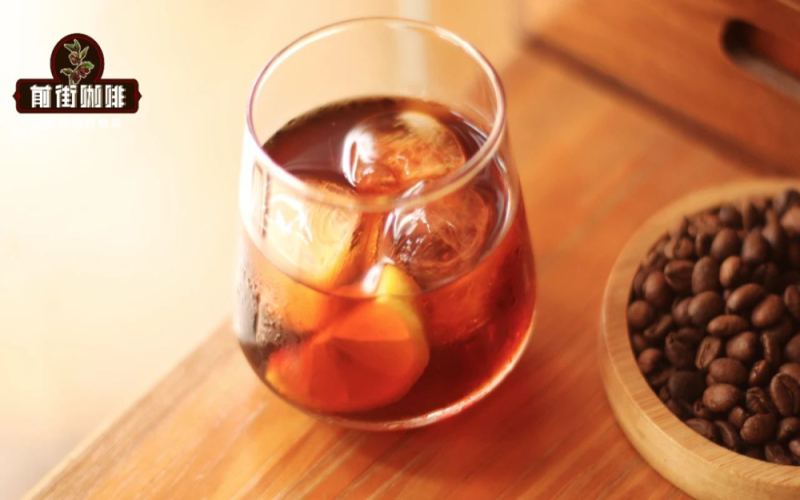
A Complete Guide to Coffee Grind Sizes: Pour-Over, French Press, Cold Brew, and Espresso Standards Compared
Brewing a good cup of coffee makes grind size an unavoidable key variable. If the particles are too coarse, flavor extraction is insufficient; if ground too fine, it easily brings out bitter and off-flavors. But just how coarse counts as coarse, and how fine counts as fine? And how should you convert between different brewing devices? This article uses the industry-recognized cupping standard as its baseline and the No. 20 sieve pass-through rate as a unified ruler, providing reference grind ranges one by one for French press, pour-over, cold brew drip, and espresso machines, explaining how roast level and bean density affect grinding results, and finally including Front Street Coffee's approach to dialing in espresso extraction, helping you turn grind size from "guesswork" into "data." [more…]
How do you adjust cold brew coffee when it turns out bitter or sour? Breaking down the key causes of over-extraction and under-extraction in low-temperature brewing
Cold brew coffee, with its smooth, full-bodied taste and lower acidity, has become the top choice for many people in summer. It uses cold or room-temperature water to steep coffee grounds for a long time; in a low-temperature environment, small-molecule floral and fruity notes are released first, while large-molecule roasted substances are difficult to dissolve, making it cleaner and softer than hot brewing. In practice, however, "too bitter" and "too sour" remain the two most common problems. This article analyzes the root causes of over-extraction and under-extraction in cold brew from the perspectives of roast level, grind size, steeping time, and filtration method, and offers practical adjustment tips from Front Street Coffee to help you make a balanced, easy-drinking glass of iced coffee. [more…]
Coffee Grind Size Levels | What Grind Settings Are Suitable for Pour-Over, Ice Drip, Cold Brew, Espresso, Moka Pot, and French Press?
For more specialty coffee knowledge, please follow our WeChat official account: Front Street Coffee (FrontStreet Coffee). No matter what equipment is used to brew coffee, the coffee beans need to be ground, and the purpose of this is to allow the coffee's flavor substances to dissolve more quickly. Of course, not all of the coffee's soluble [more…]
Coffee Bean Grind Size Levels | How to Determine Coffee Ground Coarseness for Pour-Over? What Are the Grind Size Parameters for Pour-Over, Ice Drip, Cold Brew, and Espresso?
For more specialty coffee knowledge, follow our WeChat public account: FrontStreet Coffee (FrontStreet Coffee) No matter what equipment is used to brew coffee, the coffee beans must be ground, the purpose being to allow the coffee's flavor compounds to dissolve more quickly. Of course, not all of the coffee's soluble [more…]
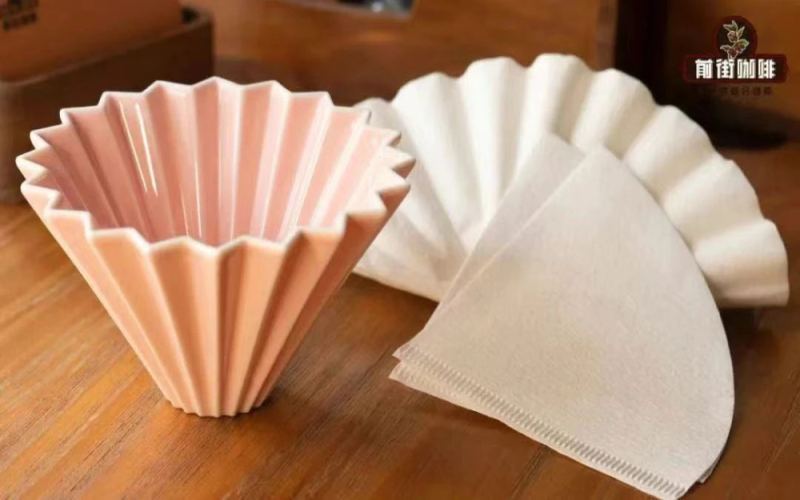
The Diverse Uses of Filter Paper in Coffee Brewing: An Analysis of Filtration Needs for Cold Brew, Ice Drip, Espresso, and Moka Pot
Can filter paper only be used for pour-over? In fact, in cold brew, ice drip, espresso, and even moka pot brewing, filter paper also plays an important role, just with different functions emphasized. This article compiles the practical experience of Front Street Coffee and explains one by one the specific uses of filter paper in different extraction methods: why cold brew needs secondary filtration, what roles the upper and lower filter papers in an ice drip brewer each play, what changes adding filter paper above the puck or at the bottom of the portafilter basket brings to espresso, whether a moka pot should use filter paper, and the correct approach to using filter paper to filter coffee grounds. Whether you are just starting out or want to refine your technique, you can find practical reference solutions here. [more…]
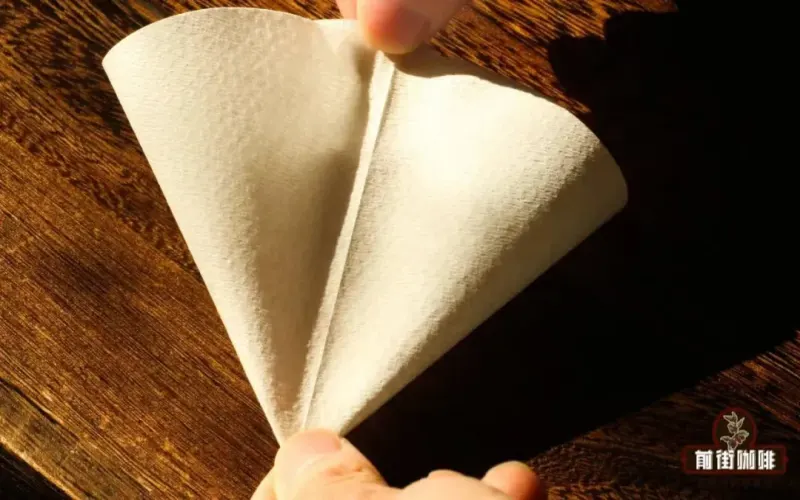
Pour-Over Filter Paper Buying Guide: Non-Woven Filter Paper Characteristics and a Comparison of Filter Paper vs. Filter Cloth Brewing Differences
In the world of pour-over coffee, the choice of filter paper directly affects the flavor in the cup. Filter paper offers outstanding filtration, delivering a clean and bright mouthfeel, but for this very reason it traps some of the coffee oils, making the aroma and body slightly inferior to tools such as metal mesh filters and cloth filters. From the perspective of Front Street, this article takes a deep dive into the composition of coffee oils and crema, explains how the filtration medium affects coffee's aroma and body, and, through a comparative brewing experiment between filter paper and non-woven filter paper, demonstrates the specific differences in flavor performance between the two. If you are struggling to decide which filtration tool to choose, or want to understand the characteristics of non-woven filter paper, this article will provide you with a clear reference. [more…]
Coffee Grind Size Comparison Guide: A Detailed Explanation of Electric Grinder Settings, Particle Diameter, and Brewing Compatibility
Grind size is the key variable that determines the success or failure of coffee extraction, and different brewing devices have significantly different requirements for particle diameter. This article systematically sorts out the corresponding grind settings from French press to espresso machine, introduces the industry-recognized cupping standard and the No. 20 sieve pass rate as calibration references, and provides specific scale references for the EK43s grinder. Whether you prefer immersion or pour-over, you can find suitable grind parameters here. The article also specifically reminds readers that coffee bean density and roast level will affect the actual particle coarseness at the same setting, so it is recommended to repeatedly confirm with the same beans. Several Front Street Coffee beans are also used as examples throughout to help readers understand the logic of grind adjustment more intuitively. [more…]
The Complete Guide to Cold Brew Coffee: From Bean Selection to Filtration—Why Is Your Cold Brew Always Cloudy with Sediment?
Cold brew coffee, with its refreshing and smooth taste brought about by low-temperature extraction, has become increasingly popular among coffee enthusiasts in recent years. All you need is coffee grounds, cold water, an airtight container, and a refrigerator to make it easily at home. However, many people find in practice that their homemade cold brew is never as rich and sweet as what they get at coffee shops, and sometimes it even turns out cloudy with sediment. Drawing on Front Street's practical experience, this article systematically sorts through the bean selection approach, steeping time, coffee bean freshness, stirring technique, and filtration key points for cold brew coffee, helping you identify where the problem lies and make a cup of cold brew coffee with full flavor and a clear texture. [more…]
A Detailed Guide to Cold Brew Coffee Grounds-to-Water Ratio: From Extraction Principles to Post-Filtration Storage Time and Bean Selection
After the arrival of autumn, the midday heat in the south lingers on. In dry weather, drinking pour-over coffee easily makes the throat feel tight, so ice-cold, smooth cold brew coffee has become the first choice for many people. This article focuses on the key points of making cold brew coffee. It first explains what low-temperature extraction is and its flavor characteristics, then gives Front Street Coffee’s commonly used coffee-to-water ratio recommendations—1:13 for drinking straight, and a stronger 1:10 if used for making specialty drinks. Next, using 30 grams of beans as an example, it fully demonstrates grind size, ice water ratio, steeping time, and filtering method, and answers how long it can be stored after filtering: the best drinking period is 2 to 3 days, and it is recommended not to exceed 7 days. Finally, based on roast level and flavor profile, it recommends a number of Front Street Coffee bean options suitable for cold brew, helping you make a clean, full-bodied cup at home. [more…]
A complete illustrated guide from bean selection to filtration: a six-step tutorial for easily making naturally sweet cold brew coffee at home
Cold brew coffee, with its natural sweetness and smooth mouthfeel from natural fermentation, has always had a loyal following, but its often high price tag makes many people hesitate before buying. In fact, making cold brew at home is not as complicated as you might think—all you need is an airtight container, a single-origin bean you like, and room-temperature drinking water. Mix them in proportion, refrigerate for eight hours, then filter through filter paper, and you'll have a clean, clear cup of cold brew. Using Front Street's chosen Costa Rica Mozart 50g, EK43s grinder at 9 setting for iced pour-over grinding, and a 1:12 coffee-to-water ratio as specific parameters, this article demonstrates all six steps in a step-by-step format with photos and text, helping you turn the high price tag into an everyday pleasure within easy reach. [more…]
Comprehensive Comparison of French Press and Pour-Over Coffee: Extraction Principles, Flavor and Mouthfeel, and Equipment Operation Differences Explained in Detail
What exactly is the difference between a French press and pour-over coffee, and which one suits you better? From the perspective of Front Street, this article systematically sorts out the core differences between these two brewing methods. The French press is an immersion-style extraction, simple to operate, with a rich and balanced taste; pour-over is classified as a drip-filter extraction, with distinct layers and greater room for experimentation. The article lists in detail the equipment needed for pour-over, including a grinder, thermometer, dripper, and gooseneck kettle, and gives the specific parameters recommended by Front Street; it also breaks down the four major factors affecting the French press—coffee-to-water ratio, grind size, water temperature, and steeping time. Whether you prefer rich layers or pursue simplicity and efficiency, you can find the answer that suits you. [more…]
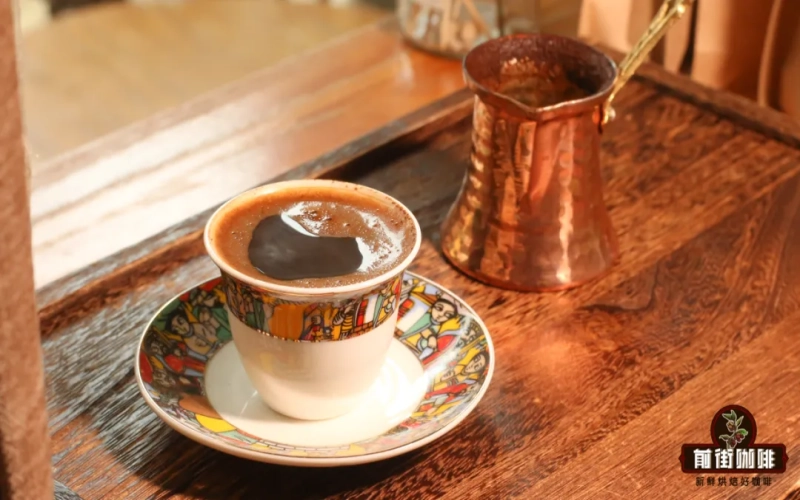
Why does Turkish coffee deliberately retain the coffee grounds? An analysis of the ultra-fine grind and the no-filter tradition
In an era where filter brewing devices are highly popular, Turkish coffee still insists on being consumed with the grounds, powder and all. This is not backwardness or laziness, but rather something shaped jointly by its sand-brewing extraction method, extremely fine grind size, and deep cultural tradition. From the perspective of Front Street, this article explains why Turkish coffee is not filtered: just how fine its grind really is, how it differs from espresso grounds, how the coffee powder quickly settles in a short time and gives the coffee a rich mouthfeel, and the fortune-telling custom that has arisen from keeping the grounds, helping you fully understand the logic behind this unique coffee culture. [more…]
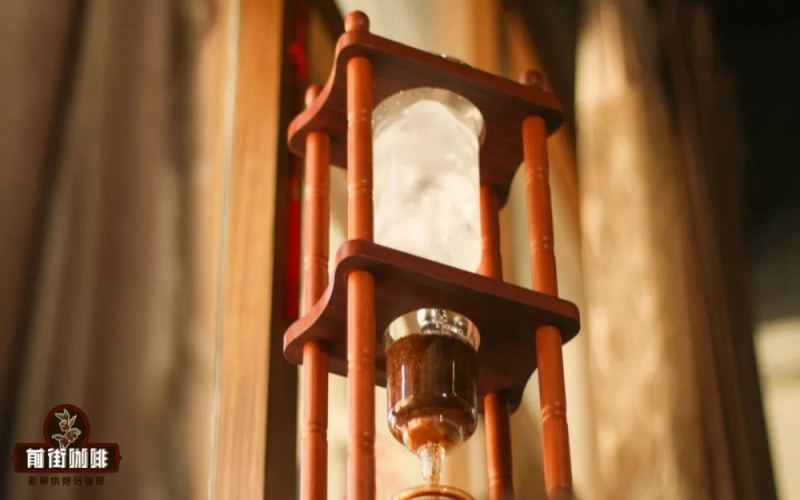
Cold Brew Coffee Making Guide: A Detailed Explanation of 6 Key Steps and Parameters from Bean Selection to Drip Filtration
Cold brew coffee is deeply favored by enthusiasts for its rich, wine-like body and refreshing fruity aroma, but recreating the ideal flavor at home requires precise control over bean selection, grinding, ratio, extraction, and aging. This article systematically outlines the 6 core steps for making cold brew coffee, including suitable roast levels and single-origin bean recommendations, coffee grounds coarseness standards, the golden coffee-to-water ratio, techniques to avoid channeling, optimal drip rate settings, and refrigeration fermentation methods for enhancing flavor. The article specifically includes suggestions for several single-origin beans from Front Street Coffee, such as Bird of Paradise, Queen's Estate Brazil, and Honduras Sherry, to help you create a cup of cold brew coffee that combines bright fruity acidity with fermented depth through slow drip filtration and low-temperature aging. [more…]
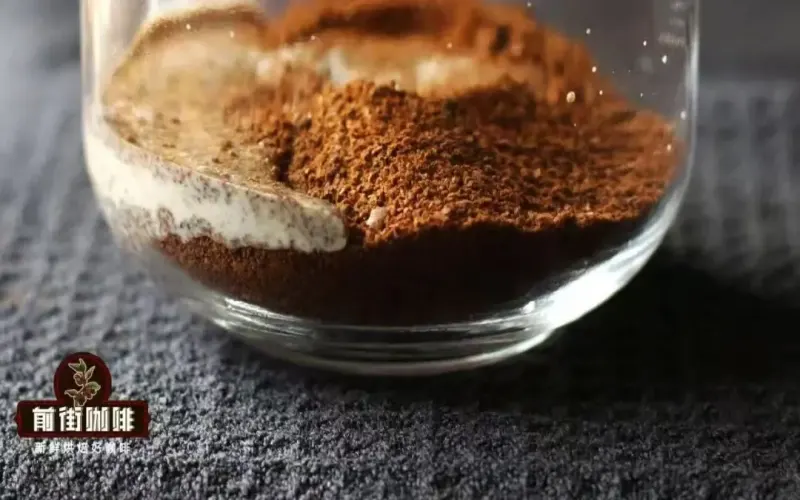
Complete Guide to Making Milk-Brewed Coffee: Food Safety, Coffee Bean Selection, and Filtration Methods Explained
Milk-brewed coffee, which uses milk instead of water to brew coffee by the cold brew method, makes it easy to produce a cup of rich, flavorful milk coffee, and has recently been highly recommended by bloggers. But many enthusiasts still have quite a few misunderstandings and questions about making it. In this article, Front Street will focus on three core points about milk-brewed coffee: first, emphasize food safety—milk easily breeds bacteria, so attention must be paid to sterilizing containers, making small batches, and drinking it promptly; second, explain the choice of coffee beans—because milk extraction efficiency is low, it is recommended to give priority to beans with strong flavors or dark roasts, such as Front Street PWN Golden Mandheling, Front Street Strawberry Candy · Geisha Blend, etc.; finally, analyze the filtration problem—filter paper is too slow, so tools such as tea bags can be used instead, but cleanliness will decline somewhat. The full text aims to help everyone avoid pitfalls and make a delicious cup of milk-brewed coffee. [more…]
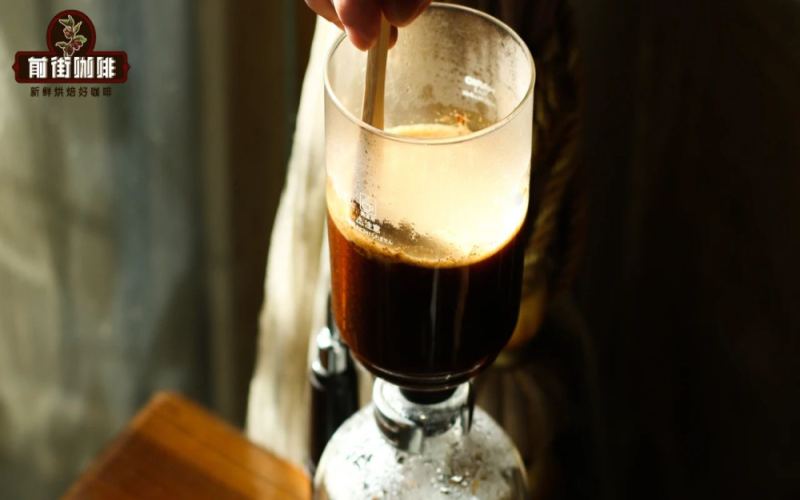
How to Choose the Grind Size for Siphon Coffee? A Detailed Explanation of Flavor Differences in Extraction with Different Grind Sizes
The siphon brewer, with its unique vapor pressure differential and siphon principle, has become a beloved brewing tool for many coffee enthusiasts. But whether the grind should be coarse or fine has always been a puzzling question for many. This article, from the perspective of Front Street, systematically introduces the structure and extraction mechanism of the siphon brewer, and focuses on comparing the effects of different grind sizes on coffee flavor, helping you find the parameters that suit you best in actual practice. Whether you are a beginner just getting to know the siphon brewer or a seasoned hand looking to refine your technique, you will find practical reference here. [more…]