







For more information on coffee origins and coffee knowledge, please followCoffeeHuntersToutiao account
No matter what equipment is used to brew coffee, the coffee beans need to be ground. The purpose of this is to allow the coffee's flavor compounds to dissolve more quickly. Of course, not all soluble substances in coffee are delicious. For this reason, it is very important to determine the coarseness of the coffee particles so as to extract the delicious flavor compounds to the greatest extent while avoiding the release of undesirable flavor compounds.
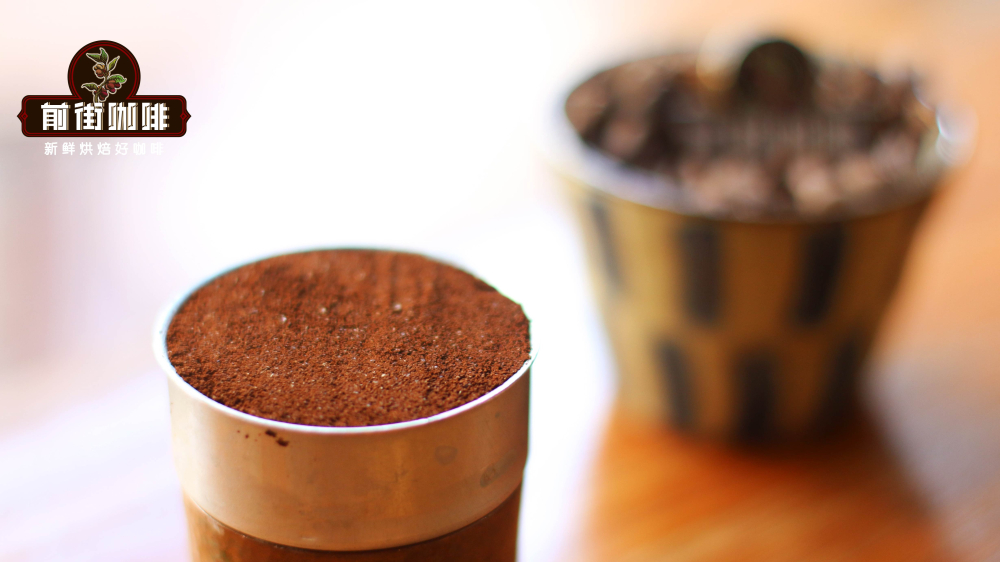
Different coffee equipment requires different coffee grind sizes
Different coffee equipment uses different grind sizes because of differences in their extraction methods. Take the most commonly used methods in daily life—pour-over coffee, French press, espresso machine, and cold brew ice drip—as examples. The coffee grind sizes they use, arranged from coarse to fine, are [French press > pour-over coffee > cold brew ice drip > espresso machine].
Although we understand which types of extraction methods use coarser grinds and which types require finer grinds, we cannot determine exact values—that is, exactly how coarse "coarser" is, exactly how fine "finer" is, and what exactly this "relatively" is being compared with.
Reliable reference standards
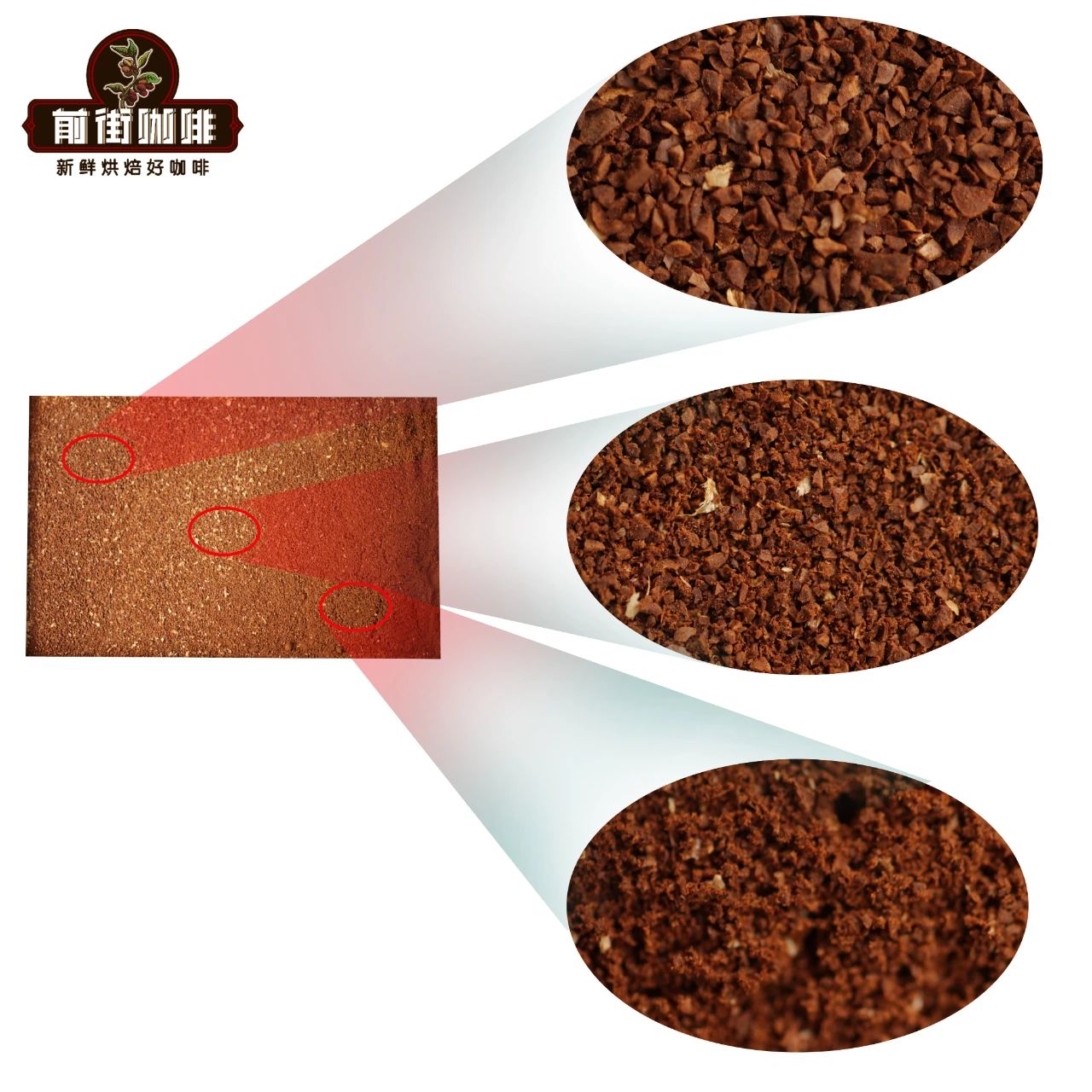
Although various coffee brewing standards each have their own approach, there is one standard recognized throughout the coffee industry, and that is cupping! The original purpose of cupping was to inspect the quality of green coffee beans, so this method naturally has an extraction approach worth adopting. The coffee grind size for cupping is a 70-75% pass rate through a No. 20 sieve.
[Popular science: The aperture of the No. 20 Chinese standard sieve is 0.85 mm. It is a tool used for particle size classification and particle size testing of substances. As long as a standard sieve meets factory standards, it is accurate. Coffee grind calibration is also very simple. Just pour the ground coffee powder into the sieve, cover it with the lid, and shake horizontally until no particles fall through. Then weigh the particles that passed through the sieve. In this way, you can know the degree of grind coarseness. For example, if you grind 20 g of coffee powder and 15.2 g passes through, then this grind size has a 76% pass rate through a No. 20 sieve. The higher the pass rate, the finer the coffee grind.]
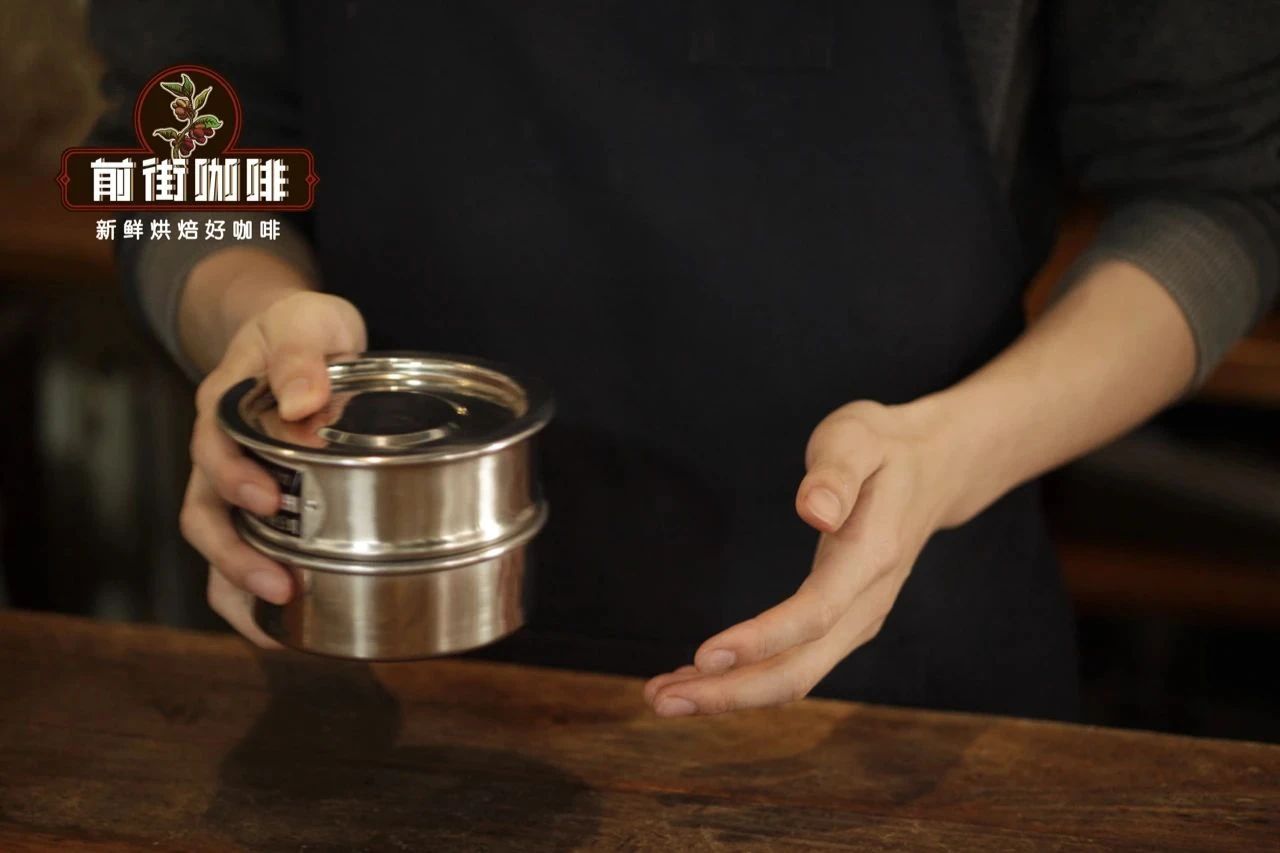
Since cupping can rely on a standard sieve for calibration to determine grind size, the grind sizes corresponding to the coffee brewing equipment we usually use can also be clearly listed with data.
French press (68-75% pass rate through a No. 20 sieve)
The extraction method of a French press is very similar to cupping, mainly based on immersion. Therefore, the grind size selected highly overlaps with that for cupping. There is another reason for choosing coarser ground particles: French press filtration uses a metal filter, and the gaps are visible to the naked eye, so choosing a coarser grind also allows for better filtration. Coffee beans of different roast levels also have different grind coarseness. Medium-light roasted coffee beans can choose a finer grind (72-75% pass rate), while medium-dark roasted coffee beans can be ground coarser (68-71% pass rate).
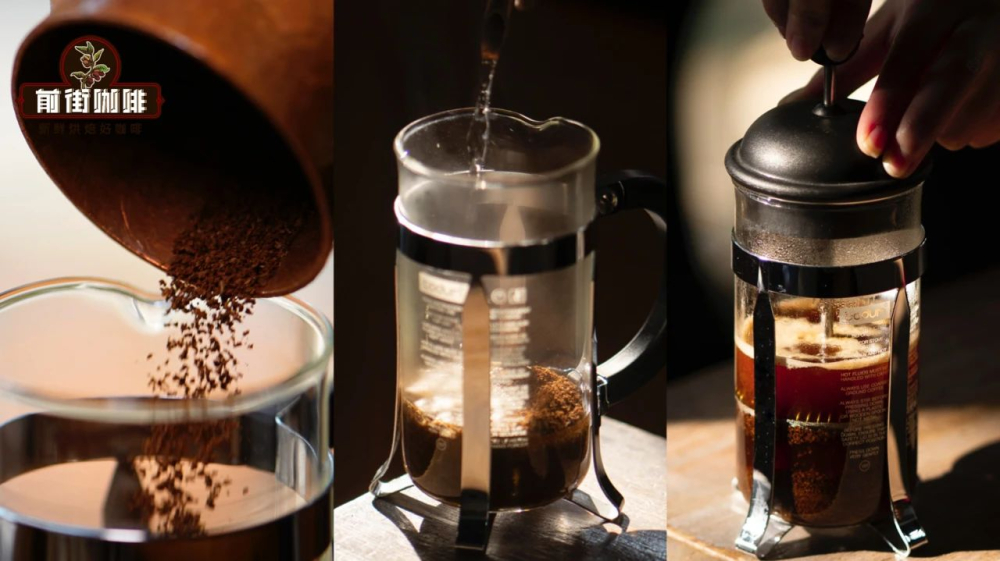
Pour-over coffee (70-80% pass rate through a No. 20 sieve)
Pour-over coffee is mainly drip filtration. Unlike immersion, which takes a long time and easily brews out undesirable flavors, pour-over coffee has a short brewing time, about 1 minute 30 seconds to 2 minutes 30 seconds. Therefore, it needs a finer grind than cupping in order to fully express the coffee's flavor. Likewise, coffee beans of different roast levels require different degrees of coarseness. Medium-light roasted coffee should be ground finer (75-80% pass rate), while medium-dark roasted coffee beans should be ground coarser (70-75% pass rate).

Cold brew ice drip coffee (80-85% pass rate through a No. 20 sieve)
Cold brew ice drip uses cold water for extraction, so its penetration ability is poor and its extraction efficiency is very low. Therefore, the coffee needs to be ground finer. But remember, finer is not always better. Too fine a grind will make cold brew coffee cloudy and also increase the difficulty of filtration; it will cause water to accumulate in the coffee bed of ice drip coffee and prevent it from passing through smoothly. Therefore, a grind size with an 80-85% pass rate through a No. 20 sieve is more suitable. If you want it richer, choose an 85% pass rate; if you want it more refreshing, choose an 80% pass rate.

Note: Because coffee beans differ in density and roast level, even if the same grinder is used at the same setting to grind two coffee beans with greatly different densities, the coarseness of the coffee particles ground at the same setting may not necessarily be the same. For example, when grinding Front Street Yirgacheffe coffee beans with an EK-43s at setting 10, the corresponding sieve pass rate is 80%, while when grinding Colombia Rose Valley at the same setting 10, the sieve pass rate is 75%. Therefore, when you feel that the grind coarseness is not right, it is best to use the same kind of bean to confirm the grind size.

Espresso machine
The grind size used by an espresso machine is very fine, so sieving with a standard sieve is not realistic. The main way to determine the grind size used for espresso is through extraction testing. Coffee shops must calibrate espresso every day before opening, and a large part of that involves adjusting the grind size. Because espresso machines are very sensitive to the coarseness of coffee powder, even a difference of 0.1 grind setting can produce a noticeable difference in extraction time and flavor.

Therefore, to determine the grind size for an espresso machine, a stable espresso extraction recipe is needed. Taking Front Street as an example, Front Street's espresso extraction recipe is 20 g of coffee powder extracting 40 g of coffee liquid in 28 seconds (with a tolerance of plus or minus 1). First fix this extraction recipe, then adjust the grind size to achieve this extraction recipe. After that, decide through tasting the flavor whether fine-tuning of parameters is needed.
The above content is compiled by CoffeeHunters, a coffee news website.


