








What Grind Size Does a Coffee Enthusiast Use for Siphon?
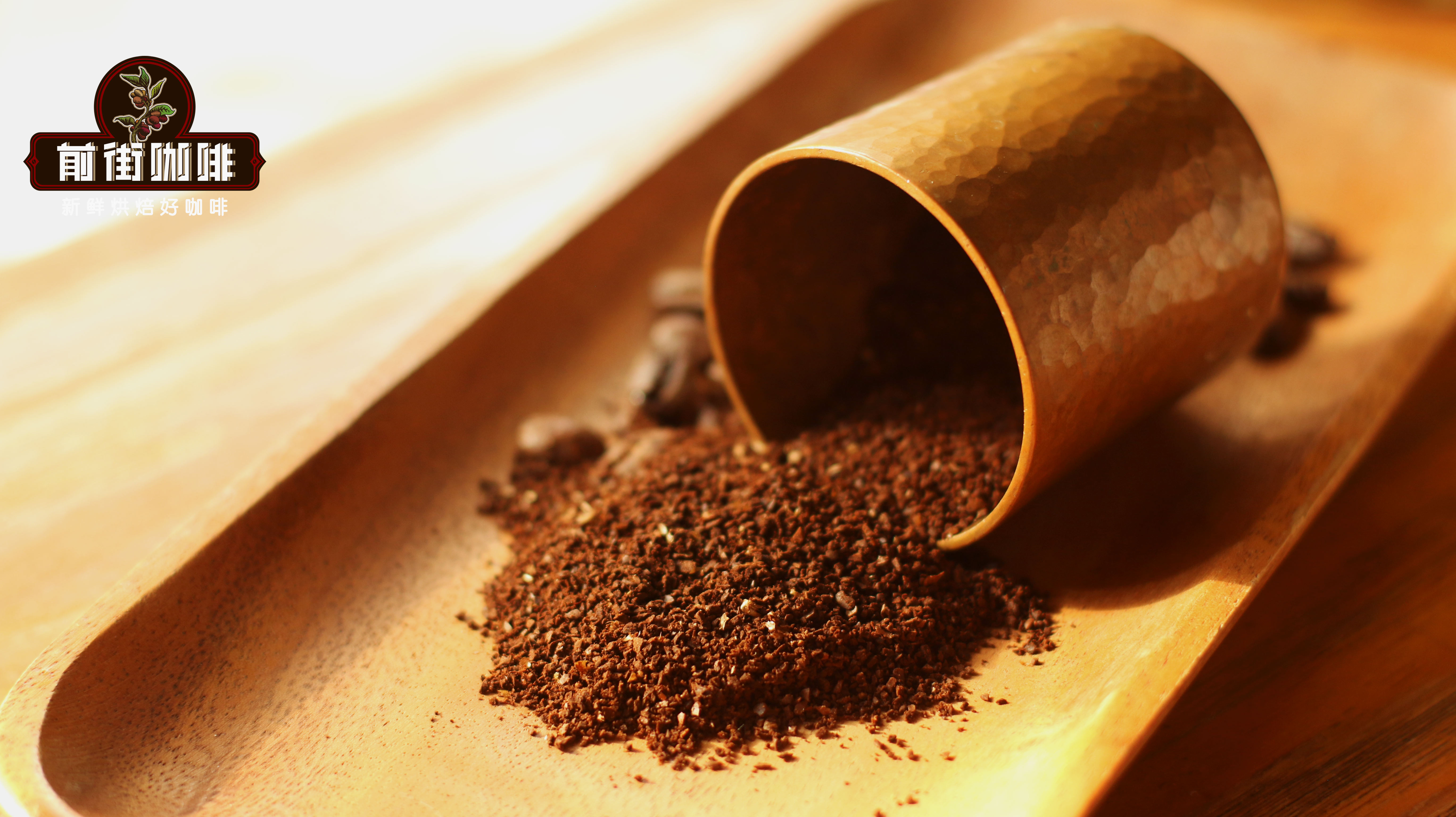
Siphon coffee usually calls for a medium grind, slightly coarser than pour-over and finer than French press. The brewer uses steam pressure and the siphon effect to move water between the lower and upper chambers, so the contact time and the filter type set the extraction window. Too fine a grind slows the drawdown and adds bitterness; too coarse leaves the cup thin and underdeveloped.
The device first appeared in Europe, with the trademark registered by Frenchwoman Marie Fanny Amelne Massot, and its spherical lower chamber is shaped to heat evenly. A cloth or metal filter wrapped over the disc also affects flow, so many coffee enthusiasts adjust grind one step at a time and taste the difference before locking in a setting.
With its unique vapor pressure differential and siphon principle, the siphon brewer has become a beloved brewing tool for many coffee enthusiasts. But whether the grind should be coarse or fine has always been a puzzle for many. From the perspective of Front Street, this article systematically introduces the structure and extraction mechanism of the siphon brewer, and focuses on comparing the effects of different grind sizes on coffee flavor, helping you find the parameters that suit you best in actual practice. Whether you are a beginner just getting to know the siphon brewer or a veteran looking to refine your technique, you will find practical reference here.

The siphon brewer's appearance closely resembles laboratory apparatus, and it relies on pressure changes generated by steam combined with the siphon effect to complete coffee extraction. This device first appeared in Europe, with the trademark registration held by Frenchwoman Marie Fanny Amelne Massot. Its iconic spherical shape established the siphon brewer's classic status in the coffee world, and it is still widely used by coffee enthusiasts around the globe today. Today, Front Street will start with the extraction principle of the siphon brewer and guide everyone through a comprehensive understanding of this charming coffee device.
Introduction to the Siphon Brewer
The siphon brewer gets its name precisely because it uses the siphon principle, relying on the pressure differential created by temperature differences to drive the extraction process.
Siphon Brewer Structure External Construction :
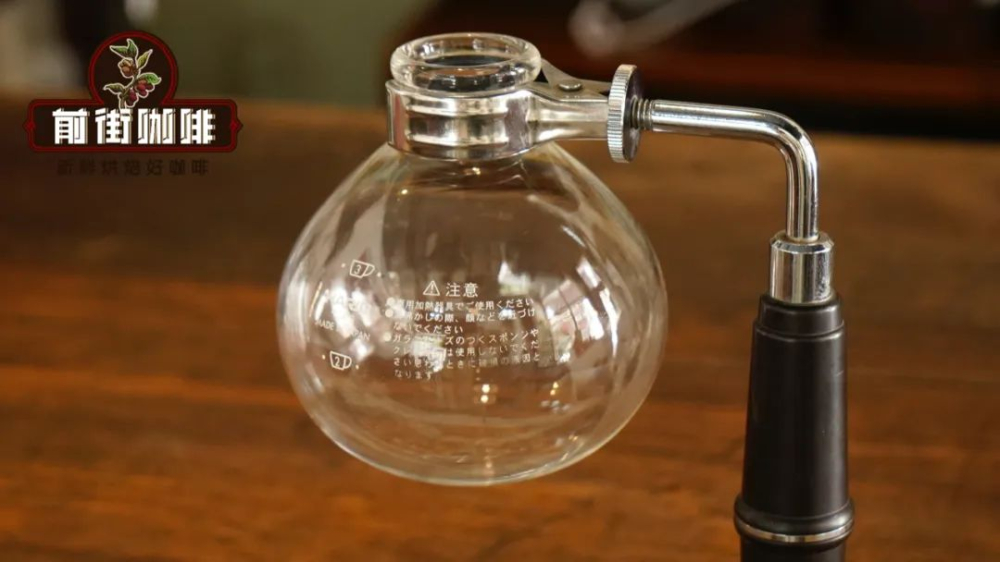
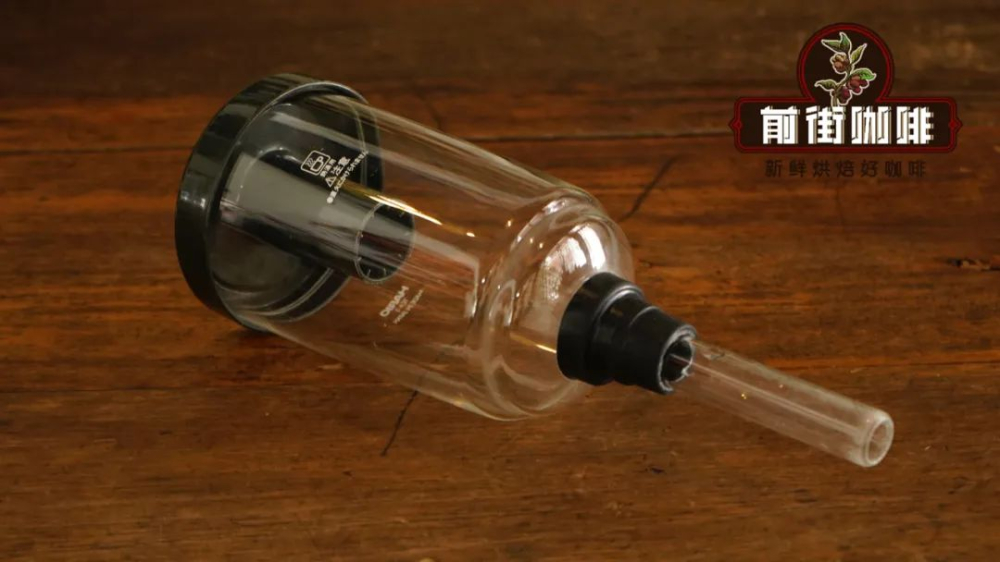
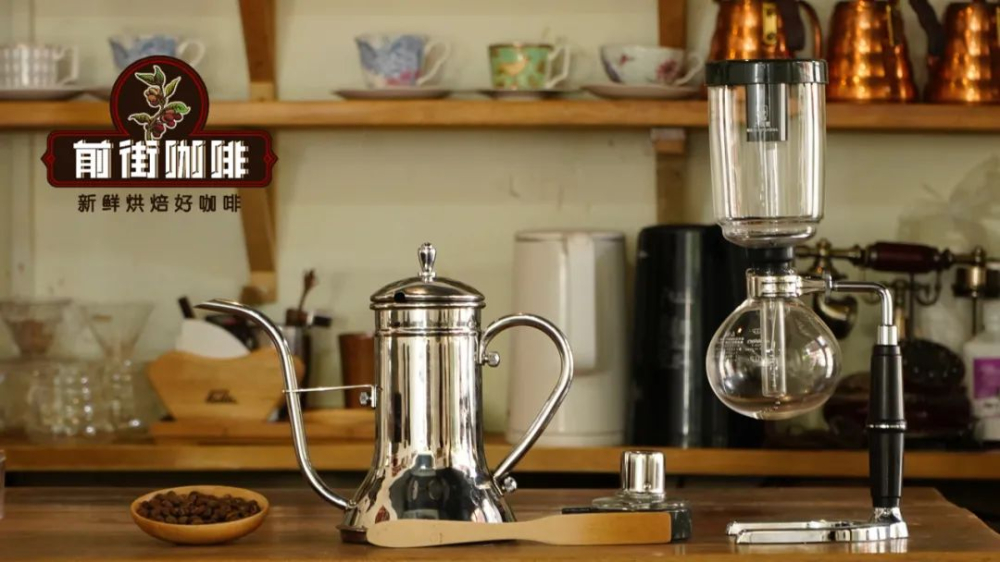
The siphon brewer consists of three main parts: the upper chamber, the lower chamber, and the stand. The stand's role is to secure the lower chamber and keep it suspended; the lower chamber is basically spherical, designed this way to allow more even heating during the process; the upper chamber is cylindrical, with a narrowed bottom that extends into a slender tube, the tube diameter becoming narrower toward the bottom, with a rubber gasket at the connection point providing a seal.
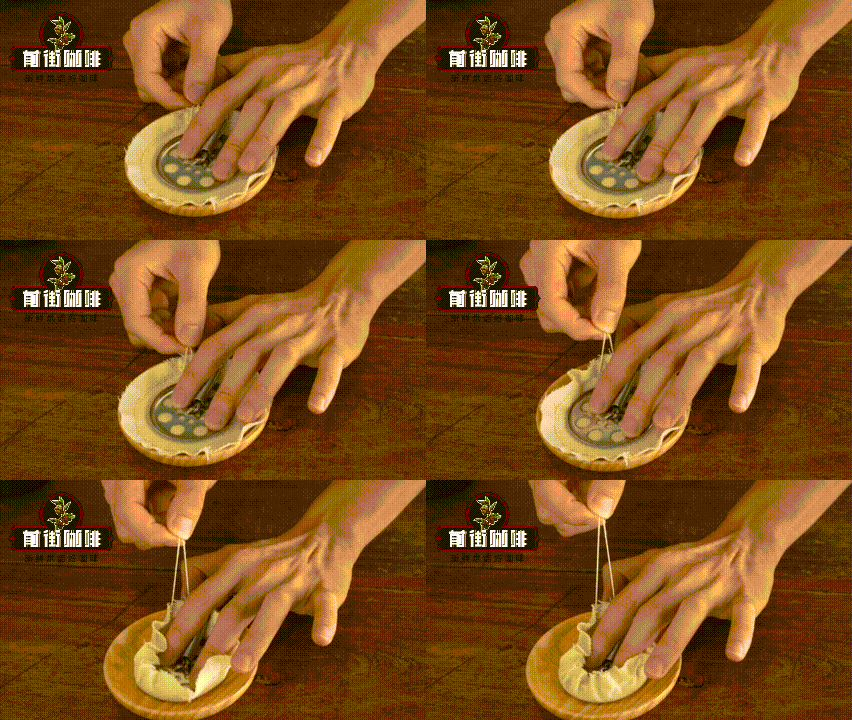
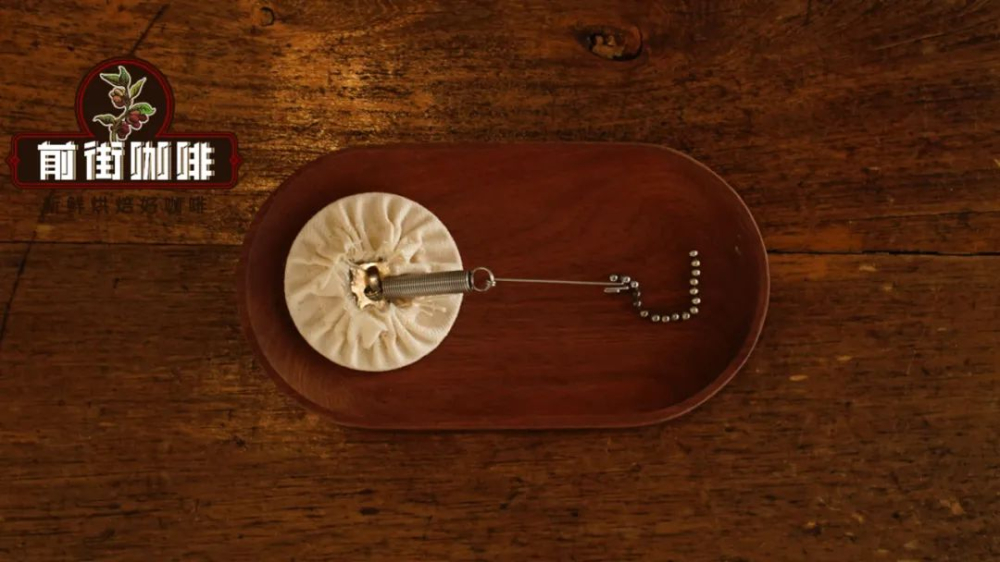
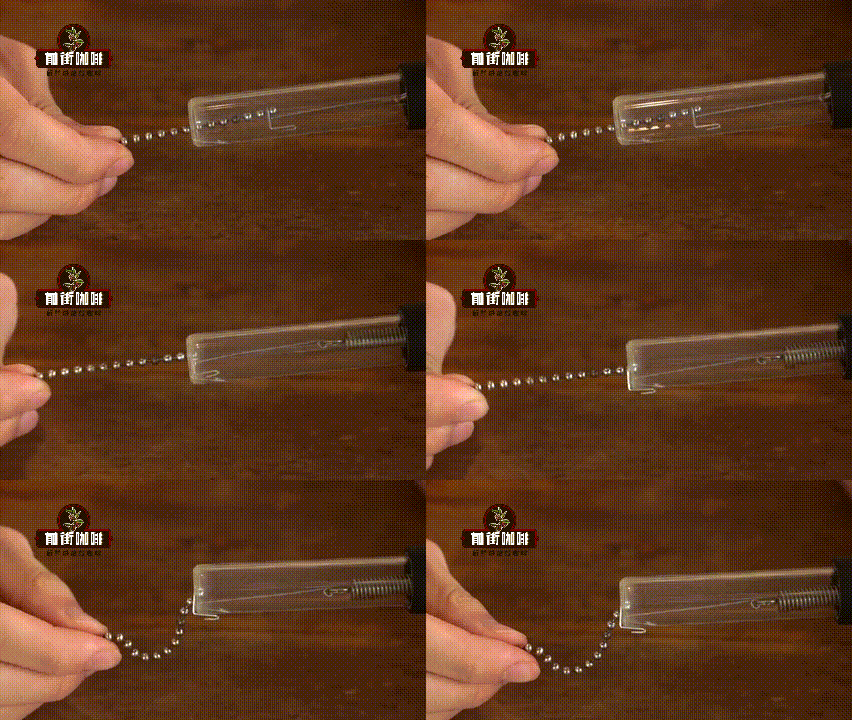
Filtration System: If you don't want a mouthful of coffee grounds, you can't do without a filtration device when brewing. The siphon brewer's filter consists of a circular metal disc and a chain with a spring. Before use, you need to wrap filter material around the metal disc, most commonly a specially cut flannel filter cloth. Tighten the strings on both sides of the cloth to wrap it around the metal disc (pull tight, tie a knot, and trim excess string), and a complete filtration system is assembled. Then simply place it inside the upper chamber.
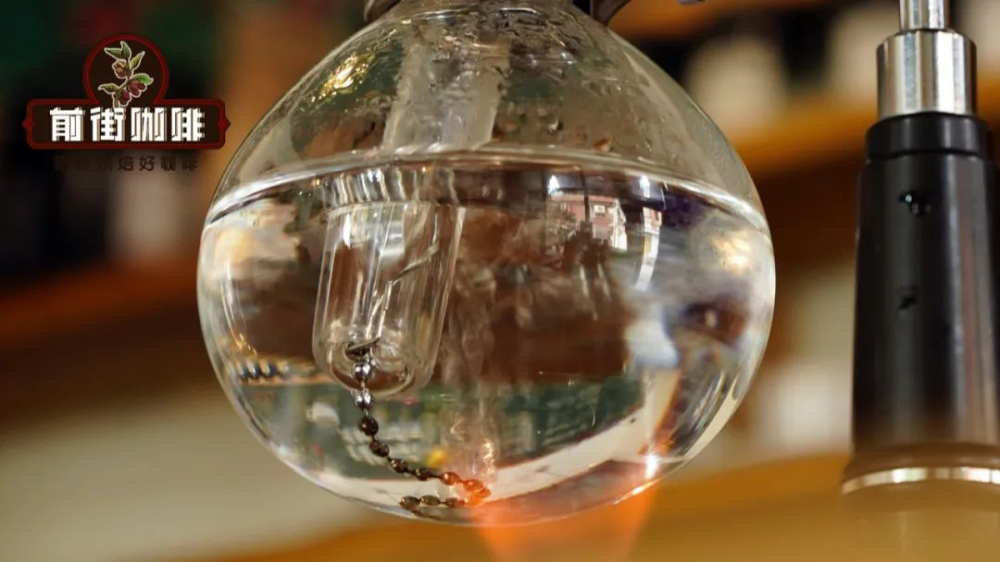
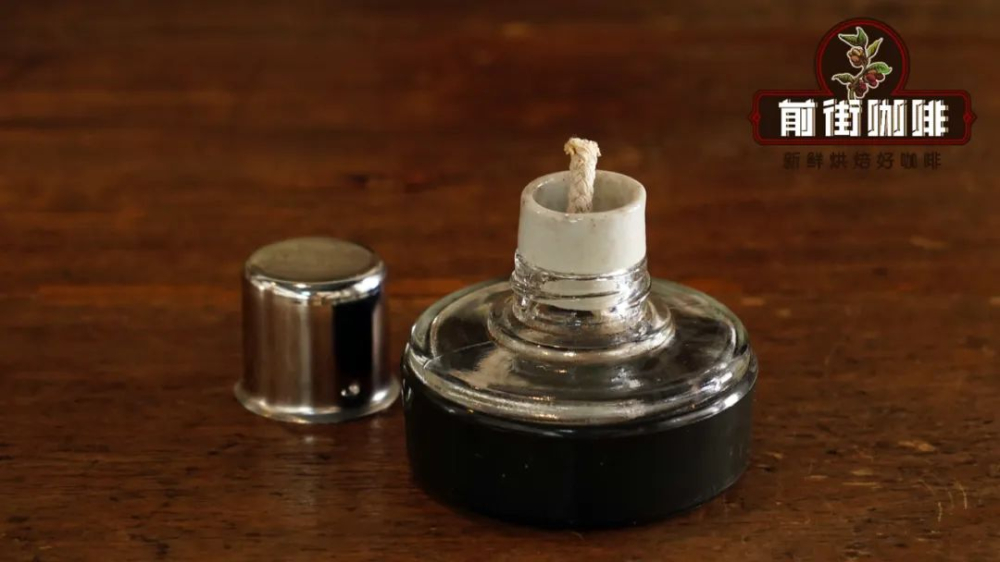
Step Three: Wipe the lower chamber dry, then ignite the heat source (drying the lower chamber prevents the chamber from cracking during heating).


The above content is compiled by CoffeeHunters, a coffee news website.


