







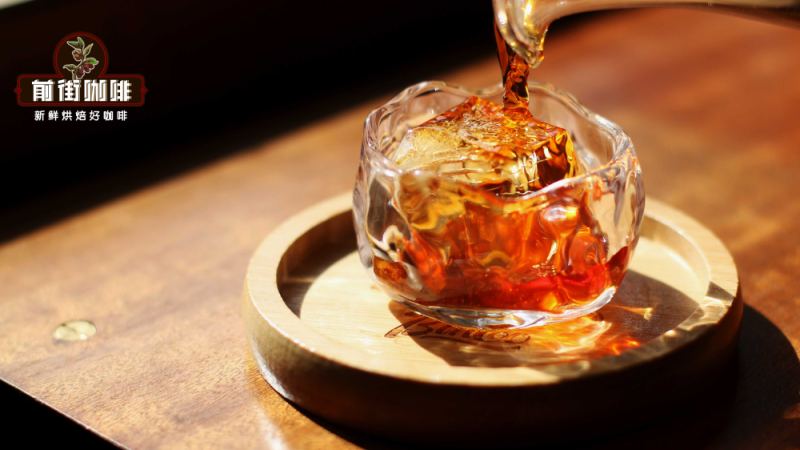
Cold Brew Coffee: Ratios, Storage, and Bean Choices
Cold brew coffee uses low-temperature extraction to produce a smooth, aromatic drink with full body. A common starting ratio is 1:13 coffee to water, which yields a balanced concentrate ready to drink. For specialty drinks or adding milk, increase strength to 1:10. Using 30 grams of beans, adjust grind size, ice water, and resting time to match your taste and equipment.
After filtering, store cold brew in a sealed container in the refrigerator. a reliable drinking window is 2 to 3 days, and it should not exceed 7 days to avoid flavor loss. When selecting beans, consider roast level and flavor profile. A blend coffee works well for balance, while single-origin options can highlight fruity or chocolate notes. Street coffee styles often inspire bold, sweet profiles suitable for cold brew.
After the arrival of autumn, the midday heat in the south still lingers. In dry weather, drinking pour-over coffee easily makes the throat feel tight, so chilled, smooth cold brew coffee has become the first choice for many people. This article focuses on the key points of making cold brew coffee. It first explains what low-temperature extraction is and its flavor characteristics, then gives Front Street Coffee's commonly used coffee-to-water ratio recommendations—1:13 for drinking directly, and increasing the concentration to 1:10 if used for making specialty drinks. Then, using 30 grams of beans as an example, it fully demonstrates grind size, ice water ratio, resting time, and filtering method, and answers how long it can be stored after filtering: the best drinking period is 2 to 3 days, and it is recommended not to exceed 7 days. Finally, based on roast level and flavor profile, it recommends several Front Street Coffee bean options suitable for cold brew, helping you make a clean, full cup at home.
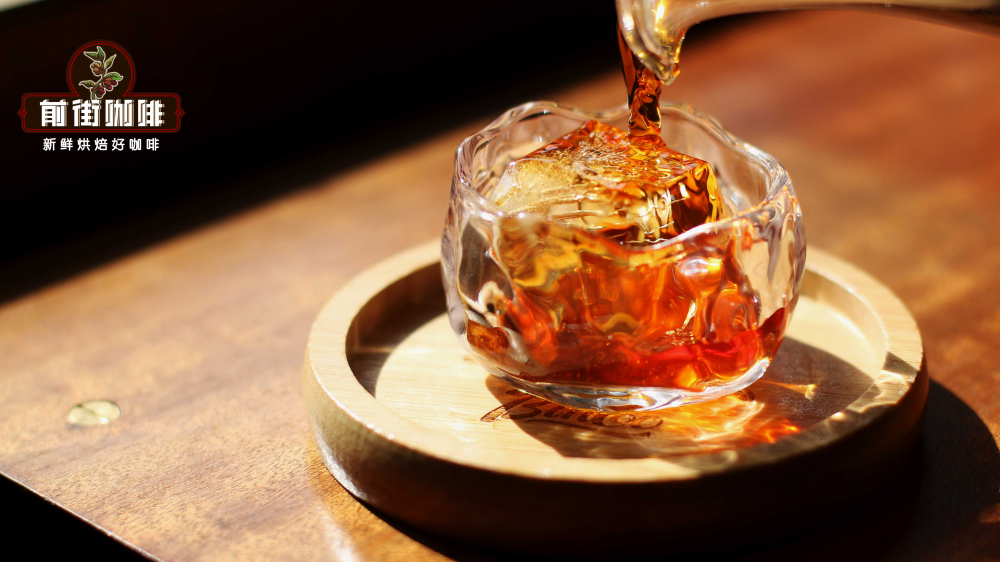
Autumn is gradually deepening, and the summer heat has finally begun to fade, but in many places in the south, the midday sun is still hot enough to make people burn. In this dry season, when brewing pour-over coffee, the throat often feels dry and scratchy, so iced cold brew coffee has naturally become many people's go-to choice for late summer. People often come to ask: how much coffee powder and how much water should be used for cold brew? Are there suitable beans to recommend? Don't worry, below Front Street Coffee will systematically discuss several key details in making cold brew coffee.
What is cold brew coffee?
Cold brew coffee relies on long soaking in a low-temperature environment to complete extraction. Because the temperature is low, the bitter components in the coffee grounds do not easily come out, while the sour and sweet substances are released relatively completely during the long soak. The result is that the finished product has concentrated aroma, full acidity and sweetness, a smooth entry, and satisfying body.
The coffee-to-water ratio for making cold brew coffee
Front Street Coffee generally recommends setting the coffee-to-water ratio for cold brew at 1:13. The coffee liquid made at this ratio has just the right concentration, does not need to be diluted with water, and is very comfortable to drink directly. Of course, some people like to add milk or soda water, or even use it as a base for fancy drinks, in which case the concentration needs to be increased. Front Street Coffee's recommendation for cold brew used for such specialty drinks is 1:10.
How to make cold brew coffee?
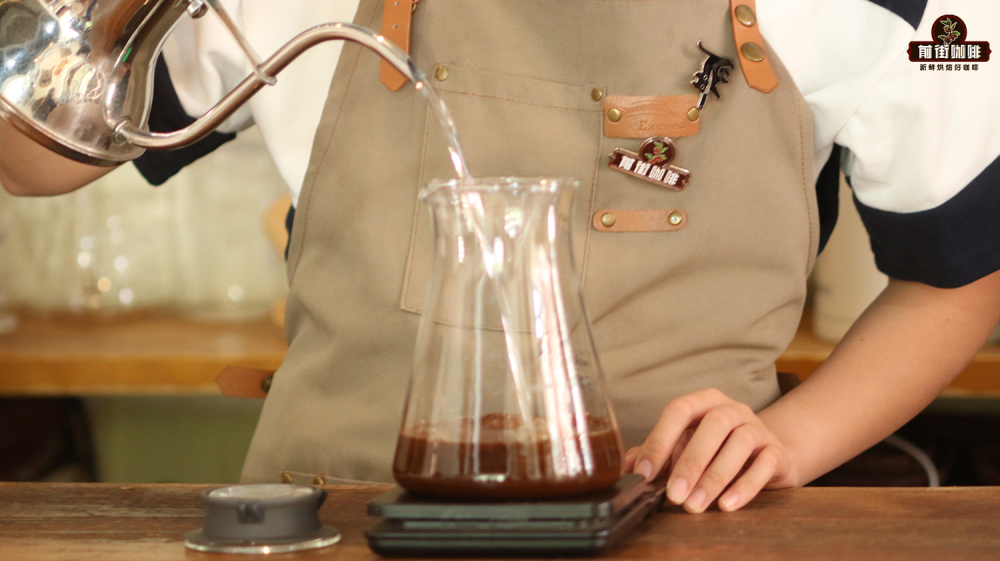
Taking the 1:13 coffee-to-water ratio as an example, Front Street Coffee uses 30 grams of coffee beans, with the grind size controlled so that about 80% to 85% passes through a 0.85 mm standard sieve, that is, a medium-fine grind. "It should be noted that low-temperature extraction can indeed reduce the release of bitter substances, but that does not mean they will not appear at all. If the grind is too fine, after the sour and sweet substances are quickly taken out, the full-bodied substances will also be released in large amounts. An appropriate amount of full-bodied components can enhance the coffee's texture, but once it is steeped too long, woody flavors will emerge, and the cleanliness of the whole cup will be lowered."
Pour the ground coffee into a clean, oil-free sealed container, then add 150 grams of ice cubes and 240 milliliters of purified water, cover and shake gently a few times so the coffee grounds and ice water mix fully, then put it in the refrigerator and let it sit for 12 to 24 hours. After soaking, filter out the coffee grounds with filter paper or a fine mesh strainer, and it is ready to drink.
How long can cold brew coffee be stored after filtering?
Theoretically speaking, the longer cold brew is left, the stronger the fermented aroma becomes. But over-fermentation will make the coffee lose its original flavor outline. If you do not quite accept a too-obvious fermented note, Front Street Coffee does not recommend leaving it for a long time without careful consideration. The best flavor window for cold brew is 2 to 3 days after filtering out the grounds, and the recommended storage limit should not exceed 7 days.
Coffee bean recommendations suitable for making cold brew coffee
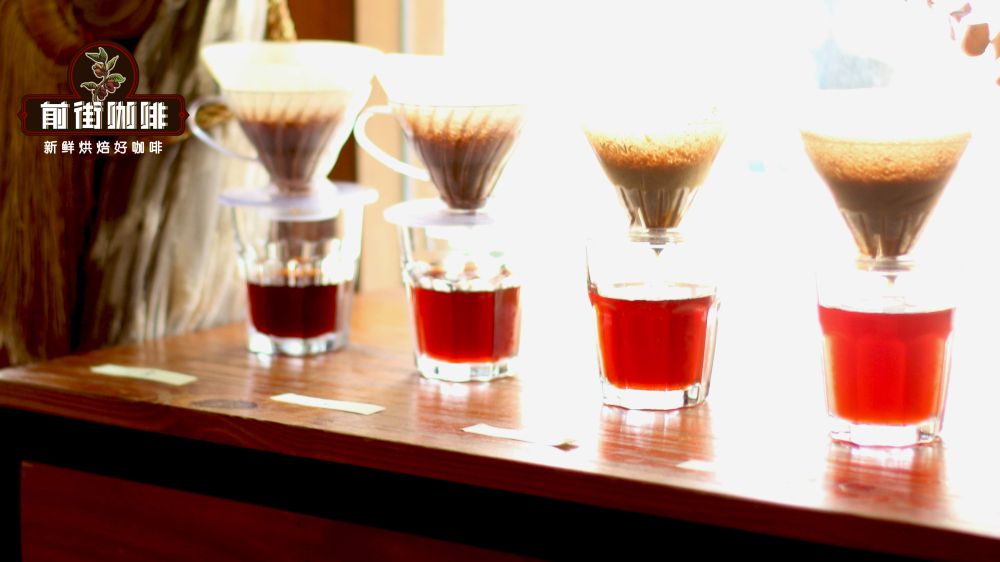
Low-temperature extraction does not easily bring out full-bodied substances, so medium-dark roasted beans often seem thin when used for cold brew, lacking substance and body. Therefore, Front Street Coffee is more inclined to recommend beans with medium-light or medium roast and outstanding acidity, sweetness, or aroma performance.
The cold brew made with FrontStreet Coffee Ethiopia Natural Red Cherry coffee beans has a full composite fruit juice feel and a tea-like sensation similar to black tea;
The cold brew made with FrontStreet Coffee Panama Butterfly Geisha Blend coffee beans presents citrus-like acidity, white floral notes, and a green tea sensation;
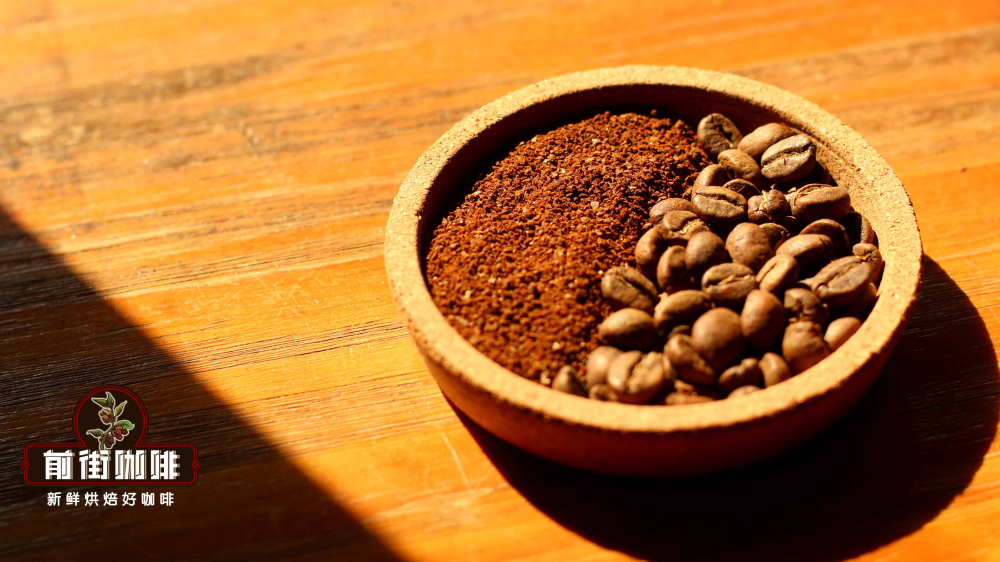
The cold brew made with FrontStreet Coffee Costa Rica Musician Series Mozart coffee beans has raisin aroma, a clear fermented note, and a solid, full-bodied mouthfeel;
In addition to the above few, when making this kind of low-temperature extraction, Front Street Coffee prioritizes beans with floral and fruity flavors. If you prefer floral aromas, you can look at Front Street Coffee Huakui Coffee and Front Street Coffee Fruit Ding Ding Coffee; if you want a more obvious fruit juice feel, it is recommended to choose fruit-forward beans with rich fruit notes such as Front Street Coffee Strawberry Candy Coffee, Front Street Coffee Little Tomato Coffee, and Front Street Coffee Xizhua Coffee. All of the above can be ordered from Front Street Coffee's Tmall flagship store or Front Street Coffee's Taobao store.
The above content is compiled by CoffeeHunters, a coffee news website.


