







Search Results for: Espresso Brewing Method
Which Brewing Method Should You Choose for Freshly Ground Coffee Beans? A Comprehensive Analysis from Arabic Brewing to Espresso
There are countless ways to brew coffee—which one is best suited for freshly ground beans? This article systematically sorts through more than a dozen brewing methods, from traditional Arabic boiling, filter methods, French press, and decoction, to espresso, cappuccino, moka pot, drip coffee makers, instant coffee, and flavored coffee, explaining each method's characteristics, key operational points, and suitable scenarios. Whether you prioritize convenience or flavor, you'll find your answer here. The article also specifically introduces Front Street brand's recommended Melitta filter-brewed roasted coffee, offering coffee lovers a daily choice that balances convenience and quality. [more…]
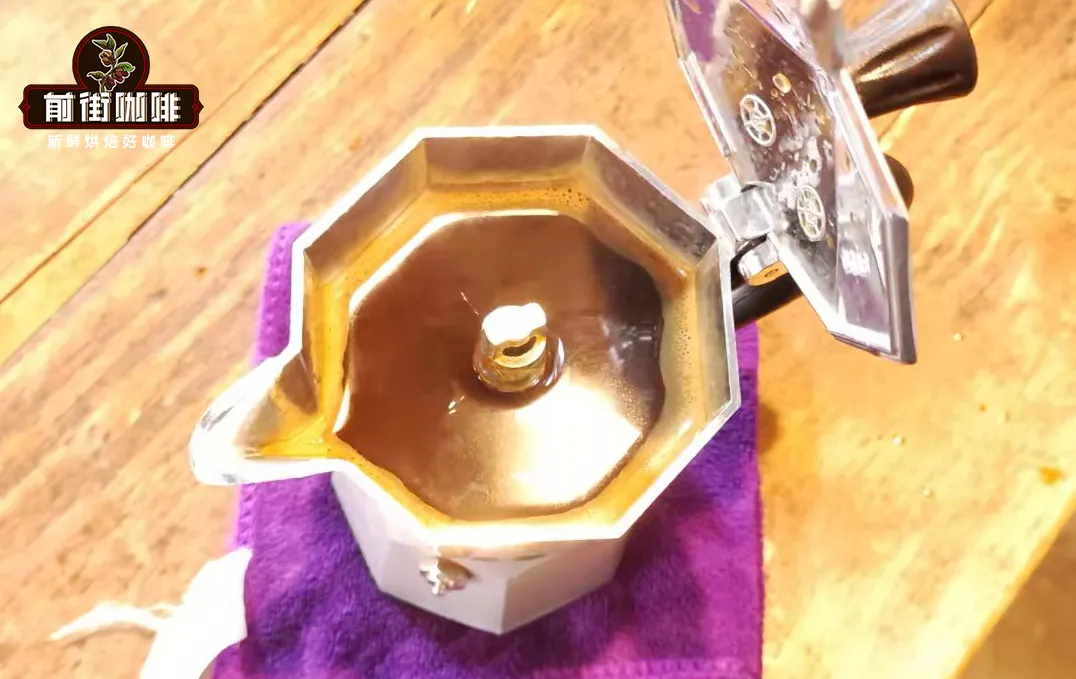
Types of Black Coffee Brewing Methods | What Are the Extraction Principles of Pour-Over and Espresso? How Do Drip Coffee, Immersion Coffee, and Boiled Coffee Differ?
There are quite a few types of coffee. Some people like instant coffee, some like pour-over, and others like cold brew. Coffee made with different methods has its own characteristics—some has a layered mouthfeel with distinct flavors, while some is convenient to brew. You can choose according to your own preferences. Pour-over [more…]
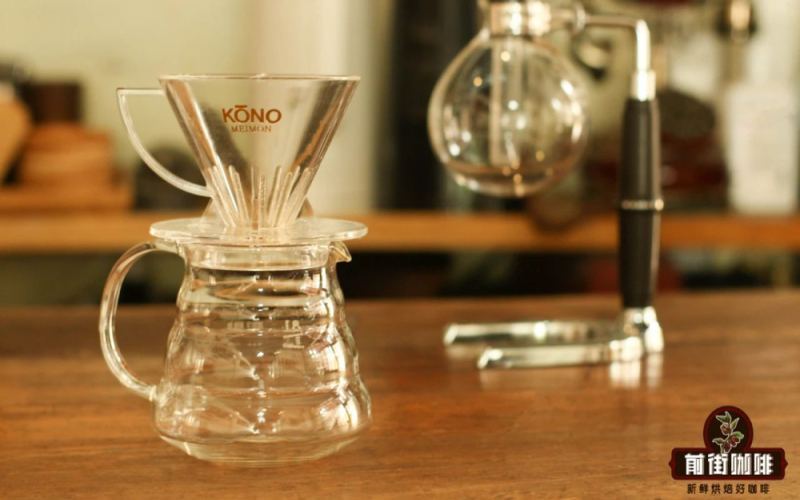
What exactly is drip coffee? A comprehensive analysis of drip coffee's characteristics, extraction methods, and brewing key points
In the world of coffee, brewing methods are incredibly diverse—instant, pour-over, and cold brew each have their own followers, and different methods deliver vastly different flavor experiences. Among the many extraction methods, drip coffee is the most common and easiest to master, and pour-over coffee is the most representative member of the drip family. This article will systematically outline the definition of drip coffee, its differences from and connections to pour-over coffee, and further introduce common extraction methods such as espresso, immersion, and decoction, while comparing the taste characteristics and suitable scenarios of different brewing methods to help coffee lovers find the cup that suits them best. [more…]
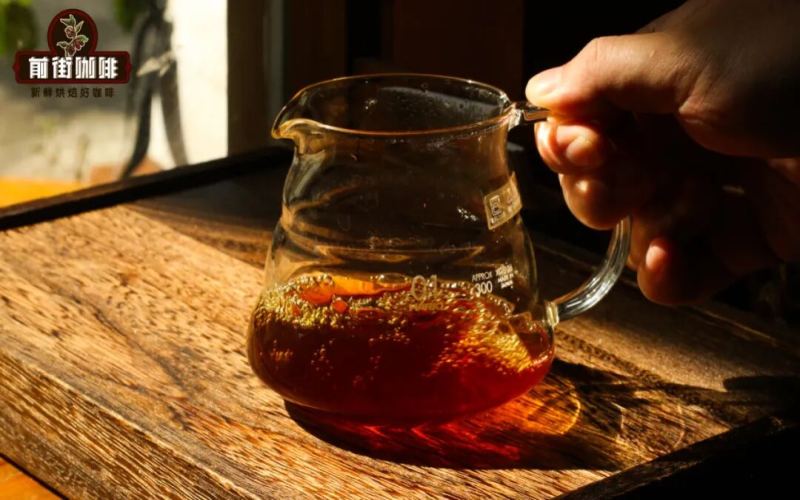
Coffee Brewing | What are the common coffee bean brewing methods, what are their characteristics, and which brewing method is suitable for coffee novices to learn on their own?
Coffee is one of the most popular beverages in the world. "Coffee" refers to any drink made from roasted coffee beans, which of course includes espresso and cold brew. There are many kinds of coffee—some people like instant, some like pour-over, and others like cold brew. Different methods [more…]
A Complete Analysis of Six Coffee Extraction Methods: Brewing Principles and Practical Tips from Pour-Over to Espresso
Extraction is the core step that determines the success or failure of a cup of coffee's flavor. Whether it's pour-over drip, espresso, or French press, different equipment corresponds to截然不同的 extraction modes. This article will systematically sort out six mainstream coffee extraction methods—immersion, decoction, percolation, pour-over drip, vacuum filtration, and pressurized extraction—and deeply break down the operational details of pour-over and espresso. From the principles of dissolution and diffusion after coffee beans are ground, to Espresso's extraction pressure, time, and water temperature parameters, and then to the formation of Crema and the golden extraction standard, it helps you understand how each variable affects the final flavor. At the same time, combined with the practical experience of Front Street Coffee, it provides coffee enthusiasts with actionable brewing ideas and adjustment directions. [more…]
A Breakdown of Espresso, Americano, Drip, and Immersion Coffee Terminology, with a Discussion of the Essential Differences Between Three-Stage and One-Stage Brewing Methods
The world of coffee is full of specialized terminology, and seemingly similar names often represent completely different concepts. Espresso, Americano, drip coffee—these words ending in "-style" sometimes refer to a drink, sometimes to a brewing method, and sometimes to a general category of coffee. Meanwhile, "three-pour" and "one-pour" have nothing to do with the coffee itself; they describe brewing techniques. This article breaks down these easily confused terms one by one to help those new to coffee sort things out, and also includes Front Street Coffee's bean selection recommendations for different scenarios. [more…]
What's the Difference Between Americano and Espresso? A Comprehensive Analysis from Taste and Ratio to Extraction Method
American coffee and espresso are two distinctly different styles of coffee, each made with an American coffee machine and an espresso machine respectively. The two differ noticeably in taste, strength, cup size, and brewing method. Espresso is based on a concentrated shot, with a rich flavor, pronounced bitterness, and a small serving size; American coffee, on the other hand, pursues simplicity and speed, with a lighter taste and a larger cup volume. Understanding these differences can help coffee enthusiasts choose the coffee that suits their personal preferences. This article will compare American coffee and espresso in detail across three dimensions—taste, ratio, and brewing method—and introduce common espresso-based derivative drinks. [more…]
A Detailed Explanation of Six Coffee Extraction Methods: Comparing the Extraction Process and Characteristics of Pour-Over Drip and Espresso
Extraction is the core stage that determines the flavor expression of a cup of coffee. Whether it is pour-over drip, espresso, or any other brewing method, it is closely tied to the principles of extraction. This article systematically sorts through six common coffee extraction methods—immersion, decoction, percolation, pour-over drip, vacuum filtration, and pressurized extraction—and focuses on analyzing the extraction process, key parameters, and operational details of pour-over coffee and Espresso. At the same time, the article also introduces key points for choosing espresso grinders and coffee machines, as well as practical concepts such as Crema and golden extraction. Whether you are a beginner just getting into coffee or an enthusiast hoping to refine your brewing skills, you will find something worth referencing here. Front Street Coffee also provides related product and brand recommendations in the article for readers to consult when making purchases. [more…]
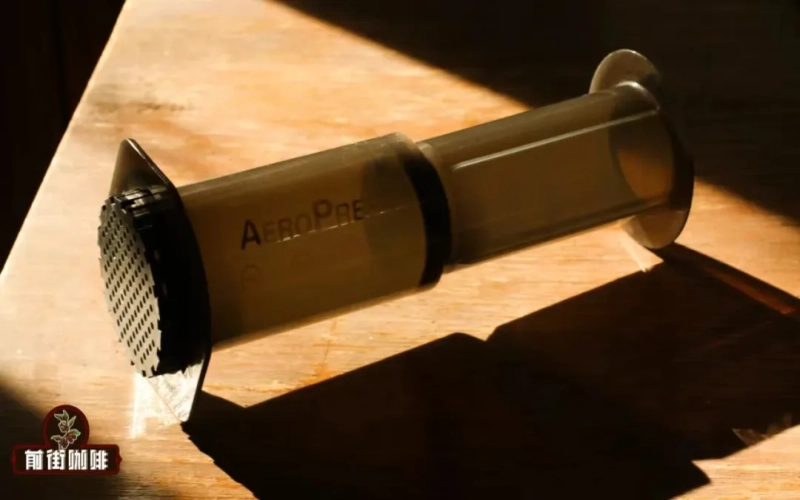
The Complete AeroPress Guide: Origins, Equipment Features, Brewing Steps, and Key Points for Making Espresso
Since its invention in 2005, the AeroPress has quickly become a popular device among coffee enthusiasts thanks to its unique extraction method and portability. Invented by Alan Adler, it is simple to operate yet capable of delivering rich flavors. This article will guide you through the AeroPress's origins, its features, detailed usage steps, and a focused analysis of key considerations when making espresso. It also incorporates Front Street Coffee's recommended products and practical tips, offering valuable reference for both beginners and seasoned users. [more…]
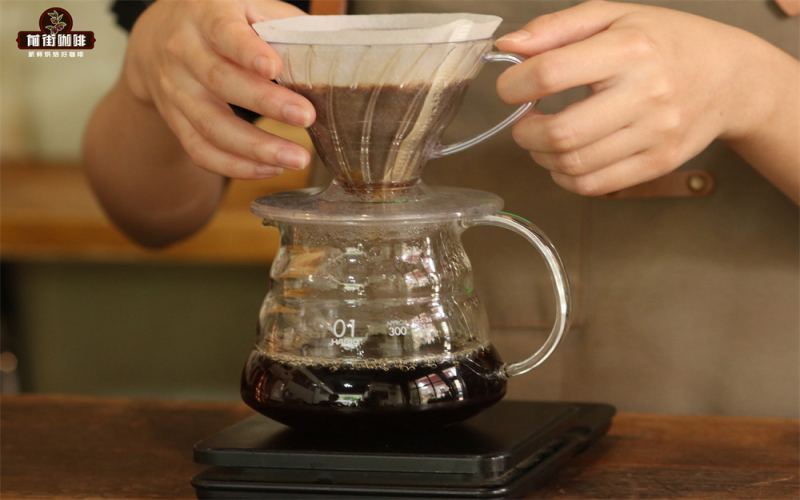
A Comprehensive Guide to Drip Coffee: Extraction Principles and Flavor Characteristics from Pour-Over to American Drip Machines
In the world of coffee, brewing methods are incredibly diverse. Thanks to its simple operation and clean flavor profile, the drip method has become the most common brewing choice in offices and homes. This article will systematically sort out the definition of drip coffee, its similarities and differences with pour-over coffee, and how it compares with espresso, immersion, and decoction extraction methods, while also explaining practical points such as water temperature control and equipment selection in detail. The article also combines Front Street Coffee's brewing experience to recommend suitable water temperatures and dripper types for beans of different roast levels, helping coffee lovers find their own cup of good flavor in daily brewing. [more…]
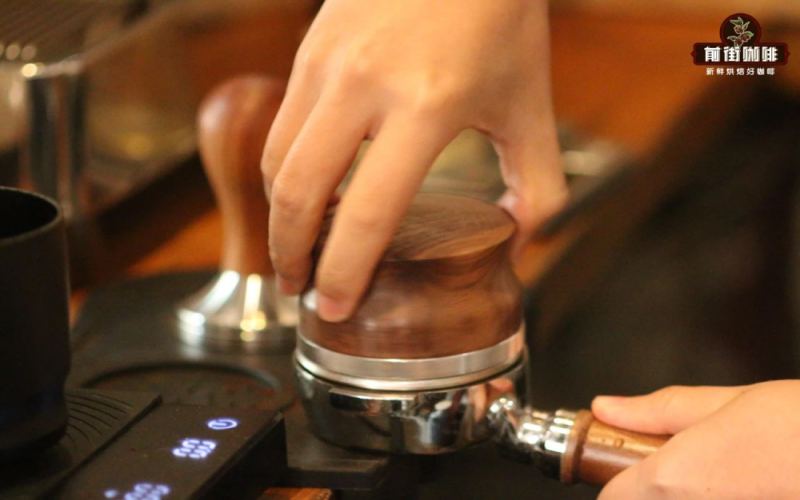
Espresso Brewing Basics | How Can Coffee Beginners Make Espresso? What Are the Steps in the Standard Espresso Brewing Process?
As public demand for coffee grows, more and more coffee enthusiasts are buying related coffee equipment. In the third wave of specialty coffee, online sales of pour-over coffee equipment have been steadily rising, and it is also becoming increasingly common for coffee lovers to keep an espresso machine at home. However, [more…]
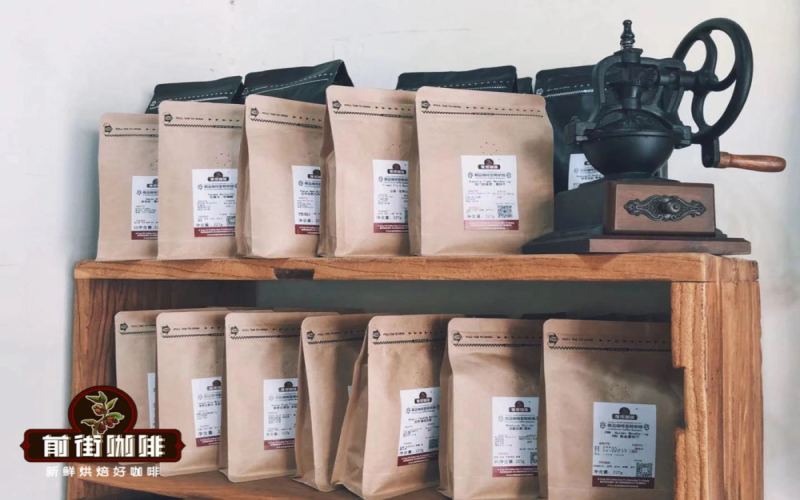
Moka Pot Coffee Bean Buying Guide: From Working Principle to Brewing Method and Five Front Street Bean Recommendations
For enthusiasts who don't have an espresso machine at home, the moka pot is the most common alternative. It's simple to use—just add water and coffee grounds, then heat it up. However, there are clear differences between the moka pot and espresso machines in terms of extraction pressure, crema, and coffee strength, which determines that it's better suited to specific types of coffee beans. This article will outline the invention background and structural principles of the moka pot, analyze the pros and cons of brewing coffee with it, and focus on recommending five Front Street Coffee beans suitable for the moka pot, including Golden Mandheling, Brazil Queen's Estate, Classic Italian Blend, Strawberry Candy Italian Blend, and Colombia Huila, to help readers find a choice that suits their taste. [more…]
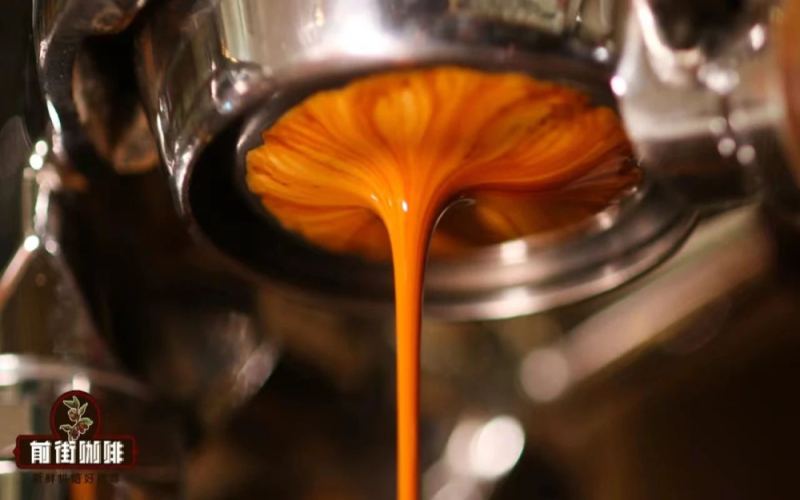
SOE Single-Origin Espresso vs. Blended Espresso: Brewing Parameters, Flavor Profile, and Preparation Explained
In specialty coffee drinks, espresso is the foundation that determines flavor. In recent years, SOE (Single Origin Espresso) made from single-origin coffee beans has gradually become popular. It differs noticeably from traditional blended espresso in bean selection, roast level, extraction parameters, and flavor expression. This article will start from the definition of SOE, compare the characteristics of blended coffee beans, analyze why SOE has become popular, and use the washed Front Street Gedingding beans from Ethiopia's Yirgacheffe region as an example to fully demonstrate the production process and extraction parameters of a cup of SOE espresso, while also providing a flavor description to help coffee enthusiasts fully understand this brewing method. [more…]
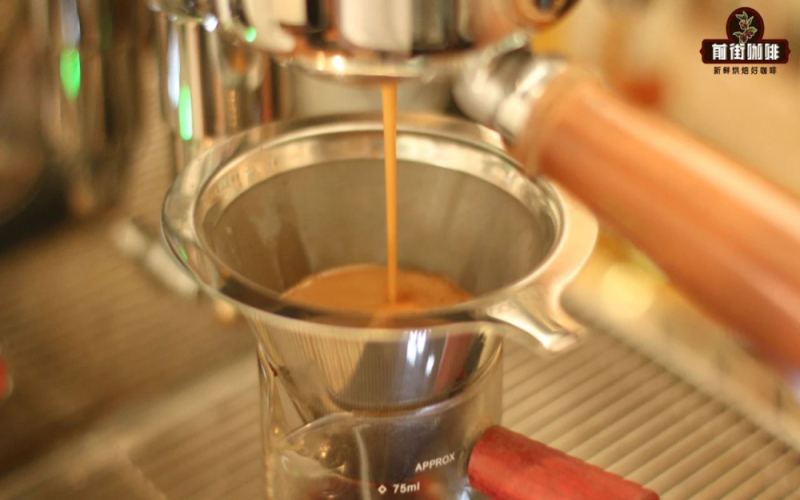
How does Italian-style espresso blend coffee differ from Sumatra Mandheling? A full analysis of flavor characteristics and brewing key points
Walking into a coffee shop, you will often see espresso and Mandheling coffee listed side by side on the menu. Under the former, there are usually further subdivided options such as latte, cappuccino, and americano, while the latter is usually presented independently. What exactly is the difference between these two kinds of coffee? Is it a difference in coffee bean varieties, or a difference in brewing methods? This article will start with the composition and extraction principles of espresso blends, then take a deeper look at the origin background, flavor characteristics, and historical origins of Front Street Mandheling, and finally sort out the key points of roasting, grinding, and brewing single-origin Mandheling, to help coffee lovers clarify the essential difference between the two. [more…]
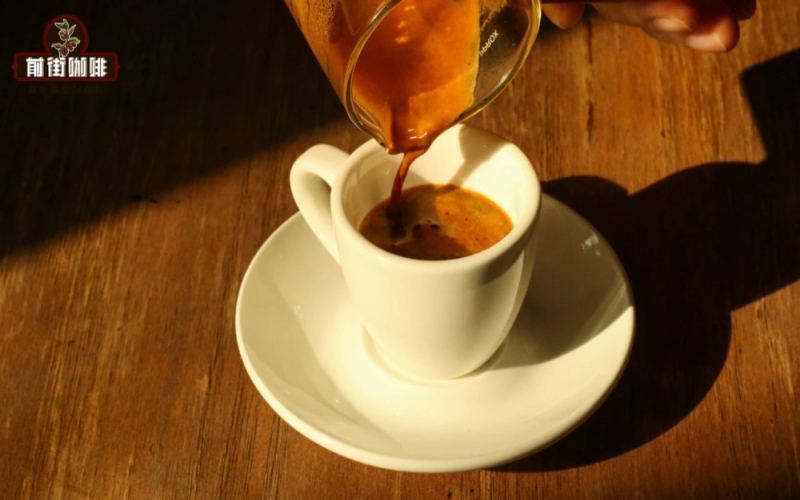
Analysis of Mandheling Single-Origin Coffee Flavor Characteristics, Differences from Espresso, and Key Brewing Points for Golden Mandheling
Mantenin and espresso are often compared side by side, but the two actually belong to different coffee systems. Espresso emphasizes speed and intensity of flavor, while single-origin coffee focuses more on origin culture and nuanced flavors, and the history of single-origin coffee predates that of espresso. Mantenin comes from Indonesia and, through the wet-hulling process, develops a distinctive style that is low in acidity, thick in body, and carries notes of herbs and aged wood. Front Street PWN Golden Mandheling is regarded as a representative of Indonesian specialty coffee. This article will sort out the essential differences between single-origin and espresso, introduce the origin of the name Mantenin and the characteristics of its processing method, and include the pour-over brewing parameters and flavor description for Front Street Golden Mandheling. [more…]

A Complete Guide to Ristretto: Meaning, Extraction Principles, and Comparison of Two Brewing Methods
Among the many espresso drinks, the Flat White has won over a large following with its rich, sweet, and creamy taste, and its soul base is precisely the Ristretto—a niche coffee often translated as "extra-concentrated" or "ristretto shot." It shares the same origin as regular Espresso, yet due to the "restrictions" of its extraction method, it presents a completely different flavor profile. Opinions on how to make a Ristretto vary widely online, leaving many beginners confused. This article, from the perspective of Front Street Coffee, will systematically sort out the definition of Ristretto, its unique place in the espresso family, the choice of coffee beans suitable for making it, and the two currently mainstream extraction approaches, to help you truly understand the logic behind this shot of espresso and find the method that best suits you or your café. [more…]

Types of Black Coffee | What is Japanese-style Coffee? What Are the Japanese Coffee Brewing Methods? What Are the Differences Between Japanese-style and Italian-style Coffee?
Coffee is a beloved beverage all over the world and the most popular drink globally. When it comes to dedication to coffee, Japan undoubtedly stands out, because Japan's coffee culture has a very long history, and Japanese coffee craftsmen are also highly dedicated. As another mainstream representative, [more…]

The Exclusive Espresso Base for Flat White: Definition, Extraction Principles, and a Detailed Guide to Two Brewing Methods
The reason why a flat white differs from a latte and a cappuccino lies not only in its delicate, thin microfoam, but more crucially in its base—Ristretto. However, opinions on the web about how to make a Ristretto vary widely, leaving many newcomers baffled. This article, from the perspective of Front Street, systematically sorts out what exactly a Ristretto is, its relationship with Espresso, and the two mainstream approaches to making it: one is to directly limit the yield and extract only the front and middle segments; the other is to adjust the grind finer and control the flow rate to build up concentration. The article will also analyze the pros and cons of each method, and why most coffee shops ultimately choose the former. [more…]
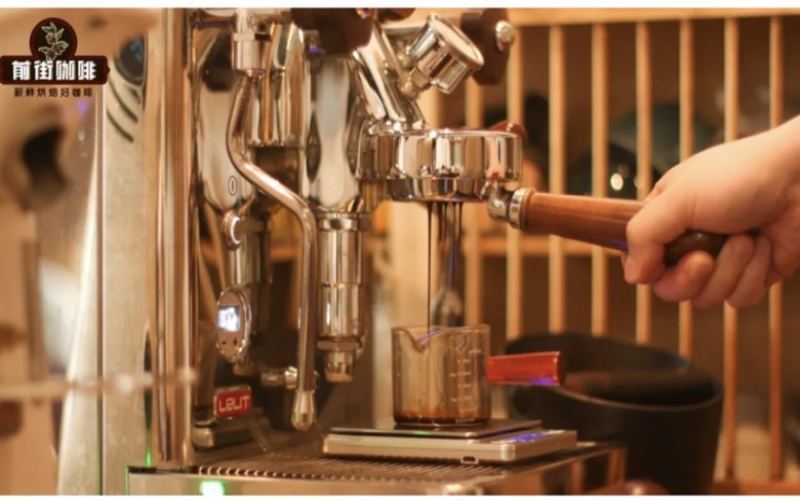
Build Your Home Coffee Bean Library by Brewing Method
Many people have only one bag of beans at home—they use it for espresso, they use it for lattes, and they still use it for americanos. This one-size-fits-all approach isn't necessarily wrong, but if you want to bring out layers of flavor in home espresso drinks, building a bean library based on drinking methods is a smarter approach. The logic behind dividing a bean library by drinking method is simple: different coffee drinks [more…]
What's the difference between Japanese pour-over and espresso? A comprehensive comparison from brewing methods to coffee culture
Coffee is one of the most beloved beverages in the world, and Japan and Italy have each developed distinctly different coffee systems. Japanese-style coffee is known for extremely dark roasts and gentle, delicate pouring techniques; the Kono style, Matsuya style, and volcano style each have their own characteristics, all designed around how to extract rich, deep-roasted flavors. Italian-style coffee, on the other hand, began at the port of Venice in the 16th century, and through improvements such as the steam machine and the lever machine, eventually pushed espresso to the world and made it the core of the modern coffee system. Today, Front Street Coffee takes you through brewing methods, historical origins, and drinking habits to comprehensively sort out the characteristics and differences of these two major schools. [more…]