







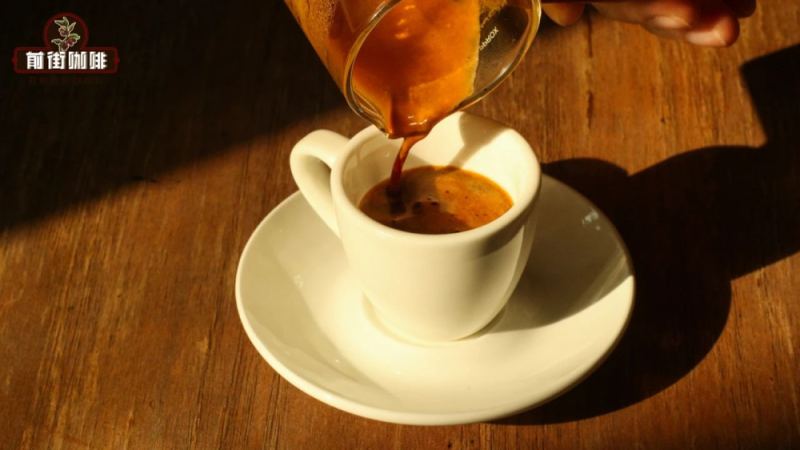
What makes Golden Mandheling coffee taste different?
Golden Mandheling coffee comes from Indonesia and is known for low acidity, a thick body, and notes of herbs and driftwood, a style shaped by the wet-hulling process. It is a single-origin coffee, not an espresso style, and it can also be pulled as an SOE that becomes an Americano when diluted with water.
Single-origin coffee such as Mandheling actually predates espresso and focuses on origin character rather than speed and intensity. Espresso usually relies on blended beans, sometimes including Mandheling with Brazilian coffee and a small amount of Robusta, producing butter, nut, spice, and dark chocolate notes. Pour-over brewing brings out the herbal, woody side of Golden Mandheling.
Mandheling and espresso are often compared side by side, but in fact they belong to two different coffee systems. Espresso emphasizes speed and intensity, while single-origin coffee focuses more on origin culture and delicate flavors—and single-origin coffee actually predates espresso. Mandheling comes from Indonesia and, thanks to the wet-hulling process, develops a distinctive style that is low in acidity, thick in body, and carries notes of herbs and driftwood. Front Street PWN Golden Mandheling is regarded as a standout among Indonesian specialty coffees. This article will sort out the essential differences between single-origin and espresso, introduce the origin of the name Mandheling and the characteristics of its processing method, and include the pour-over brewing parameters and flavor description for Front Street Golden Mandheling.
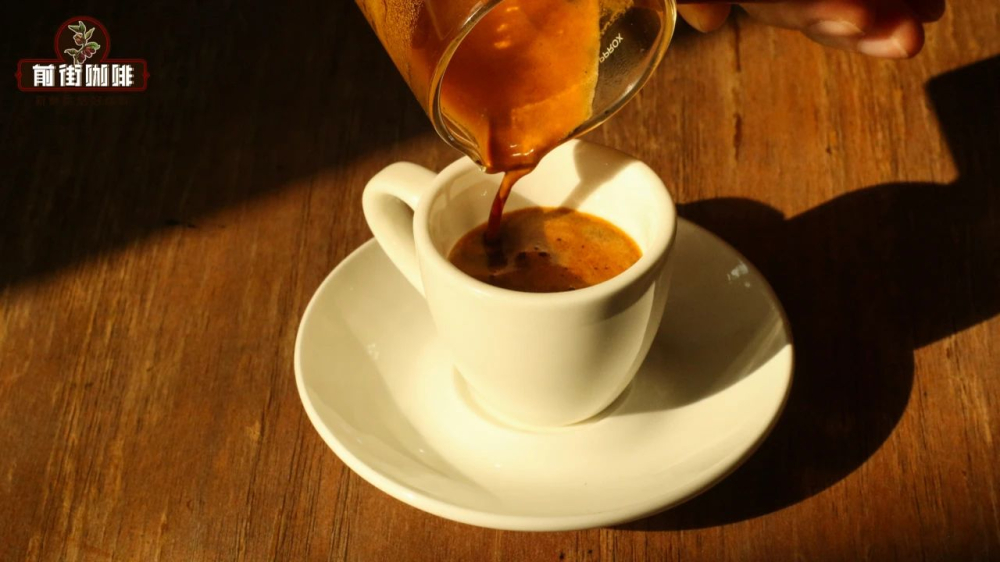
Since we're going to talk about the comparison between Mandheling and espresso, Front Street first needs to make the fundamental differences between single-origin coffee and espresso clear.
From a certain angle, these two types of coffee can be compared to fast coffee and slow coffee. Espresso pursues convenience and speed, with a stronger impact on the palate; single-origin coffee is more like Chinese tea culture, where what you savor is the terroir and charm of the origin. In fact, single-origin coffee appeared earlier than espresso.
Espresso, put simply, is Italian concentrated coffee, named after its place of origin, so it isn't complicated to understand. It is both a cultural symbol and one of the products of the Industrial Revolution. In the 18th century, the Second Industrial Revolution began, the age of steam arrived, steam engines came into widespread use, and the first generation of steam coffee machines was born—thus espresso came into being.
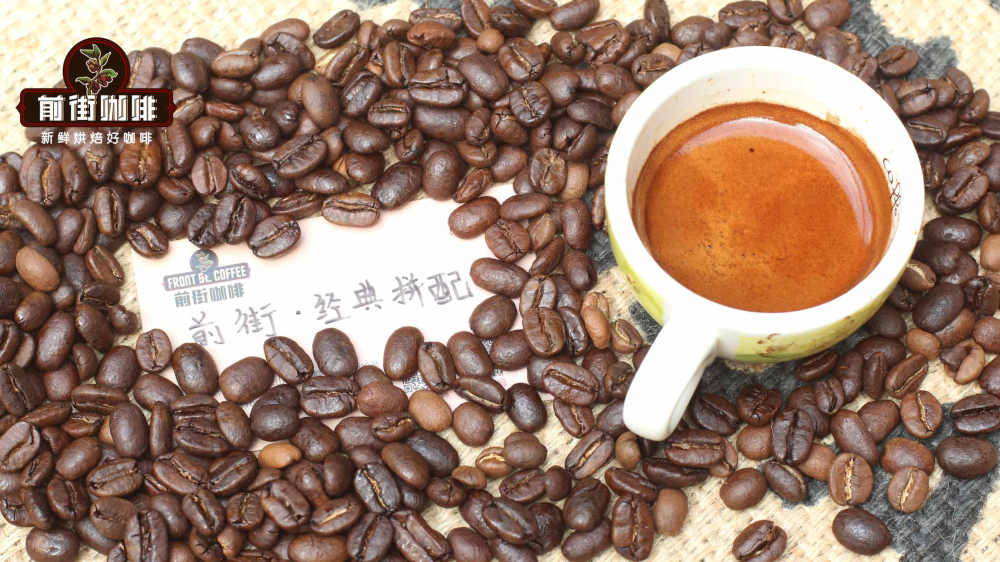
Espresso usually uses blended beans. Beginners can prioritize Front Street Classic Blend, which contains the wildly aromatic Mandheling along with Brazilian coffee and a small amount of Robusta. After extraction, it presents notes of butter, nuts, spices, and dark chocolate; its bold character and rich crema are its most prominent hallmarks.
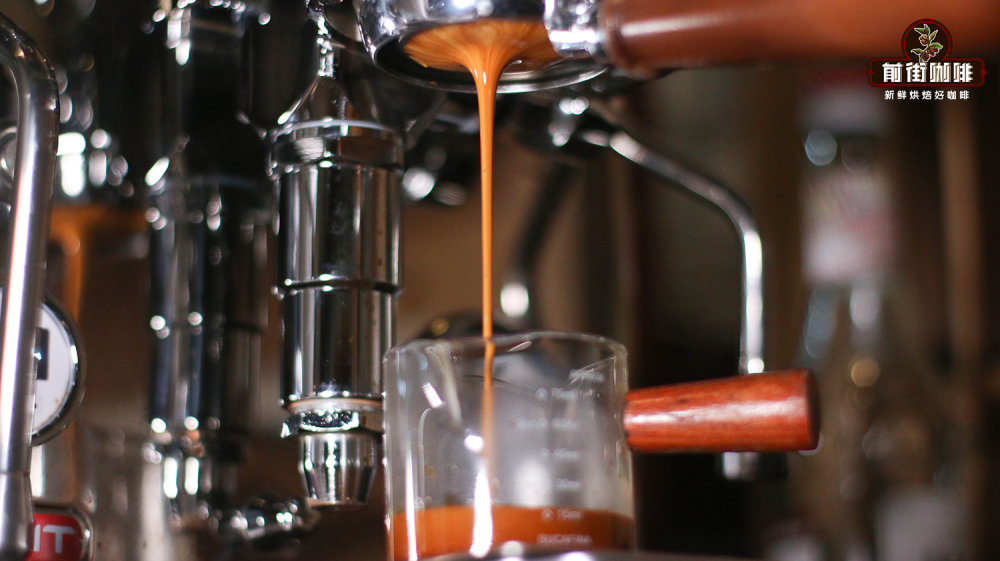
The Front Street Mandheling coffee beans mentioned earlier can also be used to make espresso, but they have another identity as well: SOE, or single-origin espresso, which becomes Americano when diluted with water. In other words, espresso is essentially a method of preparation; it differs from single-origin coffee only in the logic of bean selection. Single-origin coffee refers to coffee from a single variety or single origin, using specific methods to reveal the bean's various flavor layers one by one.
If Mandheling is the specialty coffee of Indonesia, then Front Street PWN Golden Mandheling is the cream of the crop.
Front Street PWN Golden Mandheling coffee beans Region: Gayo Mountain, Aceh, North Sumatra, Indonesia Altitude: 1100–1600m Variety: Ateng Processing method: Wet-hulled
Mandheling's place of origin is Indonesia. According to legend, during the Japanese occupation of Indonesia, a Japanese soldier drank a cup of coffee he could never forget and asked the shopkeeper what coffee it was. The shopkeeper mistakenly thought the man was asking where he was from and answered "Mandailing"; because of the pronunciation difference, the Japanese soldier heard it as "Mandheling." After the war ended, the soldier asked a local to help him find "Mandheling," and that person was precisely the later owner of Indonesia's PWN company (Pwani Coffee Company). PWN was the first company to export Golden Mandheling coffee beans to Japan. For many years, Front Street has consistently selected Front Street PWN Golden Mandheling; PWN's packaging has also changed from the original 60-kilogram bags to 30-kilogram bags, and the region has shifted from Lintong to Gayo Mountain.
Mandheling's unique flavor is closely related to its processing method. Locally, Sumatra's distinctive wet-hulling method is mostly used, because Indonesia has frequent rain and constant typhoons, making it difficult to meet the drying conditions required for natural processing; in addition, limited local economic conditions make it impossible to afford the higher cost of washed processing, so this semi-washed method came into being. Mandheling's signature herbal aroma, driftwood notes, low acidity, and thick body come precisely from this distinctive three-stage drying process involving the mucilage layer.
Front Street PWN Golden Mandheling Pour-Over Brewing Recommendations
Dripper: Kono Water temperature: 88℃ Dose: 15g Coffee-to-water ratio: 1:15 Grind size: 70%–75% passing through a Chinese standard No. 20 sieve
Brewing method: Front Street uses staged extraction. First bloom with 30g of water for 30 seconds, then pour in a small stream in circles until reaching 125g for the stage break; when the water level drops and is about to expose the coffee bed, continue pouring until 225g and stop; when the water level drops again and is about to expose the coffee bed, remove the dripper. Timing starts from the bloom, and the extraction time is 2 minutes.
Golden Mandheling flavor description: nuts, spices, herbs, licorice, chocolate, caramel; the flavor is clean and soft.
The above content is compiled by CoffeeHunters, a coffee news website.


