







Coffee terminology: which words describe coffee drinks and which describe brewing?
Espresso, Americano and drip coffee share the word "style" but mean different things: some name a drink, some a brewing method, and some an entire category. Espresso began as concentrated coffee from a semi-automatic machine built in Italy, later widening to cover milk-based drinks such as lattes, cappuccinos and flat whites. Pour counts like three-pour and one-pour describe technique, not the coffee itself.
The confusion starts with labels. Terms used as words that describe coffee often shift meaning once drinks are built on an espresso base, so a single word can point to a beverage or a category. Drip and immersion sit in a separate group, defined by how water meets the grounds. Dedicated espresso beans are usually suggested for espresso, while other origins suit filter methods.
The world of coffee is full of specialized terminology, and names that look similar often represent completely different concepts. Espresso, Americano, drip coffee—these terms with "style" in their names sometimes refer to a drink, sometimes to a brewing method, and sometimes to an entire category of coffee; while three-pour and one-pour have nothing to do with the coffee itself—they describe brewing techniques. This article breaks down these easily confused terms one by one to help friends new to coffee sort things out, and also includes Front Street brand bean recommendations for different scenarios.
The coffee world is quite rich in specialized vocabulary, and at first listen the differences may seem slight, but the actual meanings can be worlds apart. For example, terms like espresso, Americano, and drip coffee all carry the word "style," but some refer to the name of a drink, some describe a production method, and others are the general term for an entire category of coffee—each has its own place.
New enthusiasts often get confused by this word "style," so today Front Street is going to specifically talk about what these different "style" labels actually mean.
What is espresso?
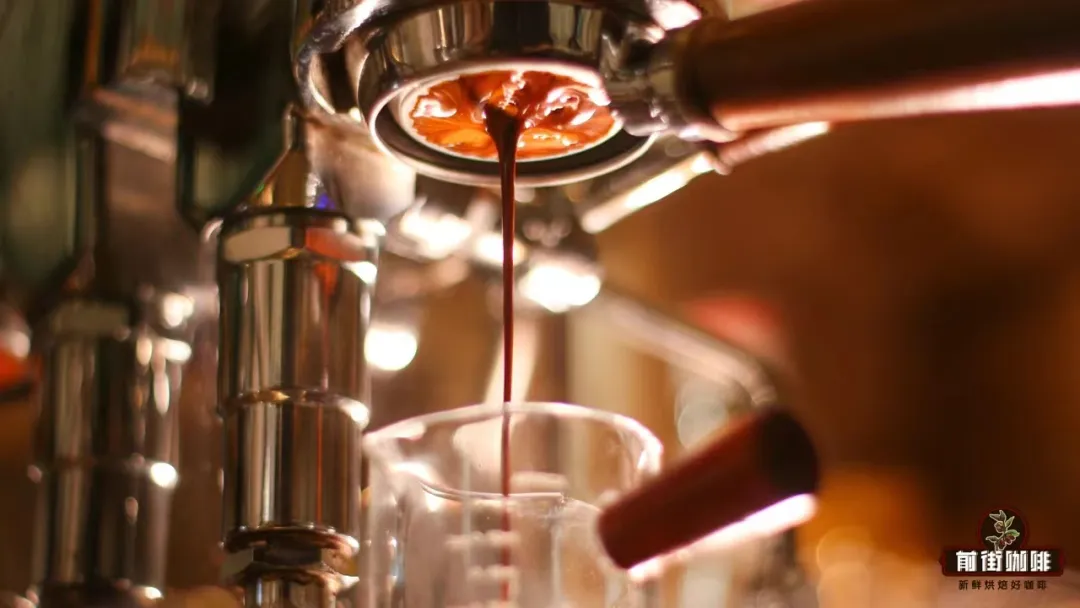
Originally, espresso specifically referred to the concentrated coffee made with a semi-automatic espresso machine. Since this type of machine originated in Italy, people habitually called the high-concentration coffee it produced "espresso," and the semi-automatic equipment that produced it was naturally called an espresso machine.
However, that tiny, extremely concentrated cup of coffee was not something everyone could accept, so people began adding various ingredients to dilute the bitterness and intensity. From that time on, espresso no longer referred solely to the concentrated coffee itself, but evolved into a general term. As long as it is a fancy coffee made with espresso as the base and other ingredients added, it can be classified under the "espresso" category—lattes, cappuccinos, flat whites, and so on are all included.
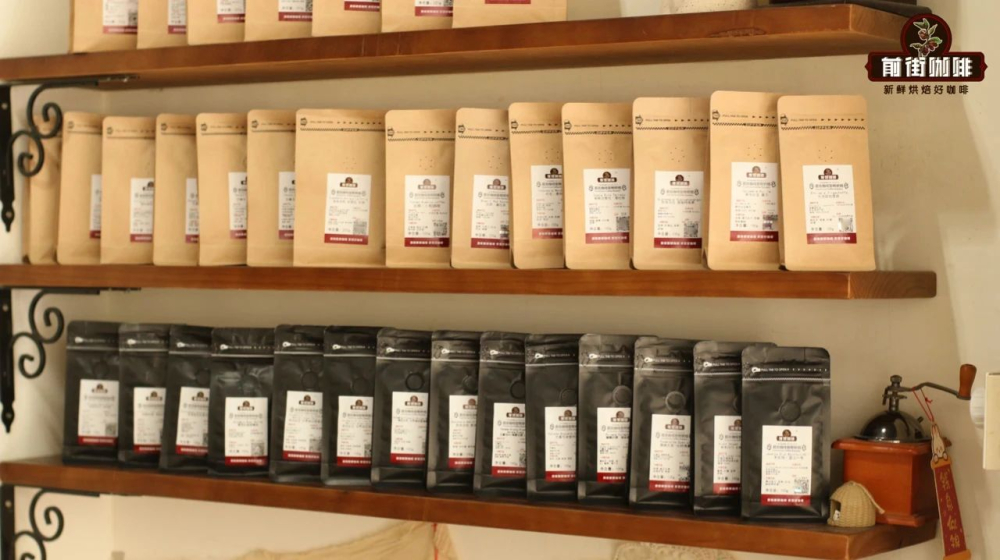
For making espresso, it is best to choose dedicated espresso beans. The top choices are Front Street Classic Blend, Front Street Specialty Blend, Front Street Dark Cocoa Base Blend, and Front Street Commercial Blend.
What is Americano?
Americano is actually a member of the above-mentioned espresso family—it is made by mixing espresso with water. During World War II, American soldiers encountered espresso for the first time. As everyone can imagine, espresso was far too strong and bitter. American soldiers preferred lighter flavors and simply could not get used to it, so they asked the shop owners to pour the espresso into water to dilute it.
Unexpectedly, the espresso diluted with water became very popular, because it perfectly matched the lighter taste preferences of American soldiers. More and more soldiers began asking shops to add espresso to water to dilute it. For convenience, the shops called this drink "Americano."
Making Americano is all about a refreshing taste, moderate intensity, and aroma. The most representative choice that meets these requirements is Front Street Strawberry Candy Espresso. It combines three major producing regions—Costa Rica, Colombia, and Ethiopia—with a fresh, sweet coffee flavor as delicate as strawberry gummy candy, making it the top choice for those who fear bitterness.
What is drip coffee?
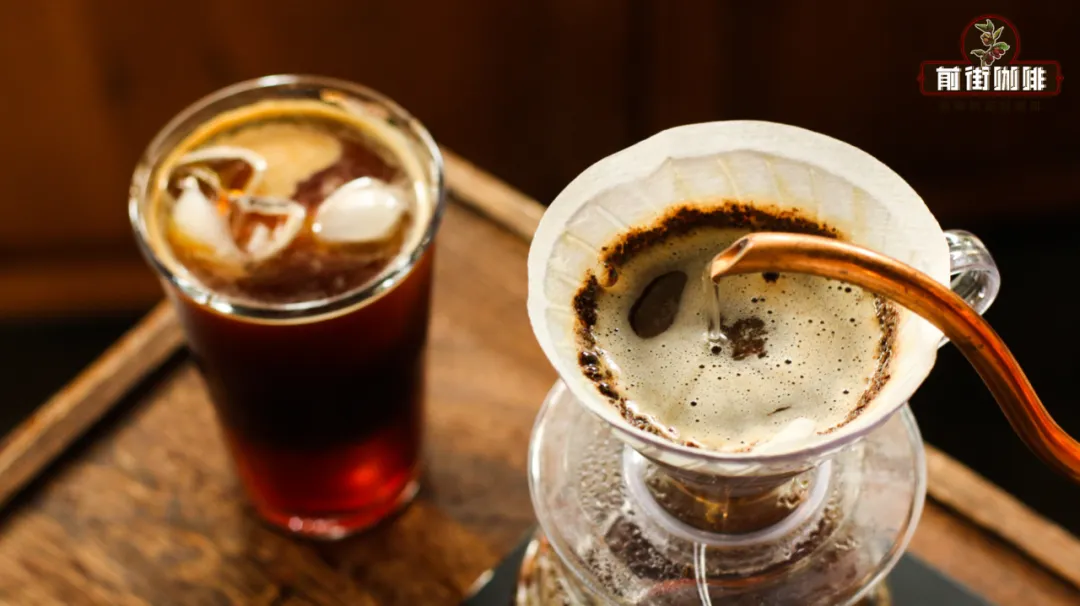
Drip-style refers to a method of making coffee, which we can simply understand as "filtration." Coffee grounds are placed in a filter device, and then water is used to extract the coffee. Because of the filter device, only liquid coffee can seep out of the device, while the coffee grounds are intercepted. This type of extraction method is what we call "drip-style."
It can be said that all single-origin coffee beans can be extracted using the drip method. Beginners should prioritize entry-level Front Street everyday beans. If you like a rich, low-acid flavor, buy Front Street Indonesia Mandheling, Front Street Brazil Cerrado, or Front Street Colombia Huila; if you like a fresh floral and fruity acidity, try the classic Front Street Yirgacheffe or Front Street Costa Rica Tarrazu.
Coffee made this way is drip coffee. Filter paper, flannel filter cloth, and mesh filters are all filtering devices that can separate coffee grounds.
Having covered drip-style, let's now look at "immersion-style." Similarly, it is also a coffee-making method, but immersion-style is simpler to operate—just put water and coffee grounds together and let them steep.
The reason we mention it is that immersion-style and drip-style belong to completely different extraction paths. Compared to drip-style, immersion extraction relies less on the kinetic energy brought by external forces. You only need to determine the steeping time based on the dissolution efficiency of the water, and once the time is up, you get a cup of coffee with the right taste. Because it greatly reduces the interference factors of manual brewing, immersion extraction can better present the coffee's own flavors. But precisely because of this, the coffee it extracts cannot have as rich a layered expression as drip-style.
Three-pour, one-pour
Besides the above "styles," we also see terms like three-pour and one-pour in some coffee articles. These words are different—the terms mentioned earlier either refer to coffee itself or to coffee made by a certain method. But three-pour and one-pour are not followed by the word "coffee," because they do not refer to coffee, but to brewing techniques.
It can be said that among the many drip extraction methods, the most popular is none other than pour-over. Pour-over coffee is extremely playful—we can control water temperature, grind size, time, and other parameters to develop different brewing techniques to pair with it. The final taste of the coffee will vary depending on the different parameters attached to these techniques. Three-pour and one-pour are two such brewing techniques.
From this we can understand that although some terms sound very similar, their meanings are completely different and must never be confused.
The above content is compiled by CoffeeHunters, a coffee news website.


