Coffee is one of the most popular beverages in the world. "Coffee" refers to any drink made from roasted coffee beans, which of course includes espresso and cold brew.
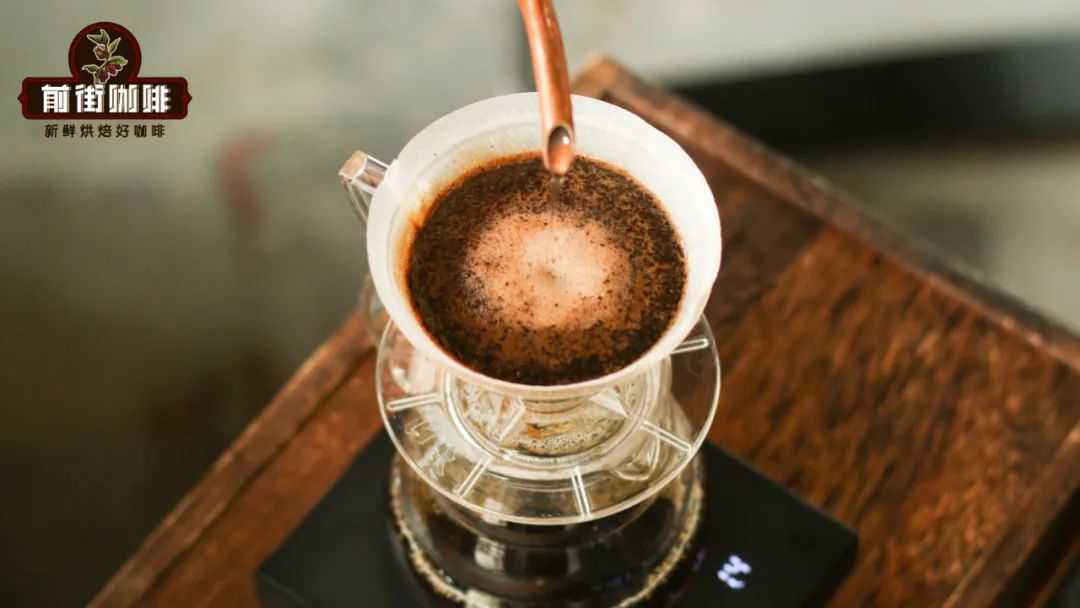
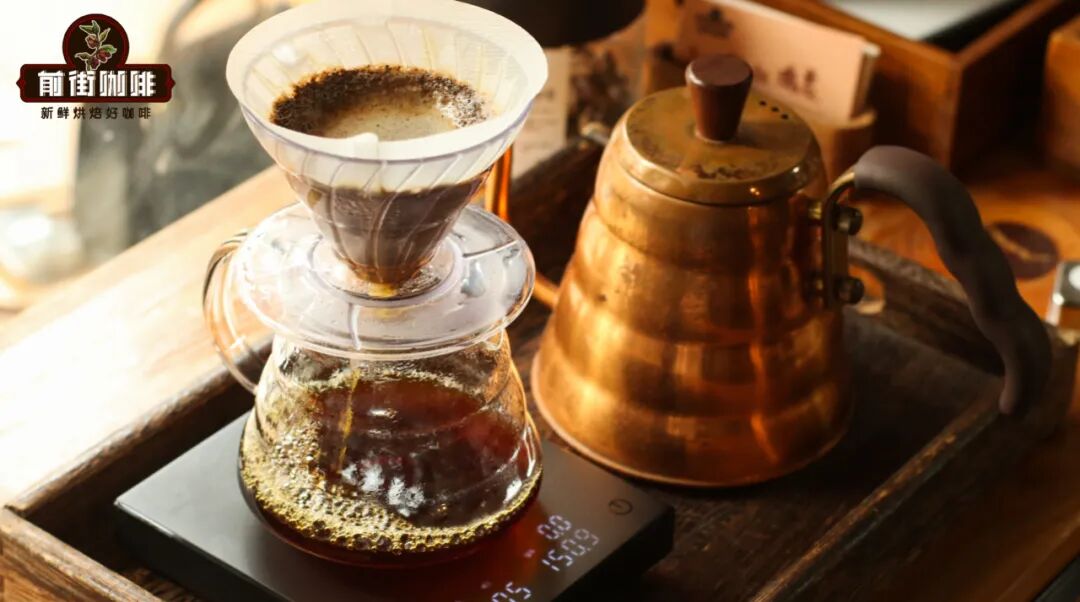
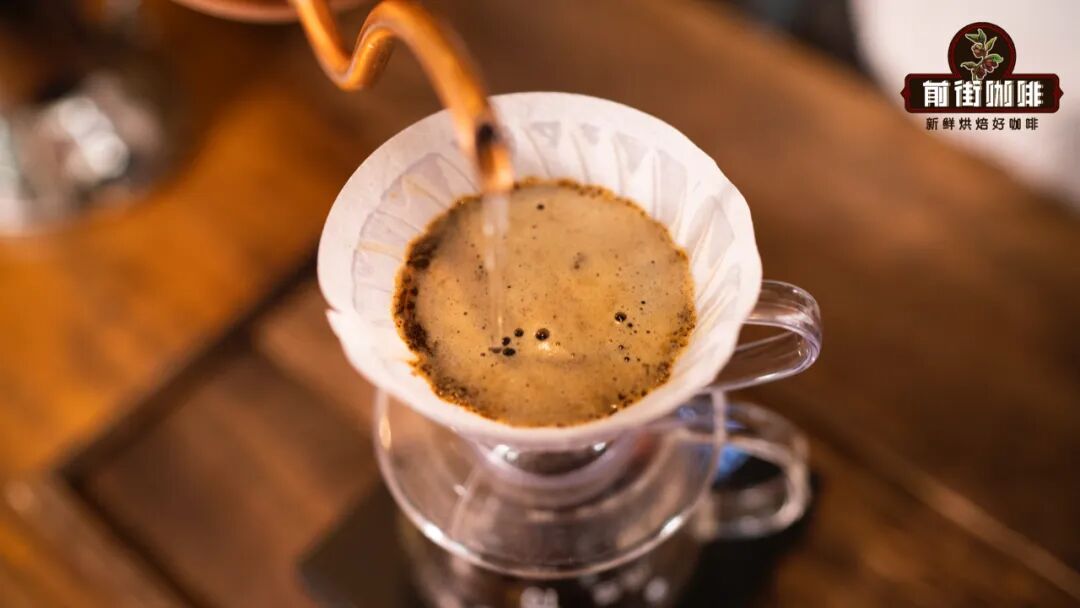
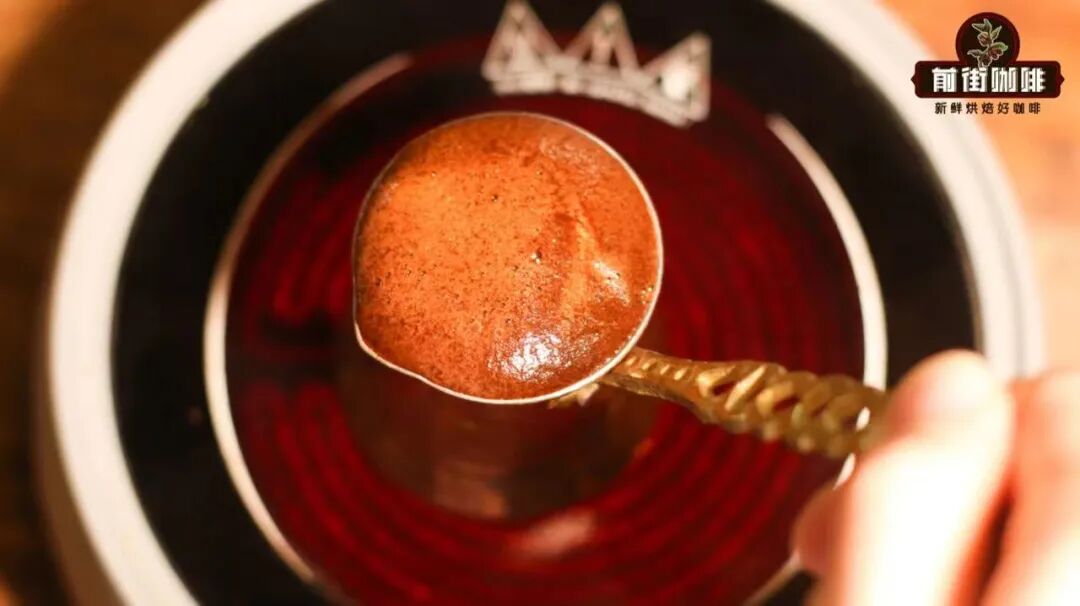
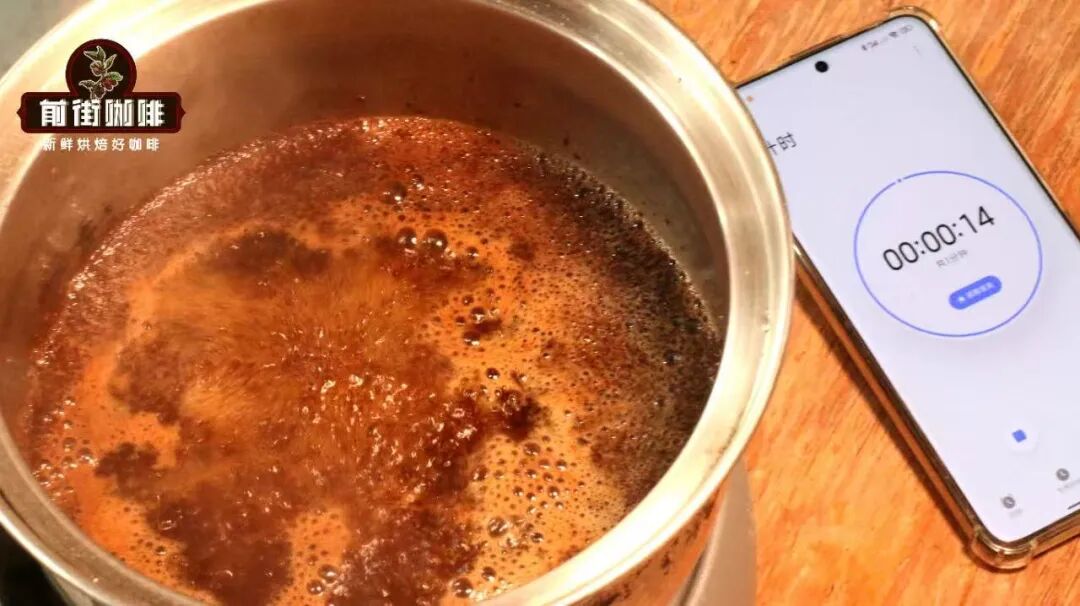
There are quite a few types of coffee. Some people like instant coffee, some like pour-over, and others like cold brew. Coffee made by different methods has its own characteristics—some has a layered mouthfeel with distinct flavors, while some is convenient to brew. You can choose according to your own preferences.Drip coffee:Under normal atmospheric pressure, hot water is passed through a layer of coffee grounds to extract the aromatic substances from the coffee. But note: pour-over coffee is drip coffee, but drip coffee is not necessarily pour-over. Drip coffee includes pour-over coffee, but is not limited to it—pour-over is one brewing method within drip coffee. That is the conceptual difference between the two.Currently the most common drip coffee brewing method is pour-over. This kind of coffee usually better expresses the delicate flavors of the coffee, so people often use the pour-over method to taste single-origin coffee, which is what everyone calls black coffee. Front Street Coffee believes that pour-over coffee best expresses the terroir of the coffee, because unlike espresso, drip coffee has lower density and concentration, with no layering, a clean mouthfeel, and consistent quality. This is because, without the influence of pressure, hot water can more fully absorb the coffee oils and aromatic substances, making the coffee taste softer.Pour-over coffee is generally brewed by hand, and the taste of the coffee varies with the barista's technique. So-called extraction is the process of grinding coffee beans into powder and then using water to extract the soluble substances from them.Pour-over is a gentle and natural extraction method that faithfully presents the inherent natural flavor profile of the coffee beans. Because the filter paper traps the coffee oils and fine particles, the resulting brewed coffee is very clear in color.Pour-over coffee can be considered the most cost-effective private coffee brewing solution. You don't need to spend a lot of money on a coffee machine, nor do you need to leave home. Pour-over lets you experience the rich aromas of specialty coffee, and it is very easy to control the brewing variables. Different coffee brewing methods bring different flavor characteristics—some may emphasize body and richness, while others may emphasize a clear and clean mouthfeel.Americans invented the electric drip brewer based on the principle of pour-over coffee—commonly known as the American coffee machine. So what an American coffee machine makes is not Americano, but drip coffee.Espresso:Using an espresso machine, hot water is pressurized to 9 atmospheres and pushed through very finely ground coffee powder, instantly extracting the soluble components. The resulting drink is espresso, or Espresso.If the characteristic of drip coffee is clean and clear, then the characteristic of espresso is rich and intense. Moreover, after the lipid components in the coffee beans are emulsified, they produce a caramel-like aroma. Besides being intense, another major feature of espresso is the thick layer of foam on the surface—Crema.Crema is the result of carbon dioxide and changes in air pressure working together. Under the high pressure of the espresso machine, a large amount of the oils in the coffee beans dissolves into the water, and then carbon dioxide becomes trapped in the mixture of oils and water to form bubbles. But once the coffee liquid returns to normal atmospheric pressure, it can no longer keep the carbon dioxide trapped. So countless tiny bubbles rise from the liquid and remain on the surface, looking like a layer of foam floating on top. Crema is an important standard for judging whether coffee beans are fresh. The longer the time since the roast date, the lower the carbon dioxide content in the coffee beans, and the less foam there is in the coffee liquid. Immersion coffee:Unlike drip and espresso, in which water flows through coffee grounds, immersion devices soak the coffee grounds and water together, achieving a more consistent extraction. The coffee made this way retains more oils and has a heavier, richer mouthfeel.Boiled coffee:The equipment needs to be placed on a heat source and heated continuously. The representative tool is the Turkish coffee pot. Because the water temperature easily spikes, this type of tool often brews very strong and very bitter coffee. The above are several relatively common extraction methods. In addition, the portable and highly playable AeroPress and the highly visual siphon are also widely popular extraction tools. Depending on how the water contacts the coffee grounds and the particle size, coffee preparation is classified into five types: "boiled method," "pressurized method," "gravity method," "infusion-filtration method," and "cold brew method."The simplest method is to put coffee grounds in a cup, add hot water, let it cool while the grounds sink to the bottom. This is an old method, still used in some places in Indonesia today. Be careful not to swallow the grounds at the bottom of the cup. The advantage of this method is its simplicity.Turkish coffee is an early recipe, still used in the Middle East, North Africa, East Africa, Turkey, Greece, and the Balkans. Ultra-fine coffee grounds are boiled with water in a small-mouthed vessel, usually seasoned with sugar and cardamom. The strong coffee served in the cup has foam on top and a layer of sediment at the bottom. "Cowboy coffee" is made by boiling coffee grounds with water directly in a pot and drinking it. The name implies a makeshift solution under rough conditions; however, some people prefer it. In Finland and Sweden, which have the highest per-capita coffee consumption, they use traditional preparation methods.
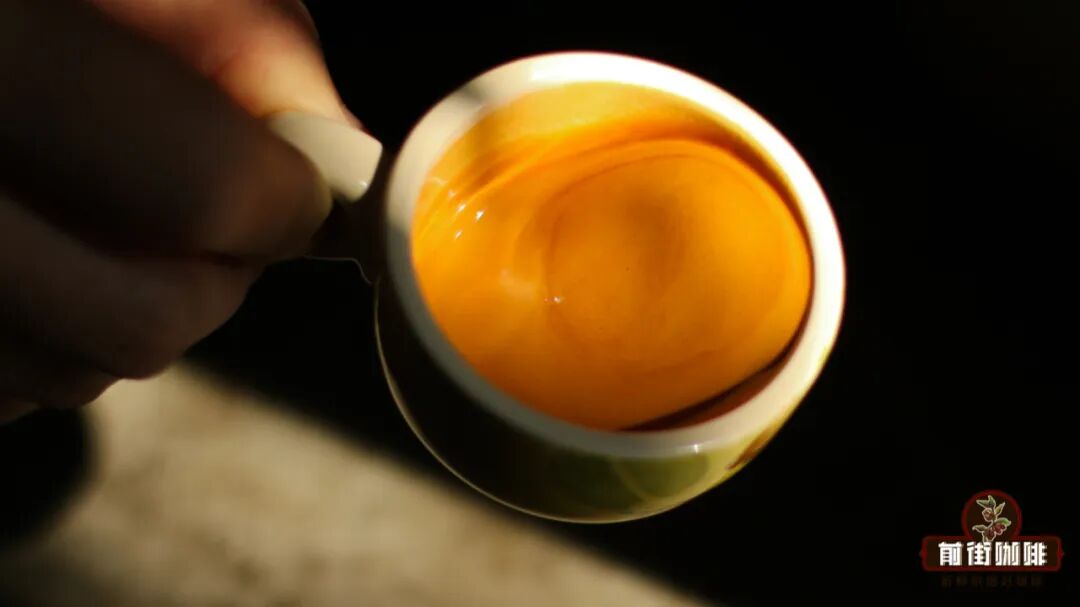
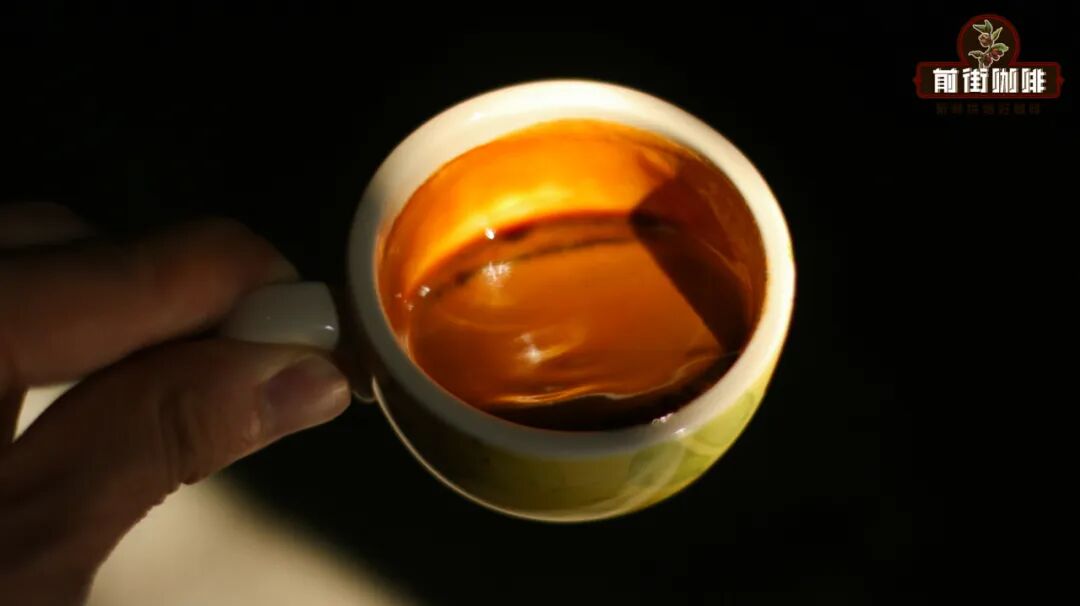
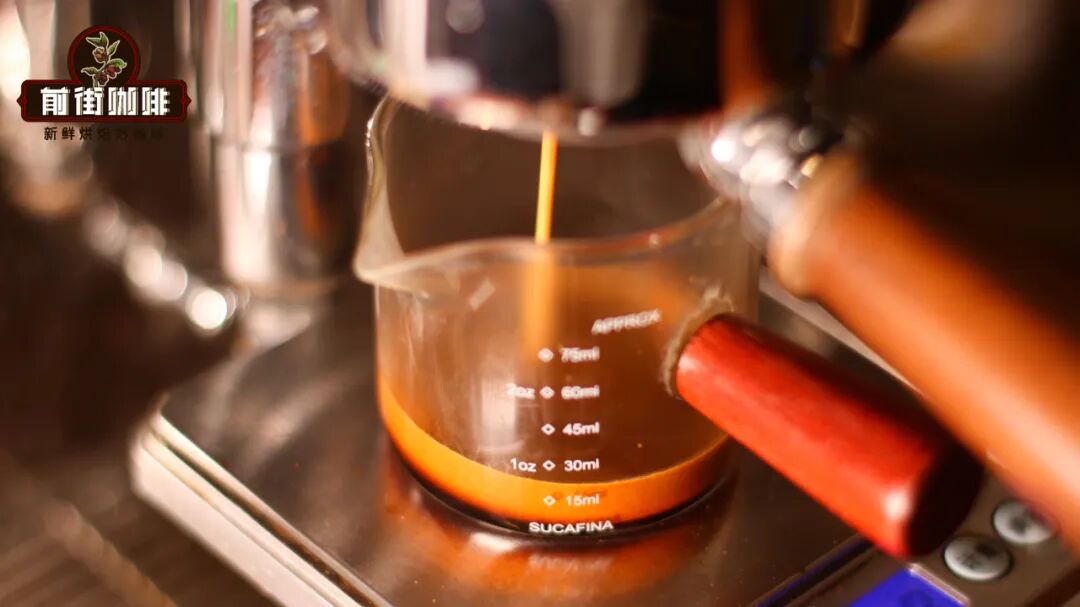
 Espresso is made by forcing hot water at 80–96 degrees Celsius through a compacted puck of coffee grounds at 8–9 atmospheres of pressure. A single shot is usually only 30 milliliters. It is the strongest of common coffees, yet it has a unique aroma and a smear of oil (Crema) floating on the surface. It can be drunk on its own or further made into many other drinks. Because brewing is fast, it has the characteristic of high concentration.
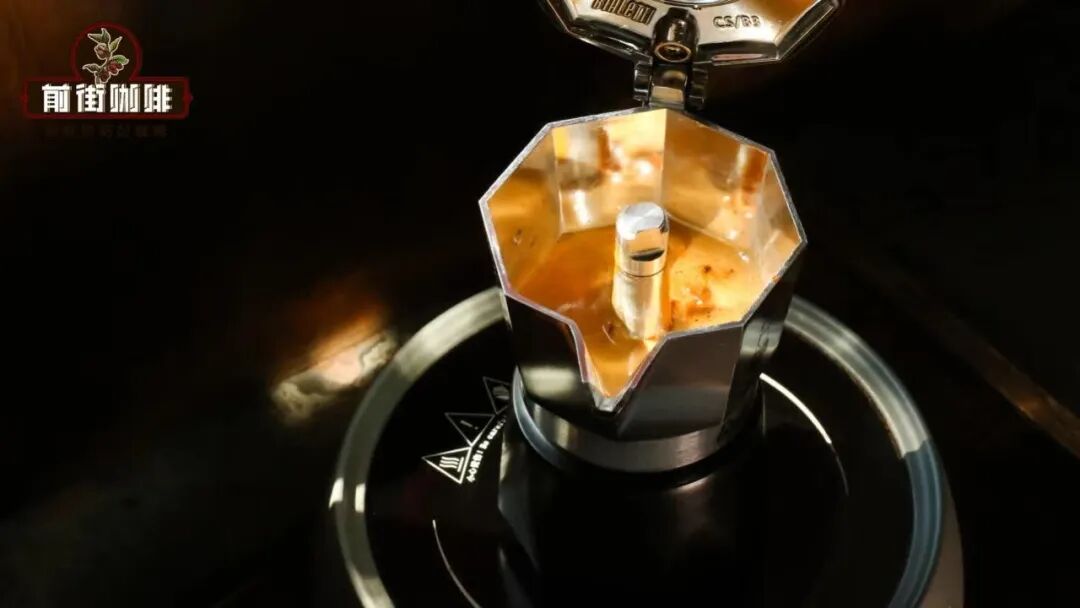
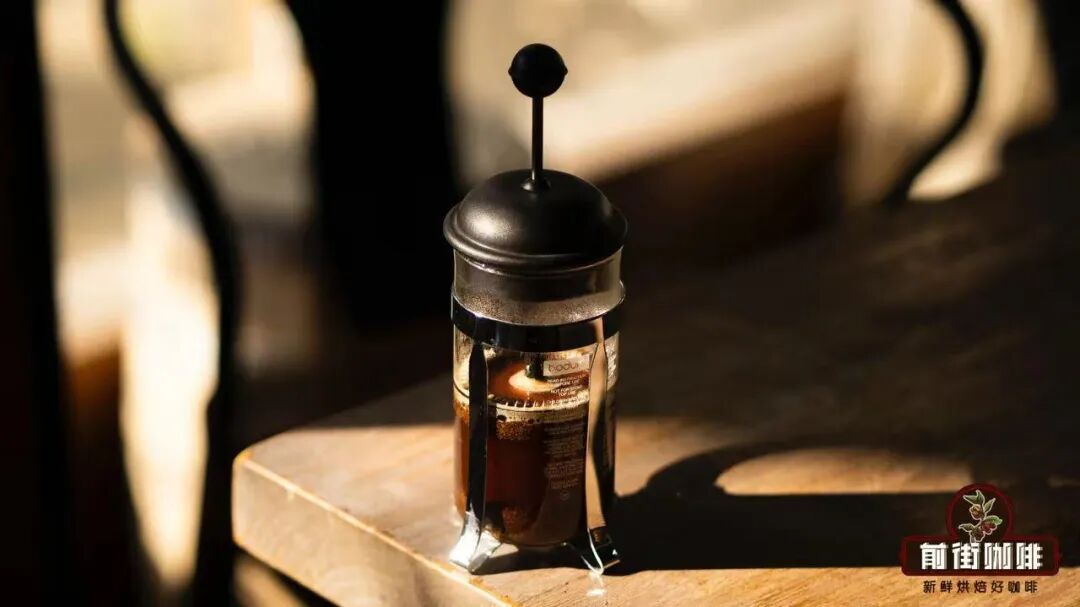
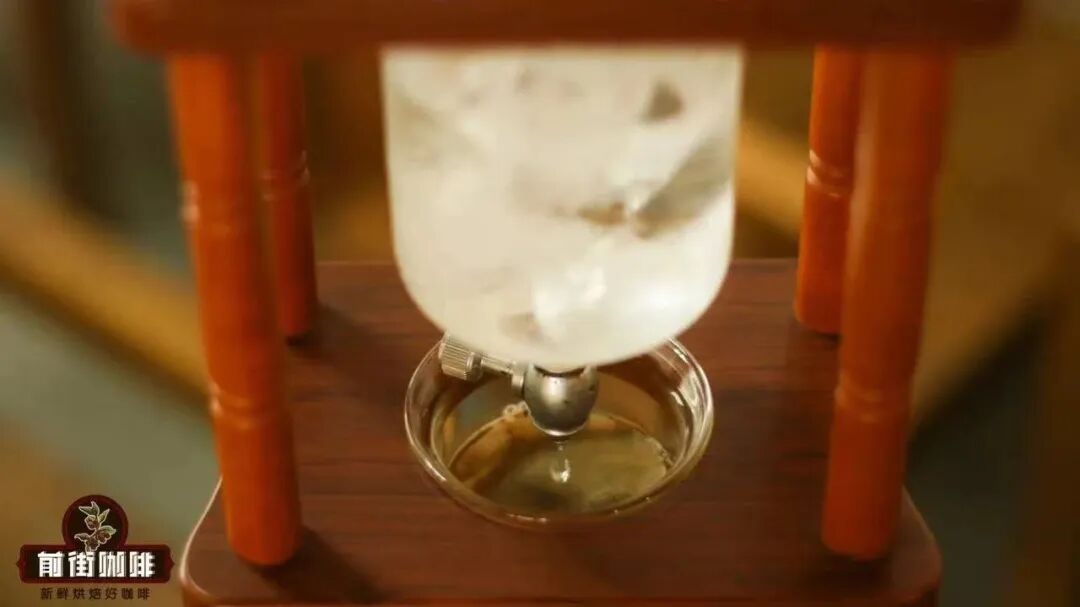
 The moka pot, also called the "Italian coffee pot," is a three-chamber stovetop device. Boiling water in the bottom chamber is pushed by steam pressure through the coffee grounds in the middle chamber and into the top chamber. The resulting coffee can be comparable in strength to espresso, only without the floating oil. However, if a pressure-reducing gasket is installed at the coffee outlet, a golden crema can be extracted. The moka pot and the semi-automatic espresso machine have the same structure, but the way the water flows is reversed. After about 30–40 cc of coffee has flowed out, remove the pot from the heat source as soon as possible, then wipe the bottom of the pot with a cold towel!Drip coffee or pour-over coffee is made by placing coffee grounds on filter paper or a metal filter and letting hot water flow through from top to bottom. The strength of the coffee depends on the water-to-coffee ratio and the coarseness of the grounds, but it is generally lower than espresso. The drip coffee machine was widespread in the United States before the 1970s. It differs from the moka pot mentioned above: hot water boils and enters the top chamber, then flows from top to bottom through the coffee grounds and returns to the heating chamber; this cycle repeats several times. It is precisely because this method passes hot water through the coffee grounds multiple times that this kind of coffee may taste relatively inferior.Infusion-filtration methodThe French press is a tall, slim glass cylinder equipped with a plunger that has a filter. Hot water and coffee grounds steep in the cylinder for four to seven minutes, then the plunger filter presses the grounds to the bottom, and the coffee on top can be poured out to drink. This "full immersion method" is considered by many experts to be the ideal home method for brewing coffee, and its feature is that you can taste the full flavor of the coffee.Cold brew coffee, also known as ice drip coffee, differs most from the other four methods above in that it does not use hot water. Instead, it uses ice water produced by the slow melting of ice cubes, which slowly drips through a filter containing coffee grounds. Because the process takes a very long time and uses more coffee grounds, a cup of cold brew coffee costs more, but the flavor is extremely special.
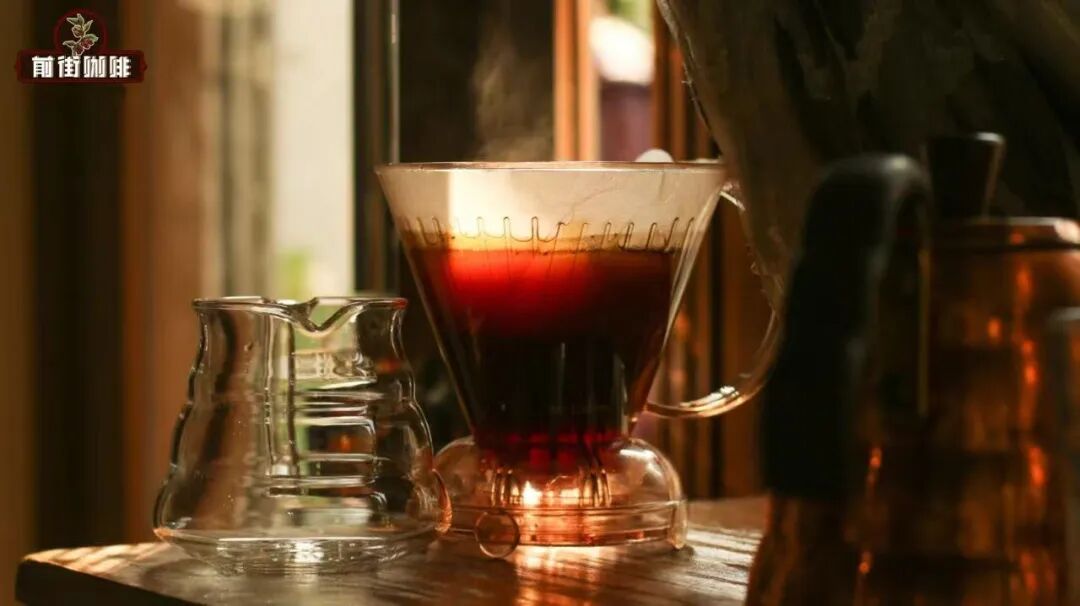
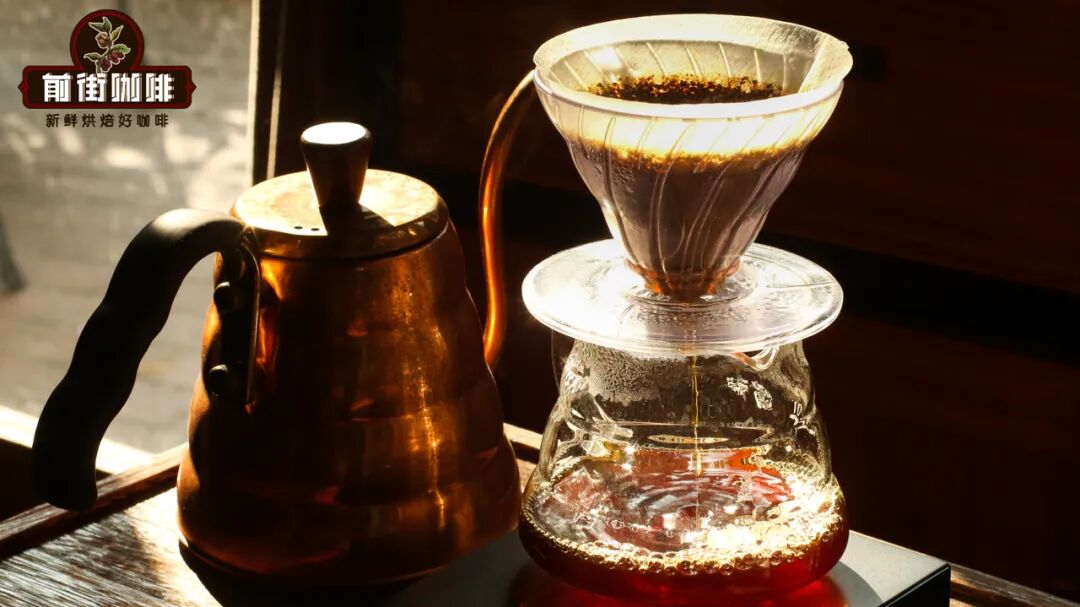
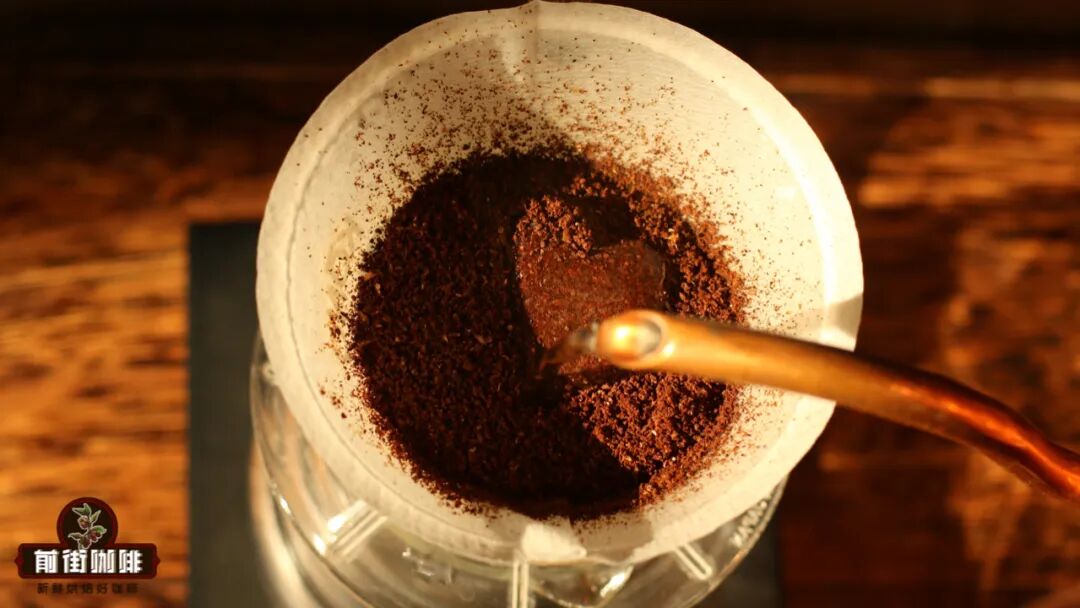
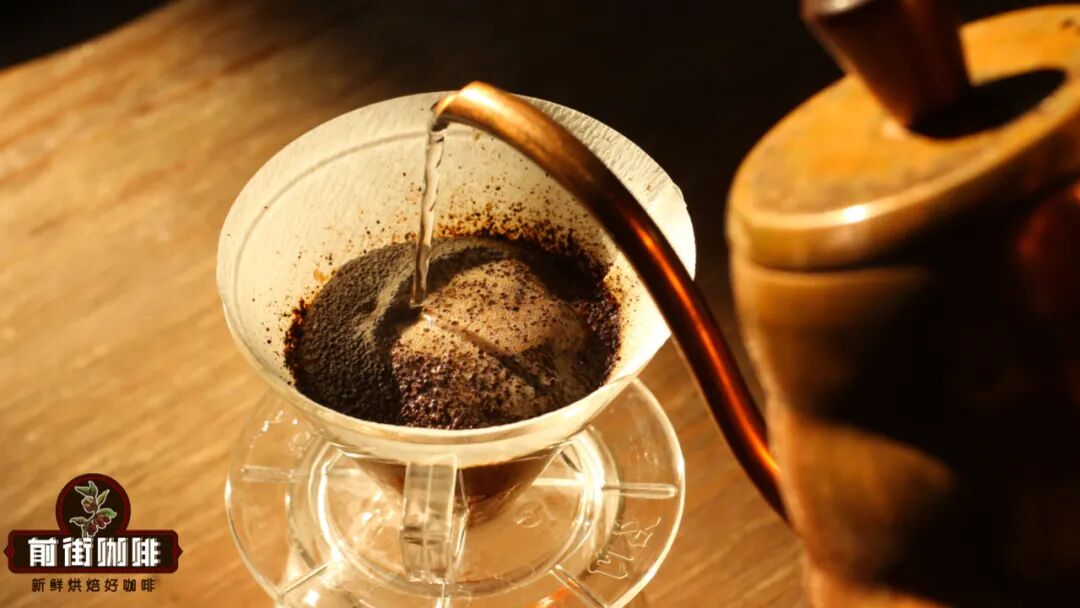
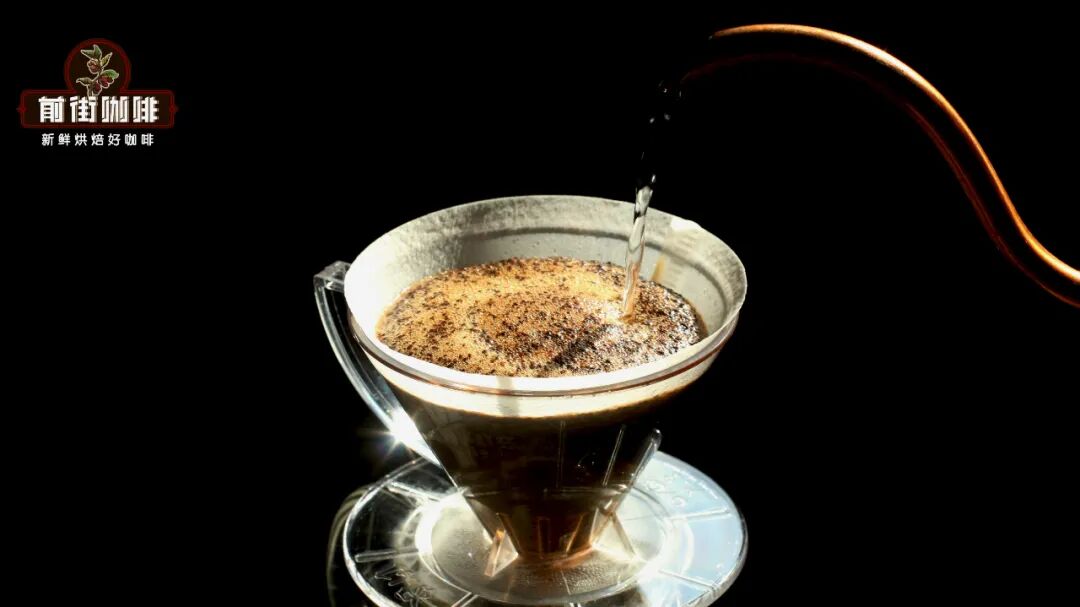
 Drip coffee is a brewing method invented by a German, and the Melita coffee pot filter papers sold everywhere in supermarkets belong to the brand he founded back then. Simply put, the drip coffee method is to grind coffee into powder, put it in a funnel, pour hot water on top, and due to gravity the coffee flows out from the bottom. In fact, most coffee machines on the market make coffee this way, except that they use electricity to heat the water. However, these electric coffee pots have one problem: the vast majority of products do not have enough power, and the heated water temperature is not the ideal brewing temperature, so the coffee often comes out with a sour and astringent taste.The ideal brewing temperature for most coffee is between 88 and 92 degrees Celsius. Depending on the origin, variety, and roast level of the coffee beans, the best brewing temperature will differ, but it is basically within this range. If the water temperature is too low, the coffee is under-extracted and will be sour and astringent. If the water temperature is too high, the coffee is over-extracted and will be bitter.For Front Street pour-over, the water temperature for medium-dark roasted coffee beans is 88 degrees Celsius, while for medium-light roasted coffee beans it is 91 degrees Celsius. Knowing this principle, if you use an electric coffee pot and the pot's power is relatively low, you should try to choose coffee with low acidity and a darker roast for brewing.Hand-brewing drip coffee is also very simple and costs very little. A decent coffee grinder that can grind coffee beans into relatively uniform powder, a kettle that can boil water, and something that can filter the coffee grounds are all you need. There are many kinds of filters; some can use filter paper, and some do not. Filter paper is rather controversial. Some people feel that coffee filtered with paper has a cleaner mouthfeel, while using a mesh filter often lets coffee grounds get into the cup, which is unpleasant. Some people feel that filter paper filters out the aromatic oils in the coffee, and there is also the annoying papery taste. However, these taste debates are purely a matter of personal preference. The characteristic of the drip method is continuous extraction through continuous pouring. Besides being affected by time, the size of the pour, the height, and so on are also among the factors that affect the taste of the coffee.
  Drip coffee was what people in most parts of the world outside the Arab region and the Balkans were accustomed to drinking before espresso became popular. This kind of coffee tastes much lighter than espresso, but for people just starting to drink coffee, it may be easier to accept. Because making espresso is too complicated, very few people to this day can master it well. So although espresso seems popular all over the world, to this day the most people still drink drip coffee. Especially at home and when making coffee individually, drip coffee is also the most traditional and easiest coffee to make. And with no layering, a clean mouthfeel, and consistent quality, this is because without the influence of pressure, hot water can more fully absorb the coffee oils and aromatic substances, making the coffee taste softer. Perhaps this lighter drip coffee is easier for people new to coffee to accept, and it is also a common way to make coffee at home. Of course, the choice between these two kinds of coffee also depends on your personal preference. Some people like the silky mouthfeel of milk-based coffee, while others prefer the clean taste of drip coffee. For example: the two drippers Front Street uses most often for brewing are the V60 and the KONO dripper. The V60 is very suitable for emphasizing the acidity and floral aroma of coffee. Although it uses filter paper, the V60 can still retain a considerable amount of coffee oils and preserve body. For example: Ethiopian coffee, Kenyan coffee, Panamanian Geisha coffee, and so on. The KONO dripper is very suitable for brewing medium-dark roasted coffee beans and can highlight the rich, smooth mouthfeel of the coffee beans. For example: Blue Mountain coffee, Mandheling coffee, Colombian Huila coffee, and so on.
 The above content is compiled by CoffeeHunters, a coffee news website.