







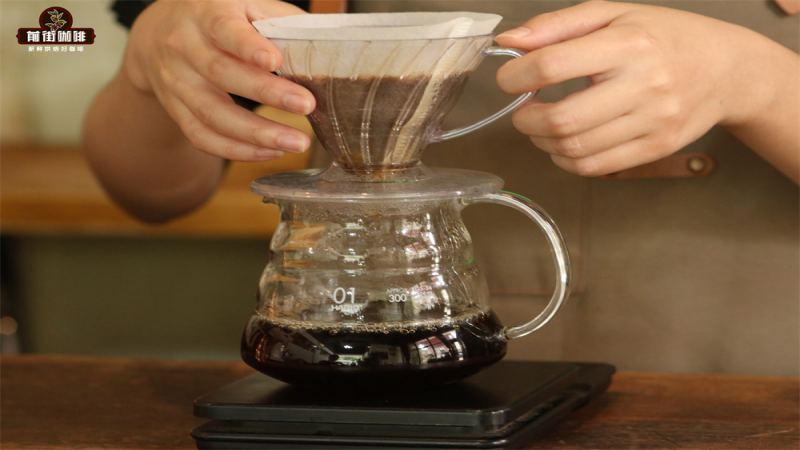
How does an American coffee machine brew drip coffee?
Drip coffee is made by letting hot water pass through a bed of ground coffee, with no pressure involved. Gravity extraction gives a clear mouthfeel, lower density and concentration than espresso, and high consistency from batch to batch. That simplicity is why drip methods dominate offices and homes, and why pour-over is the most common version today.
Without pressure, water extracts oils and aromatic compounds more calmly, so the cup tastes smoother. Pour-over usually presents single-origin coffee and delicate flavors, while an American coffee machine handles larger batches with less attention. Water temperature and dripper type should be adjusted to roast level; lighter roasts generally need hotter water to extract fully.
There are countless brewing methods in the coffee world, and the drip method, with its simple operation and clean flavor, has become the most common brewing choice in offices and homes. This article will systematically sort out the definition of drip coffee, its similarities and differences with pour-over coffee, and its comparison with espresso, immersion, and decoction extraction methods, while explaining practical points such as water temperature control and equipment selection in detail. The article also combines Front Street Coffee's brewing experience to recommend suitable water temperatures and dripper types for beans of different roast levels, helping coffee lovers find their own cup of good taste in daily brewing.
The categories of coffee are quite rich. Some people prefer the convenience of instant coffee, some love the ritual of pour-over, and others like the refreshing taste of cold brew. Different production paths give coffee different personalities—some are rich in layers and distinct in flavor, while others win by being easy to operate. Everyone can completely choose according to their own taste preferences.
Pour-over coffee is a branch of drip brewing. In fact, the drip method is quite popular whether in workplaces or home environments, because it usually has a low barrier to operation. Coffee can be called one of the most sought-after beverages in the world, and the word "coffee" covers a wide range. Any drink made from roasted coffee beans as a raw material can be included in it, and espresso and cold brew are naturally no exception.
The most common way to make drip coffee today is pour-over. This method often presents the delicate flavors of coffee more exquisitely, so single-origin coffee is usually presented by pour-over, which is what people often call black coffee. Front Street has always believed that pour-over is the most ideal means of presenting coffee's terroir characteristics. Compared with espresso, drip coffee is lower in density and concentration, has no layering phenomenon, has a clear mouthfeel, and has high quality consistency. The reason is that without pressure involved, hot water can more calmly extract the oils and aromatic components from the coffee, making the coffee smoother on the palate.
The differences between drip coffee and pour-over coffee are reflected in three aspects: concept, operation method, and mouthfeel. Conceptually, the scope of drip coffee includes pour-over coffee, but is not limited to pour-over; pour-over is only one of the many brewing methods of drip coffee. Operationally, drip coffee is usually completed with a machine, while pour-over relies on manual pouring. In terms of mouthfeel, drip coffee is more stable in output, while the taste of pour-over varies depending on the barista's technique.
The essence of extraction is to grind roasted coffee beans into powder and then use water to extract the soluble substances within them. Common extraction paths include drip, espresso, immersion, and decoction.
Drip coffee: Under normal pressure, hot water is allowed to pass through a layer of coffee grounds to extract the aromatic substances within. Coffee made in this way is also called pour-over coffee. Commonly used pour-over equipment includes the Melitta dripper, Chemex, V60 dripper, and KONO dripper, etc.
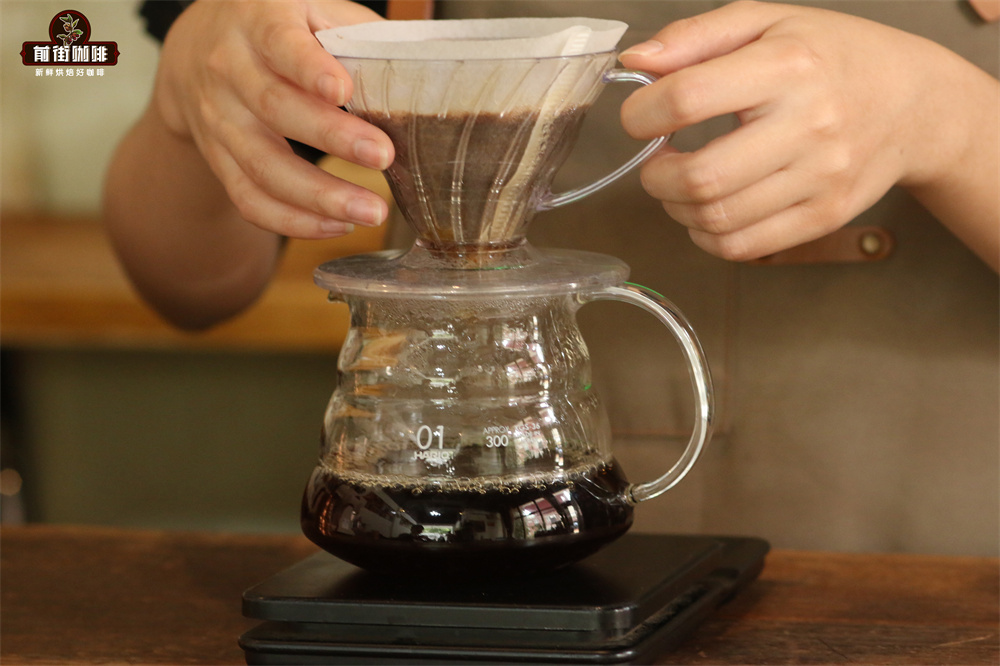
Pour-over is a gentle and natural extraction method that can faithfully restore the natural flavor profile of the coffee beans themselves. Because the filter paper intercepts the oils in the coffee, the final coffee is very clear in color, usually with a faint dark red tone. Pour-over can be regarded as the most cost-effective personal coffee brewing solution—there is no need to spend a lot of money on a coffee machine, and there is no need to leave home to experience the rich aroma of specialty coffee, and the brewing variables are easy to control. However, different brewing plans bring completely different flavor directions; some focus on the fullness of the mouthfeel, while others pursue a clear and clean taste experience.
Based on the principle of pour-over coffee, Americans invented the electric drip brewer, commonly known as the American coffee machine. Therefore, what an American coffee machine makes is not Americano, but drip coffee.
Espresso: An espresso machine is used to pressurize hot water to 9 atmospheres and push it through very finely ground coffee powder, extracting soluble components in an instant. The drink obtained is espresso, or Espresso.
If drip coffee is known for being clean and clear, then the signature feature of espresso is richness and intensity. In addition, the lipids in coffee beans release a caramel-like aroma after emulsification. Besides being strong, another recognizable point of espresso is the thick layer of foam on the surface—crema. Crema is the product of the combined action of carbon dioxide and pressure changes: the carbon dioxide in coffee beans dissolves in large amounts into water under the high-pressure environment of an espresso machine, and when the coffee liquid returns to normal atmospheric pressure, this carbon dioxide can no longer remain locked in, so countless tiny bubbles surge out of the liquid and stay on the surface, looking like a layer of foam floating on top. Crema is an important basis for judging the freshness of coffee beans—the farther from the roast date, the lower the carbon dioxide content in the beans, and the less foam in the coffee liquid.
Immersion coffee: Unlike drip and espresso, which let water flow through coffee grounds, immersion equipment soaks coffee grounds and water directly together, thereby achieving more consistent extraction. Coffee made this way retains more oils and has a richer, fuller mouthfeel.
Decoction coffee: The equipment needs to be placed on a heat source for continuous heating. Representative tools include the Turkish coffee pot and the moka pot. Because the water temperature can easily rise too high, this type of equipment often brews very strong and very bitter coffee.
Occasionally some people also call coffee brewed from a moka pot espresso. But strictly speaking, this is only a brewing method that Italians prefer at home, and cannot be regarded as true espresso.
The above are several relatively common extraction methods. In addition, the portable and highly playable AeroPress, as well as the visually excellent siphon, are also very popular.
According to the way water contacts coffee grounds and the coarseness of the particles, coffee preparation can be summarized into five categories: decoction, pressure, gravity, filtration, and cold brew.
Decoction method
The simplest way is to put coffee grounds into a cup, pour in hot water, and wait for it to cool and the coffee grounds to sink to the bottom. This is an ancient method, still used in some places in Indonesia today. When drinking, be careful not to swallow the coffee grounds at the bottom of the cup. The advantage of this method is that it is simple, and the water temperature is just right. Turkish coffee is an early version of this and is still used in the Middle East, North Africa, East Africa, Turkey, Greece, and the Balkans. Ultra-fine coffee grounds are boiled with water in a small-mouthed container, usually with sugar and cardamom added for flavor. The strong coffee served in the cup has foam on the top layer and a layer of powder accumulated at the bottom. "Cowboy coffee" is made by boiling coffee grounds and water directly in a pot and drinking it. The name suggests a makeshift measure under crude conditions, but some people happen to like this taste. In Finland and Sweden, where per capita coffee consumption is the highest, people use exactly this traditional preparation method.
Pressure
Espresso is made by forcing hot water at 80 to 96 degrees Celsius through a compacted puck of coffee grounds at 8 to 9 atmospheres of pressure, usually only 30 milliliters per cup. It is the highest in concentration among common coffees, yet has a unique aroma, with a smear of oils (Crema) floating on the surface. Espresso can be drunk on its own and can also be further made into many other drinks. Because it brews quickly, is highly concentrated, and has relatively low caffeine content, many chain coffee shops or flavored coffees use this method.
The moka pot, also called the "Italian coffee pot," is a stove-top device with a three-layer structure. After the water in the bottom layer boils, it is pushed by steam pressure through the coffee grounds in the middle layer into the upper layer. The resulting coffee can rival espresso in concentration, except that it has no floating oils. However, if a pressure-reducing gasket is added at the coffee overflow outlet, golden crema can also be extracted. The moka pot has the same structure as a semi-automatic espresso machine, but the water flow method is exactly the opposite. After about 30 to 40 cc of coffee has overflowed, remove the pot from the heat source as soon as possible, then wipe the bottom of the pot with a cold towel (never rinse with water)!
Gravity method
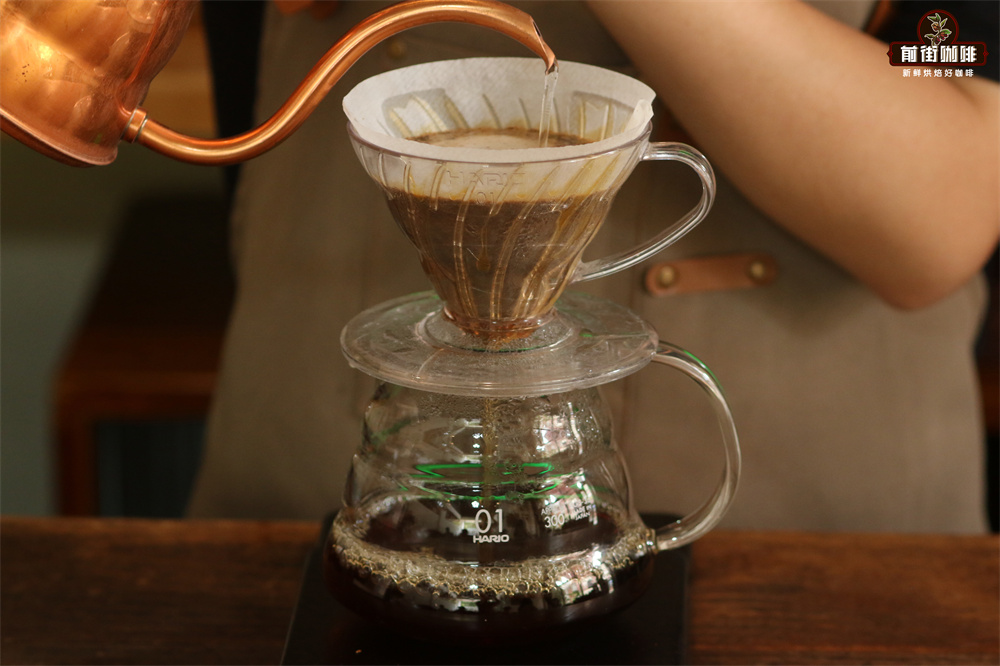
Drip coffee or pour-over coffee is made by placing coffee grounds on filter paper or a metal filter and letting hot water flow through from top to bottom. The concentration of the coffee depends on the water ratio and the coarseness of the coffee grounds, but is generally lower than espresso.
Drip coffee makers were very common in the United States before the 1970s. It is different from the moka pot mentioned above: after the hot water boils, it enters the top layer, then flows from top to bottom through the coffee grounds and returns to the heating chamber, repeating this cycle several times. Precisely because the hot water passes through the coffee grounds multiple times in this method, this kind of coffee may taste relatively poor.
Filtration method
The French press is a tall, slim glass cylinder equipped with a piston with a filter. Hot water and coffee grounds soak in the cylinder for four to seven minutes, then the piston filter presses the coffee grounds to the bottom, and the coffee on top can be poured out and drunk. This "full immersion method" is regarded by many experts as the ideal home method for brewing coffee, with the feature that you can taste all the flavors of the coffee.
Cold brew method
Cold brew coffee, also called ice drip coffee, differs from the other four methods above mainly in that it does not use hot water, but instead uses ice water produced by slowly melting ice cubes to drip slowly through a filter containing coffee grounds. The whole process is very, very slow before a cup of cold brew coffee is obtained, so the cost is relatively high, but the flavor is extremely unique.
The brewing method of drip coffee was invented by a German, and the Melita coffee pot filter paper commonly seen in supermarkets is exactly the brand founded by this German back then. The method of making drip coffee, simply put, is to grind coffee into powder, put it into a funnel, pour hot water on top, and rely on gravity to let the coffee flow out from the bottom (if traveling in space, without gravity, it would be troublesome to operate). In fact, most coffee machines on the market make coffee in this way, only using electricity to heat the water. However, these electric coffee pots have a problem: the vast majority of products are not powerful enough, and the heated water temperature cannot reach the ideal brewing temperature, so the coffee made often has a sour and astringent taste.
The ideal brewing water temperature for most coffee is between 88 and 92 degrees Celsius. Because coffee beans differ in origin, variety, and roast level, the optimal brewing water temperature also varies, but it basically falls within this range. Too low a water temperature leads to under-extraction, making the coffee sour and astringent; too high a water temperature causes over-extraction, making the coffee bitter.
When Front Street brews medium-dark roasted coffee beans by pour-over, the water temperature is controlled at 88 degrees, while for medium-light roasted coffee beans, 91 degrees is used.
Now that you understand this principle, if you use an electric coffee pot and the pot's power is relatively low, then try to choose coffee with lower acidity and a darker roast for brewing.
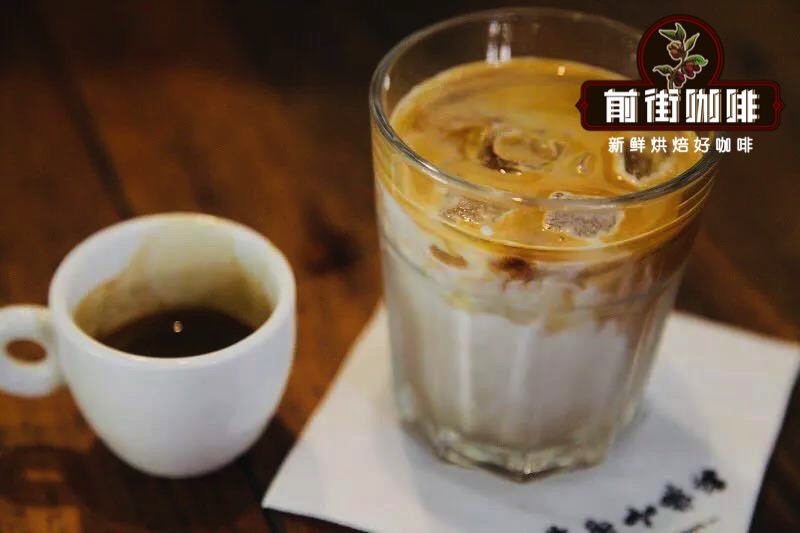
Hand-brewing drip coffee is also simple and does not cost much. A good coffee grinder can grind coffee beans into relatively uniform powder; a kettle can boil water; plus a device that can filter coffee grounds, and that is enough. There are many types of filters; some use filter paper, and some do not. Filter paper is relatively controversial: some people think coffee filtered with filter paper has a cleaner mouthfeel, while using a mesh filter often lets coffee grounds fall into the cup, which is unpleasant; others think filter paper filters out the aromatic oils in coffee and may also leave an unpleasant papery taste. However, these taste disputes are purely differences in personal preference.
The characteristic of the drip method is continuous extraction through ongoing pouring. In addition to the time factor, the size and height of the pour are also factors affecting the taste of the coffee.
Before espresso became popular, drip coffee was the coffee people were accustomed to drinking in most regions of the world except the Arab region and the Balkans. This kind of coffee tastes much lighter than espresso, but may be easier for beginners to accept. Because espresso is too complicated to make, few people so far can master it well. Therefore, although espresso seems to be popular all over the world, so far, the number of people who drink drip coffee is still the largest. Especially in home and personal coffee-making scenarios, drip coffee is also the most traditional and easiest choice to operate. It has no layering, a pure mouthfeel, and consistent quality, precisely because there is no pressure influence, hot water can more fully absorb coffee oils and aromatic substances, making the coffee softer in taste.
Perhaps the lighter taste of drip coffee is easier for people new to coffee to accept, and it is also a common way to make coffee at home. Of course, choosing between these two kinds of coffee ultimately depends on personal preference—some people prefer the silky mouthfeel of milk-based coffee, while others like the pure taste of drip coffee.
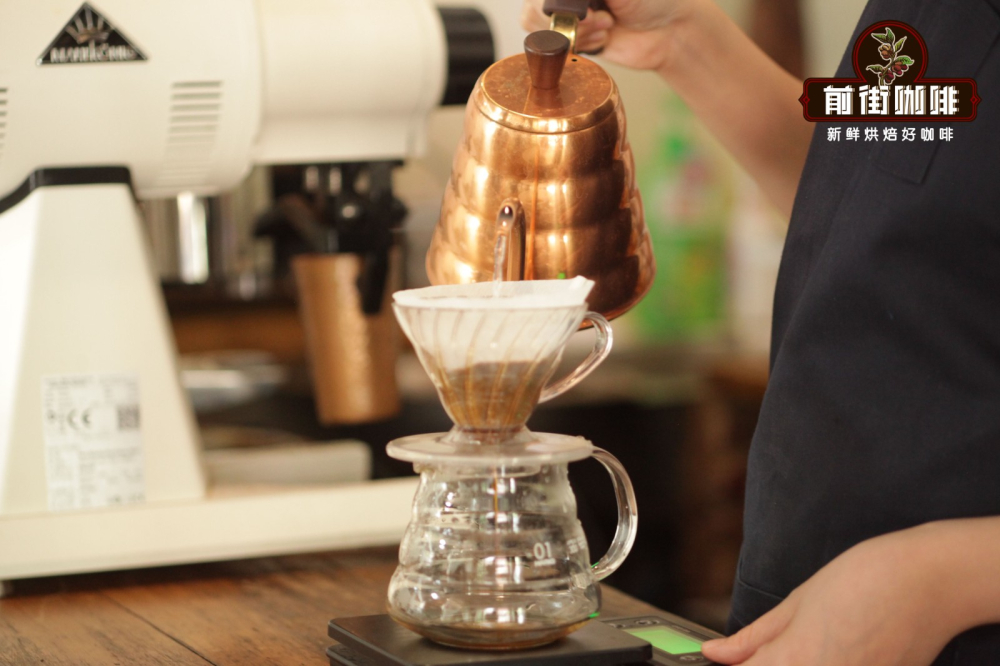
For example, these are the two drippers Front Street uses relatively often when brewing: one is the V60, and the other is the KONO dripper.
The V60 dripper is very suitable for emphasizing the acidity and floral aroma of coffee. Although it uses filter paper, it can still retain a considerable amount of coffee oils through the V60, maintaining body. For example, Ethiopian coffee, Kenyan coffee, Panama Geisha coffee, etc.
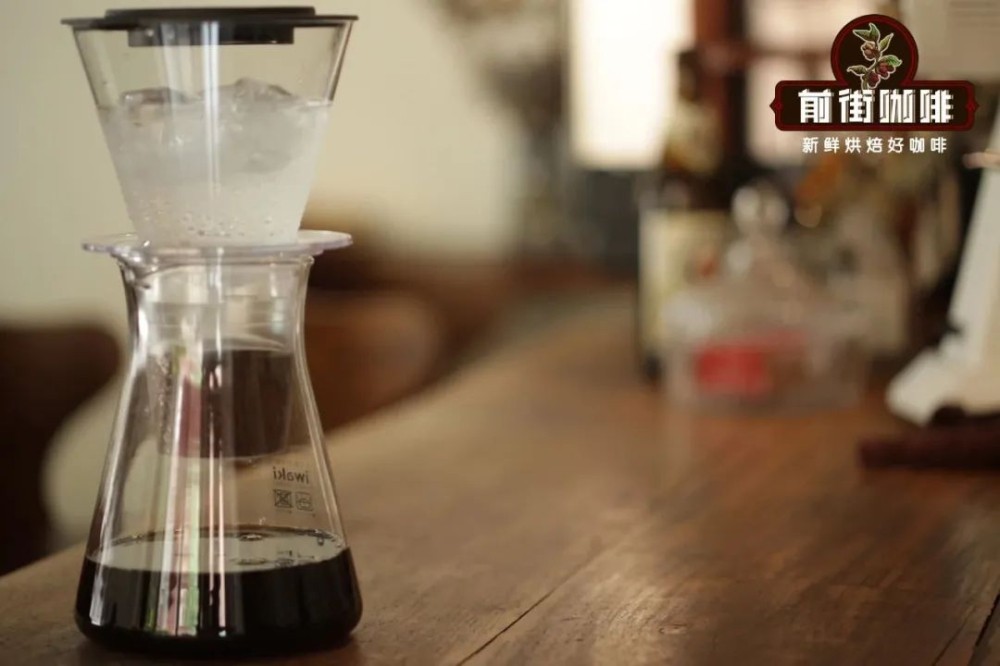
The KONO dripper is very suitable for brewing medium-dark roasted coffee beans and can highlight the rich, smooth mouthfeel of the coffee beans. For example, Blue Mountain coffee, Mandheling coffee, Colombia Huila coffee, etc.
Front Street coffee brewing suggestions:
No matter which kind of coffee is brewed, the freshness of the coffee beans is crucial. Front Street has always believed that the freshness of coffee beans is closely related to coffee flavor, so the coffee beans shipped by FrontStreet Coffee are all within 5 days of roasting. Front Street's roasting purpose is "freshly roasted good coffee," so that every customer who places an order can get the freshest coffee when receiving it. The resting period for coffee is about 4 to 7 days, so when customers receive it, it is exactly at its best flavor.
For friends who need ground coffee, Front Street warmly reminds: after coffee beans are ground in advance, there is no need for further resting, because the pressure generated by carbon dioxide inside the package during transportation can also make the coffee flavor mellow, so you can immediately brew a cup after receiving the coffee grounds. But the coffee grounds need to be brewed promptly, because coffee grounds oxidize relatively quickly after contact with air, meaning the coffee flavor will dissipate relatively quickly and will not taste as good. Therefore, Front Street recommends buying whole beans and grinding fresh before brewing, so that you can better taste the flavor of the coffee.
Professional coffee knowledge exchange For more coffee bean information, please follow Coffee Workshop (WeChat public account cafe_style)
For more specialty coffee beans, please add private WeChat FrontStreet Coffee, WeChat ID: qjcoffeex
The above content is compiled by CoffeeHunters, a coffee news website.


