







How Does a Drip Coffee Maker Actually Work?
Drip coffee is the broad family of brewing methods where hot water passes through a bed of ground coffee and filters down by gravity. Pour-over is its most representative member. Without pressure, extraction is gentler, so drip coffee has lower density and concentration than espresso, tastes clean and clear, and carries no crema layer.
That lack of pressure also lets hot water draw out more of the coffee's oils and aromatic compounds, which is why single-origin beans are usually tasted as pour-over, the drink most people call black coffee. A standard american coffee maker suits home and office use because it is simple to operate, while pour-over gives more control for subtle flavor.
In the world of coffee, brewing methods are incredibly diverse—instant, pour-over, and cold brew each have their devotees, and different methods deliver vastly different flavor experiences. Among the many extraction methods, drip coffee is the most common and easiest to master, and pour-over coffee is the most representative member of the drip coffee family. This article will systematically outline the definition of drip coffee, its differences and connections with pour-over coffee, and further introduce common extraction methods such as espresso, immersion, and decoction, while comparing the taste characteristics and suitable scenarios of different brewing methods to help coffee lovers find the cup that suits them best.
For more specialty coffee knowledge, please follow: Front Street Coffee ( Frontsteet Coffee )
Coffee categories are quite rich—some prefer the convenience of instant, some love the ritual of pour-over, and others enjoy the refreshing taste of cold brew. Different preparation methods give coffee their own unique flavor expressions—some are layered and vibrant, while others are simple and readily available, so you can choose entirely according to personal taste.
Pour-over coffee is a type of drip brewing method. In fact, drip brewing is quite common in both office and home settings, simply because it is usually easy to operate. Coffee is one of the most popular beverages in the world, and the word "coffee" covers all drinks made from roasted coffee beans, naturally including espresso and cold brew as well.
Currently, the most widespread way to make drip coffee is pour-over coffee. This method often reveals the subtle flavors of coffee more delicately, so single-origin coffees are usually tasted via pour-over, which is what people commonly call black coffee. Front Street believes that pour-over coffee best showcases the terroir characteristics of coffee. Unlike espresso, drip coffee has lower density and concentration, and does not exhibit layering; its taste is clean and clear, with consistent quality. This is due to the absence of pressure, allowing hot water to more fully extract the oils and aromatic components from the coffee, making it smoother on the palate.
The differences between drip coffee and pour-over coffee manifest in three aspects: concept, brewing method, and taste. Conceptually, drip coffee encompasses pour-over coffee but goes beyond it; pour-over coffee is merely one specific way of making drip coffee. In terms of brewing method, drip coffee is usually made with a machine, while pour-over coffee relies on manual operation. As for taste, drip coffee output is more consistent, whereas pour-over coffee presents flavor variations depending on the barista's technique.
Extraction refers to the process of grinding coffee beans into powder and using water to extract the soluble substances from them. Common extraction methods include drip, espresso, immersion, and decoction.
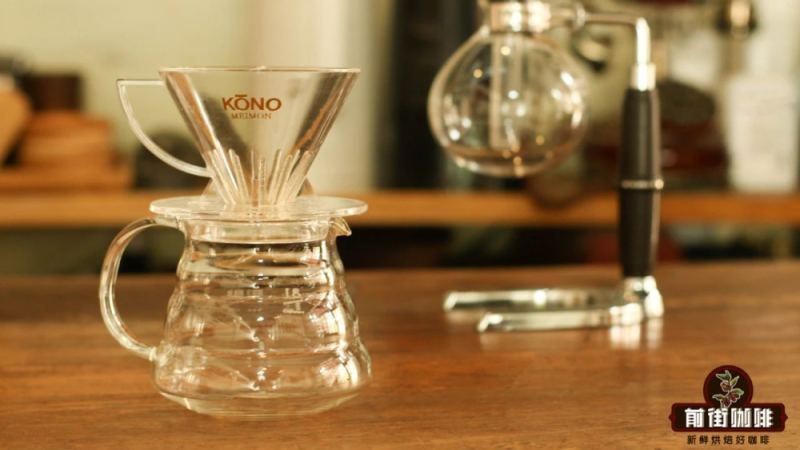
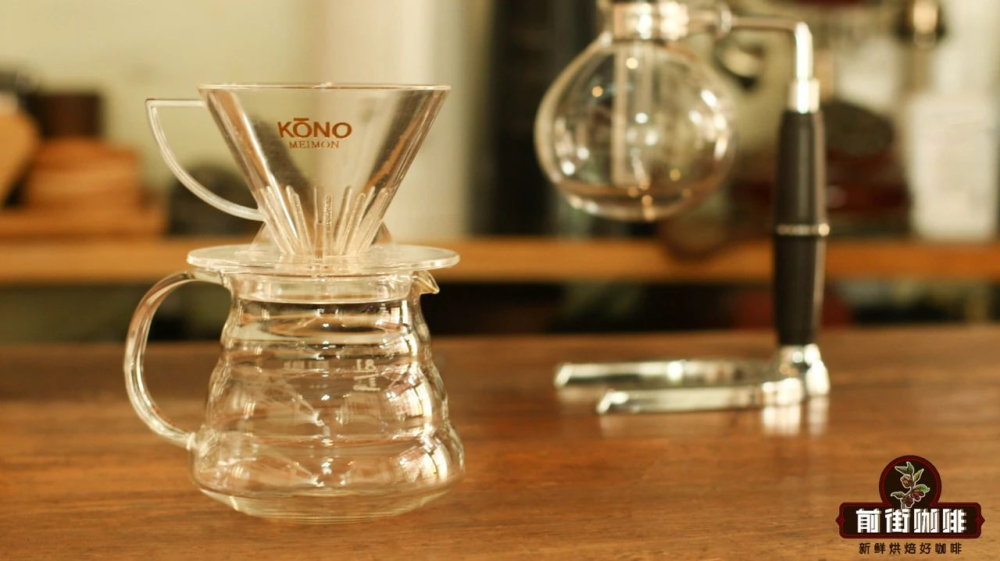
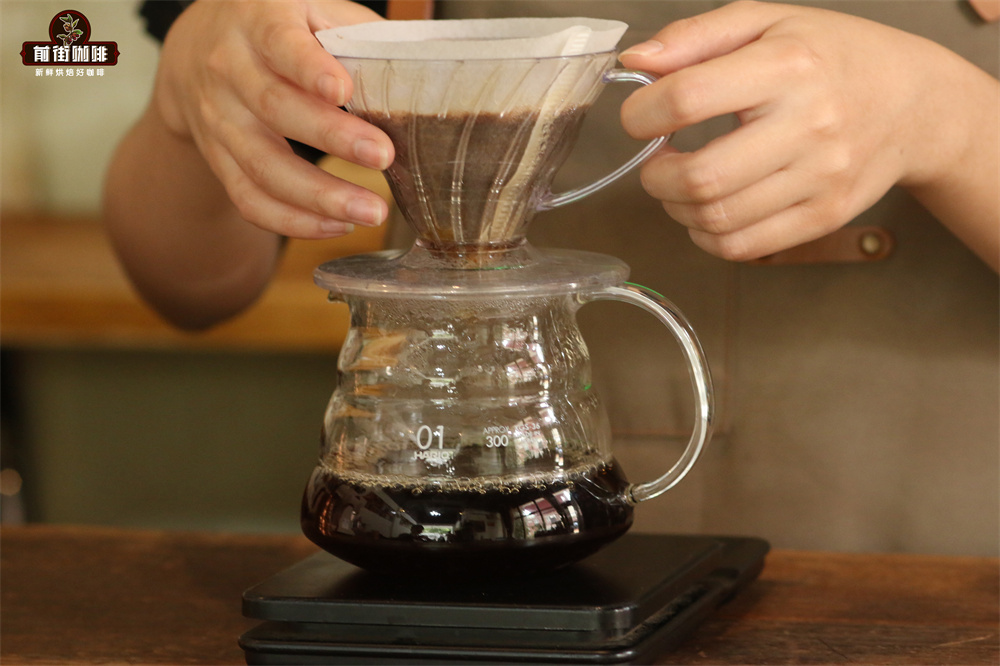
Drip coffee: Under normal atmospheric pressure, hot water is passed through a layer of coffee grounds to extract the aromatic substances from the coffee. Coffee made this way is also called pour-over coffee. Common pour-over equipment includes the Melitta dripper, Chemex, V60 dripper, and KONO dripper.
Pour-over is a gentle and natural extraction method that faithfully reproduces the natural flavor spectrum of the coffee beans themselves. Because the filter paper traps the coffee oils, the resulting coffee is very clear in color, usually with a slight dark red hue. Pour-over coffee can be considered one of the most cost-effective personal coffee brewing options—you don't need to spend a lot on a coffee machine, nor do you need to go out, to experience the rich aromatic layers of specialty coffee, and the brewing variables are easy to control. However, different coffee brewing methods bring different flavor characteristics—some emphasize a full, rich mouthfeel, while others highlight a clean, transparent taste.
Americans invented the electric drip brewer based on the principles of pour-over coffee, commonly known as the American coffee machine. Therefore, what an American coffee machine makes is not Americano, but drip coffee.
Espresso: Using an espresso machine, hot water is pressurized to 9 atmospheres and pushed through very finely ground coffee, extracting soluble components in an instant, and the resulting beverage is espresso or Espresso.
If drip coffee is known for being clean and clear, then espresso is characterized by being rich and intense. In addition, the lipids in coffee beans, after emulsification, release a caramel-like aroma. Besides its intensity, another hallmark of espresso is the thick layer of foam on the surface—crema. Crema is the product of carbon dioxide and pressure changes working together. The carbon dioxide in coffee beans dissolves abundantly in water under the high-pressure environment of an espresso machine, but when the coffee liquid returns to normal atmospheric pressure, it can no longer retain this carbon dioxide. Thus, countless tiny bubbles surge out of the liquid and remain on the surface, appearing like a layer of foam. Crema is an important indicator of coffee bean freshness—the longer since the roast date, the lower the carbon dioxide content in the beans, and the less foam in the coffee liquid.
Immersion coffee: Unlike drip and espresso methods where water flows through coffee grounds, immersion devices soak the coffee grounds and water together, achieving more consistent extraction. Coffee made this way retains more oils and has a heavier, richer mouthfeel.
Decoction coffee: Requires placing the device on a heat source for continuous heating; representative tools are the Turkish coffee pot and the moka pot. Because the water temperature can easily soar, these tools often produce very strong, very bitter coffee.
Occasionally, some people call coffee brewed in a moka pot espresso. But strictly speaking, this is just a common home brewing method for Italians, not true espresso.
These are several common extraction methods. In addition, the portable and highly playable AeroPress and the visually stunning siphon are also widely popular extraction tools.
Based on the contact method between water and coffee grounds and the particle size, coffee preparation can be classified into five categories: "decoction method," "pressure method," "gravity method," "filtration method," and "cold brew method."
Decoction method
The most primitive approach is to put coffee grounds in a cup, pour in hot water, and let the grounds naturally settle to the bottom as it cools. This is an ancient method still used in some parts of Indonesia today. When drinking, be careful not to swallow the coffee grounds at the bottom of the cup. The advantage of this method is its simplicity and convenience, and the water temperature is just right. Turkish coffee is an early version of this, still prevalent in the Middle East, North Africa, East Africa, Turkey, Greece, and the Balkans. Ultra-finely ground coffee is added to water in a small-mouthed vessel and boiled, usually with sugar and cardamom for flavor. The strong coffee served in the cup has foam on the surface and a layer of powder sediment at the bottom. "Cowboy coffee" is made by boiling coffee grounds with water directly in a pot and drinking it. The name suggests its makeshift nature under rough conditions, but some people happen to love it. In Finland and Sweden, which have the highest per capita coffee consumption, people use exactly this traditional preparation method.
Pressure method
Espresso is made by forcing hot water at 80–96 degrees Celsius through a compressed puck of coffee grounds at 8–9 atmospheres of pressure, and a serving is usually only 30 milliliters. It is the most concentrated among common coffees, yet possesses a unique aroma, with a layer of crema floating on the surface. Espresso can be drunk on its own or further made into many other beverages. Because of its fast brewing speed, high concentration, and low caffeine content, many chain coffee shops or flavored coffee drinks use this method.
The moka pot, also called the "Italian coffee pot," is a three-chamber stove-top device. Water in the bottom chamber is boiled, then pushed by steam pressure through the coffee grounds in the middle chamber into the upper chamber; the resulting coffee concentration rivals espresso, except it has no crema. However, if a pressure-reducing gasket is installed at the coffee outlet, a golden crema can be extracted. The moka pot has the same structure as a semi-automatic espresso machine, but the water flow direction is exactly opposite. After about 30–40 cc of coffee has overflowed, remove the pot from the heat source as soon as possible, then wipe the bottom with a cold towel (do not rinse with water)!
Gravity method
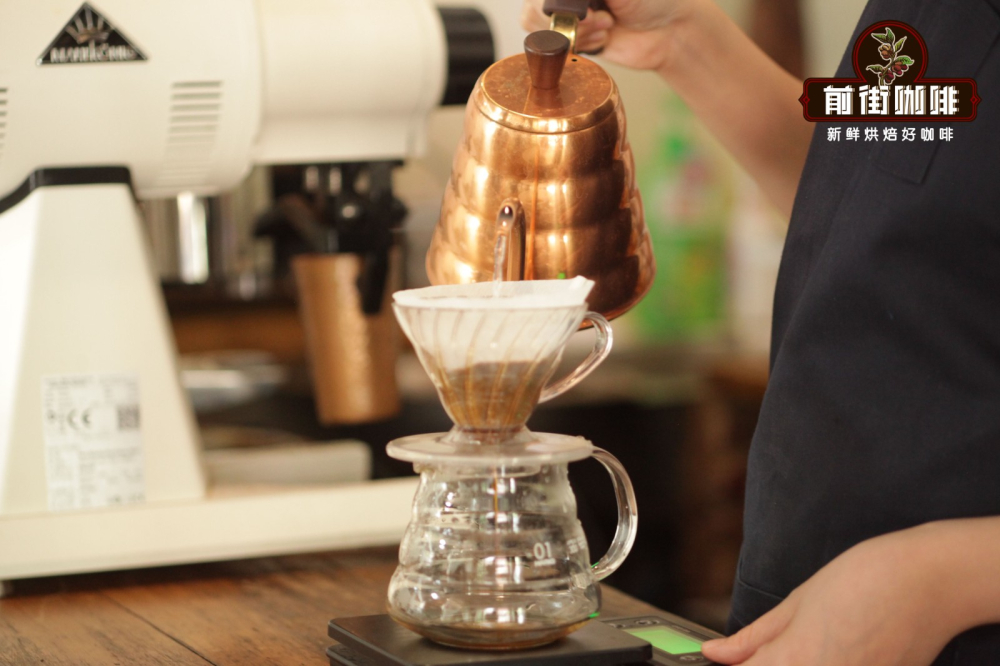
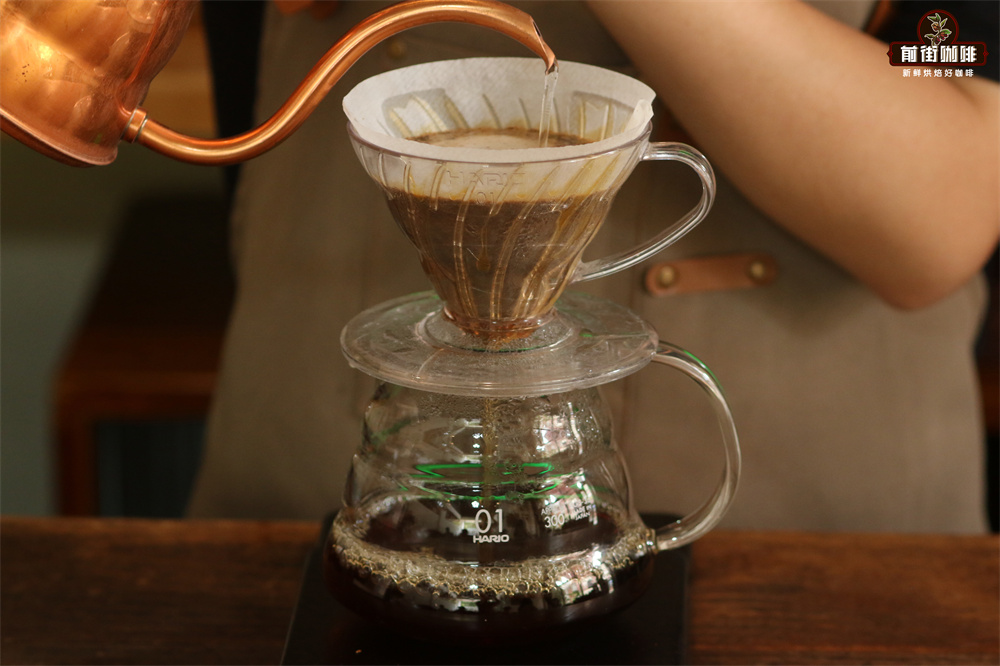
Drip coffee or pour-over coffee is made by placing coffee grounds on filter paper or a metal filter, and pouring hot water from top to bottom. The coffee concentration depends on the water ratio and the coarseness of the grounds, but is generally lower than espresso.
Drip coffee makers were very common in the United States before the 1970s. Unlike the moka pot mentioned above: hot water boils and enters the top chamber, then flows down through the coffee grounds back into the heating chamber, repeating this cycle several times. It is precisely because the hot water passes through the coffee grounds multiple times in this method that the coffee may taste relatively inferior.
Filtration method
The French press is a slender glass cylinder with a plunger fitted with a filter. Hot water and coffee grounds steep in the cylinder for four to seven minutes, then the grounds are pressed to the bottom by the plunger filter, and the coffee on top can be poured out and drunk. This "full immersion method" is regarded by many experts as the ideal home method for brewing coffee, characterized by allowing you to taste the full flavor of the coffee.
Cold brew method
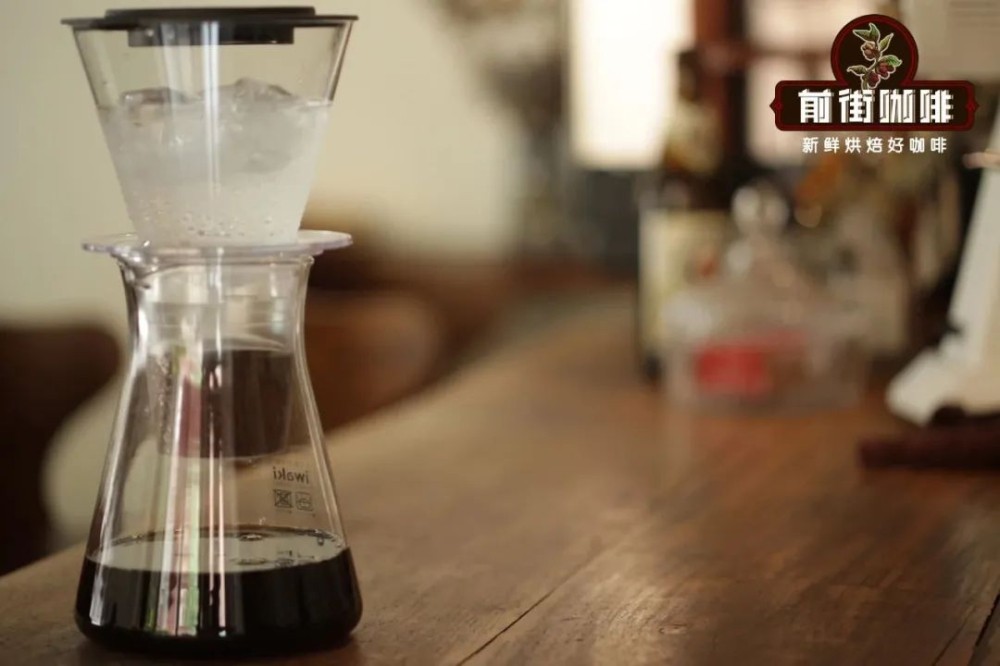
Cold brew coffee, also known as ice drip coffee, differs from the other four methods above mainly in that it does not use hot water, but instead uses ice water produced by slowly melting ice cubes, which slowly drips through a filter containing coffee grounds. The entire process is very, very slow to obtain a cup of cold brew coffee, so the cost is relatively high, but the flavor is extremely unique.
Drip coffee is a brewing method invented by a German, and the Melita coffee pot filter paper seen everywhere in supermarkets is exactly the brand this German founded back then. Simply put, the drip coffee method is to grind coffee into powder, put it in a funnel, pour hot water on top, and the coffee liquid flows out from the bottom under Earth's gravity. (If you travel to space, achieving this process without gravity would be rather troublesome.) In fact, most coffee machines on the market use this method to make coffee, just with electricity to heat the water. However, these electric coffee pots have a problem: the vast majority of products do not have enough power, and the heated water temperature cannot reach the ideal brewing temperature, so the coffee often has a sour and astringent taste.
The ideal brewing water temperature for most coffees is between 88 and 92 degrees Celsius. Because coffee beans vary in origin, variety, and roast level, the optimal brewing temperature also differs, but it basically falls within this range. When the water temperature is too low, the coffee is under-extracted and tastes sour and astringent; when the water temperature is too high, the coffee is over-extracted and tastes bitter.
For Front Street pour-over, medium-dark roasted coffee beans are brewed at 88 degrees Celsius, while medium-light roasted coffee beans are brewed at 91 degrees Celsius.
After understanding this principle, if you use an electric coffee pot with low power, you should try to choose coffee beans with lower acidity and a darker roast for brewing.
Manual brewing of drip coffee is also simple and inexpensive. A good coffee grinder that can grind coffee beans into fairly uniform powder; a kettle that can boil water; plus a device that can filter coffee grounds, and you're set. There are many choices for this filter, some using filter paper and some not. Filter paper is somewhat controversial—some believe coffee filtered through paper tastes cleaner, while using a mesh filter often lets grounds fall into the cup, which is unpleasant; others feel that filter paper filters out the aromatic oils in coffee and also imparts an unpleasant papery taste. However, these taste disputes are purely a matter of personal preference.
The characteristic of the drip method is continuous extraction through ongoing pouring. Besides time, the size and height of the pour are also factors affecting the coffee's taste.
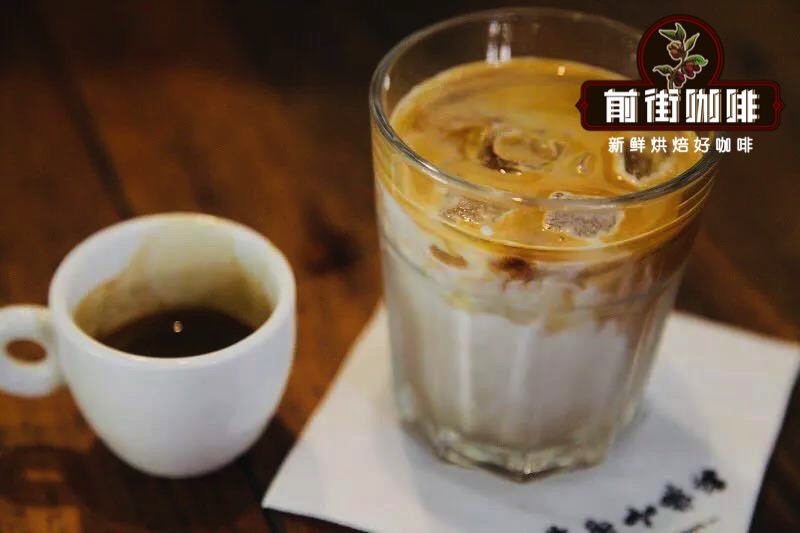
Drip coffee was the coffee people were accustomed to drinking in most parts of the world outside the Arab region and the Balkans before espresso became popular. This coffee tastes much lighter than espresso, but for those just starting to drink coffee, it may be easier to accept. Because espresso is too complex to make, few people to this day can master it well. So although espresso appears to be popular worldwide, even now, more people drink drip coffee. Especially when making coffee at home or for individuals, drip coffee is also the most traditional and easiest option to operate. And it has no layering, a pure taste, and consistent quality—this is because without the influence of pressure, hot water can more fully absorb the coffee oils and aromatic substances, making the coffee taste softer.
Perhaps the lighter taste of drip coffee is easier for first-time coffee drinkers to accept, and it is also a common way to make coffee at home. Of course, choosing between these two coffees also depends on your personal preference—some people like the silky mouthfeel of milk-based coffee, while others prefer the pure flavor of drip coffee.
For example: the two drippers Front Street uses most often when brewing are the V60 and the KONO dripper.
The V60 dripper is very suitable for emphasizing the acidity and floral aroma of coffee. Although it uses filter paper, the V60 can still retain a considerable amount of coffee oils, maintaining body. For example: Ethiopian coffee, Kenyan coffee, Panama Geisha coffee, and so on.
The KONO dripper is very suitable for brewing medium-dark roasted coffee beans, and can highlight the rich, smooth mouthfeel of the beans. For example: Blue Mountain coffee, Mandheling coffee, Colombian Huila coffee, etc.
Front Street brewing recommendations:
No matter which coffee you brew, the freshness of the coffee beans is crucial. Front Street has always believed that the freshness of coffee beans has a huge impact on coffee flavor, so the coffee beans shipped by Front Street Coffee (FrontStreet Coffee) are all within 5 days of the roast date. Front Street's roasting philosophy is "freshly roasted good coffee," so that every customer who places an order receives the freshest coffee when it arrives. The resting period for coffee is about 4–7 days, so when the customer receives it, it is at its peak flavor.
For friends who need ground coffee, Front Street kindly reminds you: once coffee beans are ground in advance, they no longer need resting, because the pressure generated by carbon dioxide inside the packaging during transport can also round out the coffee's flavor, so you can brew a cup immediately upon receiving the ground coffee. However, ground coffee needs to be brewed promptly, because after exposure to air it oxidizes quickly—meaning the coffee's flavor dissipates faster and the coffee won't taste as good. Therefore, Front Street recommends buying whole beans and grinding fresh for each brew, so you can better taste the coffee's flavor.
The above content is compiled by CoffeeHunters, a coffee news website.


