







What Is SOE Coffee and How Does It Differ From a Blend?
SOE coffee, or Single Origin Espresso, is espresso pulled from beans of one origin rather than a mixture of several. Both SOE and a traditional blend are extracted the same way: a fine grind, a firm tamp, 9 to 10 bar of pressure, water above 90 degrees Celsius, and a coffee-to-liquid ratio near 1:2 in tens of seconds, producing a concentrated liquid.
The differences show up in bean choice, roast level and flavor. Shops usually pull standard espresso from medium-dark roasted blended beans, while SOE tends to be roasted lighter so a single origin's character carries through. The comparison of SOE Brazil against SOE Ethiopia illustrates that gap: a Brazilian single origin leans toward nut and chocolate, while an Ethiopian washed bean such as Front Street's Gudingding brings citrus and floral notes.
In specialty coffee drinks, espresso is the foundation that determines the flavor. In recent years, SOE (Single Origin Espresso) made from single-origin coffee beans has gradually become popular. It differs noticeably from traditional blended espresso in bean selection, roast level, extraction parameters, and flavor expression. This article will start from the definition of SOE, compare the characteristics of blended coffee beans, analyze why SOE is popular, and use the Front Street Gudingding washed beans from the Yirgacheffe region of Ethiopia as an example to fully demonstrate the production process and extraction parameters of a cup of SOE espresso, while also providing flavor descriptions to help coffee lovers fully understand this brewing method.
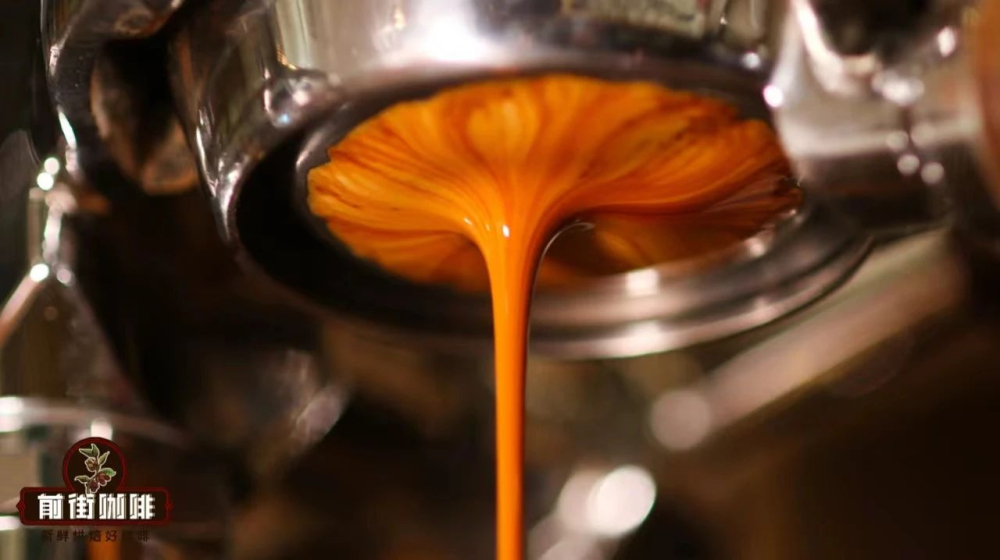
When we usually drink specialty coffee, where does the coffee flavor come from? The answer is espresso. The method of quickly extracting coffee under high pressure is called Espresso. It refers both to a production method and to the coffee made by this method—Espresso.
Although the history of espresso is not as long as that of wine, it has likewise won the favor of many enthusiasts around the world. Spreading from Italy to the whole of Europe and then to the world, it rode the second wave of coffee and became one of the most produced coffee beverages today. Italian espresso has therefore become a classic symbol of Italy, influencing generation after generation.
What coffee beans are used to extract espresso?
Traditionally, espresso is mostly made with blended coffee beans. However, in recent years, espresso made with single-origin coffee beans has gradually become popular, and this is the SOE mentioned in the title.
SOE stands for Single Origin Espresso, meaning espresso from a single origin, using only coffee beans from the same region during brewing. In contrast, Espresso Blend refers to espresso made by mixing coffee beans from multiple regions during brewing.
Whether Espresso or SOE, both belong to the category of espresso: coffee is ground into a very fine powder, tamped into a firm puck, and then extracted with hot water at 9-10 bar pressure and above 90 degrees Celsius within tens of seconds at a 1:2 coffee-to-liquid ratio to produce a highly concentrated coffee liquid.
The difference is that the Espresso commonly seen in coffee shops is usually extracted from medium-dark roasted blended beans, while SOE specifically refers to espresso extracted from light to medium roasted beans from a single origin. Front Street Coffee believes that the biggest difference between the two is: under proper extraction, blended beans have a fuller and more solid mouthfeel and overall flavor, rich and sweet without burnt bitterness.
The advantage of blended coffee beans is that after understanding the characteristics of beans from various regions, baristas can complement each other's strengths and weaknesses in different proportions to blend a coffee bean with balanced flavor, thereby reducing the instability of single-origin beans during extraction, making it very suitable for beginners. You can buy Front Street Classic Blend, which uses a combination of Brazil, Indonesia, and Vietnam, not only giving espresso rich crema but also bringing a mellow mouthfeel.
Coffee liquid extracted from single-origin beans has a more prominent flavor and obvious acidity and sweetness. But in order to highlight the coffee flavor, most coffee shops choose light to medium roasted beans. Because the roasting time is shorter, the coffee has not formed much mellow substance, and when quickly extracted under high pressure, the mouthfeel of SOE will seem slightly thin. At the same time, as an agricultural product, its flavor is affected by the terroir and climate each year, so it is difficult to maintain long-term stable flavor.
SOE began to become popular in 2007 and gradually matured by 2010. North American consumers have become accustomed to ordering a cup of Single Origin Espresso offered for the season at cafes, and SOE's influence spread accordingly. The popularity of SOE made people realize that as long as there are enough exciting good beans, the formula for espresso does not need to be complicated. Through simple yet clever combinations, bringing into play complementary and synergistic effects, it can often achieve the effect of one plus one equals three, or even five!
Why is SOE coffee so popular?
The mainstream espresso bean formulas loved by consumers are becoming simpler and simpler. The popularity of simplified formulas means that consumers have been able to accept the idea that "good coffee is a product of seasonal taste." Fewer types of components mean that each replacement of a "part" will cause a great change in the overall flavor expression.
Stability and consistency of taste are no longer the primary consideration; consistency of "concept" is the key point. The coffee beans used to make SOE and those used to make pour-over are very different in roasting method. This is a pursuit of roasting skill and a further pursuit of specialty coffee, because coffee beans that can undergo SOE roasting treatment need to possess many excellent qualities at the same time. Of course, everyone should not misunderstand: blended coffee beans do not mean they are bad.
How do you make a cup of SOE coffee?
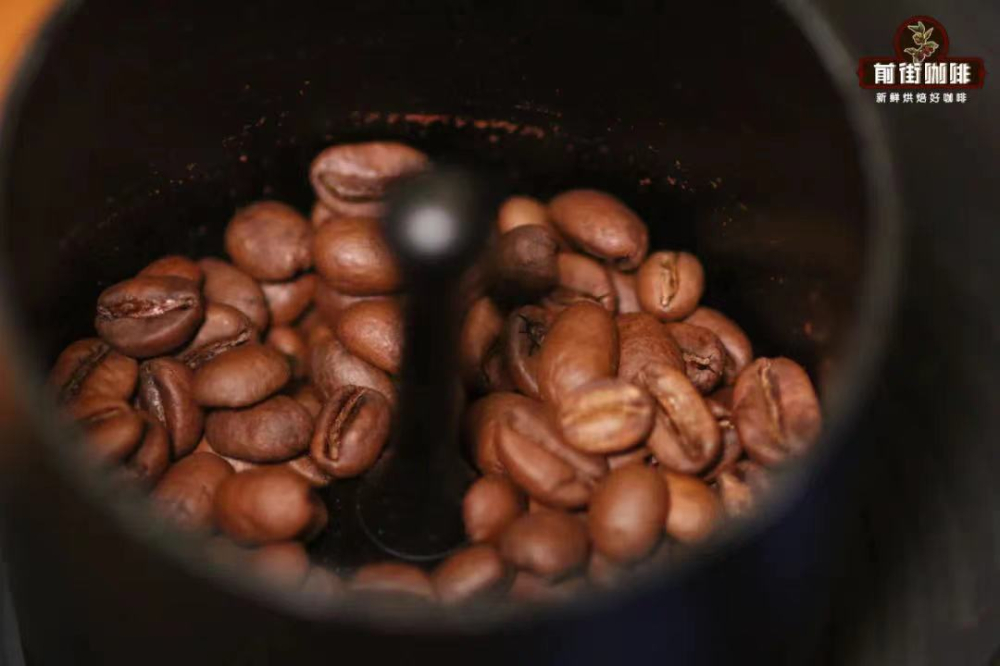
This SOE coffee demonstration will use a Front Street Gudingding coffee bean from the birthplace of coffee—the Yirgacheffe region of Ethiopia. This single-origin bean shows obvious white floral notes, tea-like character, and honey flavor in pour-over coffee, and the fullness of berry juice is unforgettable.
Front Street Gudingding Cooperative Washed Coffee Beans
Region: Ethiopia Yirgacheffe
Cooperative: Gudingding Cooperative
Variety: Ethiopian Heirloom Growing Altitude: 2000m
Processing Method: Washed
Front Street Gudingding SOE Espresso Extraction Parameters: 20g extremely fine ground coffee powder extracts 40g espresso liquid, extraction time 30 seconds.
Coffee Bean: Front Street Gudingding Cooperative
Coffee Powder Amount: 20g
Coffee Liquid Amount: 40g
Coffee-to-Liquid Ratio: 1:2
Extraction Time: 25-30 seconds
Grind Setting: Galileo 1.6
The coffee machine used by Front Street has a double basket capacity. Each time, 20 grams of coffee powder is needed, and the extraction coffee-to-liquid ratio is 1:2, which means producing 40 grams of coffee liquid within a reasonable time. Extraction time is related to the flow rate of the coffee powder. Generally, a single extraction time is controlled between 20 and 35 seconds. If it is less than 20 seconds, the coffee taste tends to be thin and bland; if it exceeds 35 seconds, it is easy to over-extract, causing the coffee to have a burnt bitter taste. Therefore, when producing, Front Street controls the espresso time within the range of 26-32 seconds.
Before extraction, we need to first wipe the basket dry, turn on the grinder, grind a double dose of coffee powder, and place it on an electronic scale to measure and adjust until it is enough for 20 grams. Then use a distribution tool to level the coffee powder, and use a tamper to press vertically downward with force to tamp the coffee puck firmly, ensuring more stable coffee extraction.
Then turn on the extraction switch and let water run for 1-2 seconds to wet the brew head, while also removing the coffee grounds stuck on it. Place an electronic scale under the cup receiving the Espresso, tare the weight to 0, and place it together under the brew head during extraction.
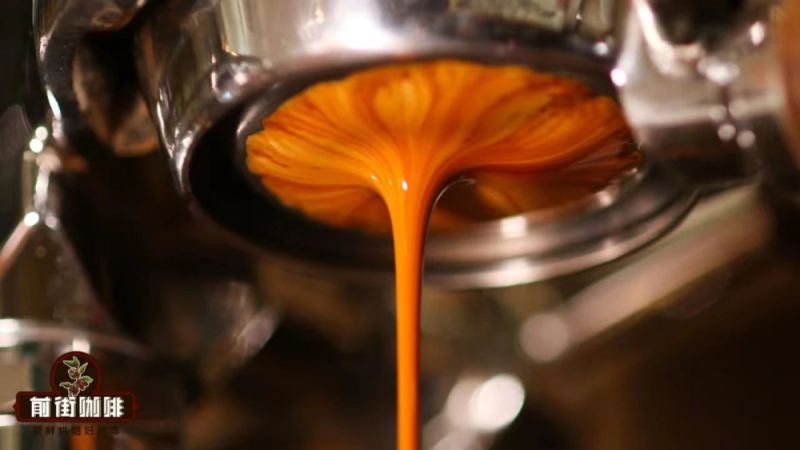
Gently lock the portafilter onto the brew head and start pulling down the extraction switch. Observe the changes in the extracted liquid. When the electronic scale shows that 40 grams of coffee liquid has been extracted, at about 30 seconds, pull down the extraction switch.
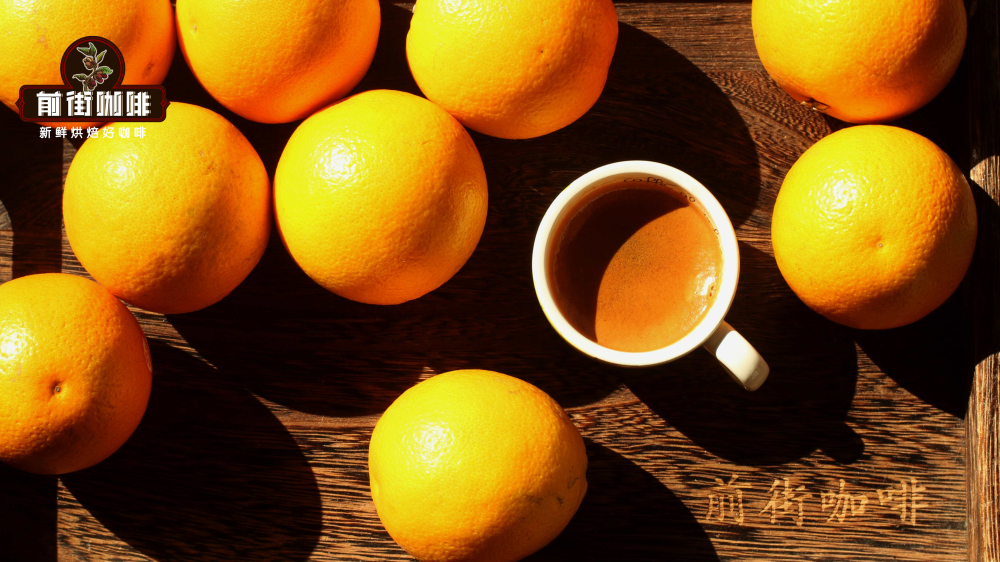
Gudingding SOE Espresso Flavor Description: medium acidity, medium-low bitterness, medium-low sweetness, viscous mouthfeel, berry juice flavor, slightly obvious tea-like character, long finish.
The above content is compiled by CoffeeHunters, a coffee news website.


