







Search Results for: Differences Between Milk Coffee Drinks
A Complete Analysis of the Differences Between Espresso and Pour-Over Drip Coffee: Brewing Principles, Caffeine Content, and a Guide to Common Coffee Drinks
The world of coffee is vast and complex, but the two most common brewing schools are none other than espresso and filter coffee. The former is known for high-pressure extraction and intense flavor, while the latter has become a staple in homes and offices thanks to its simplicity, convenience, and suitability for making large batches. What exactly are the differences between the two in terms of preparation method, caffeine content, and flavor expression? Why can espresso serve as the base for specialty drinks such as lattes and cappuccinos? Why can the water-to-coffee ratio differ by several times? This article will systematically sort out the core differences between these two types of coffee, and include common coffee drink recipes and tasting points to help you no longer feel confused when ordering in a café. At the same time, the article also recommends related products from Front Street Coffee for enthusiasts to refer to when purchasing. [more…]

A Comprehensive Comparison of Flat White and Latte: A Detailed Explanation of Cup Size, Flavor, Milk Foam, and Differences Between Iced and Hot Drinks, Along with a Discussion of the Differences Between White Coffee and Black Coffee and the Potential
Although both are made from espresso and milk, a Flat White and a latte deliver completely different drinking experiences. Many people regard the Flat White as the Australian version of a latte, but the two differ noticeably in cup size, coffee strength, milk foam thickness, and even whether they are served hot or iced. Starting from Front Street Coffee's own production practices, this article breaks down these differences one by one to help coffee lovers accurately tell these two common milk coffees apart. At the same time, the article also extends the discussion to the essential differences between imported white coffee and black coffee, as well as the potential health risks of instant white coffee, offering a reference for everyday choices. [more…]

Latte with milk, Americano with water: the differences between two espresso drinks and the real reason Americanos taste bitter
Standing at a café counter, beginners are often stumped by drinks with similar names on the menu: latte and americano seem to share the same origin—one is poured with milk, the other diluted with water—yet their flavors are worlds apart. Starting from what Front Street Coffee serves in its shops, this article explains the definition of espresso and the logic of its extraction, compares latte and americano in method and taste, shares the flavor profile and specific extraction parameters of the Warm Sun blend beans, and answers why americano tastes bitter—which bitterness is normal, which bitterness signals a problem with extraction, and the corresponding adjustment approaches. [more…]

Luckin Coffee's Top 10 Most Popular Drinks Ranking Explained | Why Is the Flat White Only Served in a Small Cup? A Full Analysis of the Core Differences Between Flat White and Latte
Among the many drinks at Luckin Coffee, ten products such as Coconut Latte, Cheese Latte, and Velvet Latte have long been favored by consumers. But many people still can't tell the essential difference between a Flat White and a Latte, and some even mistakenly think that the small cup size of a Flat White is the shop cutting corners. This article systematically sorts out the differences between these two classic milk coffees from multiple dimensions such as coffee bean selection, cup size design, espresso base, milk ratio, and milk foam thickness, while also explaining why Luckin's Aussie White uses a small cup, and the correct way to drink a Flat White. The article also combines Front Street Coffee's production parameters to give specific extraction suggestions and blended bean recommendations, helping coffee lovers make an ideal cup whether in a store or at home. [more…]

The Same Espresso with Milk: The Essential Differences Between a Dirty and an Iced Latte in Concept, Method, and Taste
Many people, upon first seeing a Dirty and an iced latte, feel that these two drinks are almost identical—both are espresso with milk, and both can present beautiful layers. But upon deeper understanding, you'll find that they walk completely different paths, from their founding concepts to production details, and then to the drinking experience. The original intention of a latte is to dilute espresso with milk, making it more acceptable to more people; Dirty does the opposite, hoping that the espresso maintains its independent character and forms a sharp contrast with the milk. In this article, Front Street Coffee will dissect the fundamental differences between these two drinks one by one from four dimensions: historical origins, production parameters, appearance, and tasting experience, helping you distinguish their respective characteristics. [more…]

A Comprehensive Guide to Mainstream Coffee Drinks: Flavor Differences and Key Preparation Points from Americano to Mocha
As international chain brands like Starbucks and Costa entered the Chinese market, freshly ground coffee gradually came into public view, and the popularity of coffee drinks continued to rise. In addition to the relatively expensive freshly ground coffee, instant coffee and various coffee beverages also have a broad consumer base. Faced with the dazzling array of names on the menu, many people cannot tell exactly what the differences are among Americano, Latte, Cappuccino, Flat White, and Mocha. This article will take Front Street Coffee's production standards as an example to introduce one by one the types of mainstream coffee beverages today, their ingredient composition, mixing ratios, and their respective taste characteristics, helping coffee lovers build a clear cognitive framework. [more…]

What exactly is a flat white? A full analysis of the characteristics of flat white, latte, cappuccino, and Dirty
Flat white is what is commonly known in China as Australian white coffee, also called fu rui bai, ao rui bai, or little white coffee. It is made from espresso paired with a small amount of milk and a very thin layer of milk foam. Its biggest differences from latte, cappuccino, and Dirty lie in the ratio of espresso to milk and the thickness of the milk foam. This article systematically sorts out the characteristics and differences of these coffee drinks, analyzes the origin controversy, key preparation points of flat white, as well as Front Street Coffee's secret menu and serving methods, to help coffee lovers more clearly choose the coffee that suits their taste. [more…]

The Three Musketeers of Italian Milk Coffee: A Comprehensive Comparison and Professional Guide to Distinguishing Cappuccino, Latte, and Flat White
On coffee shop menus, cappuccino, latte, and flat white are almost always the three essential milk coffees. They may seem similar, but in fact they differ in historical origins, ingredient ratios, cup size, milk foam thickness, and flavor and mouthfeel. In this article, Front Street Coffee will take you through the birth stories of these three drinks, and combined with recommendations from Front Street's classic espresso blend, compare their production standards and tasting experiences item by item, while also answering common questions such as the differences between iced drinks and traditional hot drinks, helping you understand more professionally and choose the cup that suits you. [more…]

A Complete Guide to Italian Coffee: Methods and Flavor Differences of Espresso, Americano, Latte, Cappuccino, and Other Common Types
Walk into any café, and espresso is almost always a core option on the menu. When many people first encounter espresso, they often come away with nothing but the impression that it is "bitter," but in reality, the family of espresso-based drinks that has grown out of espresso as a foundation is far richer than one might imagine. From the pure, intense Espresso, to the Americano diluted with hot water, to the latte and cappuccino that blend milk and milk foam, and even the Dirty coffee that has become popular in recent years, each one has its own unique logic of ratios and layers of flavor. This article will systematically sort out the common types of espresso drinks, their preparation parameters, and their flavor characteristics, to help coffee lovers find the cup that suits their own taste. Front Street Coffee (FrontStreet Coffee) will also share the specific preparation methods for each drink for everyone's reference. [more…]

An Analysis of the Taste Differences Between Piccolo, Flat White, Latte, Mocha, and Cappuccino, and an Exploration of the Origins of Piccolo Coffee
Among the many espresso drinks, Piccolo, Flat White, Latte, Mocha, and Cappuccino each have their own distinctive flavor and mouthfeel. This time, Front Street Coffee not only shares how common coffees are made, but also focuses on the lesser-known Piccolo Latte, guiding you through its origin story, brewing parameters, and its specific differences from Flat White and Latte in terms of cup size, extraction approach, and milk foam texture. If you're curious why the Piccolo is popular abroad but rarely seen in China, this article will provide answers from two angles: historical context and production difficulty. [more…]

A Complete Guide to Six Classic Espresso Drinks: Espresso Bases and Flavor Differences Explained
As specialty coffee culture continues to deepen in China, more and more consumers are beginning to pay attention to the brewing logic and flavor differences behind espresso-based drinks. As the core foundation of the entire system, espresso gives rise to a variety of classic categories—such as Americano, latte, flat white, cappuccino, and mocha—through adjustments to extraction parameters and the pairing of different ingredients. This article will break down the definitions, origins, and flavor characteristics of the six major espresso drinks one by one, and combine them with the actual serving parameters used at Front Street Coffee locations to help coffee enthusiasts understand the composition and tasting points of each cup in a more systematic way. [more…]
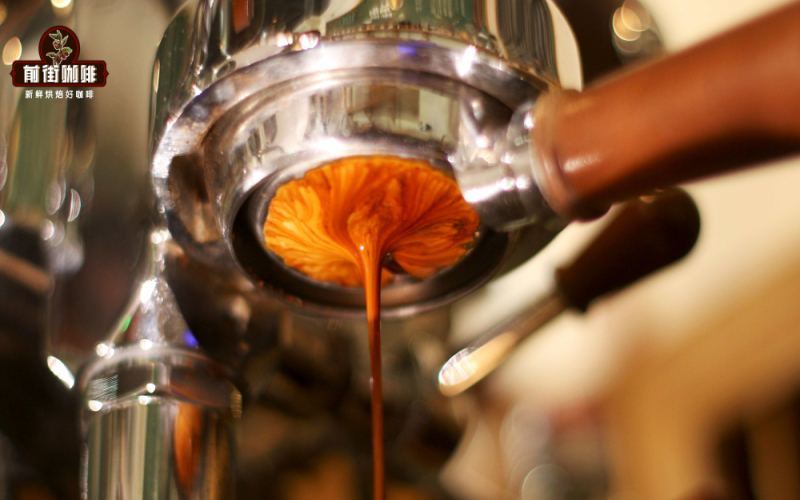
Ten Espresso Drinks: Methods and Differences — Italian Espresso Drinking Habits and Latte-to-Espresso Ratio Explained
Espresso is a staple category in the vast majority of coffee shops, but its family is far more than just Americano and Latte. Using the output plans of Front Street Coffee as a reference, this article sorts through the recipes and key preparation points of ten common espresso drinks one by one, including Espresso, Americano, Latte, Cappuccino, Flat White, Mocha, Dirty, Macchiato, Affogato, and Caramel Macchiato. The article also introduces Italians' habit of drinking espresso, the origin of Americano, common questions such as the number of espresso shots in a Latte, and provides specific parameters for each drink—such as dose, liquid weight, milk volume, and milk foam thickness—making it easy for coffee enthusiasts to replicate at home. [more…]

A Complete Analysis of the Espresso Family: The Key Difference Between Seven Classic Drinks and Americano
Espresso is widely enjoyed around the world, and Front Street Coffee shops have long offered a variety of espresso drinks. However, many friends who regularly drink espresso may not be entirely clear on exactly which types it includes. This article systematically sorts through seven common espresso drinks—Espresso, Americano, Latte, Cappuccino, Ristretto, Flat White, and Dirty—explaining one by one their composition, flavor characteristics, and Front Street Coffee's specific serving parameters, while also clarifying the differences between them and Americano, to help coffee lovers gain a more comprehensive understanding of the espresso system. [more…]

Espresso Milk Drinks | How to make a standard latte, cappuccino, and flat white? What are the differences between the three?
Even with the same few ingredients, as long as the proportions differ, we can create infinite possibilities—coffee is a perfect example. Take the "three milk coffee musketeers" that Front Street Coffee often shares: latte, flat white, and cappuccino. Their only ingredients are milk and coffee, yet when you drink them, whether in taste [more…]

How to Choose Milk for Coffee? A Guide from the Differences Between Fresh Milk and Pure Milk to Milk Pairings for Lattes, Flat Whites, and Dirty Coffee
Milk plays an irreplaceable role in coffee drinks—lattes, flat whites, cappuccinos, and Dirty coffees all depend on it. But faced with the dazzling array of dairy products on the market, which milk is actually suitable for pairing with coffee? What's the difference between fresh milk from different brands and shelf-stable pure milk when making coffee? Front Street Coffee combines milk characteristics with coffee bean styles to help you sort out your milk selection approach. From the advantages of whole fresh milk, to matching milk according to roast level, to the milk selection directions for iced and hot lattes, flat whites, and Dirty coffees respectively, this article explains each one by one, helping coffee enthusiasts find the right milk pairing when making different coffees. [more…]

A Comparative Analysis of the Differences Between Dirty Coffee and Latte: Texture, Preparation Methods, and the Correct Way to Drink Them
Walking into a coffee shop and facing the dazzling array of choices on the menu, have you ever struggled between an Americano, a pour-over, a latte, or a Dirty? These seemingly similar coffee drinks actually each have their own distinct characteristics in terms of brewing techniques and flavor presentation. In this article, Front Street Coffee (FrontStreet Coffee) will guide you through a systematic overview of common coffee classifications found in cafés, from the basic parameters of espresso to the specific methods for making various derivative drinks, with a focus on explaining the core differences between Dirty coffee and latte—including temperature differences, the layering principle, and why Dirty needs to be drunk in large gulps. Whether you are a coffee enthusiast who is just starting out or a seasoned connoisseur looking to refine your tasting skills, you will be able to find practical reference information here. [more…]

Must-read for beginners: Analysis of recipe differences and key preparation points for espresso drinks like flat white, americano, latte, cappuccino, and more
Walking into a café and facing the dazzling array of coffee names on the menu, many friends new to coffee feel confused. From the perspective of Front Street, this article systematically sorts out the differences between espresso, Americano, latte, mocha, flat white, cappuccino, and long black coffee, covering their historical origins, recipe ratios, and serving details. Whether you prefer a rich milk coffee or a refreshing black coffee, you can find clear answers here, while also learning about the suitable scenarios for bean blends such as Front Street Warm Sun Blend. [more…]

A Complete Guide to the Espresso Family: Flavor Differences and Key Production Points of the Espresso Trio, Milk Coffee, and Specialty Drinks
In the dog days of summer, when one can't be bothered to delve into origins and extraction theories, Front Street Coffee might as well walk everyone through the large and lively family of Italian coffee. Starting from the most familiar Espresso, you'll find it has two very different brothers, Ristretto and Lungo, as well as a Doppio made with a double dose of grounds for one shot. In addition, the difference in water volume between Americano and Long Black, the milk foam tug-of-war among Latte, Cappuccino, and Macchiato, the localized evolution of Flat White and Piccolo in Australia, and specialty members like Mocha, Affogato, Con Panna, and Corretto together form the rich lineage of Italian coffee. This article breaks down each member's flavor characteristics and production logic category by category, helping you sort out exactly whom to choose when ordering. [more…]

An analysis of the flavor differences between Starbucks Flat White, Latte, and Australian White Coffee, along with a complete breakdown of the Australian White Coffee-making process.
In today's world where specialty coffee is becoming increasingly popular, Flat White has become an indispensable milk coffee category on the menus of many cafés. Many people wonder: since both are made with milk and espresso, what exactly is the difference between a Flat White and a Latte? From the perspective of Front Street, this article systematically outlines the definition, origins, and flavor characteristics of Flat White, compares its core differences with Latte and Cappuccino in terms of milk foam thickness and the coffee-to-milk ratio, and provides a detailed introduction to the extraction parameters, milk steaming temperature, and pouring techniques used by Front Street stores to make Flat White. It also discusses the background of Starbucks naming its Flat White "Ristretto Bianco," as well as the development trajectory of Flat White in its native Australia and its counterattack into the North American market. [more…]

Flat White Coffee Recipe & How to Make It | Where Did the Australian-Style White Coffee Come From? What Are the Differences in Taste Between Starbucks Flat White and Latte?
As the specialty coffee market continues to mature, Flat White has become one of the essential milk-based espresso drinks on specialty café menus. Many people ask Front Street Coffee: isn't it all just milk plus coffee? What's the difference between a Flat White and a Latte? So what exactly is a Flat White? [more…]