







What separates espresso drinks like the italian macchiato?
Espresso anchors most coffee shop menus, but the family runs well past Americano and Latte. The ten common drinks are Espresso, Americano, Latte, Cappuccino, Flat White, Mocha, Dirty, Macchiato, Affogato and Caramel Macchiato. Each differs mainly in espresso dose, milk volume and foam thickness, so a standard double shot near 20 grams yielding about 40 grams of liquid is the usual baseline.
In Italy, a strong espresso is drunk standing at the bar in a few sips, often after a sip of ice water to cleanse the palate. The italian macchiato is simply espresso marked with a small spoon of milk foam, while a latte carries far more milk. Knowing what is in caramel macchiato, vanilla syrup, milk, espresso and caramel drizzle, helps separate milk-heavy drinks from espresso-forward ones when ordering.
Espresso is a staple category in the vast majority of coffee shops, but its family extends far beyond just Americano and Latte. This article uses the beverage lineup of Front Street Coffee as a reference to go through the recipes and key preparation points of ten common espresso drinks one by one, including Espresso, Americano, Latte, Cappuccino, Flat White, Mocha, Dirty, Macchiato, Affogato, and Caramel Macchiato. The article also covers Italians' habit of drinking espresso, the origin of Americano, common questions such as the number of espresso shots in a latte, and provides specific parameters for each drink—such as dose, yield, milk volume, and milk foam thickness—making it easy for coffee enthusiasts to recreate them at home.
Espresso is basically a category that every coffee shop prepares. This type of coffee doesn't only come in the forms of Americano and Latte. This time, Front Street Coffee will explain one by one the ten common espresso drinks found in coffee shops, along with how each is made.
① Espresso
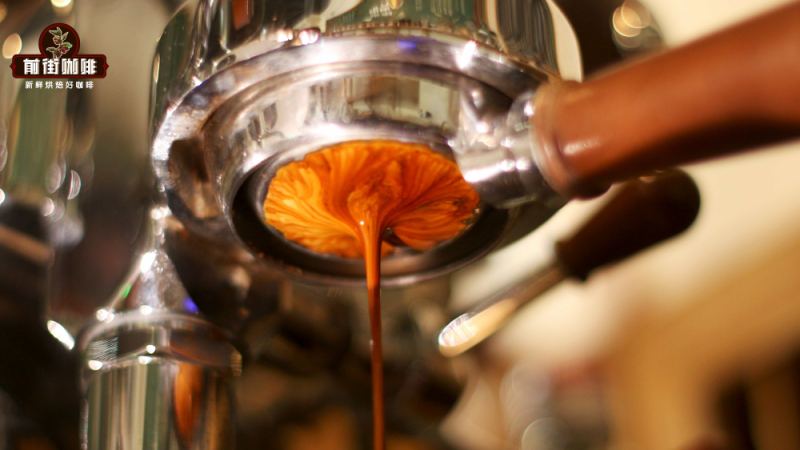
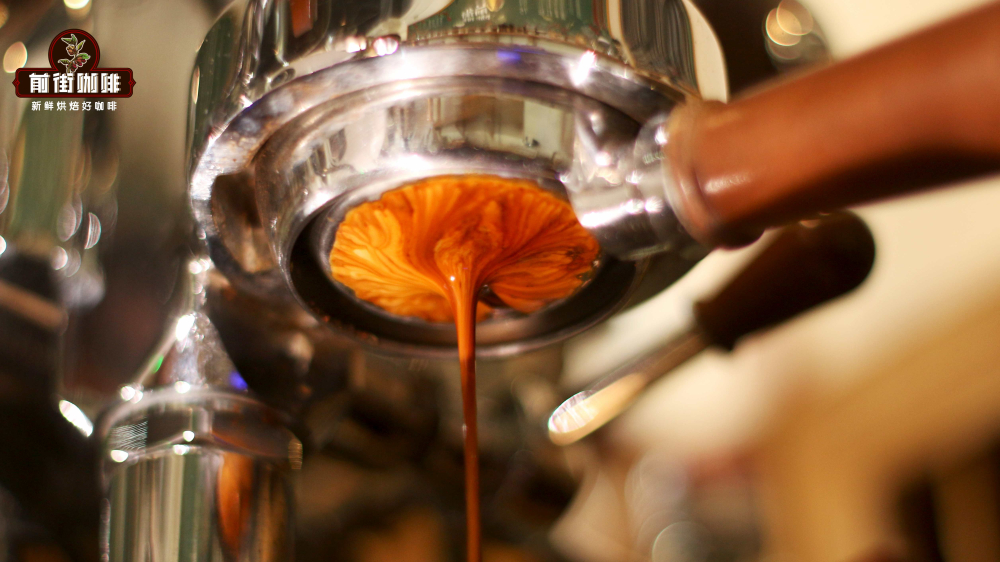
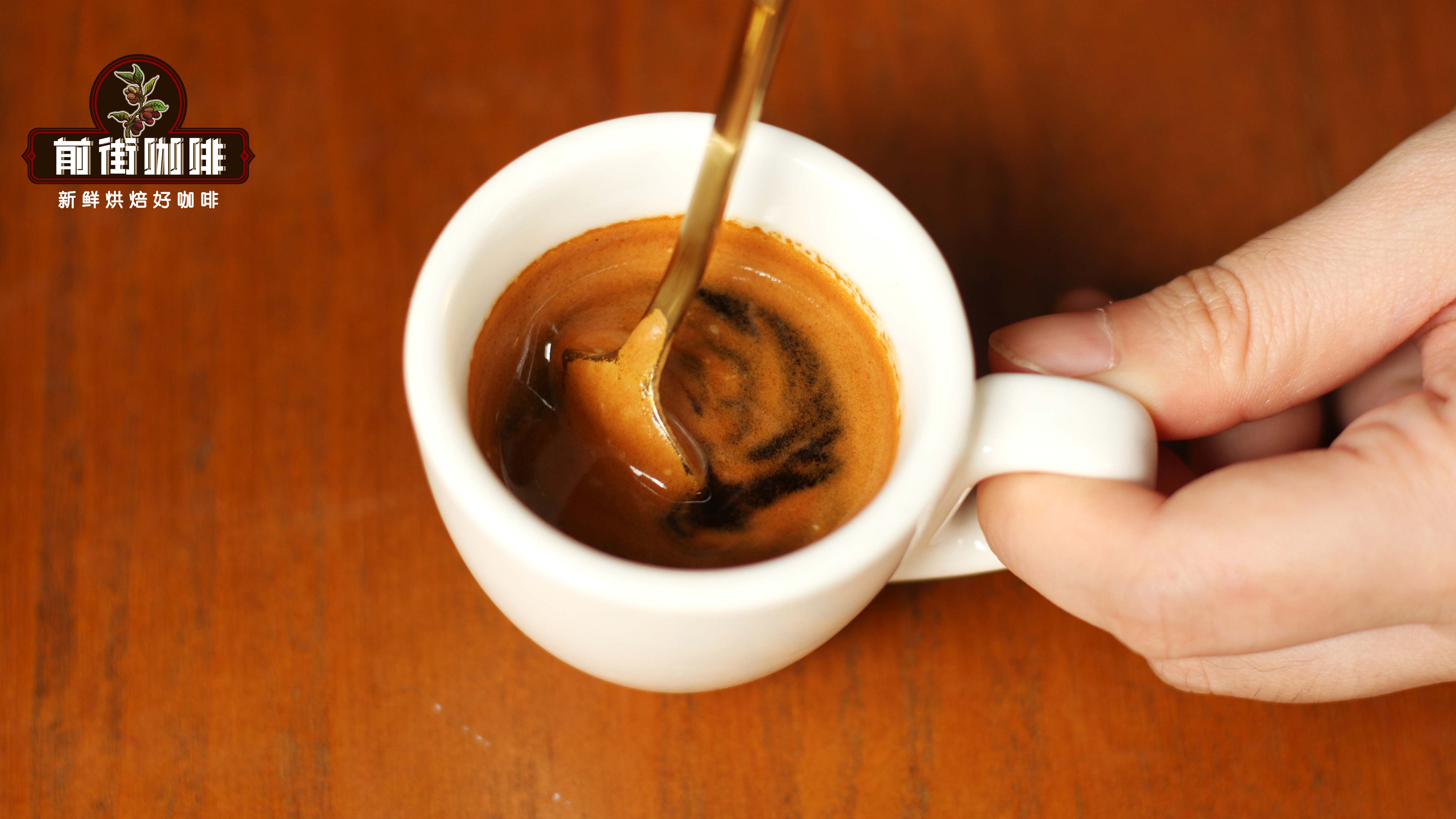
Espresso refers to a concentrated coffee extracted quickly. Pushed by steam pressure of about 9 atmospheres, hot water rapidly penetrates the coffee grounds, fully extracting the soluble substances from the coffee, ultimately producing a cup with high concentration, rich aroma, pronounced body, and bitterness laced with a caramel-like sweetness. Front Street Coffee typically uses a double espresso (20g dose) as the baseline, extracting about 40g of espresso liquid, topped with a fine, thick layer of coffee crema—commonly known as "Crema."
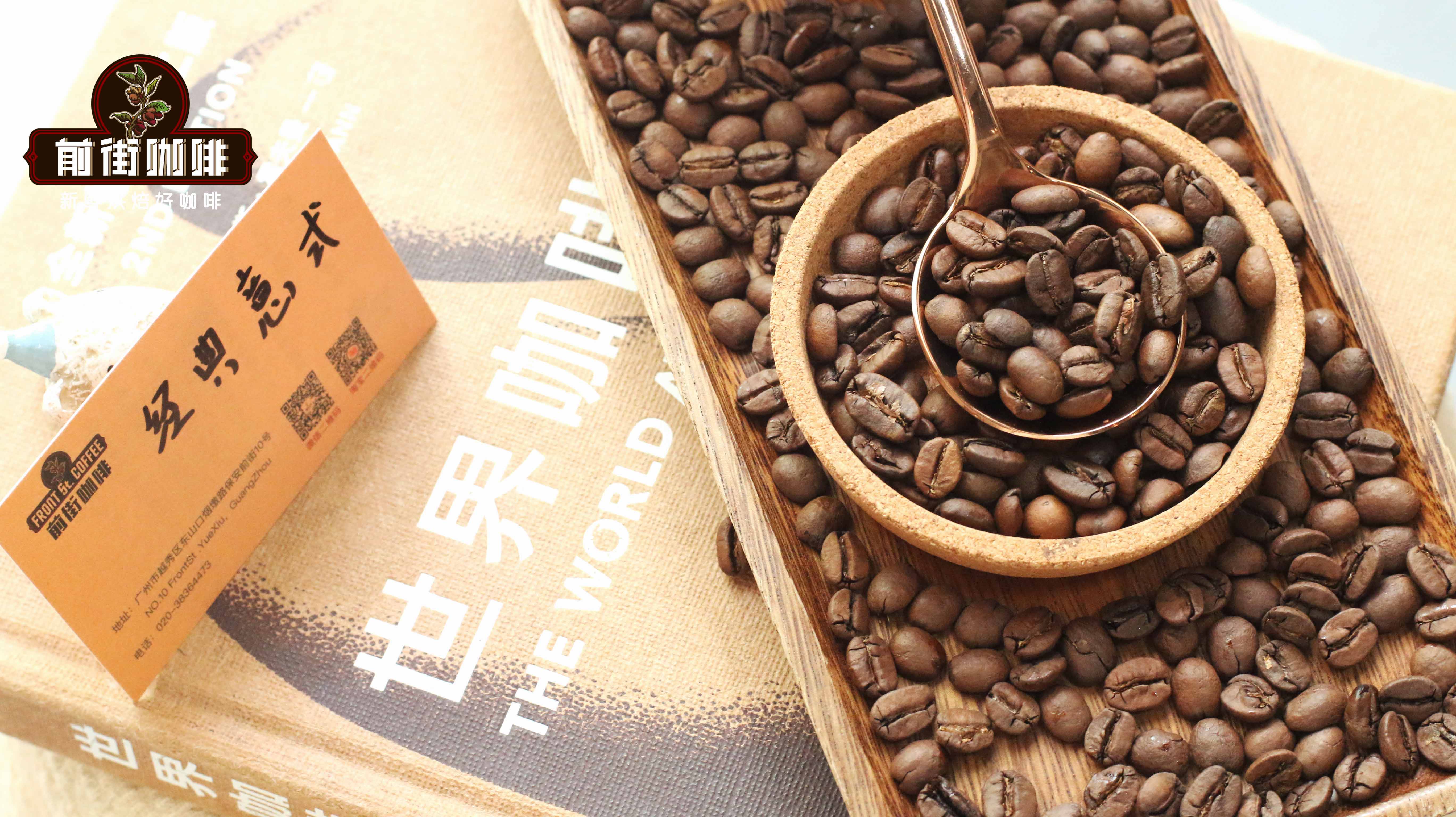
This espresso is made using Front Street Classic Espresso Blend, a recipe combining coffees from Brazil, Indonesia, and Vietnam, with a darker roast profile that maximizes the coffee's rich aroma while producing a richer, denser crema. It works well for both Americano with added water and Latte with added milk, and can be purchased from the Front Street Taobao store or Front Street Tmall flagship store.
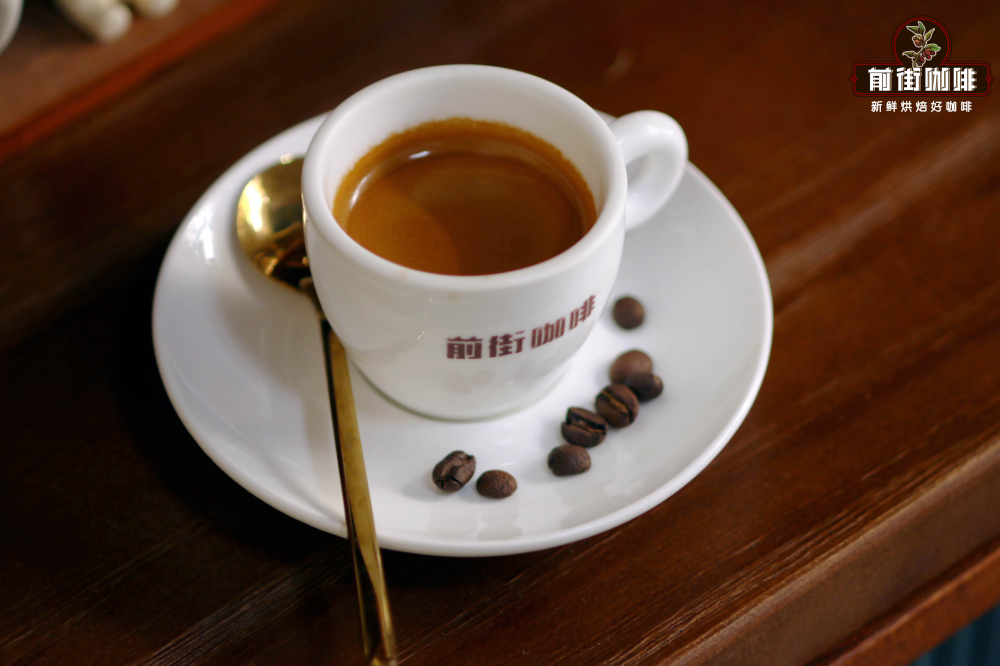
In Italy, such a strong-tasting espresso is usually drunk standing at the bar in a few sips, followed by a bit of chat before leaving. Following local custom, take a sip of ice water first to cleanse the palate and slightly tighten the tongue muscles. After the barista serves the espresso, you can stir it with a spoon to make the liquid more uniform, then drink it in three sips: the first sip captures the flavor, the second experiences the body, and the third senses the sweet aftertaste and lingering finish.
Of course, espresso is the foundation of many espresso drinks. If the espresso extraction fails, it's hard for the other espresso drinks to taste good either.
② Americano
Diluting espresso with hot water gives you an Americano. It originated during World War II when American soldiers landed in Europe; unaccustomed to the local espresso, they added water to dilute it, and it gradually evolved into the Americano. Although after adding a large amount of water the flavor is much softer than espresso, the aroma and flavors don't disappear, and it tastes noticeably different from Americano made by filter brewing. It pairs well with sweets like cookies and muffins, and suits those who can't quite handle the intense taste of espresso.
Front Street Coffee's hot Americano ratio is 40g espresso plus 180ml hot water, yielding about 220ml, with an espresso-to-water ratio of 1:4.5.
③ Latte
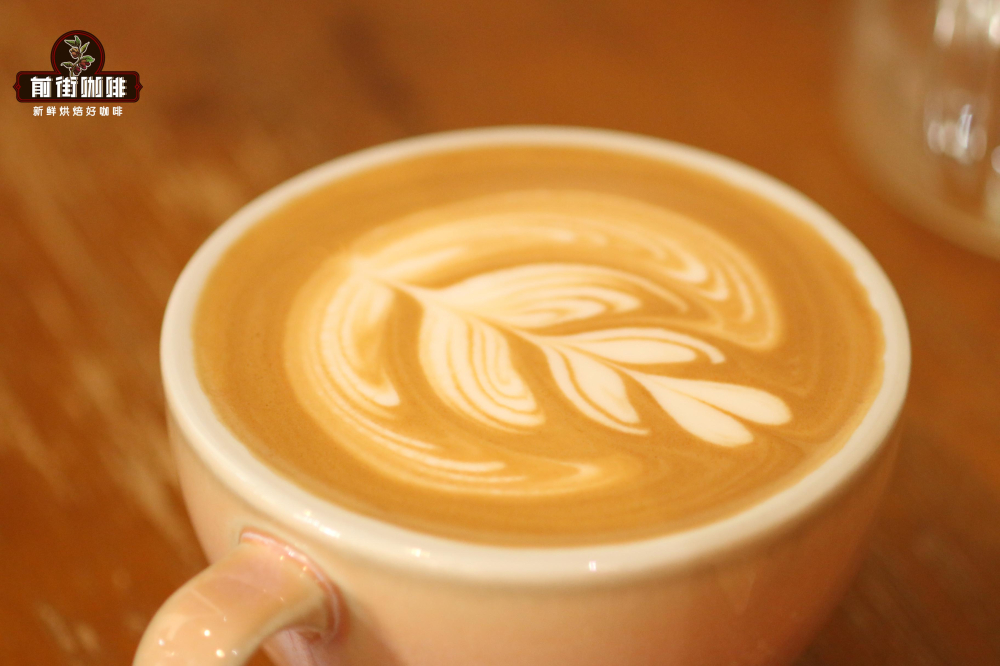
Latte is a common milk coffee among espresso drinks; "Latte" in Italian simply means "milk." When Front Street makes a latte, it uses a double espresso of 40g, combined with 260g of milk and milk foam, with a foam thickness of about 1cm. The surface of a latte can also feature detailed latte art patterns. When the milk and coffee are fully integrated, it highlights both the sweet aroma of the milk and preserves the rich charm of the coffee.
④ Cappuccino
Cappuccino is transliterated from "Cappuccino," with the name coming from the Capuchin order and the Italian word for hood (Cappucio). It belongs to the same milk coffee family as the latte, also made from espresso and steamed milk, with the difference being that cappuccino has thicker, denser milk foam, a smaller cup size, and a more pronounced coffee flavor.
Traditional cappuccino blends espresso, milk, and milk foam in a 1:1:1 ratio, softening the bitterness of the espresso and making the creamy richness of the foam more prominent, making it easier to drink. Among espresso drinks, cappuccino has the thickest milk foam, and the dense, smooth foam also provides a pleasant mouthfeel.
When Front Street Coffee makes a cappuccino, it uses a 180ml tulip cup, first adding a freshly extracted shot of espresso to the cup, then pouring in milk steamed to a dense, thick foam.
⑤ Flat White
Flat White can be seen as Australia's localized "latte." As such, it differs somewhat from the common latte. It originated in Australia and New Zealand, a coffee evolved by Oceania locals according to their own tastes. Its components are espresso, milk, and a thin layer of milk foam. A flat white's cup size is usually smaller than a latte, with less milk and stronger coffee, highlighting the coffee's rich flavor. It's worth noting that flat white is only served hot.
Front Street's flat white standard: use a 220ml glass, with 30g of ristretto espresso, and 190ml of milk plus milk foam. The foam thickness is about 0.5cm (steaming level: steam milk at 5 parts full to 5.5-6 parts full foam).
⑥ Mocha
In Italian, "Mo" means chocolate, so mocha coffee is chocolate coffee, a blend of rich coffee, creamy milk, and sweet chocolate. There's a mocha variant called white cafe mocha, which uses white chocolate instead of milk and dark chocolate. Besides white mocha, there's also a variant using a mix of two chocolate syrups, called zebras, sometimes also called tuxedo mocha.
Front Street Coffee's mocha recipe is 40g espresso + 20g chocolate sauce + 260g hot milk.
⑦ Dirty
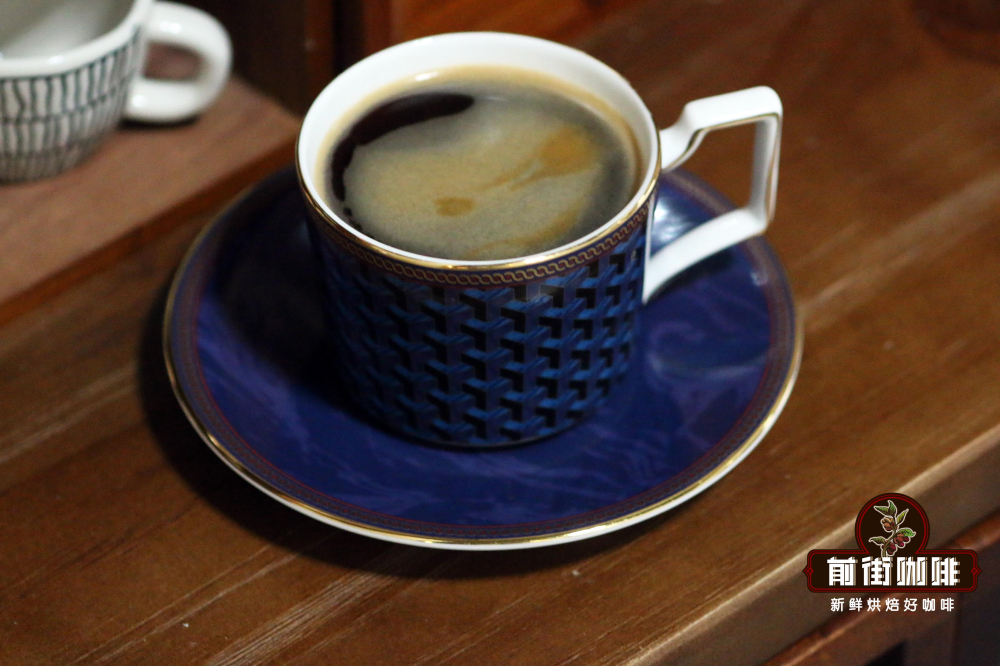
Many people ask what the difference is between Dirty Coffee and iced latte. Indeed, from ingredients to recipe to appearance, the two share many similarities. But on closer observation, you'll find that Dirty is essentially a more refined iced latte, with the biggest difference being the choice of vessel and the operational details.
The vessel chosen for Dirty is usually a glass that can showcase the layers of liquid, and no ice is added to the glass. The key is that the espresso slowly seeps and gradually blends into the white milk, forming a beautiful layered effect. As time passes, the white milk is gradually "polluted" by the rich Espresso, and looking through the glass, the drink appears dirty. Beyond the visual dirtiness, it also involves the collision between cold milk and hot espresso, letting you experience the transition from hot to cold in one cup.
Front Street's Dirty ratio is 150g milk and 40g espresso. First take out a pre-chilled glass, making sure there's no water in it, and pour in the cold milk. Then lock in the tamped portafilter and place the glass with cold milk directly below the spout (or directly below the outlet if using a bottomless portafilter). The spout shouldn't be too far from the liquid surface—if too far, the coffee's own gravity creates stronger penetration and it blends too easily; a distance of about 1cm is recommended. A proper espresso flows at an even rate, slowly pouring onto the milk surface and floating on top, gradually sinking to create the dirty effect.
Drinking a Dirty doesn't require stirring, and it should be drunk quickly—you'll find that the top layer of hot espresso hasn't yet been chilled, and the bottom layer of milk hasn't yet been "polluted." That transformation from a rich, chocolatey hot coffee into a milky, icy, light coffee is quite marvelous.
⑧ Macchiato
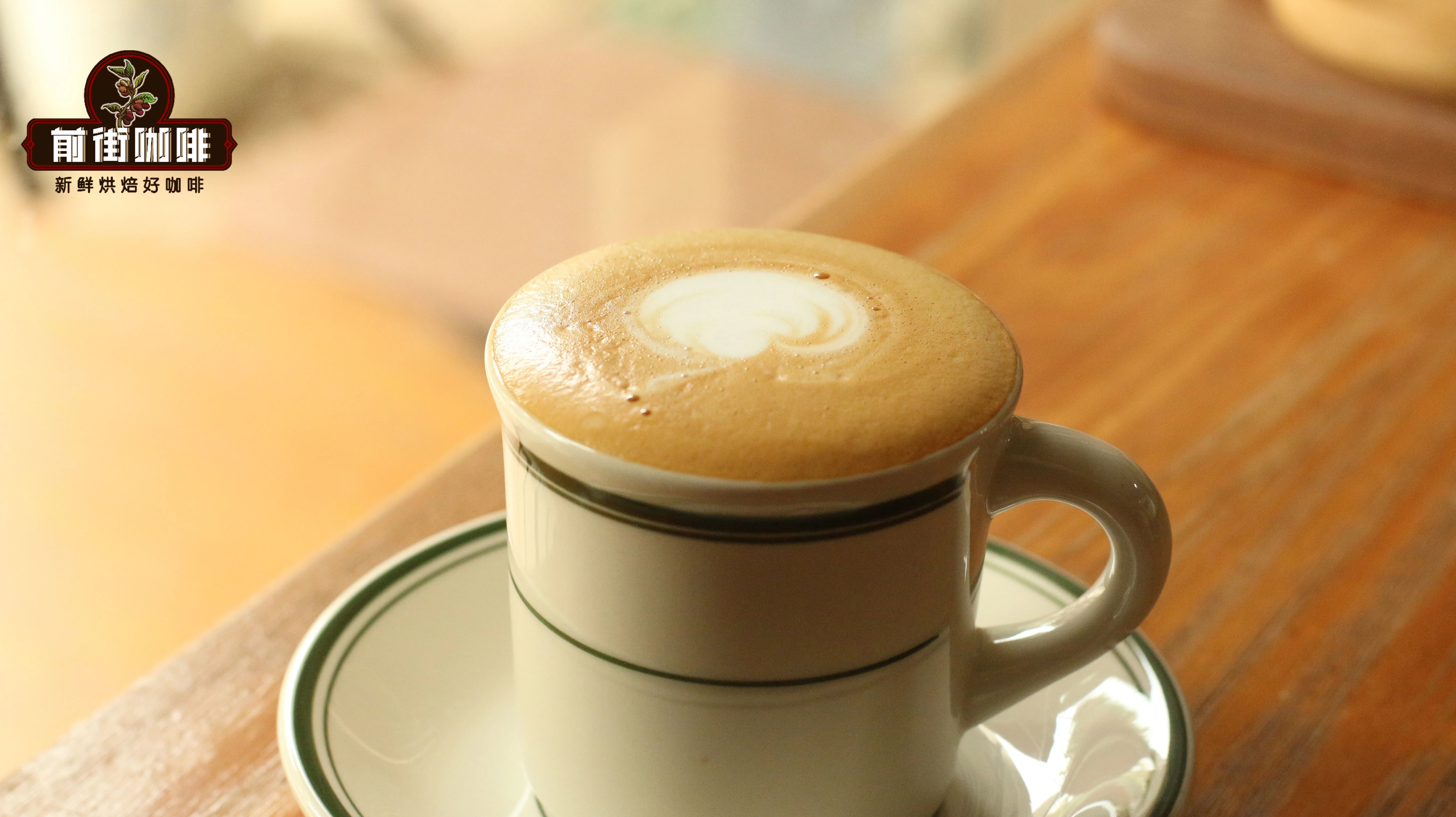
Macchiato is an Italian word meaning "marked." Macchiato coffee originated in 1980s Italy, when some customers habitually added a small amount of milk to their espresso, but the milk would quickly disappear into the coffee crema. So, to distinguish a plain espresso from one with a small amount of milk added, baristas used milk foam to "mark" a white dot on the coffee crema.
Later, people discovered that as the milk foam and espresso gradually blend, you can taste both the rich, full-bodied espresso and the dense, sweet milk interweaving in the mouth—quite wonderful. And thus the traditional macchiato was born.
Front Street Coffee's macchiato recipe: 40g espresso + 1 spoonful of fine milk foam
⑨ Affogato
This is a very special coffee drink. The standard method is to place a scoop of vanilla ice cream in a glass, then pour a shot of espresso over it, and an affogato is complete. When tasting it, you'll experience the cold sweetness of vanilla ice cream carrying the coffee aroma—perfect for summer.
⑩ Caramel Macchiato
This is Starbucks' star espresso drink (unrelated to macchiato). A 355ml medium cup contains 1 shot (about 30ml) of espresso, with the remaining 300-plus ml being milk with milk foam, vanilla syrup, and caramel—sweet and fragrant in flavor.
Caramel Macchiato: when making it, use a large amount of milk and milk foam—not much different from a wet cappuccino or a thicker latte. Vanilla syrup and smooth hot fresh milk, topped with dense, fine milk foam, blended with rich espresso, then drizzled with smooth caramel sauce—the sweet, rich caramel macchiato becomes a great choice for coffee lovers to enjoy espresso.
The above content is compiled by CoffeeHunters, a coffee news website.


