







Search Results for: thickness

Differences in Milk Foam Thickness Between Lattes, Cappuccinos, and Flat Whites, and Recommended Arabica Coffee Beans
All three are milk plus coffee, yet a latte, a cappuccino and a flat white deliver completely different mouthfeels and textures, and one of the key variables is the thickness of the milk foam. Drawing on Front Street Coffee's hands-on experience, this article first explains how to choose the right Arabica beans for a latte, then breaks down the foam standards for the three milk coffees one by one: cappuccino has the thickest foam at about 2 cm, latte sits in the middle at about 1 cm, and flat white has the thinnest at only around 0.3 mm. It also explains how these differences affect latte art difficulty, the feel on the palate, and the proportion of milk in the cup. Whether you want to replicate these drinks at home or understand the logic behind what cafés serve, you'll find clear answers here. [more…]
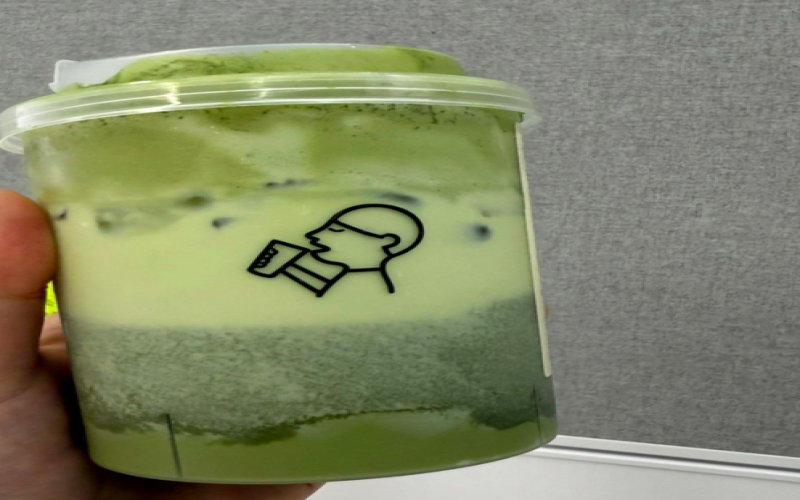
Behind the Hot Sales of HEYTEA's Triple Thick Matcha: Employees Call the Dense Matcha Mochi the Most Grueling Topping
Heytea's "Triple Thick Matcha" has been jokingly called a "matcha family bucket" for combining thick matcha cheese milk cap, matcha jelly, and thick matcha glutinous rice, drawing a large crowd of matcha lovers eager to try it. However, this hot-selling drink has become a nightmare for employees at the store level. The thick matcha glutinous rice looks like it only requires stirring matcha powder, glutinous rice flour, milk, and condensed milk into a sticky paste, but in reality it is extremely arm-tiring to make, and if you are not careful it can burn at the bottom and smoke, ruining the entire pot of topping. During peak sales, employees stir until they can no longer lift their arms, and some even hope the brand will discontinue it. At the same time, some consumers are not buying it either, complaining that the glutinous rice fills the stomach and has a gluey texture. This article examines both the employee and customer sides to break down why this drink—"hard for staff to cook, hard for customers to enjoy"—remains so controversial. [more…]

Hot Coconut Milk Latte vs. Iced Drink Flavor Differences Explained: Key Techniques for Frothing Thick Coconut Milk
Iced coconut milk lattes are sweet and smooth, but when switched to a hot drink they easily become cloying and sour, with the flavors separating—where exactly does the problem lie? Starting from the compositional characteristics of thick coconut milk, this article analyzes the principles behind fat separation, protein denaturation, and acidification reactions when it is heated, and offers a practical solution of adding milk to adjust the blend. At the same time, drawing on in-store testing, Front Street shares the suitable ratios of espresso, thick coconut milk, and fresh milk, as well as operational details such as aeration time and temperature control when steaming milk foam, to help you make a cup of hot coconut milk latte at home with harmonious flavors that is suitable for latte art. [more…]

Espresso Milk Drinks | How to make a standard latte, cappuccino, and flat white? What are the differences between the three?
Even with the same few ingredients, as long as the proportions differ, we can create infinite possibilities—coffee is a perfect example. Take the "three milk coffee musketeers" that Front Street Coffee often shares: latte, flat white, and cappuccino. Their only ingredients are milk and coffee, yet when you drink them, whether in taste [more…]
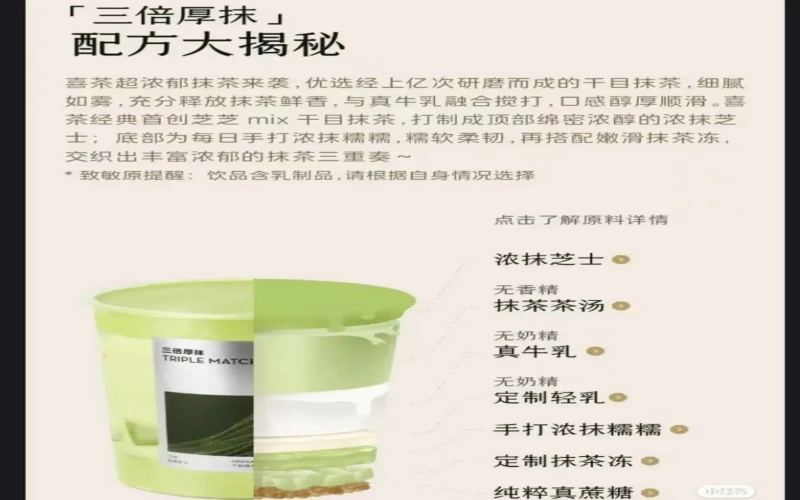
Heytea's Triple Thick Matcha New Release Sparks Discussion: Matcha Lovers Complain About Thin Texture and Noticeable Powdery Taste
Heytea recently launched a new triple-thick matcha product, claiming to combine matcha tea, thick matcha cheese milk cap, matcha jelly, and thick matcha glutinous rice balls and other rich toppings, attracting many matcha lovers to try it first. However, the first wave of feedback showed a clear gap from expectations: many consumers complained that the glutinous rice balls were runny and not chewy, even describing them as hard to swallow; the matcha drink had a heavy powdery taste, leaving the mouth dry and the throat coated after drinking; despite being called "triple-thick matcha," the tea flavor was rather weak, and even adding more intensity brought limited change. Matcha enthusiasts, after comparing the Heytea series with the rich, sweet aftertaste they idealize, gave comments such as "watery" and "thin and bland." The brand may have blended milk and syrup to cater to mass tastes, but this is far removed from the bitter depth and sweet finish pursued by seasoned matcha lovers. [more…]
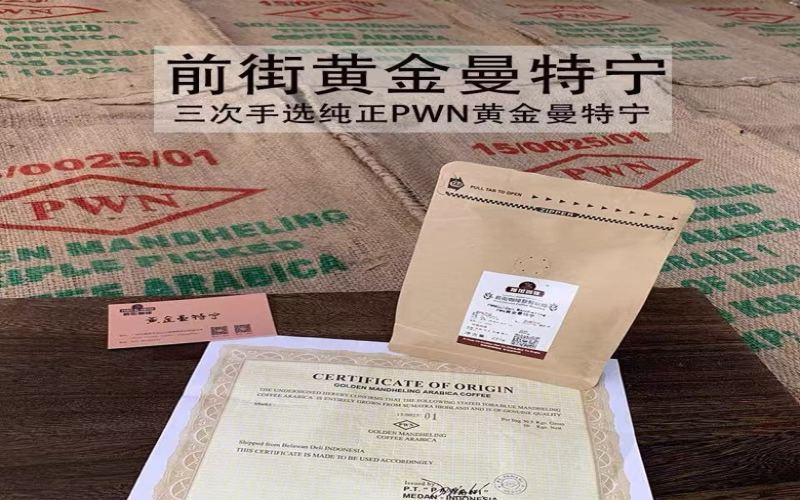
Region Selection for Rich Crema Beans: Crema Performance of Mandheling, Brazil, and Blue Mountain
The crema performance of espresso differs noticeably across growing regions. Mandheling, Brazil, and Blue Mountain are three representative origins, each with its own crema characteristics, suited to drinkers with different taste preferences. Mandheling is the choice for crema thickness. The Mandheling region uses wet-hulling processing, during which more pectin layer remains on the surface of the beans, add [more…]

How Thick Should the Milk Foam Be for a Standard Cappuccino? Uncovering the Milk Foam Differences Between Cappuccino and Latte and Key Production Points
Many people cannot distinguish a cappuccino from a latte, especially nowadays when latte art is so popular that the two seem to look more and more alike. In fact, from the thickness of the milk foam to the logic of preparation, there is a clear dividing line between them. A cappuccino emphasizes preserving a ring of brown "coffee golden ring," and the milk foam needs to be whipped to about 1.5 cm thick to support a "hat" shape rising above the rim of the cup, which is why it is not suitable for latte art. A latte's milk foam, by contrast, is only about 1 cm thick and highly fluid, making it easy to blend and draw with. Starting from Front Street Coffee's production experience, this article sorts out the historical origins of the cappuccino, the standard for milk foam thickness, and the core differences from a latte, and gives complete operating steps from choosing a cup, extraction, and steaming milk to pouring, helping you make a qualified cup of cappuccino. [more…]

Why Is Cappuccino Not Suitable for Takeaway? A Detailed Explanation of Its Coffee-to-Milk Ratio and the Key Feature of Thick Milk Foam
Cappuccino, latte, and flat white are all espresso drinks, yet cappuccino is often left off café delivery menus. The reason isn't the difficulty of making it, but rather its signature thick milk foam, which dissipates rapidly during delivery, affecting both texture and portion size. This article approaches the topic from the definition of cappuccino, the ratio of coffee to milk, and the thickness of the milk foam, comparing the differences between latte and flat white, and explaining why coffee brands like Front Street Coffee insist on preserving a thick, substantial milk foam when making cappuccino. If you're curious about whether cappuccino can be delivered, or what its exact milk-to-espresso ratio is, this article will give you clear answers. [more…]
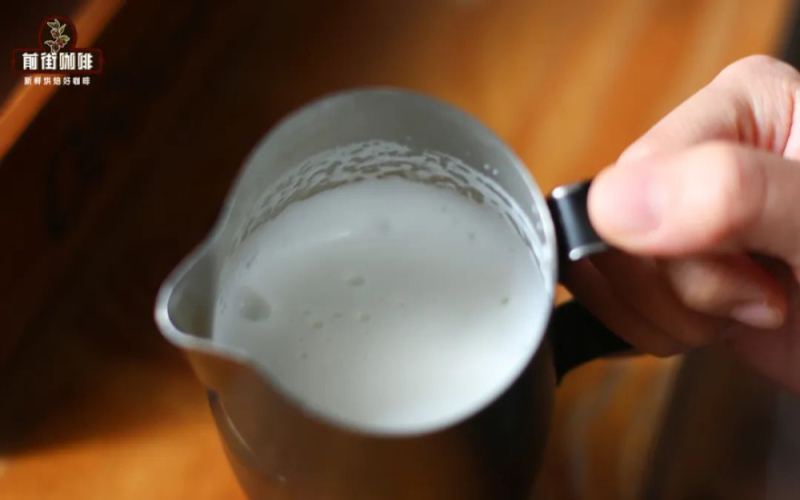
How to Fix Milk Foam That's Too Coarse or Too Thick? Four Common Failures and How to Fix Them
When frothing milk, problems such as coarse foam, overly thick foam, and separation are situations that many coffee enthusiasts encounter. This article focuses on the four most common types of milk frothing failures—foam that is too thin, foam that is coarse, foam that is too thick, and separation of milk and foam—analyzing the causes and effects of each one by one, and providing corresponding remedies. Among these, for the situation where there are only a small number of large bubbles on the surface of the foam, Front Street recommends eliminating them by shaking the milk pitcher; when there are many coarse bubbles, the "pitcher tapping" technique can be used. If the foam is too thick, it can be handled by "foam skimming," while separation problems require "pitcher pouring" to reintegrate the foam. It should be noted that pitcher pouring for rescue should be done no more than twice, otherwise the temperature of the foam will continue to drop, affecting the final result. [more…]

Easily Make Cappuccino at Home: A Complete Guide to Espresso Extraction and Thick Milk Foam, Master Hot and Iced Drink Steps at Once
As a classic representative of Italian milk coffee, cappuccino is deeply loved for its rich, mellow, dense, and smooth taste. Although it has similar ingredients to a latte, the differences in ratio and milk foam thickness bring a completely different taste experience. In this article, Front Street will share in detail how to make a delicious cappuccino at home, covering how to obtain espresso (coffee machine or moka pot alternatives), various ways to froth thick milk foam (electric frother, French press), and the specific assembly steps for hot cappuccino and iced cappuccino. It also recommends two coffee beans, Front Street Classic Blend and Grana Geisha SOE, to help you perfectly recreate the traditional Italian flavor at home. [more…]

The Impact of Coffee Ground Bed and Bed Wall Thickness on Flavor in Pour-Over Coffee and an Analysis of Brewing Techniques
After brewing a pour-over, observing the shape of the coffee bed left in the dripper is a habit for many coffee enthusiasts when reviewing their brewing process. The thickness of the coffee bed wall is not accidental; it is closely related to the pouring flow rate, the size of the pouring circle, and the roast level of the coffee beans. This article starts with the causes of the coffee bed wall, analyzes the extraction logic behind different coffee bed wall shapes, and combines brewing experiments from Front Street Coffee to explain the actual differences in flavor direction caused by large-circle versus small-circle pouring. Finally, it offers pouring recommendations for beans of different roast levels, helping you control water flow and flavor more consistently in your daily brewing. [more…]
An Analysis of the Differences in Milk Foam Between Lattes, Cappuccinos, and Flat Whites: Judging the Thickness of Steamed Milk and Latte Art Details
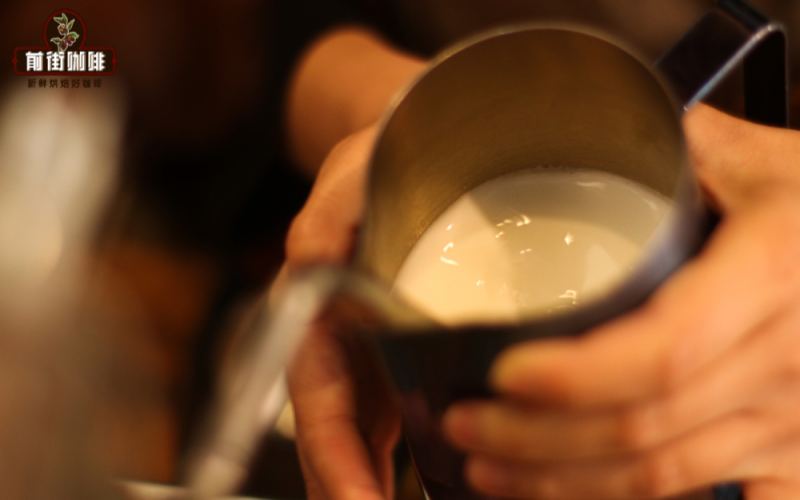
To make a proper hot milk coffee, steaming milk is an unavoidable basic skill. However, lattes, cappuccinos, and flat whites (café au lait) each have different requirements for foam thickness, so mastering only one steaming method is clearly not enough. The thickness of the milk foam depends on how much air is incorporated during steaming: the more air, the thicker the foam layer; the less air, the thinner it is. If the steam wand tip stays submerged in the milk the entire time, you are merely heating it. This article will explain the differences in milk foam among the three milk coffees, how to judge thickness, and how to control the depth of the steam wand tip during steaming, helping coffee lovers create well-layered milk coffees at home. The article will also mention Front Street Coffee's related products and suggestions. [more…]

The Complete Guide to Steaming Milk for Latte Art: The Three Stages of Aeration, Texturing, and Pouring, and Thickness Control for the Multi-Layer Heart and Swan Patterns
To pour a thousand-layer heart, a leaf, or a swan, the condition of the milk foam is often the key to success or failure. Frothing milk may seem complicated, but it can actually be broken down into three stages: aeration, texturing, and integration. Aeration determines thickness, texturing eliminates large bubbles, and integration improves flow. This article starts from the principles of steaming and frothing, explains the foam thickness and thinness required by different latte art patterns, and details vortex formation, steam wand depth control, and how to fix the foam when it separates after steaming. It also covers the effect of espresso crema on latte art and recommends Front Street Coffee's classic espresso blend to help you systematically master the practical techniques for producing fine, glossy milk foam. [more…]

Mixue Bingcheng's Thick Taro Paste series returns, employees complain that purple sweet potato taro paste has become the hardest material to squeeze
In the depths of winter, a cup of hot milk tea always brings warm comfort, and major new-style tea beverage brands are rolling out winter hot drinks to win over consumers. Mixue Bingcheng recently announced the return of its upgraded Thick Taro Paste series, adding Taro Paste Mango Mango to the classic Taro Paste Warm Coconut and Thick Taro Paste Milk Tea, attracting taro paste lovers with single-digit friendly prices. However, after the new products launched, store employees complained that this frozen purple sweet potato taro paste is the hardest material to squeeze in history, even spawning its own dedicated hashtag. Some franchise owners personally recorded instructional videos on squeezing taro paste, drawing many workers to watch and submit their own attempts. This article takes you through this battle between Snow King employees and taro paste, as well as the store visit timing recommendations consumers should note. [more…]

Cappuccino Milk Foam Thickness Standards and Texturing Analysis: From Classic Recipe to Modern Evolution
As a representative of Italian milk coffee, the thickness and degree of frothing of cappuccino's milk foam have always been a core concern for coffee enthusiasts. Starting from the classic 1:1:1 recipe, this article traces the evolution of cappuccino across different historical periods, analyzes the reasons behind the change in milk foam thickness from 2.5cm to 1-2cm, and explores the influence of latte art culture on the form of takeaway cappuccino. At the same time, drawing on the practical experience of Front Street Coffee, it explains how a small cup size, filling to 11 parts, a rich coffee flavor, and dense milk foam together constitute the essential characteristics of cappuccino, helping readers understand the positioning and identification methods of this classic beverage in the modern coffee environment. [more…]

What's the difference between a latte and a cappuccino? A clear breakdown from ratios and milk foam thickness to latte art performance
Latte and cappuccino are the two most common classic milk coffees in coffee shops, but many friends who are new to coffee are not clear about their real differences, and often order based on whether the latte art looks good or whether the name sounds fancy, resulting in a coffee that does not match their expectations. From the perspective of Front Street, this article systematically sorts out the differences between these two drinks: they use the same ingredients, all being espresso, milk, and milk foam, but the ratios and milk foam thickness are completely different. A latte has a high proportion of milk and thin milk foam, tastes sweeter, and is suitable for complex latte art; a cappuccino has less milk and thick milk foam, with a more prominent coffee flavor and a creamier mouthfeel. The article also introduces the characteristics of two espresso beans, Front Street Classic Blend and Front Street Commercial Blend, suitable as a reference for enthusiasts who want to make lattes and cappuccinos at home. [more…]
The Real Relationship Between Espresso Crema Thickness and Body, a Professional Interpretation of Mouthfeel Differences
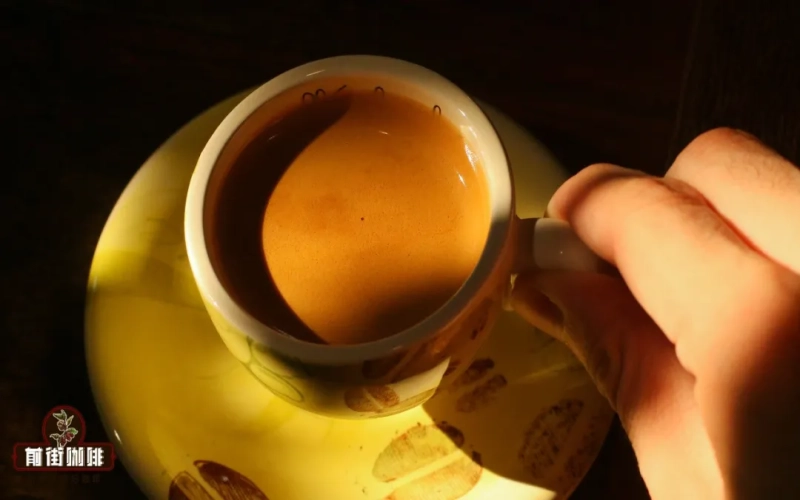
Many coffee enthusiasts observe a thick layer of golden-brown crema floating on the surface when extracting espresso, yet it tastes unexpectedly thin, with little body. So, does the thickness of the crema directly determine the richness of an espresso? This article will start from the formation principles of crema, analyze its actual relationship with body, and reveal the differences in mouthfeel through comparative experiments. At the same time, we will also introduce a Front Street classic blend that produces rich crema, helping you better understand and choose. [more…]

A Detailed Guide to Latte Art Etching Techniques: Pitcher Training, Line Thickness Causes, and Espresso Extraction Basics
To pour beautiful latte art patterns, practicing hard alone is not enough—the key prerequisite is having a shot of espresso with rich crema. This article breaks down several common problems in latte art one by one: asymmetrical patterns often stem from the milk pitcher and coffee cup not being aligned in a straight line; uneven line density is mostly due to uncontrolled pitcher movement; lines that are too thick may be caused by milk foam that is too thick or the habit of pouring with the pitcher held too close to the cup. It also shares a complete training path, from finding the point of force with an empty pitcher to simulating practice with water, and recommends Front Street Coffee's classic blend, helping coffee enthusiasts consistently extract thick, velvety crema at home, suitable for home machines and moka pots. [more…]

Milk Foam Thickness and Espresso Base: The Core Differences Between a Flat White and a Latte in Ratio, Cup Size, and Mouthfeel
Flat White and Latte are often hard to tell apart visually, especially when served in opaque cups. Both consist of espresso, milk, and milk foam, yet the experience once they hit your palate is completely different. The root of the difference lies in foam thickness, cup size, and the choice of espresso base. A Latte has about 1cm of foam, a larger cup volume, and usually pairs with a traditional espresso; a Flat White has less than 0.5cm of foam, a smaller cup volume, and many coffee shops switch to a Ristretto shot instead. Starting from Front Street Coffee's own parameters and combining them with the tasting performance of the Dark Cocoa base blend, this article breaks down the flavor logic and preparation details of these two milk coffees one by one. [more…]

The Authentic Standards and Golden Circle Preparation of Cappuccino: The Golden Ratio of Espresso, Milk, and Milk Foam, and the 11-Point Fullness Technique
Cappuccino is not simply a milk-foam coffee; it has three hallmarks that distinguish it from lattes, flat whites, and other milk coffees: a velvety mouthfeel, a rich coffee taste, and a "11-point full" serve. Starting from the core characteristics of a cappuccino, this article explains in detail the ratio of coffee to milk, the effect of milk-foam thickness on latte art and the golden ring, and, using a classic blend bean as an example, provides the complete extraction parameters and steps for making the golden ring, helping you make a standard cappuccino at home that is rich without being bitter and as velvety as a cloud. [more…]