








Flat White CoffeeAs the specialty coffee market matures, it has become one of the essential milk-based espresso drinks on specialty café menus. Many people ask Front Street Coffee, isn't it all just milk plus coffee? What's the difference between a Flat White and a Latte? So what exactly is a Flat White? In this article, Front Street Coffee will explain in detail whatFlat White Coffeeis and how to make a Flat White.
What isFlat White Coffee(Flat White)?
Simply put, compared to a Latte, a Flat White is an espresso drink with a smaller proportion of milk and a larger proportion of coffee. In plain terms, Front Street Coffee would say a Flat White is much richer and more intense than a Latte~ In earlier years, many cafés didn't offer Flat Whites, possibly because the concept, standards, and characteristics of the Flat White weren't well popularized, and also because adding yet another milk coffee option to cafés already offering Lattes and Cappuccinos seemed somewhat redundant.
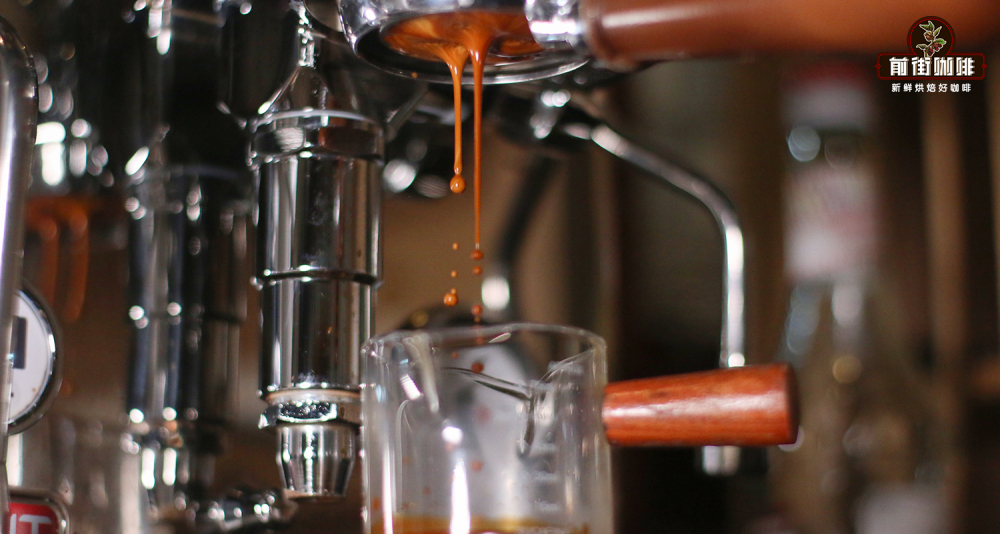
As specialty coffee beans become more abundant and the blend quality at many cafés improves, the espresso no longer has the uniformly burnt-bitter taste of the past. People are also more willing to showcase their café'sespressodrinks through a higher coffee-to-milk ratio. Some have even begun using single-origin coffee beans to make SOE Flat Whites, highlighting the fusion of origin-specific flavors with milk lactose, creating a wonderful palate experience.
Just like how Front Street Coffee (FrontStreet Coffee), when making milk-based espresso drinks, typically usesEthiopian sun-dried Red Cherry and Honduran Sherry coffee beansblended at a 3:7 ratio for espresso extraction. The espresso beans from this blend, after high-pressure extraction, have a rich wine aroma, soft fruit acidity, and a nutty cocoa-like finish. By heating the milk to activate its lactose, after mixing with the espresso, the lactose in the milk and the berry-like acidity produce a milkshake-like sweetness, yet it doesn't overpower the wine aroma, making it "addictive" from the very first sip.

In Australia, milk coffee is customarily served in wide-mouthed cups, so generally speaking, a Flat White has a milk foam layer of only about 5mm. Also because of its better integration with the coffee, a good Flat White should have a silky, rich mouthfeel. If a Cappuccino andLattepursue an airy "fluffiness," then a Flat White pursues a silky "smoothness."
Flat WhiteOrigins~
Regarding the origins of the Flat White, some say it appeared in Sydney in the 1980s, while others say it appeared in Melbourne in 1970. Living in major Australian cities like Melbourne and Sydney is actually not easy, as the cost of living is very high (housing prices remain stubbornly high too), but drinking coffee is still a fairly common daily habit, and the prices are usually not expensive. Australian coffee is also of a very high standard—typically every neighborhood has at least one quality café, feeding the spirits and taste buds of local residents.

In fact, Australia has always been a cultural melting pot formed by immigrant cultures. Thanks to the large number of European immigrants, coffee culture gradually took root in Australia after World War II, and today on the world coffee map, major cities like Sydney and Melbourne have long established their own flag. Even more notably, coffee drinks like milk coffee have even counter-attacked North America, causing Starbucks to remove the "Cappuccino" it had sold for over 30 years from its menu, replacing it withFlat white(Starbucks calls the Flat WhiteFlat White). Gradually, cafés in the UK, Germany, and elsewhere have begun offering Flat Whites,Flat white, Piccolo Latte, Long Black, and other Australian-specific names for rich espresso drinks.
How to Make a Flat White?
Front Street Coffee uses the Pegasus E98 espresso machine, with the following extraction parameters:
Pressure: 9 bar
Temperature: 94°C
Time: 20~30 sec
Coffee-to-water ratio: 1:1.7~1:2
Dose: 12g (single espresso) 20g (double espresso)
Extraction yield: 20ml (single) 40ml (double)
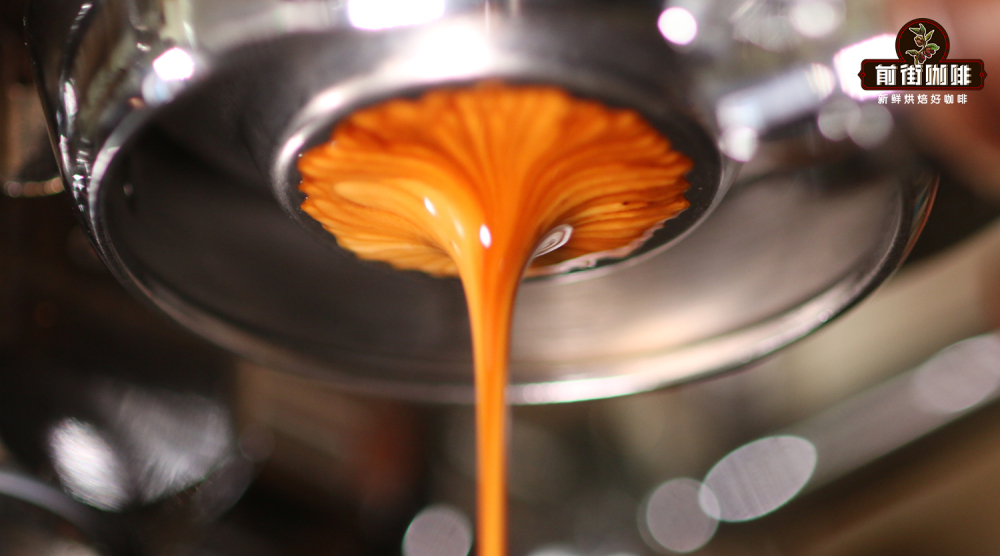
Recommended Milk-to-Coffee Ratio for a Flat White
Milk: Whole fresh milk (Front Street Coffee uses Vitasoy fresh milk)
Milk steaming temperature: 50-60°C (too low a temperature won't activate the lactose in the milk, too high a temperature will destroy the proteins in the milk, resulting in a grainy texture)
Milk foam thickness: 5mm (1cm foam is for making a Latte, 1.5cm thick foam is for making a Cappuccino)
Espresso amount: 40ml
Milk amount: 140ml

Front Street Coffee maintains the characteristics of a small cup size, thin milk foam, and a double Ristretto as the base when serving a Flat White. Front Street Coffee uses a ceramic cup with a capacity of about 200ml—smaller than that for a hot Latte—and pours the freshly extracted double Ristretto into it. Front Street Coffee believes the milk shouldn't be too much, otherwise it would overpower the coffee's rich aroma, so here the coffee-to-milk ratio is 1:5, which is about 150ml of fresh milk.
Front Street Coffee wants customers to experience a Flat White that is creamy and smooth without being too "watery," so it retains a 0.3cm milk foam layer. Therefore, the milk needs to be steamed with less aeration than for a Latte, so that the foam layer can be this thin. Front Street Coffee believes the milk temperature is best controlled at 55-60°C, which highlights the sweetness without being too hot. Finally, evenly integrate the steamed milk into the espresso and it's ready to enjoy.

The Flat White at Front Street Coffee's shop presents aromas of vanilla, cream, chocolate milk, and whiskey-filled chocolate, along with the sweet-tartness of berries. It enters the mouth with a smooth, rich, and mellow taste, with a very lasting finish.
The above content is compiled by CoffeeHunters, a coffee news website.


