







Search Results for: Coffee Varieties Identification
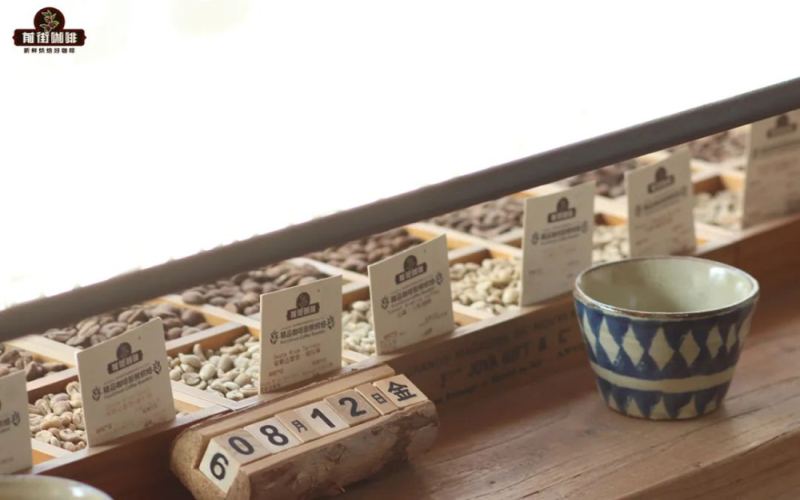
Arabica Coffee Variety Identification Guide: A Full Analysis of Bean Characteristics of Typica, Bourbon, Geisha, and More
Many people are curious about how some coffee experts can identify the variety and origin of coffee beans at a single glance. In fact, different varieties within the Arabica family each have their own distinctive bean shapes and appearances, and as long as you grasp the patterns, you can do it too. This article, from the perspective of Front Street Coffee, walks you through the bean shape characteristics of common varieties such as Typica, Bourbon, SL28, SL34, Caturra, Catuai, and Geisha. Roasted bean images are used as visual aids throughout the article so that you can take out the coffee beans on hand and compare them as you observe. Whether you are a complete beginner or a seasoned connoisseur looking to sharpen your identification skills, this guide will help you build the correspondence between variety and appearance. [more…]
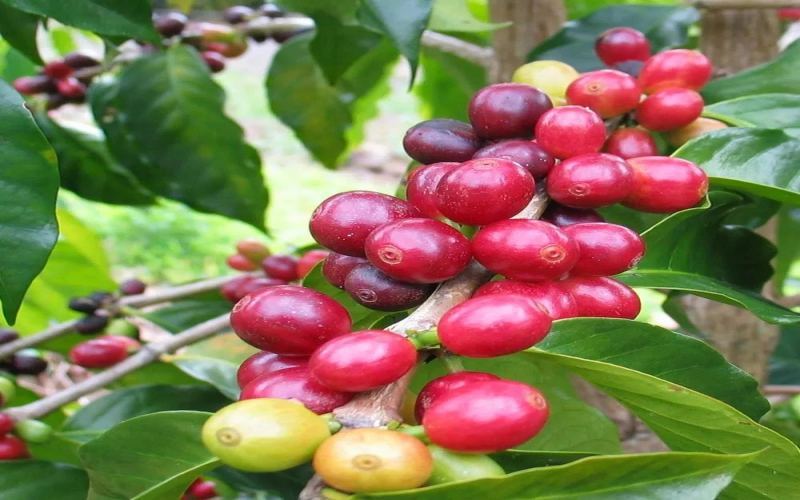
A Complete Guide to Arabica Coffee Varieties: Characteristics and Identification of Common Beans Such as Typica, Bourbon, and Geisha
Arabica, the most widely cultivated coffee species in the world, has given rise to numerous sub-varieties such as Typica, Bourbon, Geisha, and Caturra, each differing noticeably in plant morphology, bean characteristics, and cup profile. This article systematically sorts out the classification and identification points of major Arabica varieties from the perspectives of origin, botanical characteristics, and bean shape identification, while combining Front Street Coffee's brewing and purchasing suggestions to help coffee enthusiasts more clearly understand the coffee beans they encounter in daily life. [more…]

How to distinguish Arabica from Robusta? A comprehensive comparison from morphological characteristics to growing altitude
In the first two installments of Front Street's Bean Appraisal Guide, we have already learned to identify some of the sub-varieties of Arabica, as well as the differences in appearance between sun-dried and washed processing. This time, version 3.0 will cover the two most core commercial varieties in the Coffea genus—Arabica and Robusta. They each have their own characteristics in flavor, disease resistance, growing altitude, yield, and bean shape, especially the differences in the center line form, which can help us tell them apart at a glance. This article will compare these two varieties in detail from multiple dimensions, and also tell you why Robusta has long been unpopular in the specialty coffee circle, yet still accounts for a quarter of global production. [more…]
Jamaica Blue Mountain Coffee Brand Roundup and Pour-Over Tutorial: From Origin History to Authenticity Identification Explained
Blue Mountain coffee has long been in a state of short supply due to its scarce production. There are many products on the market under the Blue Mountain banner, but which brands are truly Jamaican Blue Mountain? How can you tell the real from the fake? And how should it be brewed to bring out its balanced, sweet, and mellow flavor? This article begins with the cultivation history of Blue Mountain coffee and its three major production regions, sorts out the varieties, processing methods, and flavor characteristics of Blue Mountain coffee, and introduces in detail the pure secrets and identification points of Front Street Blue Mountain coffee. Finally, it includes a set of pour-over Blue Mountain coffee parameter plans to help coffee lovers gain a comprehensive understanding of this world-class coffee. [more…]

Tracing the Origins of the Yunnan Typica Coffee Variety: Flavor Characteristics, Tree Species Identification, and an Analysis of Front Street Coffee's 2013 Sun-Dried Beans
In discussions of Yunnan coffee varieties, Typica and Catimor are often conflated. In reality, the vast majority of what is currently grown in Yunnan is Catimor, while Typica is a long-established heirloom variety. This article begins with the origins and botanical characteristics of Typica, outlines its flavor advantages and cultivation challenges, and, drawing on Front Street Coffee's Front Street 2013 Sun-Dried Typica from its plantation in Lincang, Yunnan, presents a complete picture spanning variety selection, processing methods, roasting curves, and cupping and pour-over recommendations, helping readers clarify the varietal landscape of Yunnan Arabica coffee. [more…]
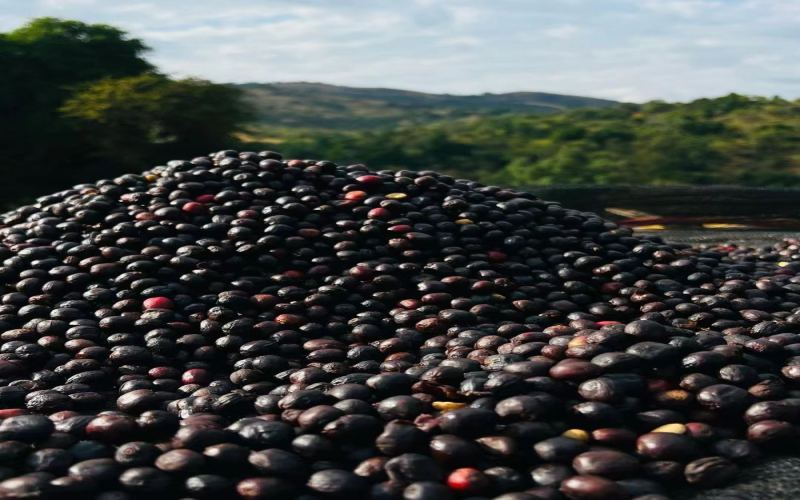
Ethiopian Coffee Variety Analysis: Characteristic Differences Between the Native Heirloom Variety and the Numerically Bred Varieties 74158, 74112, and 74110
Ethiopia, as coffee's genetic treasure trove, has a variety system far more complex than one might imagine. The Heirloom native variety label commonly seen on the market is actually a collective term for mixed-harvest varieties, not a single specific variety. The numeric codes such as 74110, 74112, and 74158 that have frequently appeared in recent years originate from JARC's disease-resistant breeding program in the 1970s. This article will systematically sort out the classification of Ethiopian coffee cultivation models, the essential meaning of Heirloom, the origin of the 74-series numeric varieties, and the identification and naming of Landrace local varieties, helping coffee enthusiasts understand the variety information on Ethiopian coffee bags. [more…]

Starbucks Reserve Blue Mountain Coffee Beans Explained: Jamaican Origin Varieties, Flavor, and Authenticity Identification Points
Starbucks Reserve stores release limited quantities of Jamaican Blue Mountain coffee beans every two years, sourced from Wallenford Estate, priced at about 398 yuan for 250 grams, with only about 3,500 bags available nationwide. Meanwhile, Front Street Coffee sells Blue Mountain No. 1 from Clifton Mount Estate, priced at 158 yuan/100 grams, which is the only estate in Jamaica with Rainforest Alliance certification. This article focuses on Blue Mountain coffee's origin and terroir, the evolution of the Typica variety, methods for identifying authenticity, the flavor differences between washed and natural processing methods, and Front Street Coffee's roasting recommendations and brewing parameters, helping coffee enthusiasts gain a comprehensive understanding of this legendary coffee. [more…]
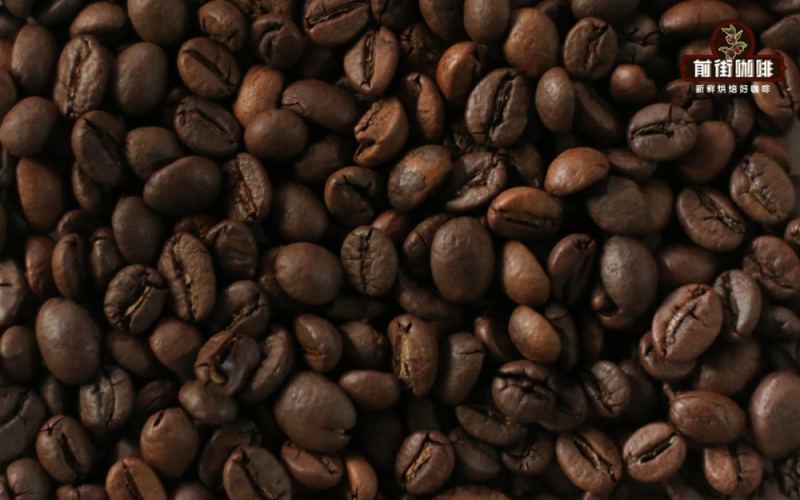
An In-Depth Analysis of Robusta Coffee Beans: Differences from Arabica, Espresso and Single-Origin Applications, and Key Identification Points
Robusta and Arabica are currently the two most widely commercially cultivated coffee varieties. The former is known for its intense, bitter, and steady flavor, with a caffeine content about twice that of Arabica. It has strong stress resistance, high yield, and low cost, and is often used in dark-roasted espresso blends or instant coffee. Its high chlorogenic acid content brings a rich, deep bitterness along with nutty and grainy notes, and if improperly processed, it may also develop earthy or rubbery flavors. Dark-roasted Robusta can give espresso a thick, rich crema, and Italians often blend it into their recipes to enhance the "coffee taste." Indian Royal Robusta proves that with careful cultivation, Robusta can also present a clean flavor. This article focuses on the characteristics of the variety, how to distinguish it from Arabica, the difference between espresso and single-origin, and combines this with the formula and flavor performance of Front Street Coffee's commercial blend coffee beans. [more…]
Identifying Coffee Varieties by Appearance: Analyzing the Characteristics of Arabica Bean Varieties Such as Typica and Bourbon
In the world of specialty coffee, the Arabica species accounts for the vast majority of single-origin beans consumed daily, but many people may not realize that Arabica itself has diversified into numerous varieties with distinct forms. Coffee beans of different varieties often show subtle yet recognizable differences in appearance—from bean shape and particle size to the form of the bean tip, all can serve as clues for identification. Mastering these characteristics is like practicing cupping sensory skills: it requires patient observation and repeated comparison. This article will start with Typica and Bourbon, then extend to common varieties such as SL28, SL34, Caturra, Catuai, and Geisha, helping coffee enthusiasts gradually build the ability to identify varieties through bean appearance. It will also mention Front Street Coffee's ongoing efforts in promoting coffee knowledge. [more…]

A Comprehensive Analysis of the Flavor Origins, Grade Identification, and Pour-Over Brewing Methods of Indonesian Sumatra Golden Mandheling
Mandheling is a classic coffee from Sumatra, Indonesia, and Golden Mandheling is one of its most outstanding representatives. It is known for its rich aroma, solid and mellow body, moderate acidity and bitterness, and caramel-like sweetness, and is favored by many black coffee enthusiasts. This article begins with Mandheling's producing regions, types, and classification methods, then focuses on the origins of Golden Mandheling, Pawani Company's strict screening standards, and how to distinguish authentic Golden Mandheling from imitations. It also outlines the varieties and wet-hulling process of the Aceh Gayo Mountain producing region, and includes the specific parameters and steps for brewing Golden Mandheling with a KONO dripper at Front Street Coffee. [more…]
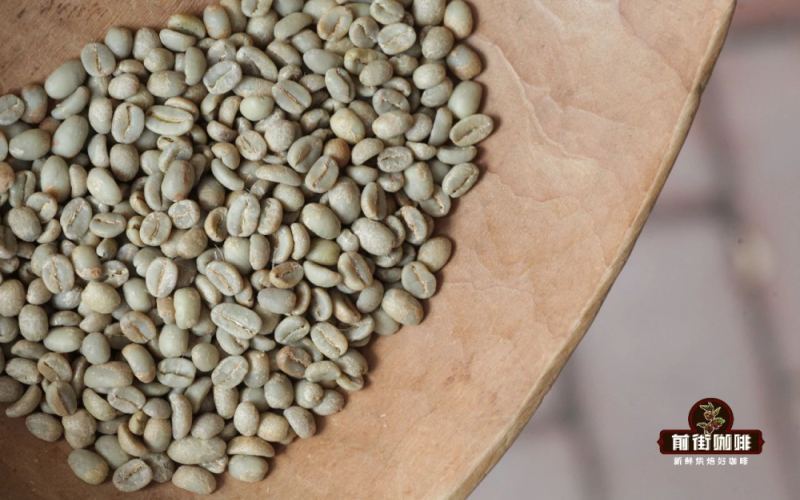
Ethiopian Heirloom Coffee Beans Explained: Differences from Landrace Varieties and Grading Standards
Ethiopia, as the birthplace of coffee, boasts an astonishing variety of cultivars, with nearly 2,000 varieties recorded to date, of which 1,927 are native varieties. Ethiopian coffee beans commonly found on the market are mostly labeled as Heirloom native varieties, but in recent years Landrace local varieties and numbered varieties have gradually gained popularity. In this article, Front Street Coffee will systematically sort out the definition, classification, and identification challenges of Heirloom native varieties, analyze the origins of Landrace and numbered varieties, and introduce in detail Ethiopia's coffee bean grading standards. Finally, it recommends a number of Front Street selected Ethiopian native varieties, covering well-known products such as Gedeb, Red Cherry, Woka, Aricha, and Huakui 5.0, with roasting and brewing data shared as well. [more…]
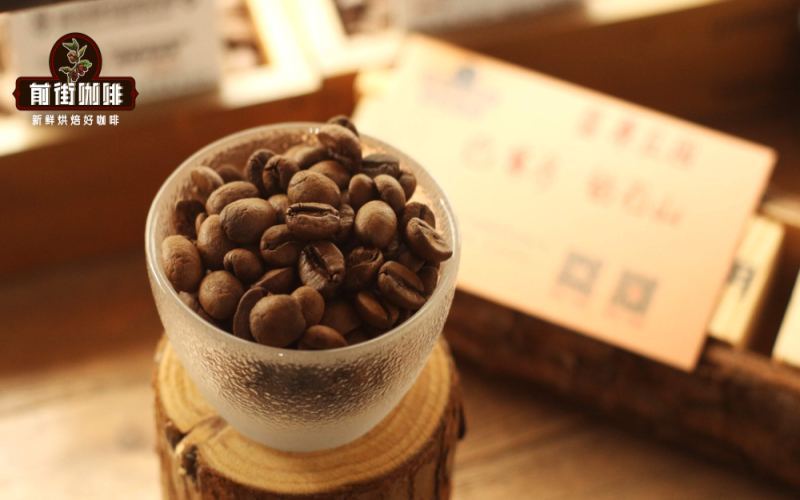
Panama Hacienda La Esmeralda Diamond Mountain Series: Caturra and Catuai Variety Identification and Washed Processing Flavor Analysis
Hacienda La Esmeralda is not only famous for Geisha; its Caturra and Catuai varieties also attract considerable attention. This article will guide you through the Diamond Mountain series' origin background, variety characteristics, natural processing method, as well as Front Street Coffee's green bean analysis, roasting records, and cupping report. By comparing the plant characteristics and flavor performance of Caturra and Catuai, we help coffee enthusiasts better understand this classic series. At the same time, the article also shares Front Street's brewing insights, including dripper selection, parameter settings, and the three-pour extraction method, providing a reference for your daily brewing. [more…]
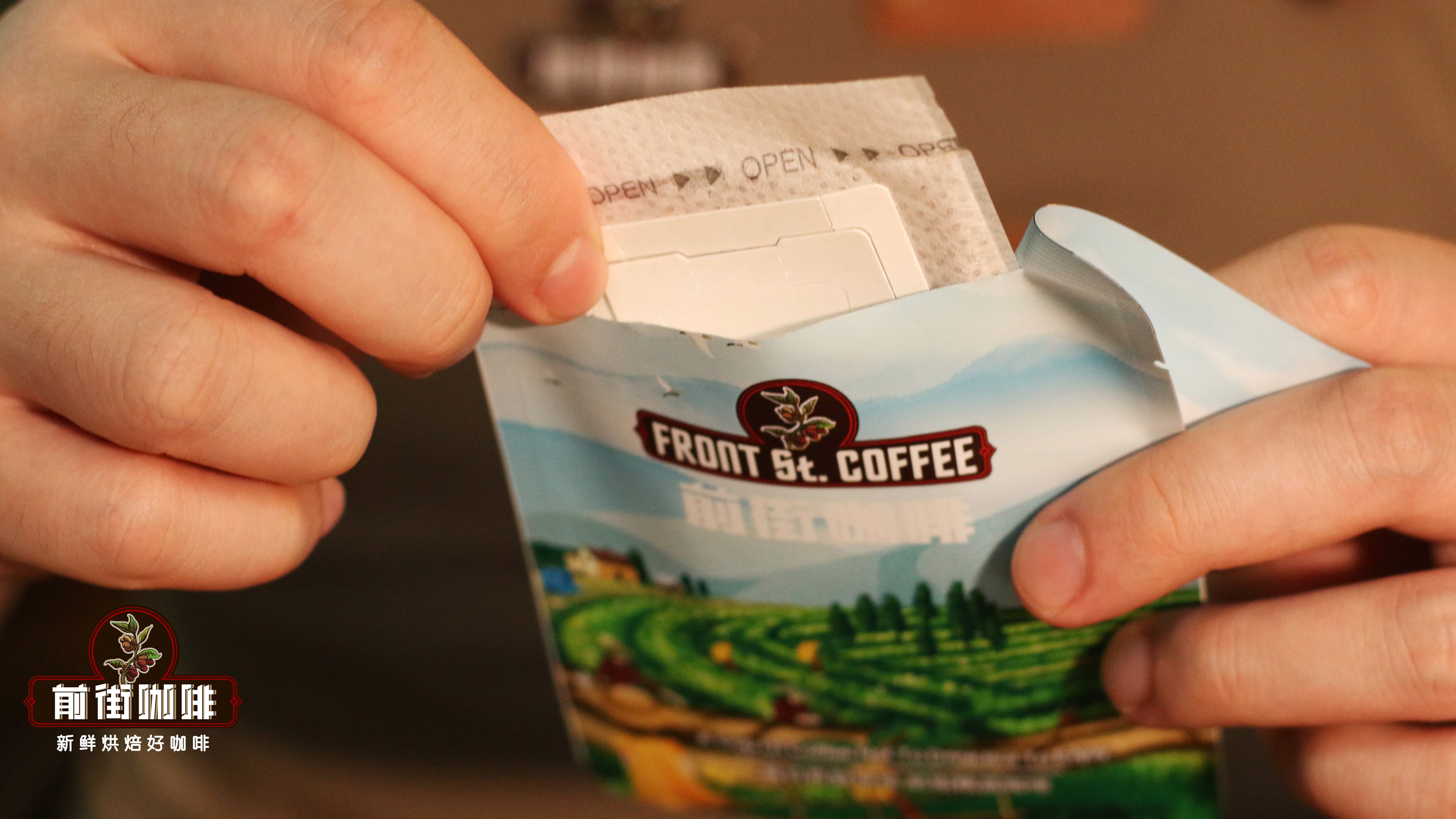
Is Drip Bag Coffee Considered Black Coffee? A Full Breakdown of Brewing Steps and Freshness Identification
For office workers who want to enjoy specialty coffee without a grinder, drip bags are an ideal choice that balances convenience and flavor. But is drip bag coffee actually black coffee? What is the correct brewing process? And how can you tell whether a drip bag is still fresh? This article starts from the essence of drip bag coffee, breaks down the key brewing points such as blooming and pouring step by step, and shares methods for selecting fresh drip bags based on roast date, foam condition, and taste. At the end, it also compiles a variety of fresh drip bag recommendations from Front Street Coffee in different styles, covering floral, tea-like, fruity, fermented, and rich mouthfeel types, making it easy for coffee lovers with different preferences to choose as needed. [more…]

A Comprehensive Analysis of the Flavor Differences and Identification Methods of the Three Major Coffee Varieties: Arabica, Robusta, and Liberica
There are three main native varieties in the coffee world: Arabica, Robusta, and Liberica. Arabica dominates the specialty coffee mainstream with its elegant flavors, Robusta is known for its high caffeine content and full-bodied taste, while Liberica has scarce production and a unique flavor. Front Street Coffee has been involved in coffee cultivation since entering the industry and owns its own plantations. Currently, its sales are mainly Arabica, with Robusta used only for espresso blends. This article will systematically sort out the characteristics of the three major varieties and provide an in-depth introduction to many sub-varieties such as Typica, Bourbon, Geisha, Caturra, and Catimor, as well as their flavor performance, helping coffee lovers fully understand the mysteries and identification techniques of coffee bean varieties. [more…]

An Analysis of the Typica Characteristics of Jamaican Blue Mountain Coffee Beans, Identification Methods for Authenticity, and a Discussion of Suitable Roast Levels
As one of the world's top coffees, what exactly makes the Typica variety behind Blue Mountain coffee so unique? From the perspective of Front Street Coffee, this article systematically reviews the botanical characteristics, flavor profile, and cultivation challenges of the Typica variety, provides an in-depth analysis of the terroir advantages of Jamaica's Blue Mountain region and the CIB certification system, and shares Front Street's medium-dark roast curve and pour-over extraction parameters for Jamaica Blue Mountain No. 1. Whether you want to learn how to tell genuine Blue Mountain coffee from counterfeit, or want to master the best roasting and brewing methods for these beans, you'll find practical guidance in this article. [more…]
Characteristic Analysis, Authenticity Identification, and Suitable Roast Level of the Typica Variety in Blue Mountain Coffee Beans
Blue Mountain coffee is a classic that many coffee enthusiasts encounter early on, and its varietal foundation is Typica. This article will start from Typica's botanical characteristics, flavor profile, and susceptibility to disease, then outline the terroir conditions of Jamaica's Blue Mountain region and the CIB certification system, explain the key points for identifying Blue Mountain coffee, and share Front Street Coffee's roasting approach and pour-over parameters for Blue Mountain No. 1. Whether you want to understand why Typica is so prized or figure out what roast level actually suits Blue Mountain coffee, this article will give you clear answers. [more…]
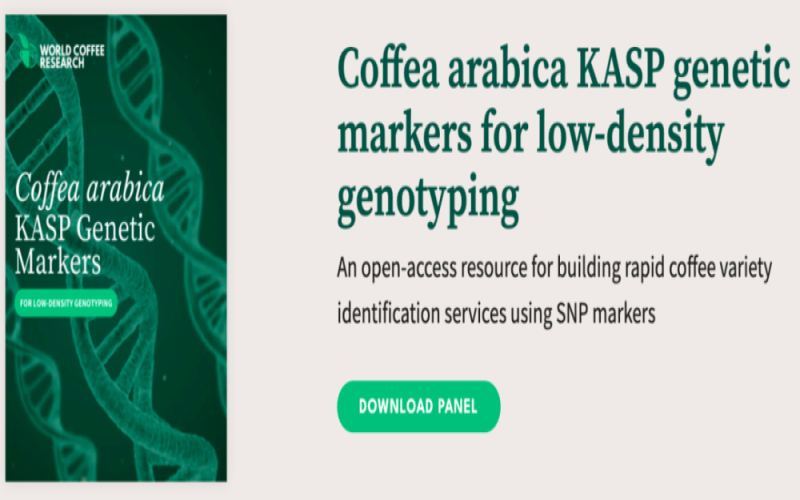
World Coffee Research releases Arabica SNP genetic fingerprint database covering 23 common varieties.
The World Coffee Research (WCR), in collaboration with the Swedish laboratory Intertek Agritech, collected samples of common Arabica varieties in Latin America and Africa, successfully constructing a reference database based on SNP fingerprints. This database currently covers 23 varieties and is open to the public free of charge, aiming to address the long-standing issue of variety misidentification in the coffee industry caused by the high cost of genetic testing. Through simple leaf collection and genotyping, producers can verify the genetic purity of coffee trees at low cost, avoiding economic losses caused by variety mismatches. WCR plans to continue expanding the number of varieties in the future, promoting variety identification and protection in the coffee supply chain. [more…]
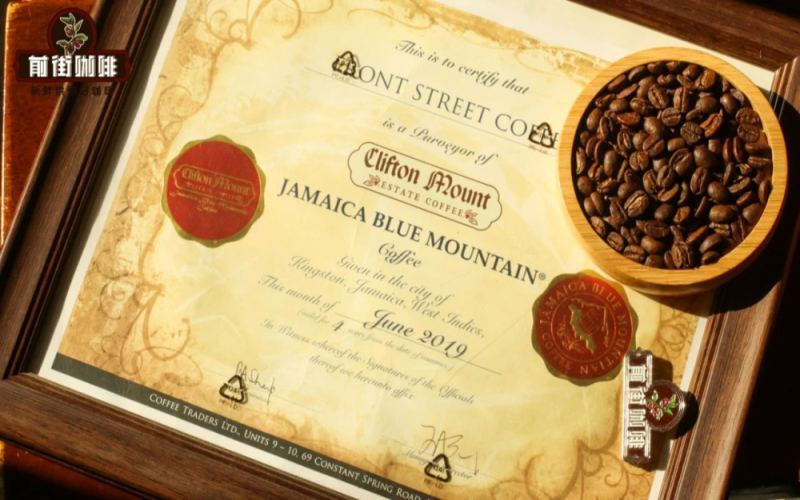
Jamaica Blue Mountain Coffee Bean Flavor Analysis: Washed vs. Natural Processing Differences and Authenticity Identification Guide
Jamaican Blue Mountain coffee has long stood at the pinnacle of specialty coffee thanks to its balanced, elegant flavor and scarce production. This article focuses on Front Street Blue Mountain coffee, systematically sorting out its origin environment, identification points, historical policies, and variety origins, and highlighting a comparison of the flavor differences between two Blue Mountain coffees from Clifton Estate: washed and natural. At the same time, it explains in detail the operational processes of the two processing methods, natural and washed, helping coffee enthusiasts fully understand the preciousness of Blue Mountain coffee and the logic of tasting it. [more…]
2021 Crop Huakui 5.0 vs. Small-Bean Huakui Coffee Comprehensive Review: Green and Roasted Bean Identification, Cupping Flavors, and Pour-Over Performance Comparison
The 2021 new-crop Huakui 5.0 coffee beans have arrived at the port. Front Street Coffee immediately carried out roasting and cupping, and specifically conducted a comparison with its own beloved small-bean Huakui coffee beans. This article will guide you through the evolution of the Huakui series from the 2017 TOH champion beans to Huakui 5.0, and explain why small-bean Huakui stands independently outside the X.0 series. Then, through a visual comparison of green beans and roasted beans, differences in cupping flavors, and performance under a unified pour-over recipe, it will present in detail the characteristics of the two beans: small-bean Huakui is closer to the rich strawberry-cream profile of the classic 2017 Huakui, while Huakui 5.0 shows brighter berry acidity and floral notes. Whether you are a Huakui enthusiast or are currently selecting new-crop beans, this review can provide practical reference. [more…]
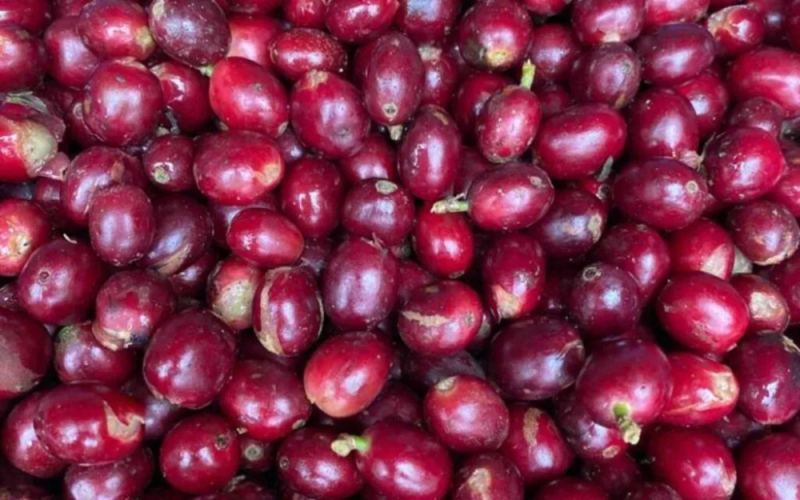
What Exactly Is the Improved Typica Mejorado Variety? A Full Analysis of the Origins and Flavor of This Rare Coffee Variety
Typica Mejorado is one of the representative bean varieties of Ecuadorian specialty coffee. Although its name contains "Typica," it actually has no direct genetic relationship with Typica. It originated from a breeding trial project established by Nestlé in Pichincha Province, Ecuador, and was created by crossing Red Bourbon with Ethiopian native varieties. It became popular among local coffee farmers due to its outstanding pest resistance. At Ecuador's first COE in 2021, Typica Mejorado took 10 of the 23 winning beans scoring above 87 points, and its fame soared thereafter. This article will help you gain a comprehensive understanding of this rare variety from the perspectives of its origins, genetic identification, competition performance, and flavor characteristics. [more…]