







What Does an Arabica Bean Look Like Across Varieties?
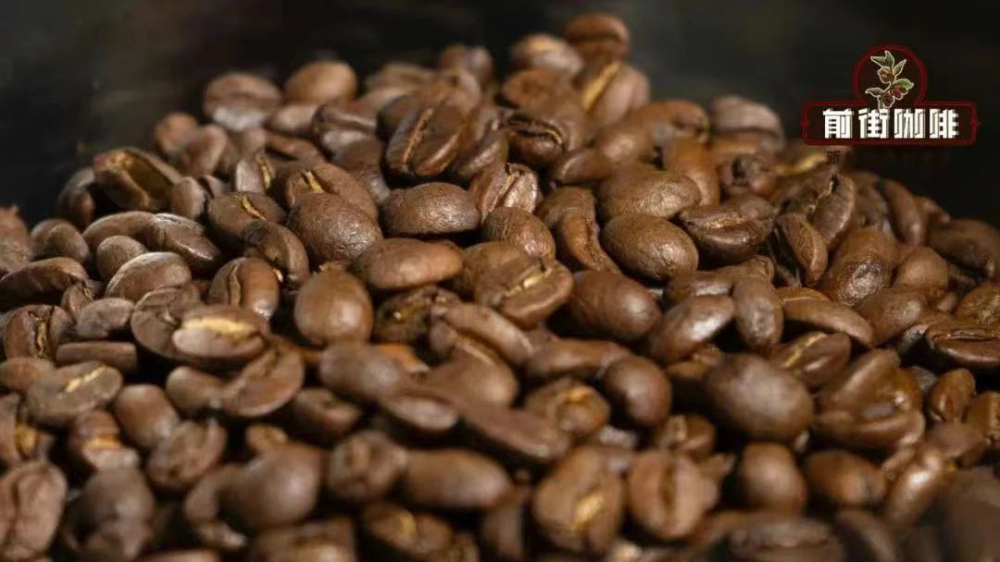
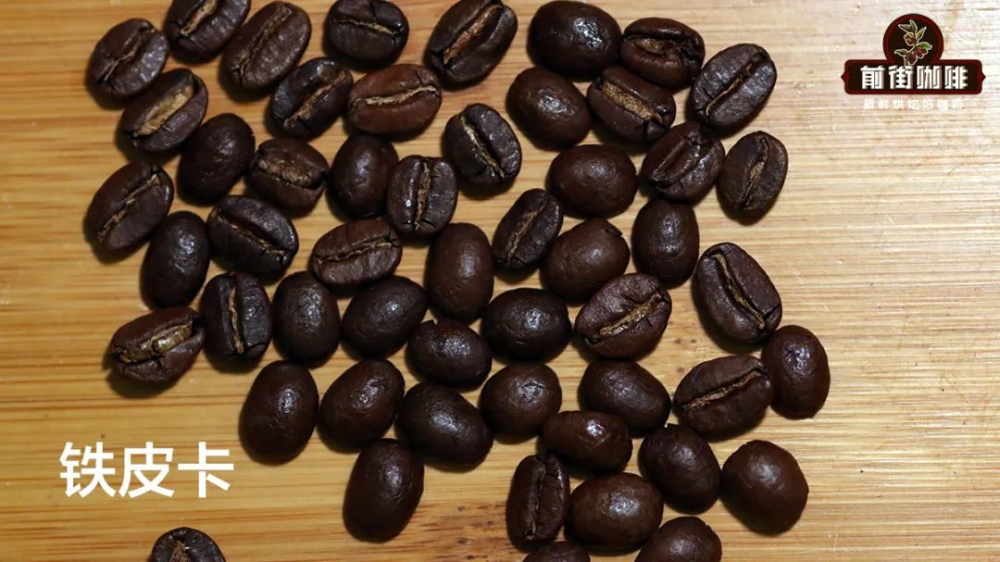
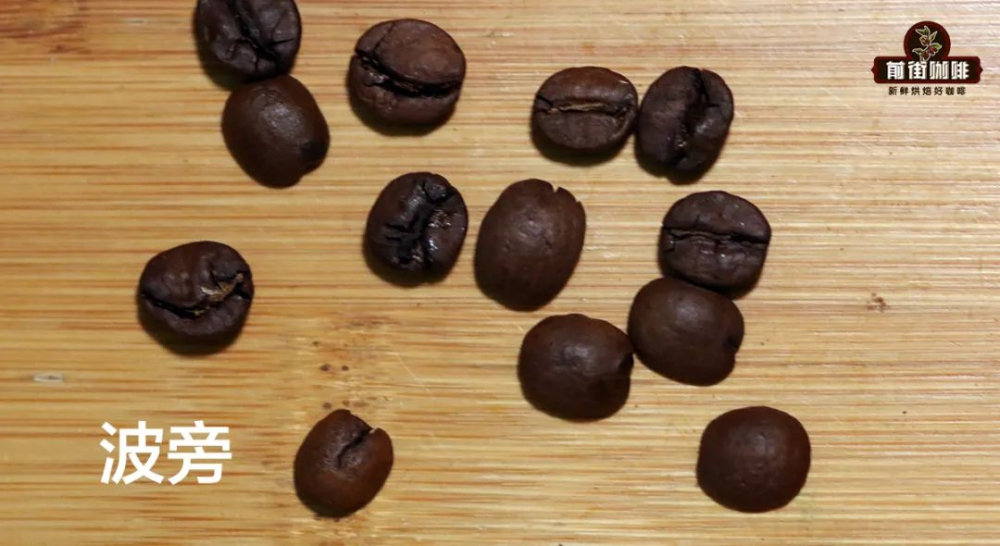
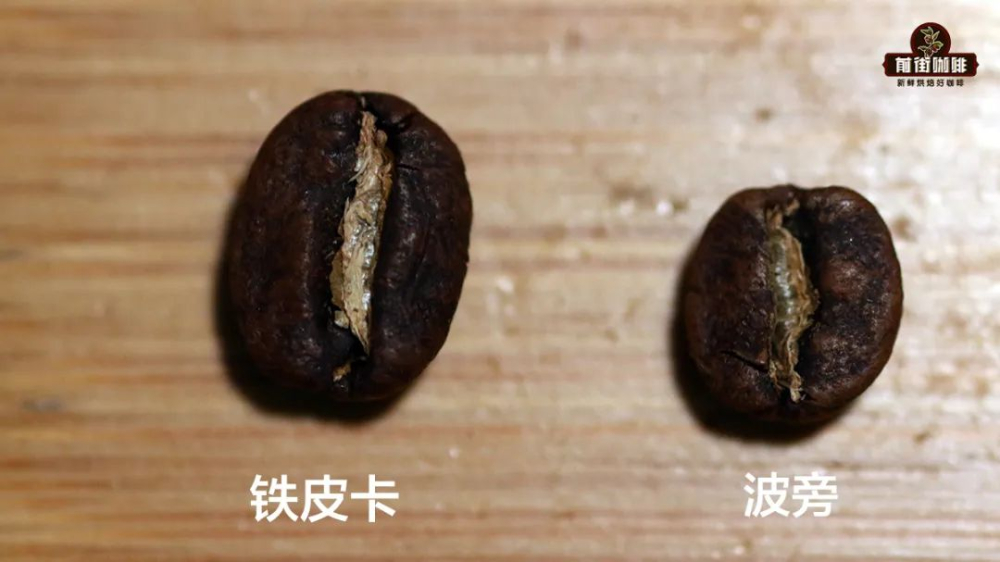
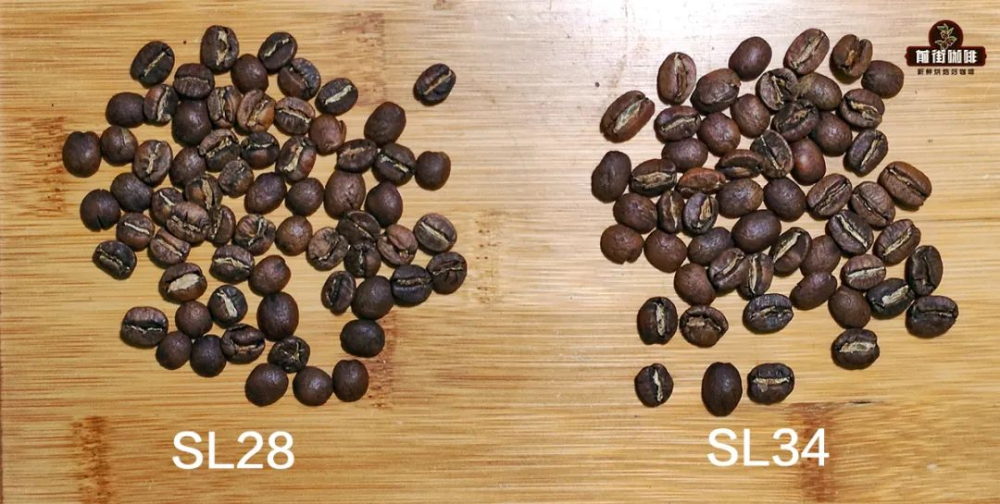
Arabica bean varieties such as Typica and Bourbon can often be told apart by shape, size and the form of the bean's tip. Typica beans are typically elongated and narrow, Bourbon beans are rounder and plumper, and varieties such as SL28, SL34, Caturra, Catuai and Geisha each carry their own recognisable traits.
Learning this skill works much like palate training: observe beans of one variety at a time and memorise the reference points, then compare side by side. At Hacienda La Esmeralda, the Panama Geisha selection was judged by plant morphology, bean shape and cupping rather than genetic testing, showing how closely appearance tracks variety.
In the world of specialty coffee, the Arabica species accounts for the vast majority of single-origin beans consumed daily, but many people may not realize that within Arabica there are actually many distinct varieties with different forms. Coffee beans of different varieties often have subtle but identifiable differences in appearance—from bean shape, particle size to the form of the bean's tip, all can serve as clues for identification. Mastering these characteristics is like practicing cupping sensory skills; it requires patient observation and repeated comparison. This article will start with Typica and Bourbon, then extend to common varieties such as SL28, SL34, Caturra, Catuai, and Geisha, helping coffee enthusiasts gradually build the ability to identify varieties by bean appearance, and will also mention Front Street Coffee's ongoing sharing in promoting coffee knowledge.
For more specialty coffee knowledge, please follow the WeChat official account: Front Street Coffee (FrontStreet Coffee)
Have you ever encountered this kind of coffee enthusiast—they pick up a handful of coffee beans, examine them for a moment, and can roughly say what variety they are and where they come from, leaving the people around them deeply impressed. How exactly is this skill developed?
Actually, the vast majority of single-origin coffees we drink daily belong to the Arabica species, but the appearance characteristics of different varieties under Arabica are not consistent, and the differences are quite obvious. If you want to develop the ability to "identify varieties by looking at beans," you need to do what you do when training your palate: observe the beans of each variety one by one and remember their respective identification points.
Typica
Bourbon
SL28&SL34
Caturra
Catuai
Geisha
Take Hacienda La Esmeralda as an example; the Geisha varieties they grow include Green Tip Geisha and Geisha 1931. By reviewing historical records, the estate owner traced back to a forest area called Green Tip Geisha, inferring that the British had collected and taken away Geisha seeds from there, so they also went to the area to sample, and ultimately selected and bred Geisha 1931. It is worth noting that the selection process did not rely on genetic testing, but instead made a comprehensive judgment by observing plant morphology, bean shape characteristics, and cupping flavor. From the samples, they found that this variety performed similarly to Panama Geisha, thereby confirming its identity.

The above content is compiled by CoffeeHunters, a coffee news website.


