







Which Jamaican Blue Mountain Lots Carry Rainforest Alliance Coffee Certification?
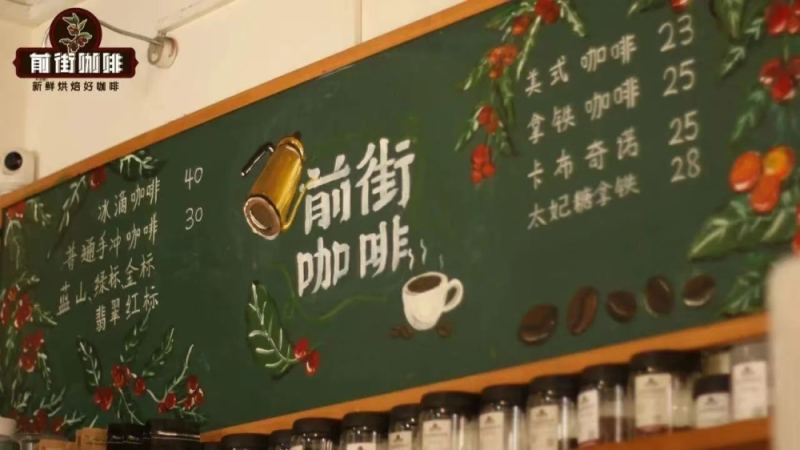
Starbucks Reserve releases Jamaica Blue Mountain coffee beans in limited quantities roughly every two years, sourced from Wallenford Estate at about 398 yuan for 250 grams, with around 3,500 bags available nationwide. Front Street Coffee sells Blue Mountain No. 1 from Clifton Estate at 158 yuan per 100 grams.
Clifton Estate is the only coffee estate in Jamaica to obtain Rainforest Alliance certification, which makes its lots easier to trace back to a named farm. The article also covers the origin terroir, the evolution of the Typica variety, authenticity identification points, washed versus natural processing, and Front Street's roasting and brewing parameters.
The Jamaica Blue Mountain coffee beans that Starbucks Reserve releases in limited quantities every two years come from Wallenford Estate, priced at about 398 yuan for 250 grams, with only about 3,500 bags available nationwide. Meanwhile, the Blue Mountain No. 1 sold by Front Street Coffee comes from Clifton Estate, priced at 158 yuan/100 grams, and is the only estate in Jamaica with Rainforest Alliance certification. This article covers the origin terroir of Blue Mountain coffee, the evolution of the Typica variety, methods for identifying authenticity, the flavor differences between washed and natural processing methods, as well as Front Street Coffee's roasting recommendations and brewing parameters, helping coffee enthusiasts gain a comprehensive understanding of this legendary coffee.
For more specialty coffee knowledge, please follow our WeChat official account: Front Street Coffee (FrontStreet Coffee)
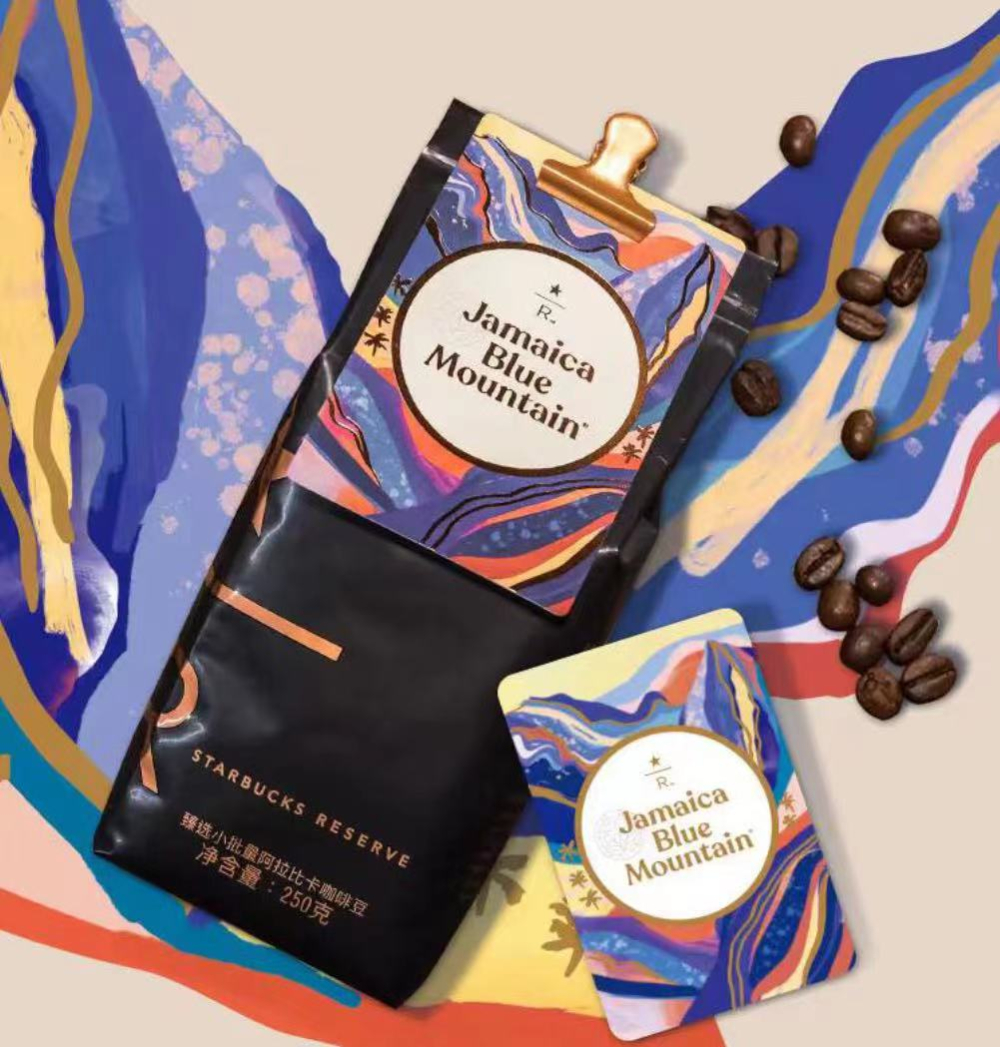
Starbucks has started selling Blue Mountain coffee beans too? No need to be surprised. Although the market is flooded with various counterfeit Blue Mountain products, given Starbucks' brand reputation, at least it won't sell fake Blue Mountain coffee beans. Moreover, Starbucks' involvement with Blue Mountain coffee is not a recent development—as early as 2016, Starbucks has maintained a rhythm of releasing Blue Mountain coffee beans once every two years, and by this pattern, 2022 is expected to follow suit.
Starbucks' Blue Mountain coffee beans come from Wallenford Estate in Jamaica and are available only in limited quantities at Starbucks Reserve stores. Authentic Blue Mountain coffee production is inherently limited, so each time Starbucks releases it, there are only about 3,500 bags nationwide, with the 250-gram pack priced at 398 yuan, making it arguably the most expensive coffee bean in Starbucks' current product line.
Starbucks' Blue Mountain coffee beans are scarce, limited in quantity and time—do ordinary consumers usually have a chance to buy authentic Blue Mountain? The answer is yes. Front Street Coffee (FrontStreet Coffee) sells Jamaica Blue Mountain No. 1 coffee beans at 158 yuan/100 grams. Unlike Starbucks' Blue Mountain, Front Street Coffee's Blue Mountain comes from Clifton Estate, which is the only coffee estate in Jamaica to obtain Rainforest Alliance certification. Below we'll explore the ins and outs of Blue Mountain coffee and how to distinguish authenticity when purchasing.
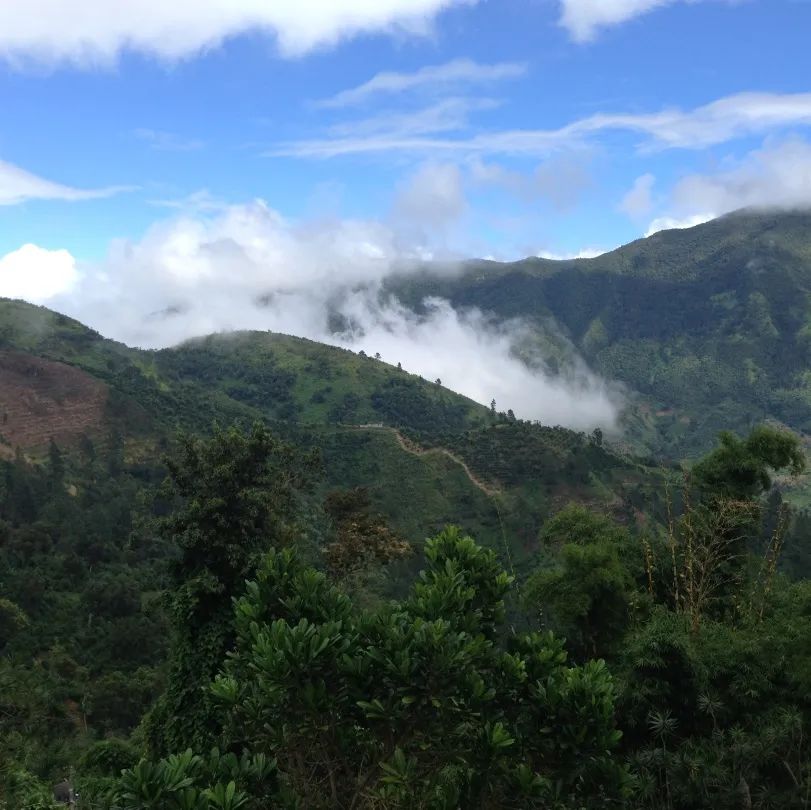
Blue Mountain coffee originates from Jamaica, an island nation in the Caribbean Sea. Jamaica has a mountain range with an elevation of up to 2,000 meters, surrounded by the Caribbean Sea. On clear days, sunlight shines directly on the azure sea, and the peaks reflect the brilliant blue glow of the seawater, making the entire mountain seem shrouded in a layer of light blue—hence the name Blue Mountain.
Jamaica is located in the Central and South American region where volcanic activity is frequent. Each eruption brings new volcanic ash to the Blue Mountain range, gradually forming fertile volcanic soil. In addition, the mountain air is fresh and pollution-free, with year-round rain and significant temperature differences between day and night. Most crucially, every afternoon clouds and mist cover the entire mountaintop, providing natural shade for the coffee trees while bringing ample moisture. Such superior geographical location and climatic conditions give the Typica coffee beans grown at high altitudes a balanced acidity, sweetness, and bitterness in both taste and flavor.
The Typica variety currently grown in the Blue Mountain range traces back to 1720—a French naval officer endured great hardships to escort Typica seedlings to Martinique in the Caribbean. In 1725, the British Governor of Jamaica transplanted 7,000 Typica seedlings from Martinique to the Blue Mountains of Jamaica. After more than two hundred years of evolution, this batch of Typica developed excellent disease resistance, particularly better resistance to coffee berry disease than ordinary Typica, so in the coffee variety genealogy, Blue Mountain Typica is classified separately.
Although Blue Mountain Typica has a balanced flavor, once it leaves Jamaica or is planted at low altitudes, its performance is difficult to bring to perfection. In particular, the long, lingering aftertaste of Typica can only be fully expressed in the high-altitude regions of Jamaica's Blue Mountains.
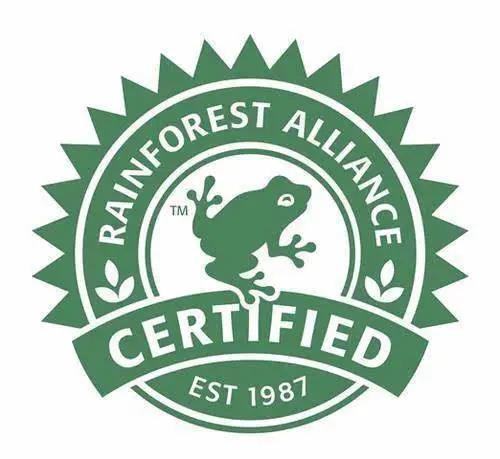
Clifton Farm began planting and producing coffee as early as the mid-eighteenth century (around 1750). Its cultivation and processing areas are at an average elevation of about 1,310.64 meters. Sufficient altitude, gentle afternoon cloud cover for shade, abundant sunshine, and mineral-rich soil provide good growing conditions for coffee trees and also extend the ripening period of the coffee cherries. With over two hundred years of cultivation history, the estate is one of Jamaica's oldest coffee-producing sites still in operation, and is also the only coffee estate in Jamaica with Rainforest Alliance certification. This certification aims to protect the ecosystem, ensure sustainable agricultural development, produce safe and high-quality coffee, enhance market competitiveness, and is of great significance for increasing export earnings as well as the income of coffee farmers and laborers.
To buy authentic Blue Mountain No. 1 coffee, look for wooden barrel packaging, the green frog logo on the barrel, and a certificate authorized by the Jamaican government. Jamaica is the only producing region in the world that uses wooden barrels for green beans. The Blue Mountain coffee provided by Front Street Coffee (FrontStreet Coffee) comes with a certificate issued by the Jamaica Coffee Board, and the packaging barrel also bears the green frog logo.
Before 2020, Blue Mountain No. 1 coffee all used washed-process Typica coffee beans. In 2020, Clifton Estate introduced natural-process Blue Mountain coffee beans, so Blue Mountain coffee on the market now comes in both washed and natural versions. Front Street Coffee (FrontStreet Coffee) sells both; orders default to the washed process, and if you need natural-process Blue Mountain coffee beans, please remember to leave a note.
Washed-process Blue Mountain coffee beans have their skin, pulp, and mucilage removed before drying, resulting in a more balanced and clear flavor profile; natural-process Blue Mountain coffee beans are dried whole with the skin, pulp, and mucilage intact, so natural Blue Mountain has an extra layer of fermented aroma compared to washed, and its berry-like acidity is relatively more prominent.
To highlight Blue Mountain coffee's smooth, rich, and full-bodied mouthfeel, Front Street Coffee (FrontStreet Coffee) roasts Blue Mountain coffee beans to a medium-dark level. Since all shipped beans are freshly roasted within 5 days, there's no need to rush to brew upon receiving them. Keep the coffee beans sealed in their original packaging and wait 5 to 6 days after the roast date before starting to brew—the flavor will be even better.
The brewing parameters and techniques Front Street Coffee (FrontStreet Coffee) uses for its daily Blue Mountain coffee are as follows: Kono dripper, 88°C water temperature, 1:15 coffee-to-water ratio, 15 grams of coffee, grind size (70-75% passing through a No. 20 standard sieve).
A three-stage extraction is used: the first stage pours 30 grams of water for blooming, with a bloom time of 30 seconds; the second stage pours water up to about 125 grams and waits for the coffee liquid to drop; when it drops to half, pour the final stage of water up to 225 grams, and end extraction when all the coffee liquid has dripped through, with a total extraction time of about 2 minutes 10 seconds.
"Front Street Natural Blue Mountain Coffee" has a slight berry acidity reminiscent of smoked plum and mulberry, with good overall balance, rich dark chocolate and nutty flavors, and a slight fermented note.
"Front Street Washed Blue Mountain Coffee" has rich dark chocolate and nutty flavors, a creamy smooth mouthfeel, and balanced acidity, sweetness, and bitterness.
For professional coffee knowledge exchange and more coffee bean information, please follow Coffee Studio (WeChat official account: cafe_style)
For more specialty coffee beans, please add the private WeChat of Front Street Coffee (FrontStreet Coffee), WeChat ID: kaixinguoguo0925
The above content is compiled by CoffeeHunters, a coffee news website.


