







What do Ethiopian heirloom coffee beans and landraces mean?
Ethiopian heirloom coffee beans carry a broad label used for the country's native varieties. Nearly 2,000 varieties have been recorded, 1,927 of them native and 128 introduced. Because so many lack formal genetic identification, and the government limits disclosure, they are grouped collectively as heirloom rather than named individually.
Local varieties are usually split into JARC selections and regional landraces, and numbered varieties have gained visibility alongside them. Ethiopia's grading standards are separate from the variety label, so the two should not be confused. Ethiopia sits within the world's most commonly cultivated coffee species, Arabica, which shapes the flavor range buyers expect from these lots.
Ethiopia, as the birthplace of coffee, boasts an astonishing diversity of varieties, with nearly 2,000 recorded to date, of which 1,927 are native varieties. Ethiopian coffee beans commonly found on the market are mostly labeled as Heirloom native species, but in recent years Landrace landraces and numbered varieties have also gradually gained prominence. In this article, Front Street Coffee will systematically sort out the definition, classification, and identification challenges of Heirloom native species, analyze the origins of Landrace and numbered varieties, and introduce in detail Ethiopia's coffee bean grading standards. Finally, we will recommend several Front Street-selected Ethiopian native species coffee beans, covering well-known products such as Gudingding, Red Cherry, Worka, Aricha, and Huakui 5.0, with roasting and brewing data to share.
For friends who love coffee, Ethiopia as the birthplace of coffee has long been deeply ingrained in people's minds. As of now, nearly 2,000 coffee varieties have been recorded in the country, of which 1,927 are native varieties, and another 128 are introduced foreign varieties. However, most Ethiopian coffee beans currently circulating on the market have their varieties uniformly labeled as Heirloom native species. Next, Front Street Coffee will explain in detail what the Heirloom native species actually means.
What is the Heirloom native species?
After consulting the Oxford English Dictionary, Front Street Coffee found that the original meaning of the word "Heirloom" is "a precious item passed down from generation to generation within a family," so this variety is also translated in some places as the "heirloom" variety.
According to information compiled by Front Street Coffee, Ethiopia currently has approximately 10,000 to 15,000 heirloom varieties, the vast majority of which have not yet undergone formal genetic identification. It is precisely because the number of varieties is so enormous that, on the one hand, identification and classification are extremely difficult, and on the other hand, the Ethiopian government, out of protection considerations, is unwilling to disclose specific information about these varieties, so they are ultimately collectively referred to as "native species."
Currently, local native varieties are usually divided into two major categories: JARC varieties and regional landraces. JARC varieties are developed and researched by the Jimma Agricultural Research Center and possess certain ideal characteristics, such as stronger disease resistance or higher yield. Regional landraces, by contrast, are coffee trees that grow completely naturally in the wild.
In addition, Front Street has learned that Ethiopia also has a "semi-forest system," in which "larger forest areas are usually owned by private groups." This is mainly because the biggest problem facing local native species is that most are in a wild state, making it difficult for farmers to identify and separate varieties in the wild, while on farms, pickers and producers can better separate each variety. Among the tens of thousands of different heirloom varieties in Ethiopia (whether identified or not), many different characteristics are exhibited, including yield, cup quality, flavor, and disease resistance. However, one of the biggest challenges faced by these thousands of heirloom coffee varieties is identification. This is partly because Ethiopia has a large number of genetically distinct varieties. In addition, in some areas, many different varieties grow right next to one another, making them very difficult to separate and identify.
Finally, heirloom varieties can usually only be identified by producers based on years of experience, because there are so many types that broader genetic verification is almost impossible.
The above is the relevant information compiled by Front Street Coffee about Ethiopia's Heirloom native species. It is also precisely for this reason that Ethiopia has introduced coffee bean grading standards suited to its own circumstances. Next, Front Street Coffee will introduce them to coffee fans.
Ethiopian Coffee Bean Grading Standards
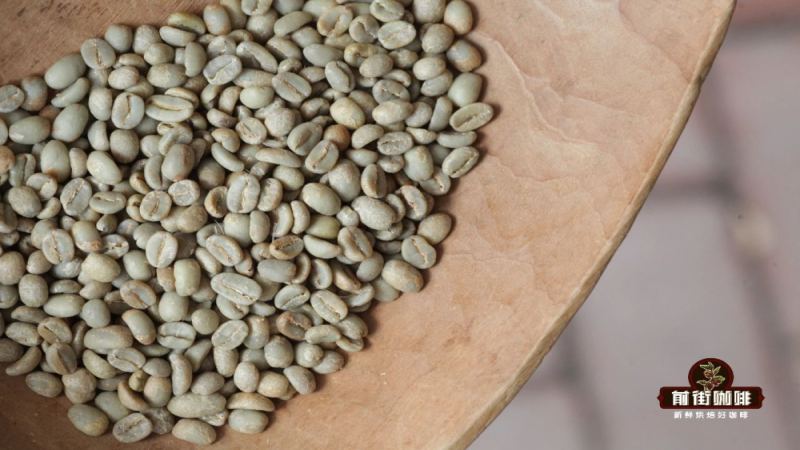
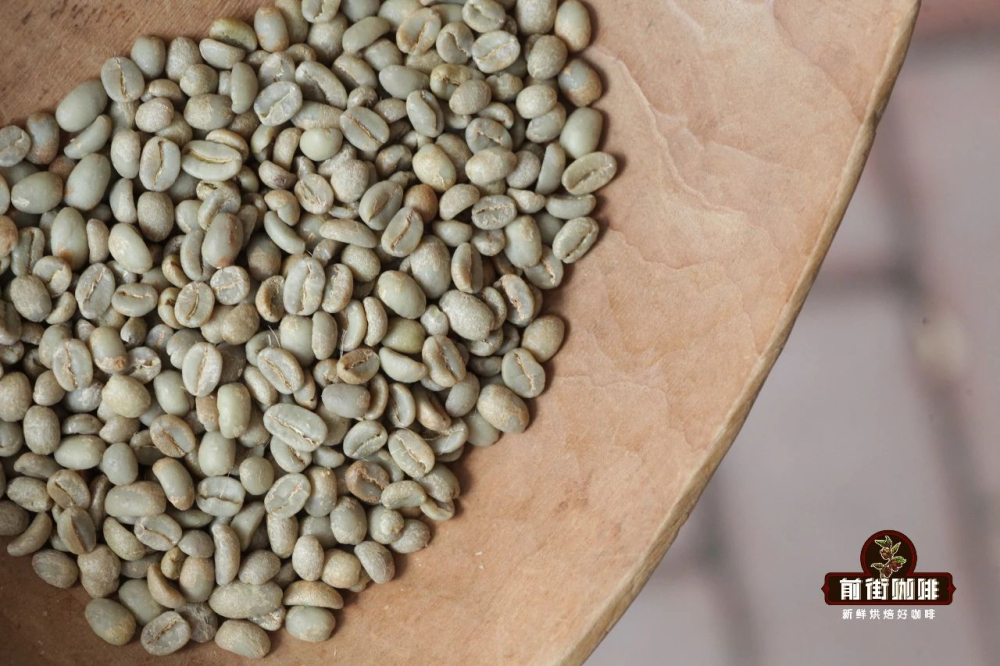
As mentioned above by Front Street Coffee, Ethiopia has an extremely large number of coffee varieties, which has also led to the situation of local coffee beans varying in size (as shown in the image below of Ethiopian Sidamo Huakui coffee beans). Therefore, Ethiopia mainly establishes grades based on the number of defects in the coffee beans and the coffee's flavor.
Before the appearance of the Ethiopia Commodity Exchange (ECX), Ethiopia's coffee export grades were established by the CLU department under the Ministry of Agriculture, which mainly graded green coffee beans by the number of defective beans contained in 300g. The grading standards are shown in the table below. Generally, washed coffees were G1-G2. Due to the technical issues with sun-dried processing at the time, sun-dried green beans had a relatively high number of defects, generally G3-G5. With improvements in sun-dried processing technology, today's sun-dried beans can also reach G1-G2 grades.
Among them, specialty and commercial are aimed at the export international market. The ECX divides green coffee beans into nine grades according to the total score of physical attribute characteristics and cup flavor characteristics, of which physical characteristic scores account for 40% and cup quality scores account for 60%. Physical characteristics (40%): Washed processing: number of defects (20%), appearance size (10%), color (5%), odor (5%) Unwashed processing: number of defects (30%), odor (10%)
Then G1-G3 are cupped again according to SCAA standards to assess their flavor attributes in greater detail. G1 and G2 scoring no less than 85 points are rated as Q1 grade; G1, G2, and G3 scoring between 80 and 85 are rated as Q2 grade; and all G1, G2, and G3 scoring below 80 are rated as G3 grade; Q1 and Q2 are classified as specialty grade for export. G4-G9 remain unchanged in their original grading and, together with G3, are classified as commercial grade for export.
The above are Ethiopia's coffee bean grading standards. Next, Front Street Coffee will recommend some Ethiopian Heirloom native species coffee beans to all coffee fan friends.
Front Street Coffee: Ethiopian Yirgacheffe Gudingding Coffee Beans
Country: Ethiopia Region: Yirgacheffe Altitude: 1900-2300m Variety: local native species Processing method: washed processing Flavor: tropical fruit, cream, honey, berries, citrus
The name Gudingding actually comes from the fact that this coffee cherry is produced by the Gudingding Cooperative. According to Front Street, the Gudingding Cooperative was originally part of the Worka Cooperative under the Yirgacheffe Coffee Farmers Cooperative Union (YCFCU), and became independent as the Gudingding Cooperative in 2012. It currently has more than 300 smallholder members.
Front Street Coffee: Ethiopian Yirgacheffe Sun-Dried Red Cherry Coffee Beans
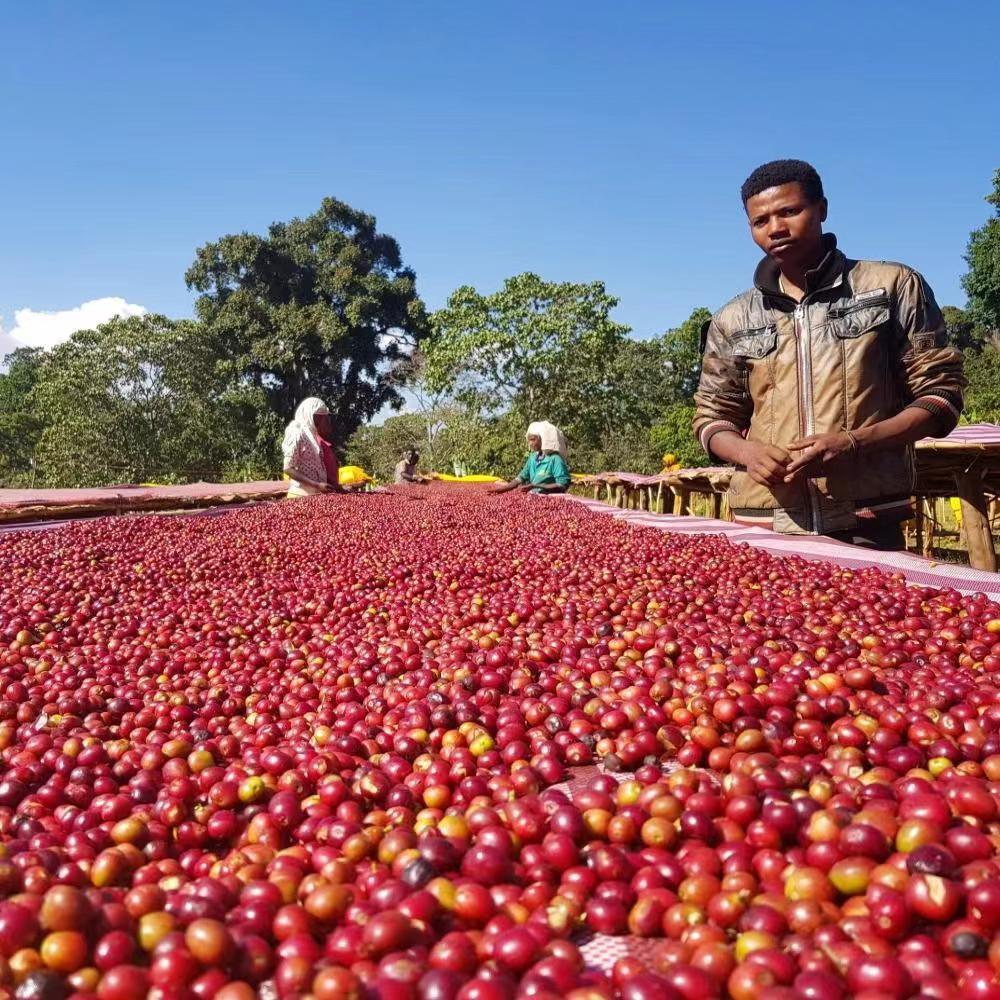
Country: Ethiopia Region: Yirgacheffe Altitude: 2300m Variety: local native species Processing method: sun-dried processing Flavor: berries, lemon, strawberry, fermented wine aroma
This sun-dried Red Cherry coffee from Front Street Coffee is made from 100% ripe coffee beans dried in the sun, so it is full of aroma in flavor, rich in sweetness, and carries a fermented note.
The reason this coffee bean is called Red Cherry is the "Red Cherry Project" jointly implemented by local Ethiopian coffee farmers and the Dutch company Trabocca. This project aims to improve the quality of coffee from small-scale farms and increase farmers' income. Picking fully ripe coffee cherries requires not only picking fully red, highly ripe cherries, but also harvesting entirely by hand, yet this is only the most basic requirement. There are also corresponding requirements for how the coffee beans are processed. Therefore, as long as coffee beans come from this Red Cherry Project, their quality is excellent, which is also one of the reasons why Front Street Coffee listed this coffee bean.
| Grade | Number of defective beans (per 300g) |
| Grade1 | ≤3 |
| Grade2 | 4-12 |
| Grade3 | 13-25 |
| Grade4 | 26-45 |
| Grade5 | 46-90 |
Front Street Coffee: Ethiopian Yirgacheffe Worka Cooperative Coffee Beans
Country: Ethiopia Region: Yirgacheffe Altitude: 1650-1800m Variety: local native species Processing method: washed processing Flavor: lemon, jasmine tea, black tea, cane sugar
Worka is located in the Yirgacheffe region, at an altitude of 1800-2000 meters. The Worka Cooperative was established in 2005 and joined the famous Yirgacheffe Coffee Farmers Cooperative Union (YCFCU) that same year. It is known for producing high-quality sun-dried Yirgacheffe. This Worka from Front Street comes from here.
Front Street Coffee: Ethiopian Yirgacheffe Aricha Coffee Beans
Country: Ethiopia Region: Yirgacheffe Altitude: 1900-2100m Variety: local native species Processing method: sun-dried processing Flavor: light fermented wine aroma, sweet orange, spices, honey sweetness
Aricha is produced at the Kebel Aricha processing station, with about 650-700 small coffee farmers nearby. Farmers deliver ripe coffee cherries here for processing and receive cash in return. After the processing station screens the usable cherries, they are placed directly on raised beds to sun-dry. During the first few days of drying, they are turned once every 2-3 hours to prevent over-fermentation. After four to six weeks of sun-drying, workers remove the outer fruit layer with machines depending on the weather and temperature conditions, then transport the beans to Addis for storage. Sun-dried beans are usually stored in the form of parchment beans until just before export, when they are hulled, ensuring the quality of the green beans.
This batch of sun-dried Aricha from Front Street has been rated by ECX as the highest grade, G1. From the appearance, consistency, and freshness of the green beans to the dry aroma and flavor, it is quite excellent. Coffee fans who like bright acidity and rich berry flavors absolutely must not miss it!
| Grade | Washed/Unwashed Score |
| Grade1 | 91-100 |
| Grade2 | 81-90 |
| Grade3 | 71-80 |
| Grade4 | 63-70 |
| Grade5 | 58-62 |
| Grade6 | 50-70 |
| Grade7 | 40-49 |
| Grade8 | 31-39 |
| Grade9 | 20-30 |
Front Street Coffee: Ethiopian Sidamo Huakui 5.0 Coffee Beans
Country: Ethiopia Region: Sidamo Altitude: 2250-2350m Variety: local native species Processing method: sun-dried processing Flavor: berries, floral tea, honey, lemon, black tea
This Huakui coffee bean introduced by Front Street Coffee was the champion of the sun-dried group in Ethiopia's 2017 TOH coffee competition. It appeared before everyone with a unique strawberry cream flavor and made a stunning debut, so that year this batch of green beans was introduced into China by the Beijing green bean trader Hongshun. In the same year, Li Jianfei used this bean to win second place in the China region of the 2017 World Brewers Cup. This Ethiopian bean stood out especially among many Geisha competition beans, and was therefore given the name "Huakui." In the following years, Huakui was named with "X.0," for example, 2024 was Huakui 8.0.
The Rise of Landrace Varieties
In recent years, Ethiopian coffee has not only been labeled with the Heirloom native species in terms of variety; some Ethiopian beans are also labeled as "Landrace." Landrace means local variety, referring to plants that have historical origins, unique characteristics, genetic diversity, can adapt to local conditions, and work well with farmers' field management. For example, Yirgacheffe is likewise an indistinguishable variety that has developed characteristic flavors after adapting to the local geographical environment. Local people are also accustomed to calling the coffee varieties in the Yirgacheffe area "Kurume." Similarly, there are local varieties such as Dega and Walisho in Sidamo.
In addition, numbered coffee varieties are now also emerging in Ethiopia. So-called numbered varieties are numbered starting with 74 or 75, because the Jimma Agricultural Research Center launched a variety cultivation program between 1974 and 1975. These varieties have shone brilliantly in Ethiopia's COE competitions; for example, varieties such as 74110 and 74112 have already topped the COE list for two consecutive years.
Front Street Coffee Roasting Data Sharing
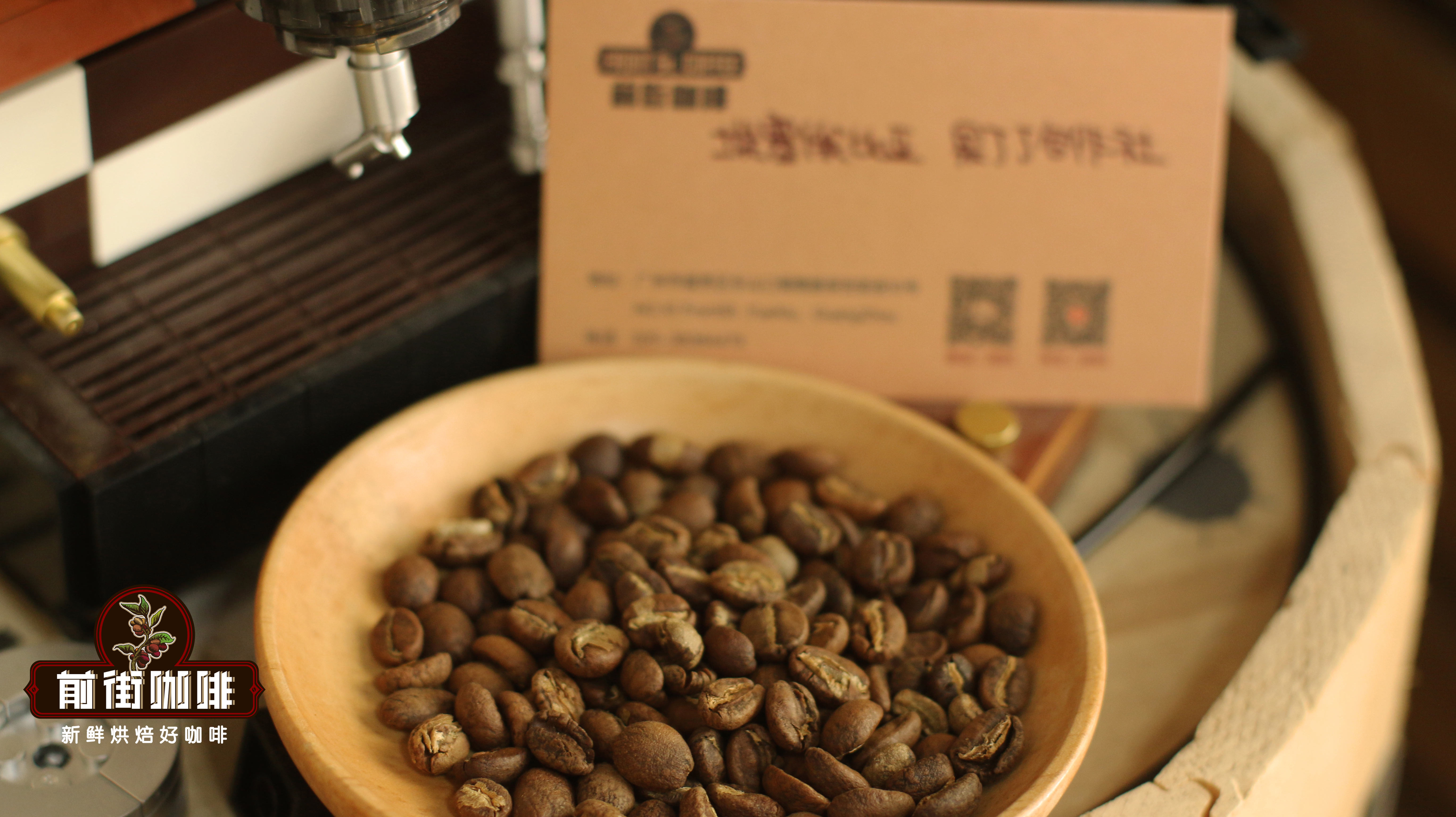
Sun-Dried Red Cherry: Front Street Coffee conducts two rounds of manual sorting for defective beans before roasting. Manual selection before roasting can lay the foundation for roasting high-quality coffee. This sun-dried Red Cherry coffee has extremely few defects.
Using a Yangjia 800N, with 600g bean charge: charge when the drum temperature reaches 200°C, set the damper to 3.5, adjust the heat to 160°C after 1 minute, keep the damper unchanged, adjust the heat once at 148°C, lower it to 130°C, roast until 5'03'', at a temperature of 151°C, when the bean surface turns yellow, the grassy smell completely disappears, and dehydration is complete, adjust the heat to 105°C, and open the damper to 4; at the 8th minute, ugly wrinkles and dark spots appear on the bean surface, and the toast aroma clearly turns into coffee aroma, which can be defined as the prelude to first crack. At this time, listen clearly for the sound of the first crack point. At 9'07'' first crack begins, reduce the heat to 70°C, open the damper fully (adjusting the heat must be done very carefully, not so low that there is no cracking sound), and drop the beans at 194°C.
Front Street Coffee Brewing Data Sharing
Dripper: V60 #01 Water temperature: 90-91°C Dose: 15g Coffee-to-water ratio: 1:15 Grind size: BG6m/medium-fine grind (sift powder with a No. 20 sieve to 80%)
Brewing method: three-stage extraction
In the first stage, pour 30g of water for a 30-second bloom, then pour 95g (the electronic scale shows about 125g), and finish pouring in about 1 minute. When the water level drops to 2/3 of the coffee bed, pour the remaining 100g (the electronic scale shows about 225g), and finish pouring in about 1 minute 35 seconds. Dripping is completed at 2'00''-2'10", remove the dripper, and extraction is complete.
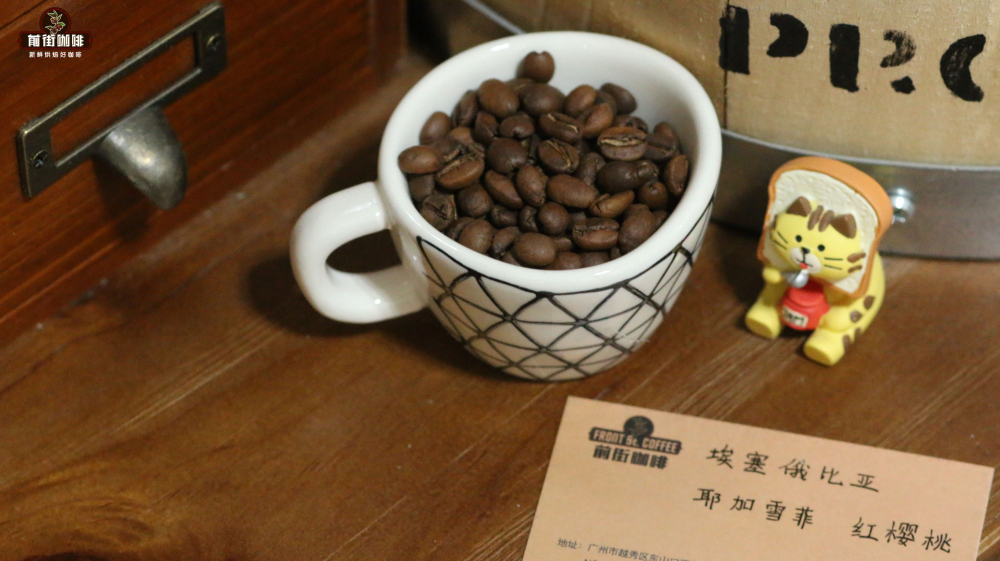
Sun-Dried Red Cherry brewing flavor: Lemon, licorice, citrus, berries, sweet orange, with relatively high overall sweetness, a sweet aftertaste with caramel and cream flavors, and a finish with black tea aroma.
For more specialty coffee beans, please add the private WeChat of Front Street Coffee, WeChat ID: kaixinguoguo0925
The above content is compiled by CoffeeHunters, a coffee news website.


