







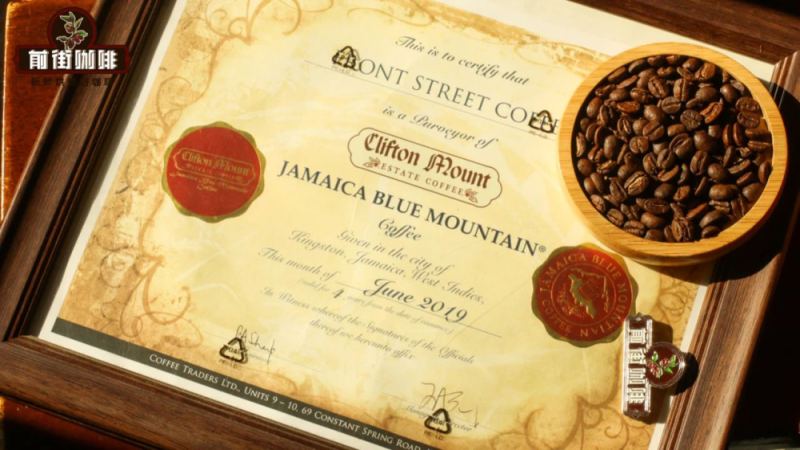
Jamaican Blue Mountain coffee has long stood at the pinnacle of specialty coffee thanks to its balanced, elegant flavor and scarce production. This article focuses on Front Street Blue Mountain coffee, systematically reviewing its origin environment, identification points, historical policies, and variety origins, and highlighting the flavor differences between Clifton Estate washed and natural Blue Mountain coffees. It also explains in detail the operational processes of the natural and washed processing methods, helping coffee enthusiasts fully understand the preciousness of Blue Mountain coffee and the logic of tasting it.
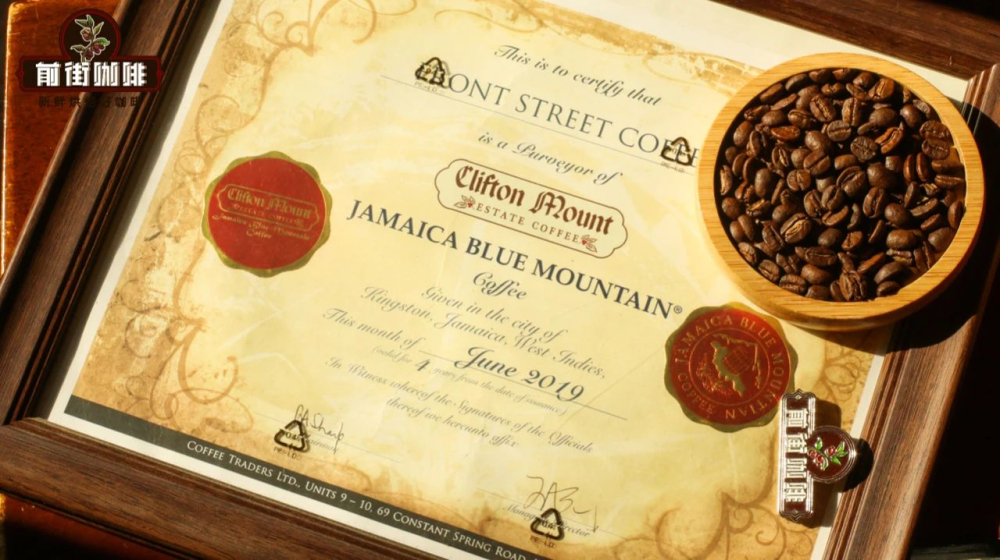
Jamaican Coffee
When Jamaican coffee is mentioned, Front Street believes the first thing that comes to every coffee lover's mind is Front Street Blue Mountain coffee. It is renowned for its captivating flavor and scarce production, making it a top-tier presence in the entire coffee world.
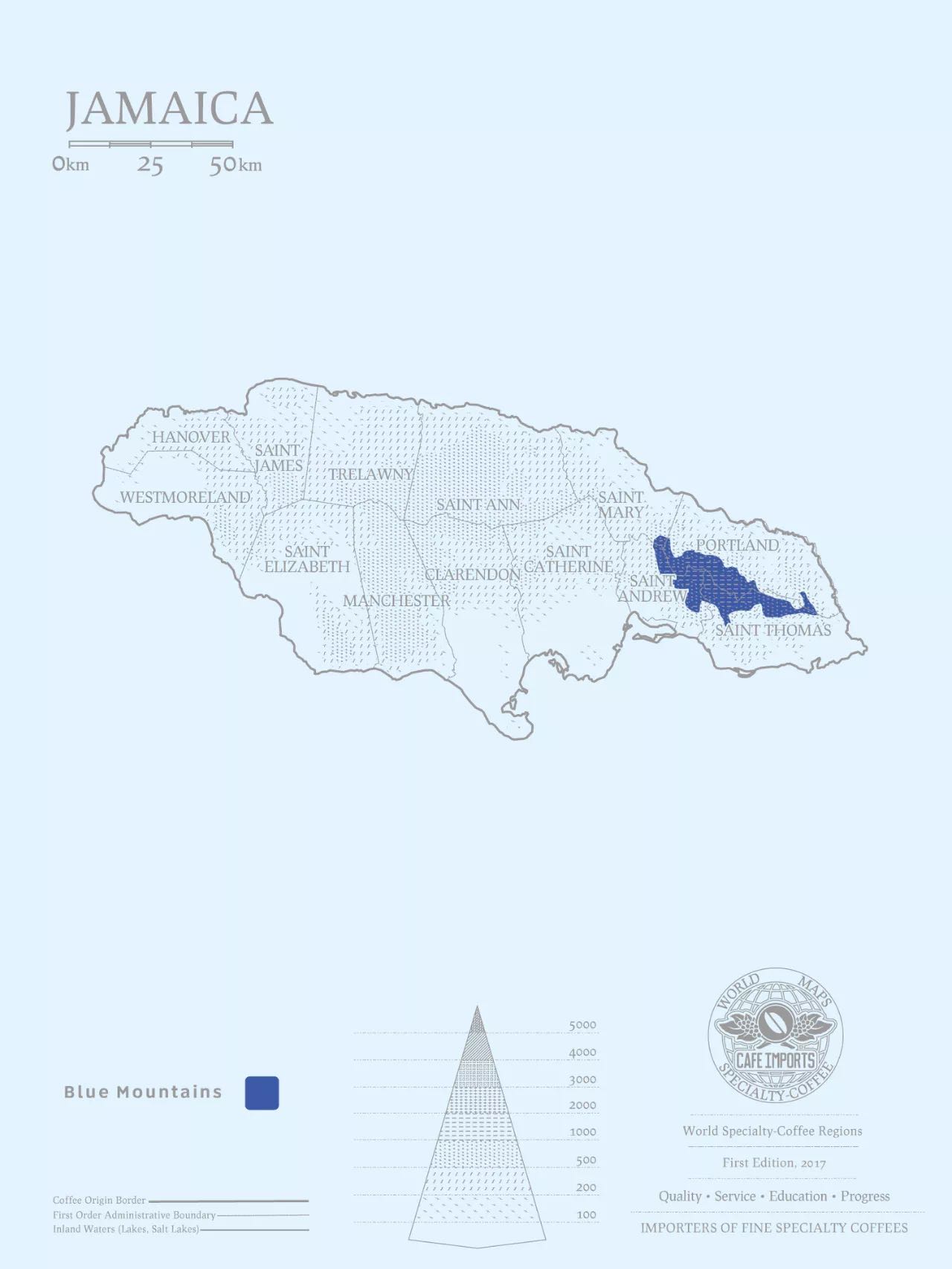
Authentic Front Street Blue Mountain coffee refers to coffee extracted from beans grown in Jamaica's Blue Mountain region. By quality grade, it can also be divided into Jamaican Front Street Blue Mountain coffee and Jamaican High Mountain coffee. The Blue Mountain Range is located on the island of Jamaica, with its main peak reaching 2,256 meters, the highest point in the Caribbean. The area lies in an earthquake zone, with nutrient-rich volcanic soil, clean and pollution-free air, high humidity, year-round mist, and frequent rainfall. It is precisely these natural conditions that have nurtured the world-famous Jamaican Front Street Blue Mountain coffee.
Front Street Blue Mountain coffee brings together all the qualities a fine coffee should have. It is mellow and aromatic, with a wonderful balance among sweetness, acidity, and bitterness, so there is almost no perceptible bitterness, leaving only just the right acidity. This is also why it ranks among the most expensive coffees in the world.
Because of this, a large number of counterfeit Blue Mountain coffees have appeared on the market. So how can one distinguish the authentic from the fake? Front Street will now explain this one by one for coffee lovers:
1. Appearance: Front Street Blue Mountain green beans are blue-green, uniform in shape, medium-small in size, and slightly upturned at both ends. After roasting, they expand noticeably in volume and appear very plump.
2. Grinding: Genuine Front Street Blue Mountain beans grow at high altitude, and their cellular structure is relatively loose. When hand-grinding, they feel crisp, smooth, and continuous, without creating a sense of resistance.
3. Aroma: The aroma is extremely rich and solid; so-called blended Blue Mountain coffees could never have such an aromatic expression.
4. Taste: Genuine Front Street Blue Mountain coffee is balanced and mellow, without any one flavor being overly prominent or missing. This is also a level that no other coffee bean can easily reach, and it is the most essential point in identification.
However, according to Front Street's understanding, not all coffee grown in the Blue Mountains can be called Blue Mountain coffee. According to CIB (Certified International Barista) standards, only coffee grown above 1,000 meters in elevation can be called Jamaican Blue Mountain coffee; conversely, coffee produced below 1,000 meters in Jamaica's Blue Mountain area is called High Mountain coffee, second only to Blue Mountain coffee in quality and known in the industry as the brother variety of Blue Mountain coffee.
Of course, the reason Blue Mountain coffee is so expensive is not only its limited production, but also that 90% of Blue Mountain coffee at the time was bought up by Japanese buyers. Because the rest of the world could only get 10% of the total Blue Mountain supply, no matter how prices fluctuated, Blue Mountain coffee remained in short supply.
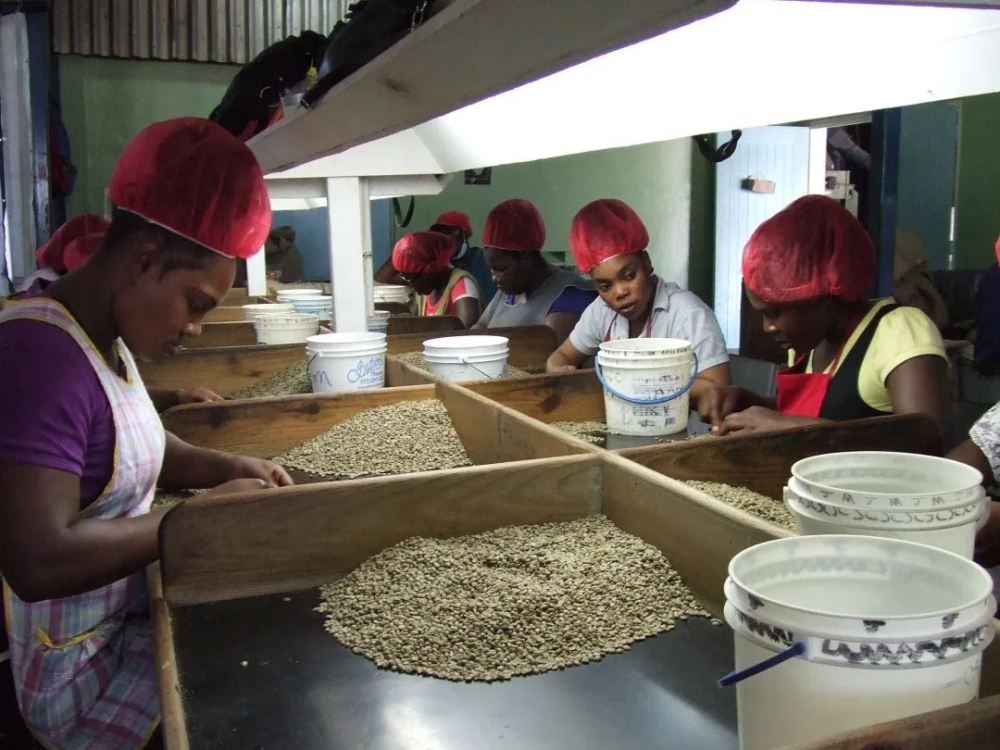
According to information Front Street has reviewed, Blue Mountain coffee's ability to maintain its top status today is closely related to local management policies. The story goes back to 1932, when Jamaica implemented policies encouraging coffee production to reduce the island's dependence on sugar exports. Therefore, the local government did not, like most coffee-producing countries, plant large areas of high-yield, low-quality coffee to increase output. Instead, it insisted on quality first, preferring to sacrifice yield in order to protect quality. This made Jamaica one of the countries with relatively low coffee production in the world. Take Brazil, the world's largest coffee exporter, as an example: its annual production reaches as high as 30 million bags, while Blue Mountain coffee produces only about 40,000 bags each year.
The variety of Jamaican Front Street Blue Mountain coffee is Typica, one of the oldest known varieties of Arabica coffee, first discovered in Ethiopia. According to Front Street's understanding, it was introduced to the Blue Mountains because in 1717 King Louis XV of France ordered coffee to be planted in Jamaica. By the mid-1720s, Jamaica's governor Sir Nicholas Lawes introduced Arabica seeds from Martinique and began promoting cultivation in the St. Andrew area.
In earlier years, Front Street Blue Mountain coffee was always processed by washing the coffee cherries, with the aim of preserving the most original flavor of the coffee cherry. However, as the Geisha variety and Ethiopia's Front Street Yirgacheffe rose to prominence, Blue Mountain coffee was somewhat affected, so Clifton also began trying to process Blue Mountain coffee cherries naturally. But due to the rainy and foggy climate and environmental constraints, this was no small challenge for Clifton, yet they still rose to the challenge, which Front Street greatly admires. Naturally, Front Street cannot fall behind either. Next, Front Street will compare the flavor differences between washed Blue Mountain and natural Blue Mountain through cupping and brewing!
First, Front Street selected Blue Mountain coffee also from Clifton Estate.
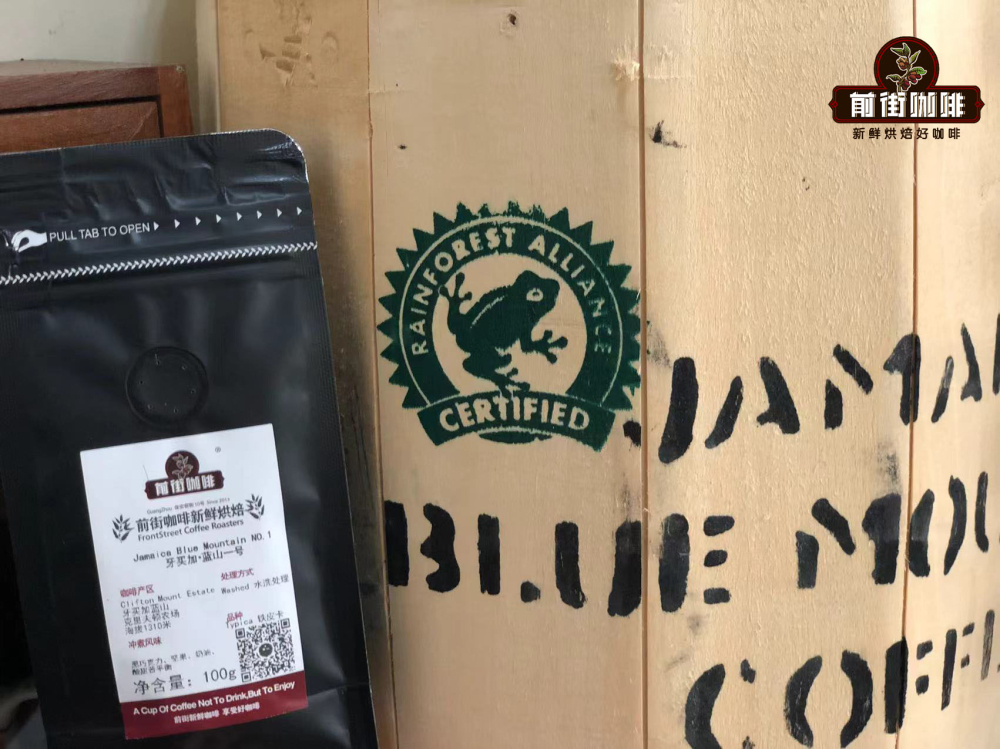
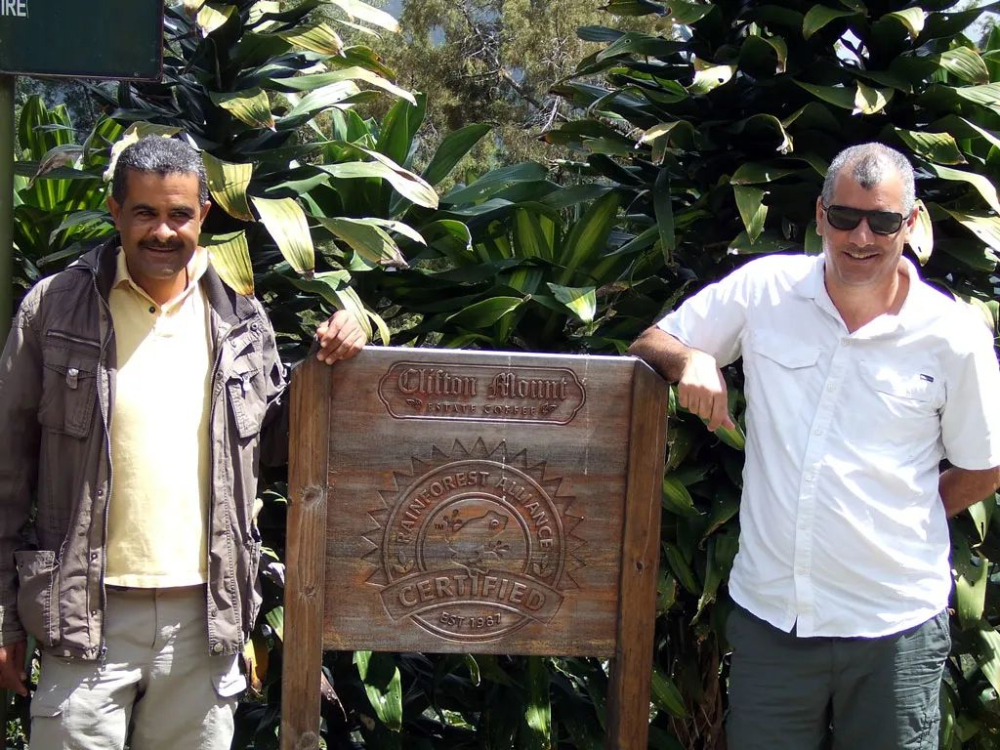
Clifton Estate has impressive credentials. It began planting Front Street Blue Mountain coffee cherries in the mid-18th century. It is also the oldest and highest-altitude coffee estate in the entire Blue Mountain region, and the only local estate dedicated solely to producing Blue Mountain coffee and honored with Rainforest Alliance certification.
The significance of Rainforest Alliance certification is as follows: In accordance with the philosophy of the Rainforest Alliance, with the purpose of protecting the ecological environment, ensuring sustainable agricultural development, developing and producing safe, high-quality tea, and enhancing market competitiveness, it is of great significance for increasing export earnings and the income of tea farmers and laborers. FrontStreet Coffee Jamaican Blue Mountain coffee from Clifton Estate is Jamaica's oldest coffee estate, and in Jamaica only Clifton Farm has the "(RFA) Rainforest Water Frog" logo. The Blue Mountain area is a small place with only 6,000 hectares of planting area, so it is impossible for all coffees labeled "Blue Mountain" to be grown there. Today's Clifton Farm is the largest estate in the region, and by international standards it still counts as small-scale cultivation. Many of the estate owners are small landholders whose families have worked this land for two centuries.
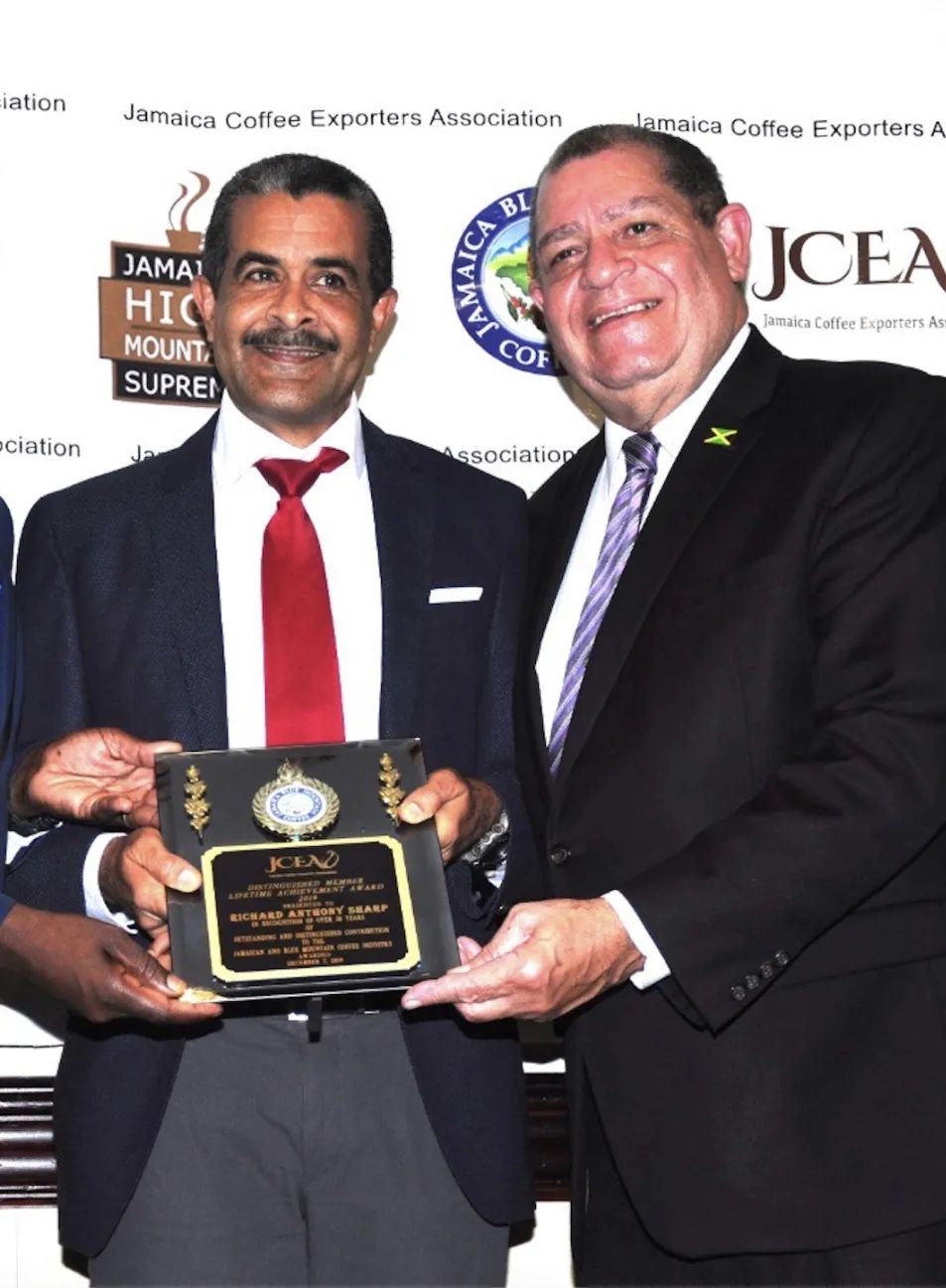
According to Front Street's understanding, Rainforest Alliance certification means the crop must meet the following points: 1. Less water pollution 2. Less acid damage 3. Reduce impact on the environment and human health 4. Protect wildlife habitats 5. Less waste 6. Use less water 7. Highly effective farm management mechanisms 8. Safeguard the rights and welfare of agricultural workers 9. Safeguard the income and competitiveness of agricultural workers 10. Increase cooperation between agricultural workers and environmentalists.
These are precisely the reasons Front Street chose Clifton Estate Blue Mountain to present to Front Street coffee lovers.
FrontStreet Coffee: Front Street Jamaica Washed Blue Mountain Coffee Beans
Country: Jamaica Region: Blue Mountain (Clifton Estate) Altitude: 1310m Variety: Typica Processing method: Washed Flavor: Brown sugar sweetness and berry acidity on entry, nutty cocoa notes in the middle and finish, creamy mouthfeel, rich and distinct layering, with walnut aroma in the aftertaste.
FrontStreet Coffee: Front Street Jamaica Natural Blue Mountain Coffee Beans
Country: Jamaica Region: Blue Mountain (Clifton Estate) Altitude: 1310m Variety: Typica Processing method: Washed Flavor: Dark chocolate and nutty flavors on entry, high cleanliness, very bright, good body, balanced sweetness, acidity, and bitterness.
Summary: Comparing these two Front Street Blue Mountain coffee beans together, Front Street believes that Front Street Natural Blue Mountain has a more prominent flavor layering, and its sweetness and acidity are especially comforting; while Front Street Washed Blue Mountain maintains the classic Blue Mountain taste as always, that smooth, bright, and mellow mouthfeel from the first sip to the last, along with the balanced flavors of sweetness, acidity, and bitterness.
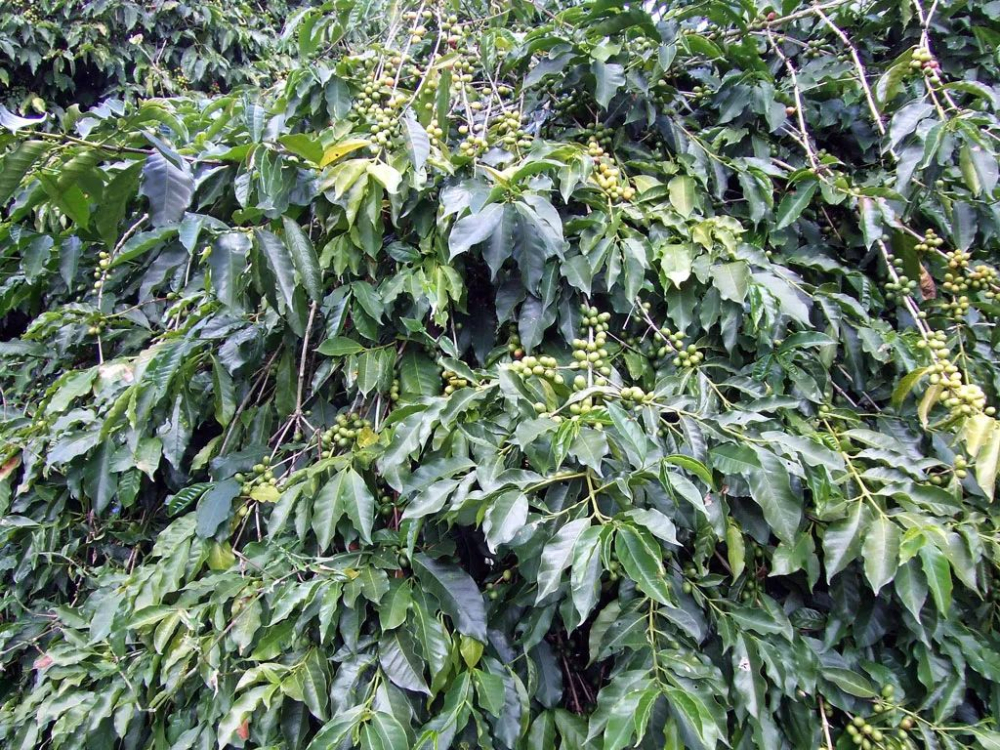
It can thus be seen that the same coffee cherry processed by washing or by the natural method will also bring differences in flavor. Then surely some coffee lovers are curious about how these two processing methods are specifically carried out. Front Street will now explain the processes of these two methods for everyone.
Natural Processing Method
The natural method is the oldest and most primitive way of processing coffee beans. More than a thousand years ago, Arabs were already using this method to process coffee. Specifically, harvested coffee cherries are placed on drying patios and directly sun-dried in the sun (about 27 to 30 days are needed), until the moisture content is reduced from 60% to only about 12%, at which point it is complete. This processing method is simple in concept and inexpensive, but it involves many variables and risks; for a long time, it was used to process beans of less-than-ideal quality.
Of course, this is the ancient method, and the new era naturally requires a new-style natural method, namely refined natural processing. Modern estates in areas such as the Blue Mountain region and Boquete use refined natural processing. First, after picking, strict red cherry screening is carried out, removing overripe, unripe, and damaged cherries. The screened coffee fruit is then placed on raised beds to dry in a single layer. During drying, managers also turn the cherries to avoid uneven sun exposure. Once the coffee's moisture drops to about 12% and drying is complete, it is hulled and polished, then stored in warehouses awaiting export.
Washed Processing Method
The washed method was invented by the Dutch in the 18th century. The harvested berries are passed through a depulper to separate most of the pulp from the coffee beans, and then the parchment beans are introduced into a clean water tank and soaked in water for fermentation to thoroughly remove the remaining pulp layer. Through water processing, unripe beans and defective beans are selected out due to buoyancy, and then peeling is carried out, also called pulping, which means removing the skin of the coffee fruit by machine, leaving the coffee with mucilage to be placed in a fermentation tank and left to ferment for 1 to 2 days to break down the mucilage attached to the coffee beans. Afterwards, the coffee beans are rinsed clean with fresh water, and then the parchment green beans are dried until the moisture content reaches 12%, after which they are stored in warehouses, and the parchment is removed at export.
The above is some related content Front Street has learned about Jamaican Front Street Blue Mountain coffee. I believe coffee lovers now have a deeper understanding of Jamaican Front Street Blue Mountain coffee.
For more specialty coffee knowledge, please follow the WeChat public account: Front Street Coffee (FrontStreet Coffee)
The above content is compiled by CoffeeHunters, a coffee news website.


