







Search Results for: Barrel-Aged Fermentation
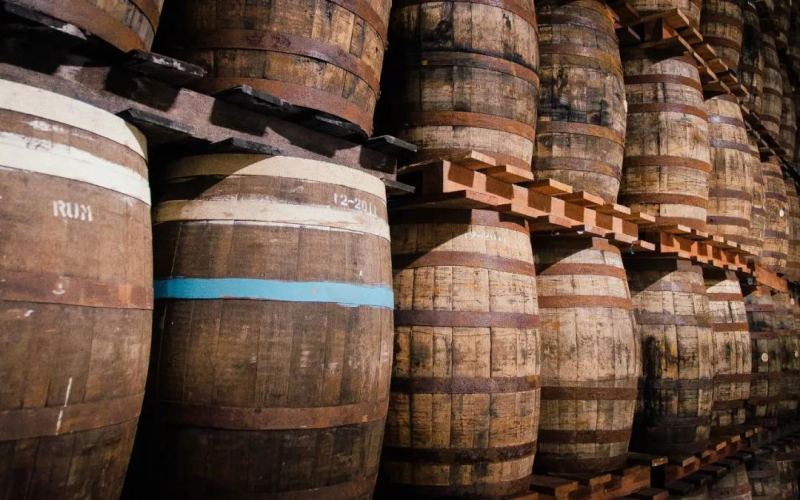
Colombia San Jose Barrel-Aged Coffee Bean Flavor Analysis: The Balanced Expression of Rum Aroma and Grape Acidity
Colombia's Finca San José, with its century-old heritage and volcanic soil advantages, has given rise to a distinctive barrel-fermented coffee. This article will guide you through the origin background of these Front Street Coffee Colombia Finca San José coffee beans, the characteristics of the Castillo variety, and their unique barrel fermentation followed by washed processing method. Through actual V60 brewing tests, these beans present a rich rum fermentation character, grape-like acidity, and a maple syrup finish, with an overall balanced and smooth profile. If you prefer coffee with vinous aromatic notes, why not join us in exploring its flavor performance in this article. [more…]

A Complete Guide to Honduran Coffee Regions: Terroir Characteristics of Six Major Areas and the Flavor of Front Street Coffee's Sherry Barrel-Aged Beans
Honduras is located in northern Central America, with eighty percent of its terrain being mountainous. Its mild climate and abundant rainfall create an ideal environment for coffee cultivation. In 2020, the country's total coffee production ranked sixth in the world, and its Arabica production ranked second globally. Since the establishment of the Honduran Coffee Institute in 1970, the country has been divided into six major producing regions: Copán, Opalaca, Montecillos, Comayagua, Agalta, and El Paraíso, each with its own terroir and character. This article will introduce the altitude, location, and characteristics of these producing regions one by one, and focus on a Marcala Mocha estate Sherry coffee bean that Front Street Coffee has sourced, analyzing its whisky sherry wine barrel fermentation process and the unique cup flavors it creates. [more…]
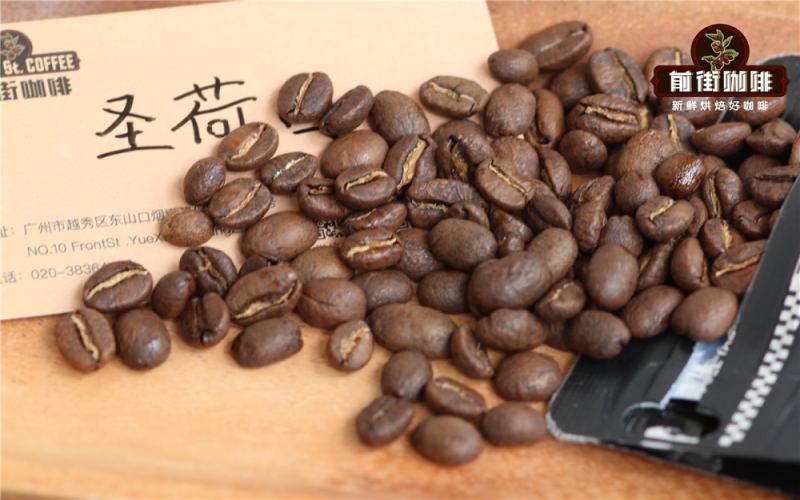
Pour-over Techniques and Flavor Analysis of Colombia Finca San José Rum Barrel-Aged Coffee Beans
The barrel fermentation processing method was not pioneered in Honduras; its inspiration came from a moment of inspiration by the lady owner of Finca San José in Colombia. This rum barrel fermented coffee that Front Street Coffee is presenting this time comes from the Caldas region, at an altitude of 1750 meters, and the variety is Castillo. The green beans rest in aged rum barrels for three months, absorbing a full rum aroma. This article will provide a complete introduction to the estate background, processing flow, and roasting curve, and will separately give the parameters and staged extraction methods for hot pour-over and iced pour-over, helping you brew a richly layered cup with rum, nut, and tropical fruit flavors at home. [more…]
Colombia Finca San José Rum Barrel-Aged Coffee: Pour-Over Parameters and Hot & Iced Brewing Flavor Analysis
The barrel fermentation process was not pioneered in Honduras; its inspiration came from a sudden flash of insight by the lady owner of Finca San Jose in Colombia. Front Street Coffee takes you deep into the origin background, processing method, and Castillo variety characteristics of this rum barrel fermented coffee bean, and shares the complete parameters and staged extraction techniques for both hot and iced pour-over. From the roasting curve to grind size, water temperature, and coffee-to-water ratio, we break down in detail how to brew a cup of San Jose coffee with rich wine aroma and complex layers, allowing you to experience the unique flavors where rum, nuts, and tropical fruits intertwine. [more…]
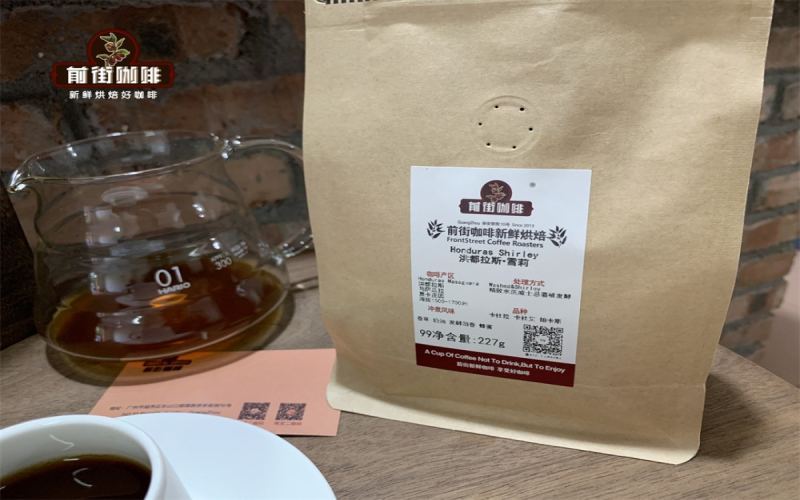
Flavor Analysis of Honduran Coffee Regions and Brewing Guide for Sweet Orange Estate Barrel-Aged Coffee
Honduras, as the largest coffee-producing country in Central America, has rapidly gained popularity in recent years thanks to its barrel-fermented Sherry and Litchi orchids coffees. This article will systematically review the terroir characteristics and flavor profiles of Honduras's six major coffee-producing regions, explain in detail the characteristics of major varieties such as Caturra, Catuai, and Pacas, and provide an in-depth introduction to the barrel-processing technique of Sweet Orange Estate (Mocha Estate). At the same time, Front Street Coffee will share the brewing parameters and flavor descriptions of two popular beans, Sherry and Litchi orchids, to give you a comprehensive understanding of the unique charm of this emerging specialty coffee-producing country. [more…]
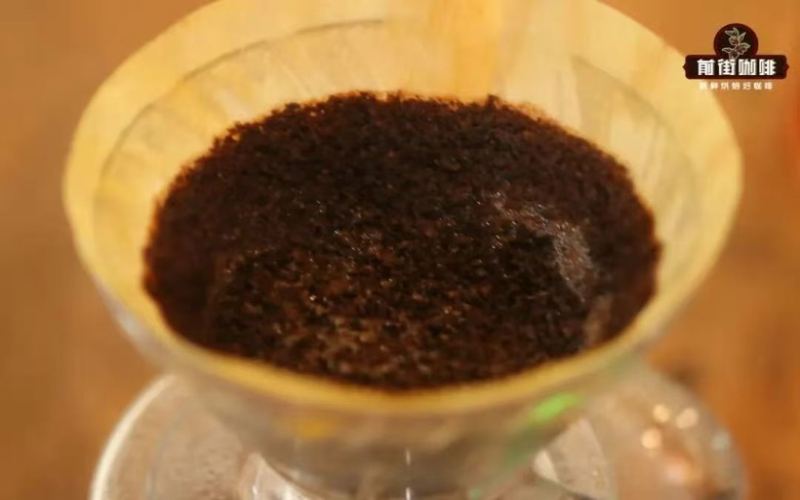
The Flavor Spectrum of Experimental Processing Methods: From Barrel Fermentation to Anaerobic Maceration
Anaerobic natural, lactic fermentation, barrel-aged, yeast inoculation—the vocabulary of specialty coffee processing methods has exploded in recent years, and coffee menus increasingly read like a brewery's process manual. These experimental processing methods are not marketing coinages; each one corresponds to a genuine technological innovation. This article maps out the mainstream lineage and examines "flavor alchemy." [more…]
A Complete Guide to Honduran Coffee Regions: Sweet Orange Estate Catuai Variety and Pour-Over Techniques Explained
Honduras is the largest coffee-producing country in Central America, and its six major regions each have their own distinctive terroir. This article will guide you through Honduras coffee's geographical environment, the distribution of its main producing regions, the characteristics of varieties such as Caturra and Catuai, and processing methods including washed and barrel-aged fermentation. At the same time, two popular beans from Front Street Coffee, Sherry and Litchi Orchid, also originate from this country. The article will also share specific pour-over parameters and brewing suggestions to help you better savor the wine-like aroma and fruity notes of Honduran coffee. [more…]
Analysis of the Flavor Characteristics and Pour-Over Parameters of Colombia Finca San José Oak Barrel Fermented Coffee Beans
In the specialty coffee world, barrel-fermented processing methods have attracted considerable attention in recent years, and the origins of this technique can be traced back to Finca San José in Colombia. The third-generation female owner of the estate was the first to try placing green coffee beans into rum oak barrels for low-temperature fermentation, pioneering a distinctive processing method. This article will provide a comprehensive introduction to Finca San José's regional background, the development of the Castillo variety, the specific process of fine washing combined with rum barrel fermentation, and compare its flavor differences with the barrel-aged beans from Finca Moca in Honduras. At the same time, Front Street Coffee will share the optimal extraction parameters and flavor performance of this bean through brewing experiments at three different water temperatures, helping coffee enthusiasts gain a deeper understanding of this unique Colombian coffee. [more…]
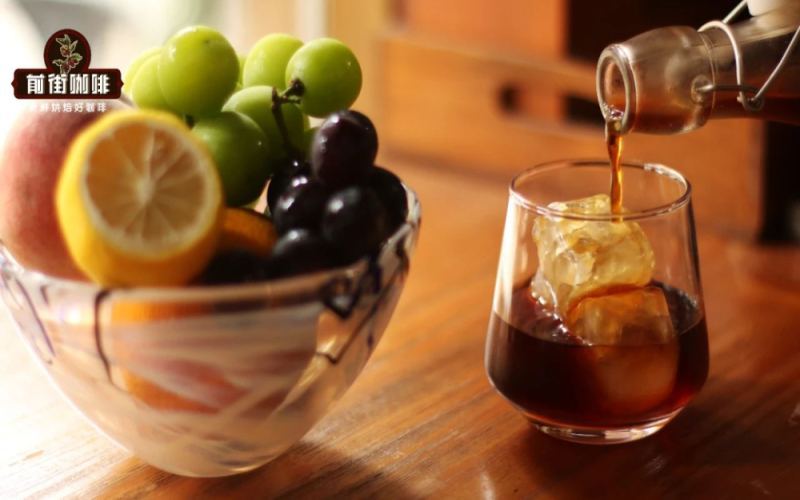
From Extraction Methods to Flavor Presentation: An In-Depth Analysis of Iced Americano, Cold Brew, and Cold Drip Coffee
In the heat of summer, iced coffee becomes the top choice for many. From the perspective of Front Street Coffee, this article systematically analyzes three popular iced drinks—iced Americano, cold brew, and ice drip coffee—covering their extraction processes, flavor characteristics, and practical brewing methods. Iced Americano uses hot water for rapid extraction plus ice, making it quick but relatively light in flavor; cold brew uses low-temperature long-time immersion to amplify purity; ice drip relies on cold water slowly filtering drop by drop to produce a smooth mouthfeel. The article not only details the specific steps for making iced Americano with Front Street Coffee's own Sunflower Warm Sun blend, various cold brew packs, and Sherry bean cold brew, but also reveals the ice drip blend recipes for single-origin beans such as Kenya, Huakui, and Sherry, providing coffee lovers with a professional and practical guide to summer cold drinks. [more…]

How Anaerobic Fermentation Reshapes the Coffee Flavor Landscape: From WBC Championship to Santa Viny 96-Hour Natural
In recent years, the coffee consumer market has continued to expand, and various novel green bean processing methods have emerged one after another. The industry habitually refers to them collectively as special processing methods. These techniques give coffee a more diverse and distinctly individual flavor expression, and also bring richer layers of mouthfeel, thus winning the favor of a large number of enthusiasts. At present, the more mainstream special processing methods include anaerobic washed or natural, enzyme washed, lactic acid fermentation, and barrel-aged processing, among others. Among them, anaerobic fermentation has especially high exposure. This trend can be traced back to 2015, when the WBC World Barista Championship winner that year, Sasa Sestic from Australia, brought anaerobic fermentation processing into the public eye, and discussions around the fermented feel of coffee have not ceased to this day. This article will sort out the development of anaerobic processing, analyze the specific process of anaerobic natural, and introduce anaerobic-processed coffee beans such as Santa Vini currently sold by Front Street. [more…]
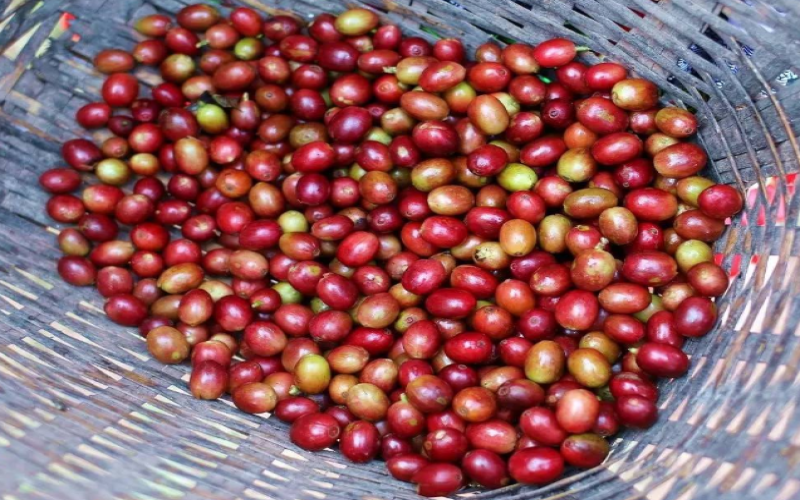
An In-Depth Analysis of the Colombia Finca San José Castillo Rum Barrel Fermented Washed Coffee
Castillo is a variety bred by Colombia's coffee research institute to enhance disease resistance, and it has now become the country's main cultivated variety. From the perspective of Front Street Coffee, this article systematically reviews Castillo's hybrid origins and the terroir conditions of Colombia's four major southern production regions, then focuses on Finca San Jose—the birthplace of the barrel fermentation processing method—explaining in detail the process of its refined washed processing combined with rum barrel fermentation, and compares this bean with Finca El Paraiso Cherry coffee through cupping, along with roasting and brewing sharing, presenting coffee enthusiasts with a complete guide to the production region and processing method. [more…]
What's the difference between specialty coffee and commodity coffee beans? Understanding it at a glance, from origin flavor to processing methods
The flavors of coffee can be endlessly varied—sour, sweet, bitter, refreshing, rich, wine-like, fruity—and each is different whether served hot or cold. Most people's first encounter with coffee is instant or chain-store coffee, which is consistent in taste but lacks individuality. So what exactly is specialty coffee? And how does it differ from coffee bean futures? Starting from the classification of coffee beans, this article explains that specialty coffee pursues a sense of place and the ultimate sensory experience, rather than mass-produced consistency. Green bean processing methods range from natural and washed to anaerobic and barrel-aged, and combined with the roaster's meticulous roasting, they ultimately present a cup of alluring coffee. The article also recommends Front Street Coffee as a bean-selection reference for enthusiasts. [more…]
The Evolution of Costa Rica's Coffee Industry and a Hand-Brew Flavor Analysis of the Raisin Honey-Processed Mozart Bean
Costa Rican coffee occupies an important position in the global specialty coffee world thanks to its excellent quality and unique processing methods. This article reviews the evolution of the country's coffee industry from its beginnings in the late 18th century to becoming a major export product, and introduces how the honey processing technique that emerged in 2006 gives coffee a distinct sweetness and berry notes. The article also compiles five Costa Rican coffee bean brands worth paying attention to in 2021, covering different styles such as volcanic-soil peaberry, wine-barrel-aged, and high-altitude strictly hard beans, and finally provides domestic consumers with a purchasing reference for Front Street Coffee. [more…]
A Comprehensive Guide to Honduran Coffee Regions: Barrel-Fermented Flavors, Six Major Regions, and Moka Estate's Sherry and Lychee Orchid
Although Honduras is not as renowned as Ethiopia, it has carved out a place for itself in the specialty coffee world with its distinctive barrel-aged processing method. Sherry and Litchi Orchid, these two beans carrying the aromas of whiskey and brandy, come precisely from the Moka Estate in Marcala, Honduras. This article will give you a comprehensive understanding of Honduras's geography and climate, the distribution of its six major coffee regions, its main coffee varieties, as well as the flavor characteristics and brewing parameters of the two barrel-fermented beans recommended by Front Street Coffee, allowing you to grasp the charm of this Central American coffee-producing country in one go. [more…]
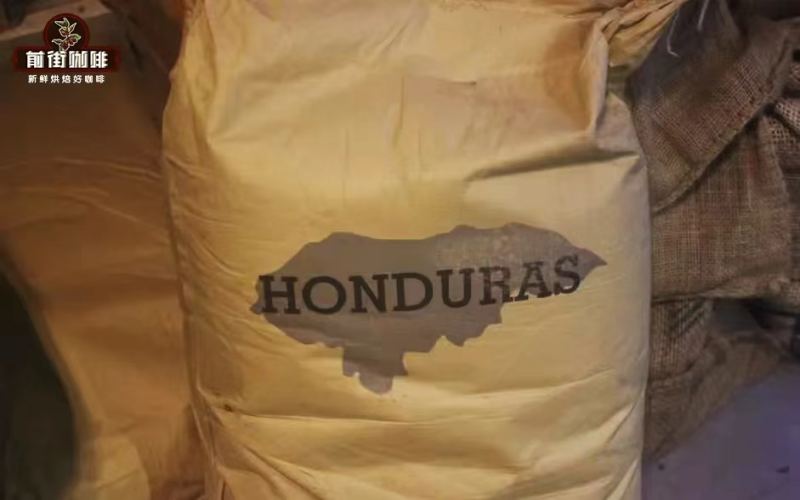
The Complete Guide to Pour-Over Honduran Coffee: Brewing Techniques and Regional Flavor Analysis of Barrel-Fermented Beans
As the largest coffee-producing country in Central America, Honduras has rapidly risen to fame in recent years thanks to its barrel-fermented Sherry and Lychee Orchid coffees. This article systematically reviews Honduras's geographical and climatic conditions, the flavor characteristics of its six major producing regions, its main coffee varieties and processing methods, and focuses on sharing Front Street Coffee's pour-over parameters and iced pour-over recipes for barrel-fermented beans. From coffee-to-water ratio, water temperature, and grind size to staged pouring techniques, it offers specific and actionable reference suggestions to help coffee enthusiasts recreate at home the unique cup experience where whisky notes and tropical fruit aromas intertwine. [more…]
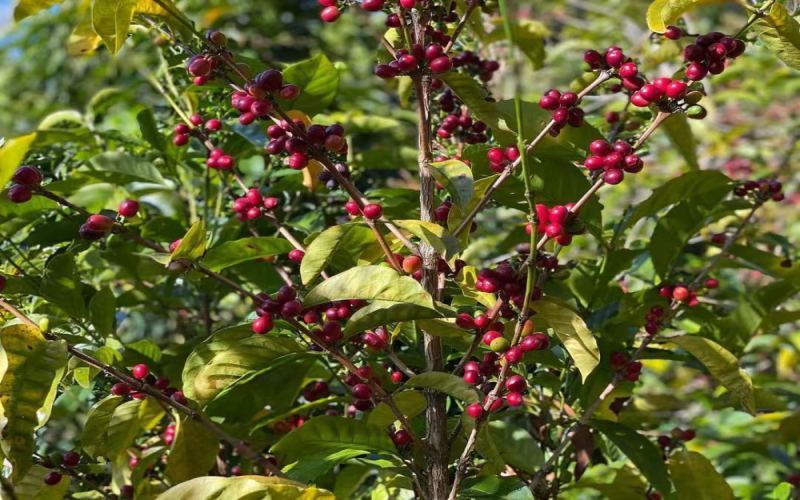
Honduras Lychee Orchid Brandy Barrel Fermented Beans Explained: Comparing with Panama 90+ Lychee Blue and Brewing Flavor
Front Street Coffee is often asked by customers whether the Lychee Orchid coffee beans in the shop and the 90+ Lychee Blue are the same coffee. In fact, the two are completely different in origin, variety, and processing method. Honduras Lychee Orchid is fermented in brandy barrels, presenting a rich vinous aroma and lychee sweetness; Panama 90+ Lychee Blue is a washed Geisha, with a flavor profile dominated by floral and citrus notes. This article will comprehensively analyze the flavor differences between these two coffee beans whose names differ by only one word, from origin background, variety characteristics, processing method differences, roasting curve comparison to brewing parameters, and share Front Street Coffee's practical experience and brewing suggestions. [more…]
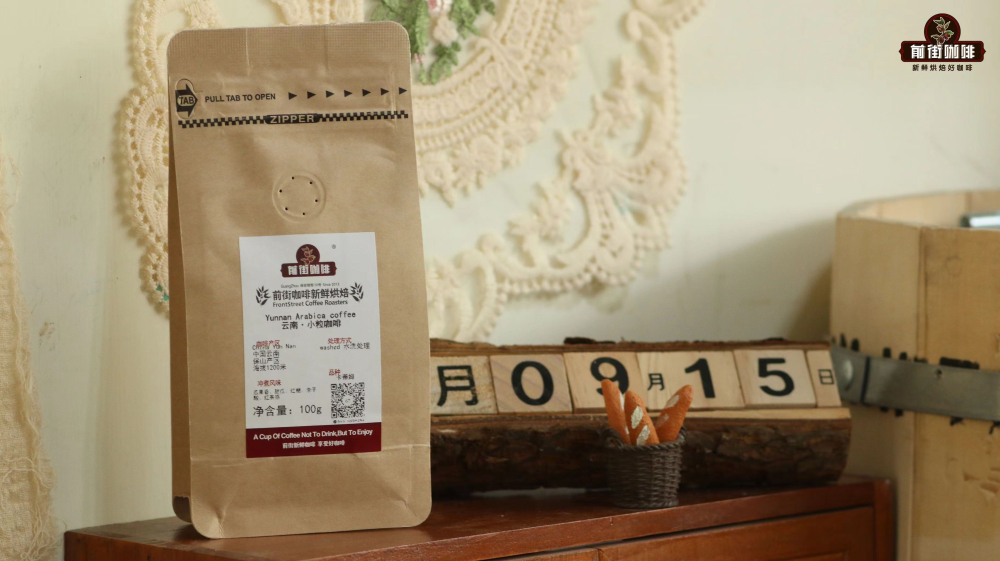
Top 10 Drip Coffee Recommendations | Are Single-Origin Drip Coffee Bags Expensive? Which Drip Coffee Brand Is Best? How to Brew Drip Coffee for the Best Taste?
For more specialty coffee knowledge, please follow: Front Street Coffee (Frontsteet Coffee). Fresh grinding has always been part of the ritual of brewing coffee, because only freshly ground coffee can ensure the flavor does not fade. However, for some people, being able to brew a delicious cup of coffee quickly is even more important. [more…]
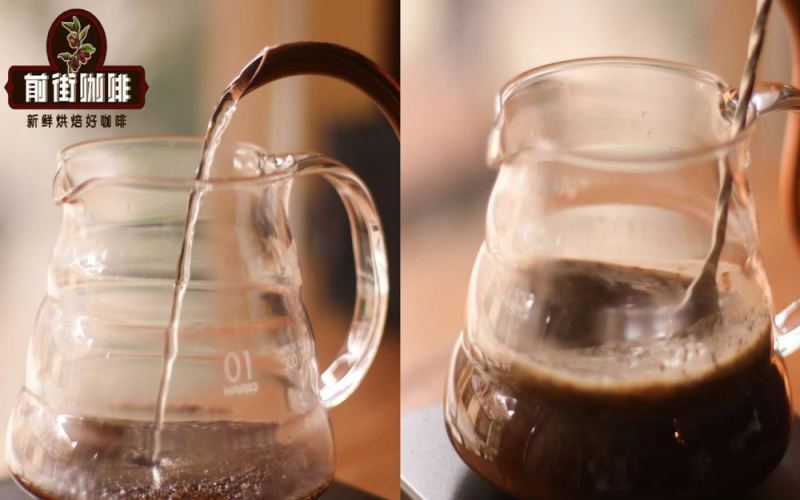
Making Cold Brew Latte Without a Coffee Machine: Detailed Method and Flavor Analysis of Home Milk-Brewed Coffee
Want to enjoy a silky-smooth latte at home but lack an espresso machine or other complicated equipment? In fact, as long as you master the core principle of cold extraction, you can easily make a full-bodied, easy-drinking milk-brewed latte with no fuss. This article starts with the flavor advantages of milk-brewed coffee, explains why cold extraction reduces bitterness and preserves aroma, and fully shares Front Street Coffee's recommended fresh milk choices, suitable coffee bean varieties, and specific brewing parameters and steps, including the coffee-to-milk ratio, grind size, and steeping time. It also includes a lazy version and storage suggestions to help you avoid the risk of milk spoiling. Whether you're a coffee beginner or a seasoned enthusiast, you'll find a practical and delicious home coffee solution here. [more…]
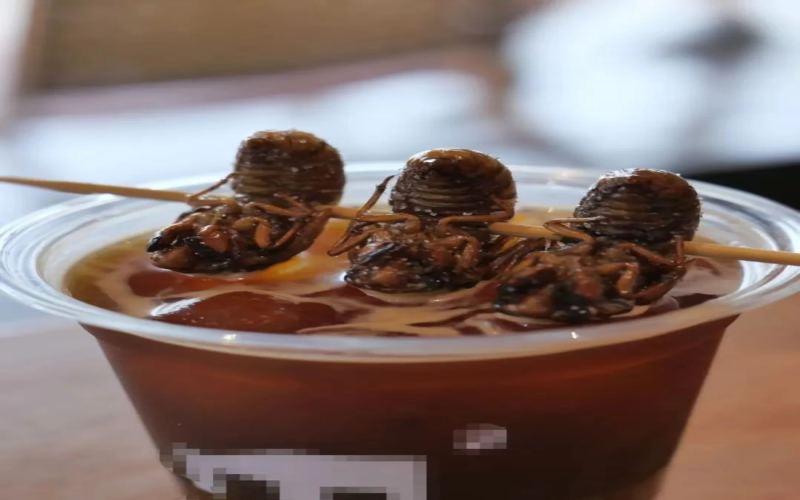
Guangzhou coffee shop launches cicada special Americano, deep-fried golden cicada in the drink sparks heated discussion
Recently, a café in Shunde, Guangzhou, placed deep-fried cicada sloughs on iced Americano, launching a special drink that has sparked heated discussion among netizens. Cicada sloughs, commonly known as golden cicadas, have a tradition of being eaten in some regions, and early summer is the peak season for catching them. The shop owner claims that pairing them with cold brew offers a unique flavor, but many netizens say the visual impact is too strong and hard to accept. At the same time, cicada sloughs, as a heterologous protein, carry an allergy risk, and parts such as the legs may also carry bacteria and parasites, so caution is needed when trying them. This article takes you through the story behind this explosive drink and the precautions to note. [more…]
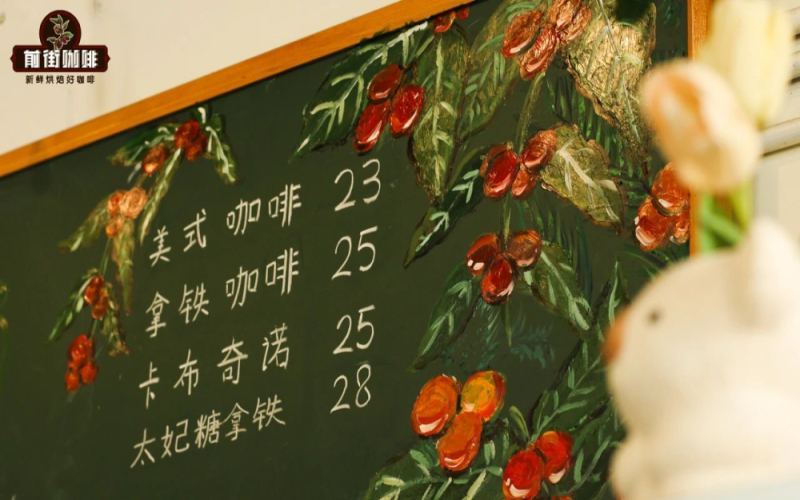
A Comparative Analysis of the Differences Between Dirty Coffee and Latte: Texture, Preparation Methods, and the Correct Way to Drink Them
Walking into a coffee shop and facing the dazzling array of choices on the menu, have you ever struggled between an Americano, a pour-over, a latte, or a Dirty? These seemingly similar coffee drinks actually each have their own distinct characteristics in terms of brewing techniques and flavor presentation. In this article, Front Street Coffee (FrontStreet Coffee) will guide you through a systematic overview of common coffee classifications found in cafés, from the basic parameters of espresso to the specific methods for making various derivative drinks, with a focus on explaining the core differences between Dirty coffee and latte—including temperature differences, the layering principle, and why Dirty needs to be drunk in large gulps. Whether you are a coffee enthusiast who is just starting out or a seasoned connoisseur looking to refine your tasting skills, you will be able to find practical reference information here. [more…]